Context and Report Presentation
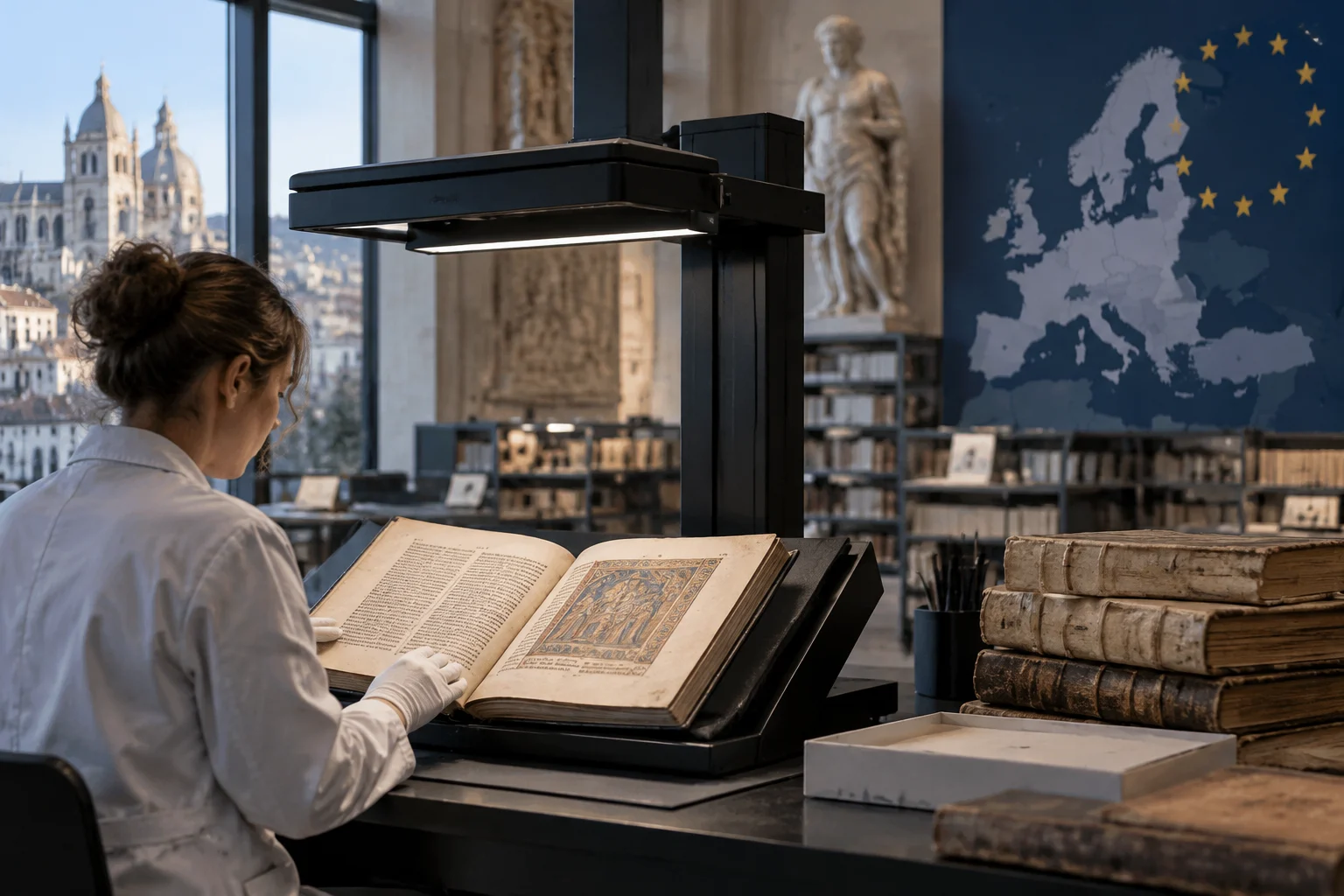
The AC/E Digital Culture Yearbook 2026 was published by Acción Cultural Española (AC/E) on May 19, 2026, continuing a series initiated in 2013. The official presentation took place at the Fundación Telefónica Space in Madrid, an event that has consolidated this publication as a reference document for cultural sector professionals and digital trend analysts.
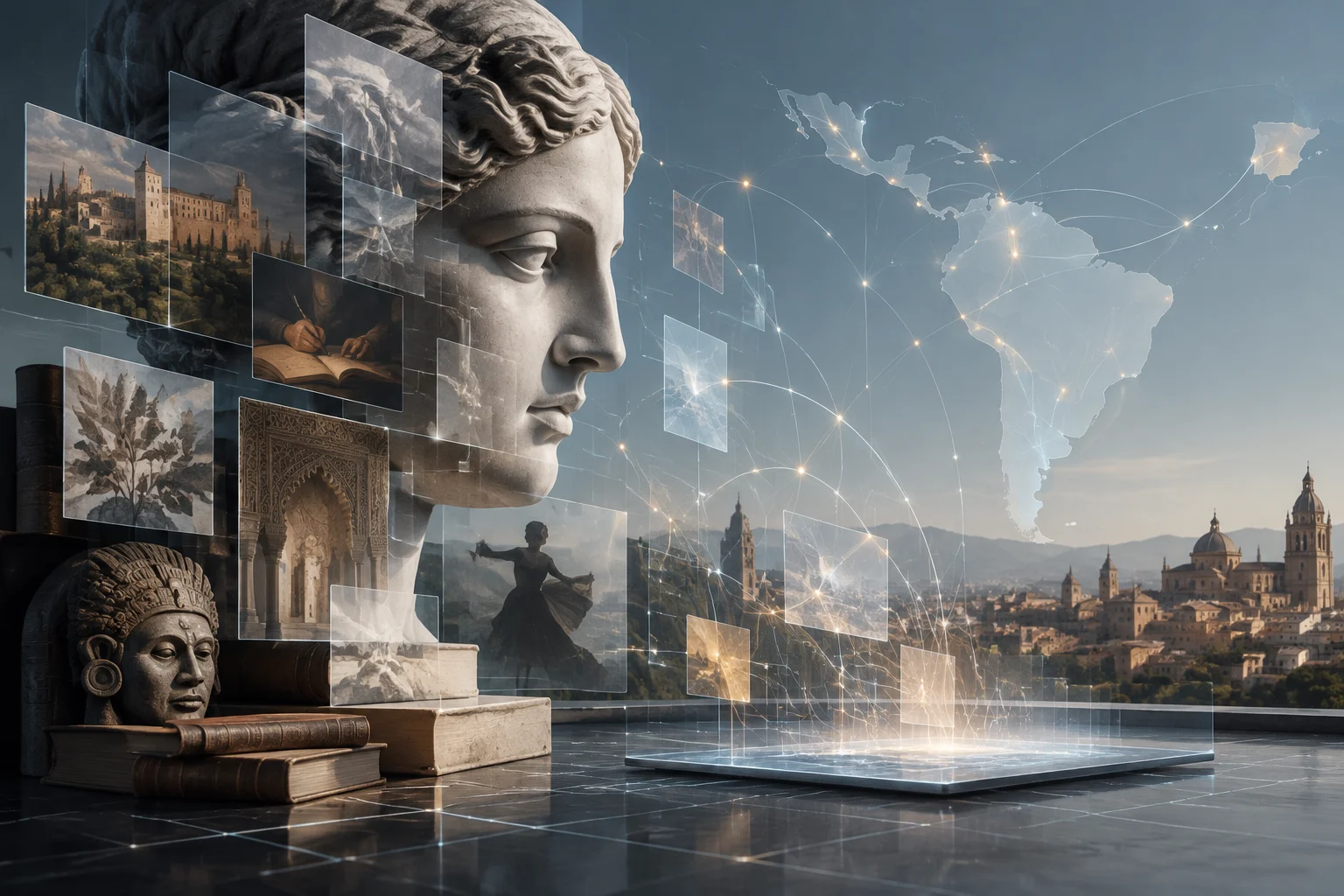
This edition is structured into two distinct parts: a first section with expert articles on cross-cutting digital trends and a second, the Focus 2026, titled 'Mapping the Use of AI in Digital Creation in Spanish'. The objective is to map the actual implementation of these tools beyond promotional discourse, analyzing their impact on cultural production, distribution, and preservation.
The Standard Cultural AI Kit
One of the central findings of the report is the identification of a standard cultural AI kit, a set of tools and workflows that have become normalized in the sector. This mapping allows distinguishing between effective adoption and superficial use, offering a precise radiograph of how creators integrate artificial intelligence into their daily processes.
The study covers diverse disciplines, including performing arts, visual arts, cinema, music, books, and video games. The evidence suggests that AI has ceased to be perceived as a threat, becoming a structural asset and an innovation lever. Consulted experts agree that the technology enhances human sensitivity rather than replacing it, redefining the role of the cultural manager as an essential mediator.
Digital Sovereignty and Power Geopolitics
The report examines the new geopolitics of digital power, analyzing technological sovereignty strategies against the hegemony of major markets. This dimension is crucial for understanding how Spanish-speaking cultural institutions navigate between dependence on global platforms and the need to preserve their own digital identity and heritage.
The tension between the cultural supremacy of certain markets and the resistance of local communities is highlighted. Technological sovereignty is not presented merely as a technical concept, but as a cultural strategy to maintain control over data flows, intellectual property, and digital narrative in the Spanish-speaking sphere.
Transformation of Business Models
Generative artificial intelligence is modifying traditional business models in the cultural sector. The report analyzes how the automation of creative tasks and large-scale personalization are reconfiguring value chains, from initial creation to distribution and final consumption.
In areas such as comics and video games, significant changes in formats and channels for connecting with audiences are observed. The fragmentation of consumption and the power of algorithms force creators to adapt their strategies, prioritizing authenticity and direct experience over the saturation of machine-generated content.
Heritage Preservation and New Challenges
One of the roundtables at the presentation focused on digital legacy preservation and the right to play. Experts such as Darío López Rincón and Julia Iriarte addressed the 'Stop Killing Games' initiative and the protection of ludic heritage, highlighting the urgency of developing ethical and technical frameworks to conserve digital cultural content.
The report also explores the hybridization of fiction and non-fiction as a form of resistance against post-truth. Authors like Domingo Sánchez-Mesa Martínez analyze how hybrid narrative can offer critical contexts in an environment where simulation and authenticity blur, proposing new ways to store cultural memory.
Implications for Institutions and Creators
For cultural institutions, the AC/E Yearbook 2026 offers a roadmap for adapting to the new technological reality. It is recommended that cultural managers act as critical mediators, evaluating not only the efficiency of AI tools but their impact on cultural diversity and intellectual property.
Independent creators must consider transparency in the use of these technologies as a key factor for maintaining public trust. The humanization of the brand and clarity about the origin of the content become competitive advantages in a market saturated with automated production, differentiating authentic creation from mass generation.