Introduction to Snap SPECS
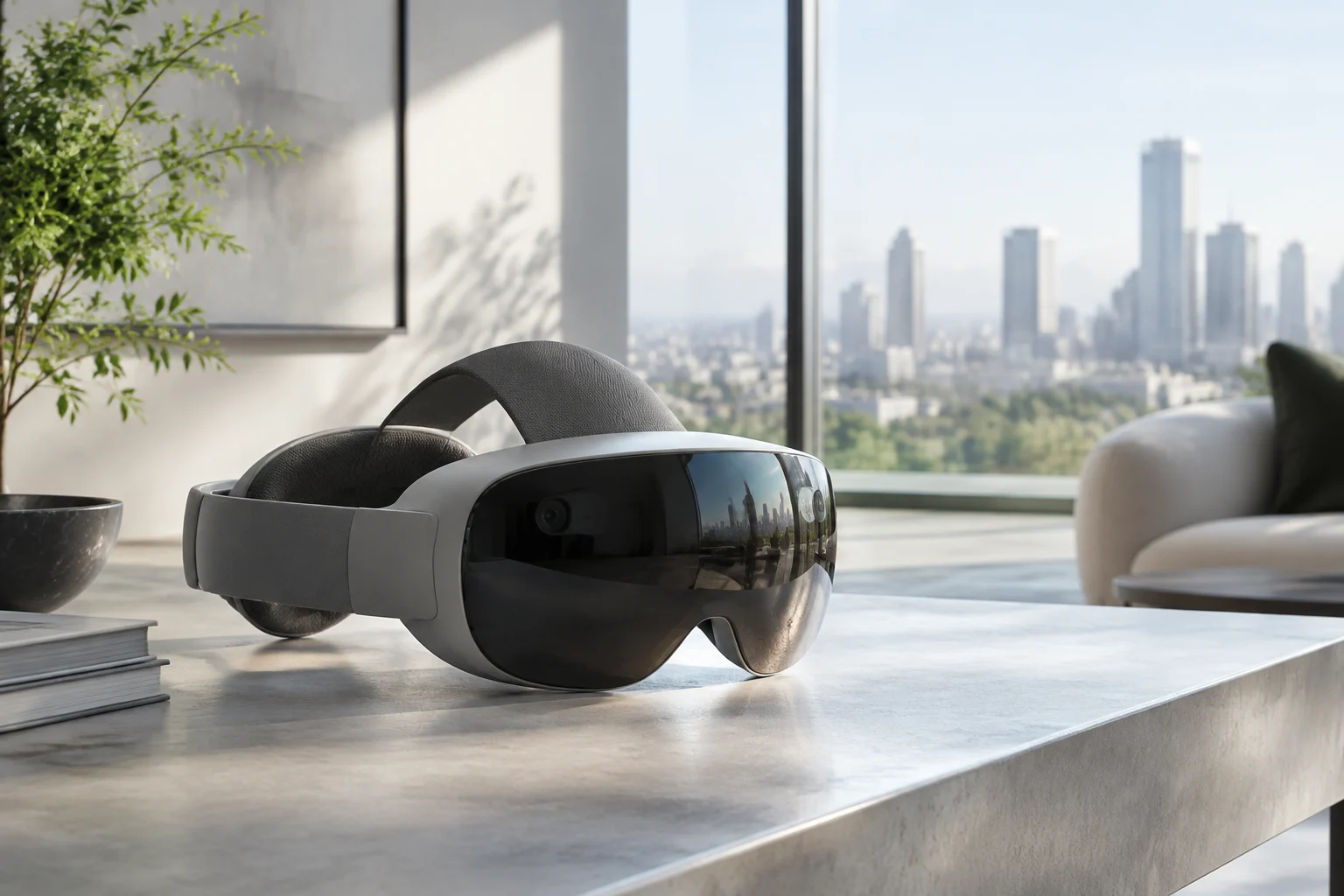
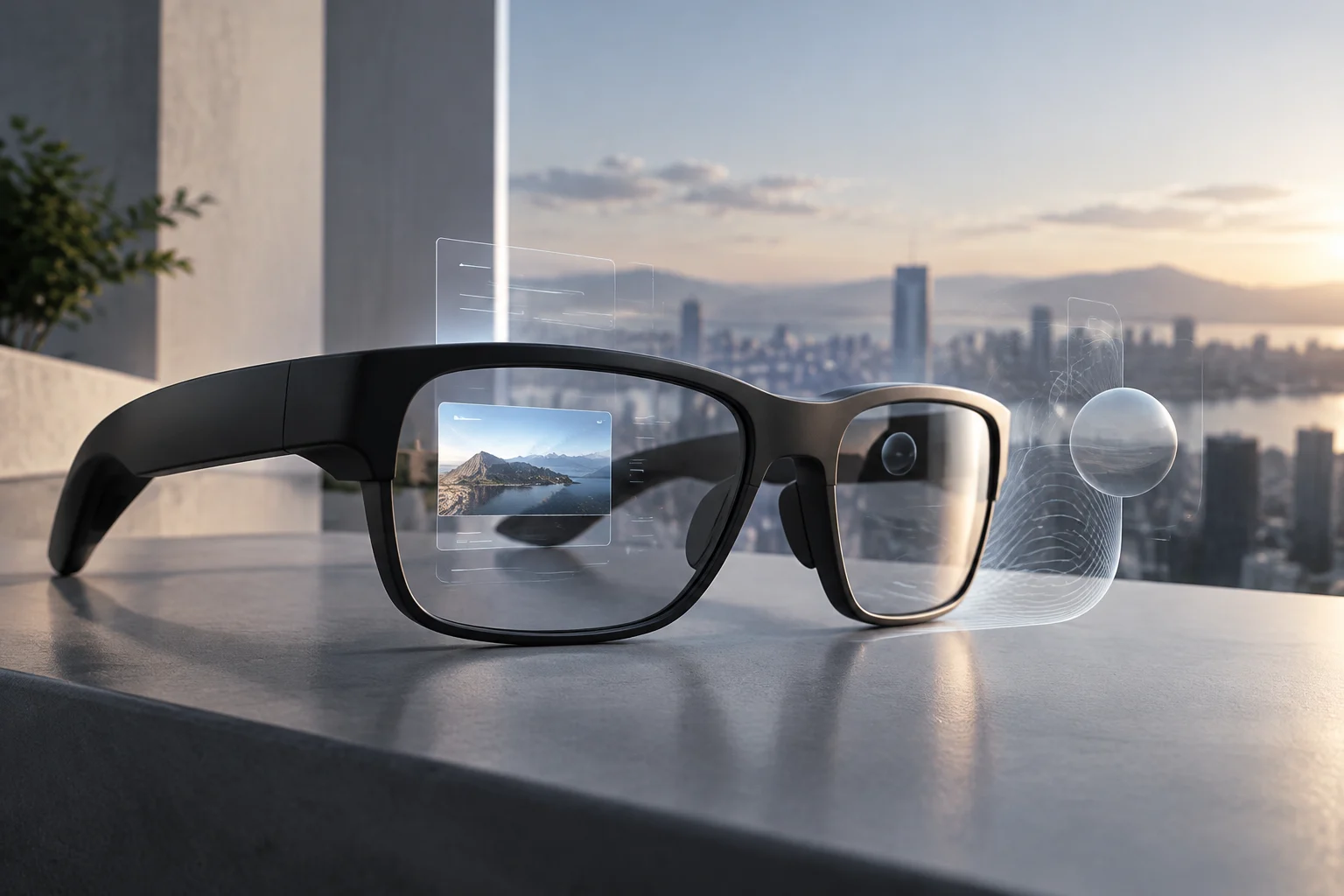
Snap Inc. officially announced SPECS, its new augmented reality glasses intended for the end consumer. The presentation took place at the AWE 2026 Expo, where the company also opened pre-orders. The initial price is 2,195 US dollars, a figure that places the device in the highest price segment of the consumer market. Therefore, the proposal is aimed at those seeking to combine several augmented reality capabilities in a single portable device.
The announced configuration combines a dual-panel OLED screen with eye-tracking sensors and a stereo microphone. These components perform distinct functions: the screen displays visual elements, the sensors register gaze, and the microphone captures sound. Together, they make possible an experience that integrates visual and auditory information in the use of the glasses, rather than limiting itself to overlaying images in the field of vision.
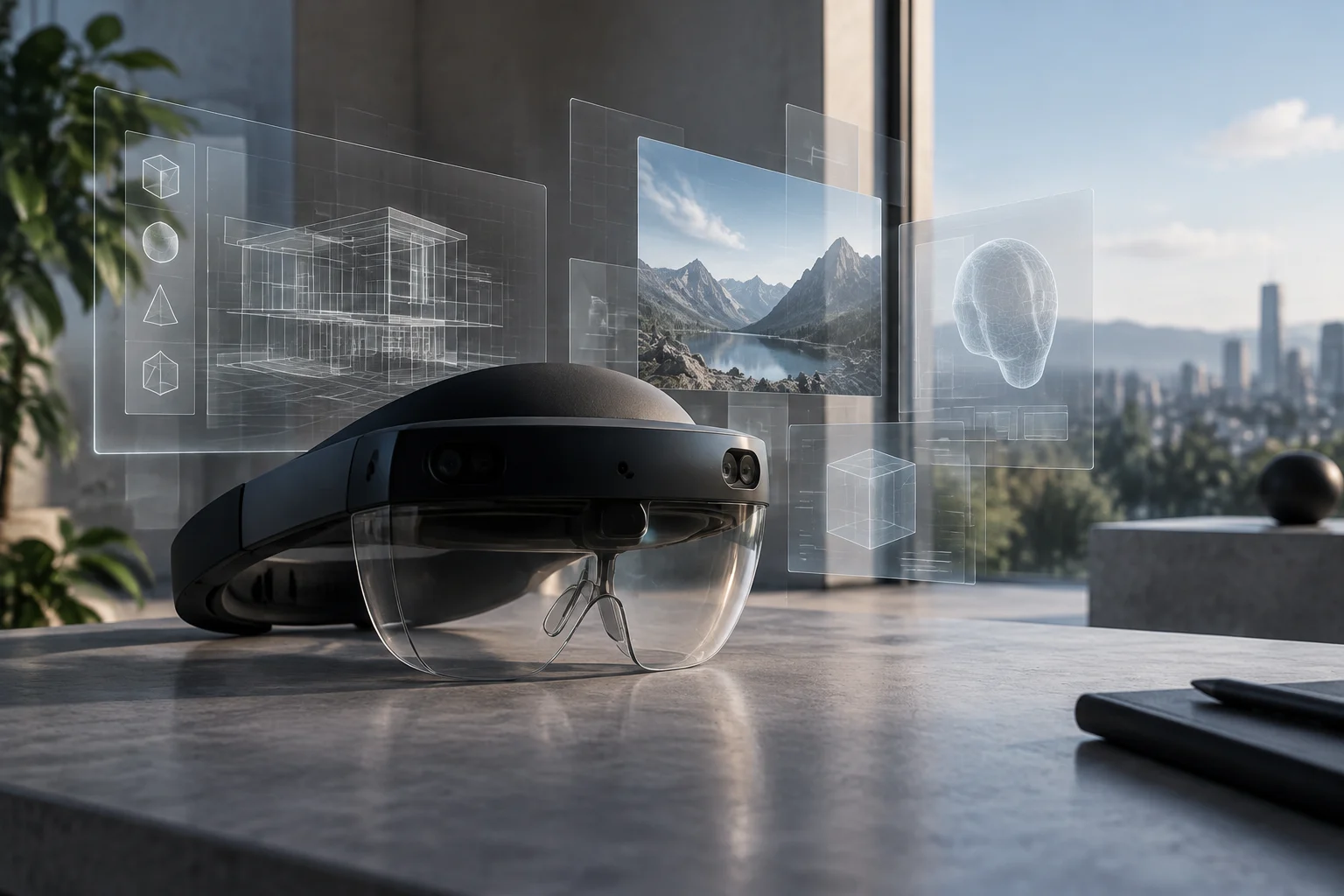
Snap SPECS also incorporates the Snapdragon Reality Elite chip to run real-time AI. This capability is linked to understanding the environment and with interactions that can respond to context. On-board processing allows treating information directly in the glasses for certain tasks, so that the experience does not depend exclusively on a connection with external servers. The announcement thus presents a device in which vision, audio, and local computing are part of the same proposal.
Architecture and Performance
The central component of SPECS is the Snapdragon Reality Elite, a system-on-chip (SoC) from Qualcomm designed for XR devices. According to figures communicated by the company, the processor offers 48 TOPS of on-device AI capability. Qualcomm also attributes to the chip a GPU 60% faster and a CPU 30% superior to those of its predecessor, the Snapdragon XR2. These comparisons describe the announced performance against that previous generation.
The CPU, GPU, and AI figures refer to different parts of the system. The GPU handles graphic processing, while the CPU manages general tasks; AI capability is expressed in TOPS. Together, these resources are intended to support the augmented reality functions and intelligent processing described for SPECS. The available information presents the improvements as manufacturer data, not as results of an independent test.
The chip allows running local LLM models, that is, language models that function on the device itself. Performing this processing in the glasses can reduce latency, because certain tasks do not need to wait for a response from a remote server. It can also favor the operational autonomy of the device by decreasing dependence on external services for those functions. This does not mean that all activity is performed offline, but that the system has the capacity to run models locally.
The integrated battery offers an estimated duration of four hours under intensive use. This is an estimate associated with that level of use, not a single duration for any situation. Those who need to extend operating time can connect an external module, according to the information provided. Thus, autonomy combines the integrated battery with the possibility of extending use through an accessory.
User Experience and Spatial Audio
SPECS incorporates 3D audio that adapts to the physical environment. The stereo microphone captures the user's position and external sound sources; from that information, the system generates a binaural mix. The intention is that sound is perceived spatially and accompanies the augmented reality experience, instead of being presented as indistinct audio from the environment.
The binaural mix is the element that shapes the described sound experience: it organizes audio so that the user perceives sources in relation to their position and the surrounding space. In this approach, the microphone not only captures sound but also contributes to situating it within the experience. The sought result is greater immersion, although the announced information does not detail additional parameters about playback or specific listening conditions.
Advanced eye tracking adds another interaction pathway. The sensors register where the user looks to allow direct interaction with virtual objects. According to the product description, this navigation does not require external controls for that form of interaction, which can simplify access to elements of an AR application.
Spatial audio and eye tracking solve different aspects of the experience: one organizes how sound is perceived and the other allows interacting with virtual objects through gaze. Combined, they seek to allow the user to explore digital content with less dependence on peripherals. The proposal is therefore based on the integration of sensors and processing, rather than adding an independent physical control for each action.

Ecosystem and Compatibility
Snap SPECS is compatible with the OpenXR 1.1 SDK, a standard interface for developing extended reality applications. Compatibility with this framework allows interoperability with engines like Unity and Unreal Engine, common tools for creating interactive experiences. For developers, using a common interface can facilitate adapting projects to different compatible environments, although SDK compatibility does not by itself imply that all applications are available on the glasses.
The company has also published a set of development tools. Among them is a cloud-based emulator, which allows testing experiences before deploying them on real hardware. This offers a prior evaluation stage to work with an application without depending on physical glasses from the start.
The emulator and OpenXR support fulfill complementary functions. The standard relates to application interoperability, while the emulator helps rehearse their functioning during development. Together, these tools describe Snap's effort to offer not only the device but also resources to create and check content intended for it.
Market Perspectives
The launch occurs in a context of growing interest in lightweight and autonomous devices. According to a Counterpoint Research report, AR glasses are projected to grow by 25% annually until 2028. This forecast provides context for the positioning of SPECS, but refers to the AR glasses market in general and does not constitute a specific sales estimate for Snap's product.
In that market, Snap SPECS is presented as a direct competitor to XREAL Aura and Meta Ray-Bans. The differentiation proposed by the company is centered on artificial intelligence and spatial audio, two of the highlighted elements in the announcement along with the screen and eye tracking. The comparison places the product within a competitive category, without implying that all mentioned devices share the same functions or characteristics.
The initial price of 2,195 dollars, the battery estimated for four hours of intensive use, and the option to connect an external module are relevant factors for valuing the proposal. To these are added local processing, interaction through eye tracking, and development tools. These elements allow understanding the focus of SPECS without reducing it to a single function: it is a combination of augmented reality, AI, and spatial audio capabilities.
In summary, Snap SPECS bets on integrating on-board computing, sensors, and spatial sound in AR glasses intended for the consumer. Its proposal relies on local AI and contextual interaction, while the estimated autonomy and initial price delimit practical aspects of its use. The announcement places it as a competitor in a growing market, with a differentiated orientation towards AI and spatial audio.