Limits of the Tech Sheet: Codecs and Compatibility
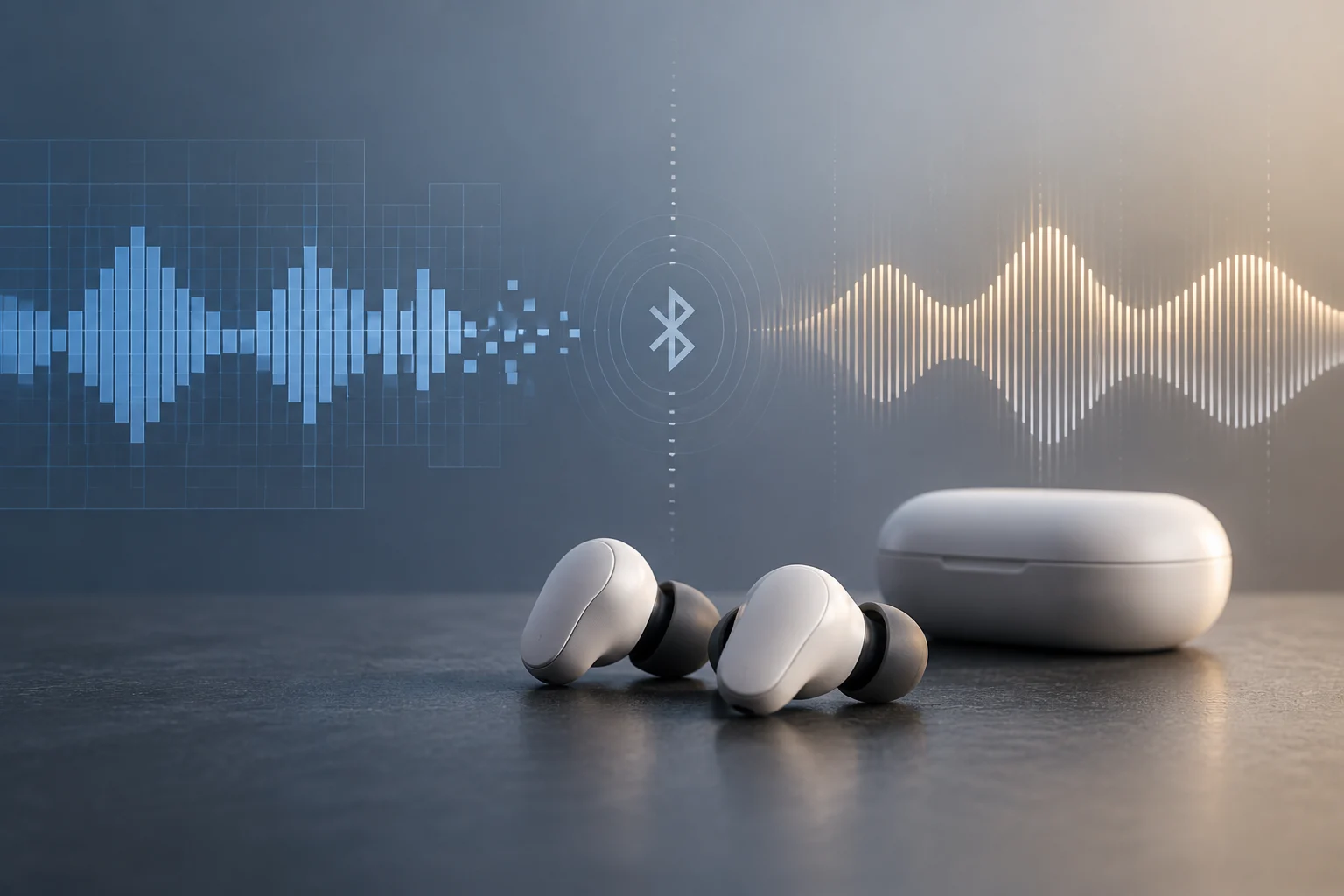
The technical sheet of a wireless earbud lists compatible Bluetooth codecs, but this information does not determine perceived sound quality or actual battery life. The active codec in a listening session depends on the negotiation between the source device (phone, computer) and the receiver (earbud), as well as operating system and playback app restrictions. An earbud supporting LDAC or aptX Adaptive will not automatically use those codecs if the phone does not support them or if the app forces a more basic codec like SBC or AAC.
It is crucial to distinguish between the decoding capability of the earbud hardware and the encoding implementation of the source device. Official manufacturer documents, such as Apple's for AirPods, specify the audio chip (e.g., Apple H2) and Bluetooth version (5.3 in AirPods Pro 2), but do not detail an exhaustive list of third-party codecs because the closed ecosystem prioritizes internal optimization. For the user, this means compatibility must be verified by cross-referencing earbud specs with source device specs, not assuming that the presence of a codec in the sheet guarantees its optimal use in all situations.
What the sheet does not allow concluding
- Subjective sound quality (requires independent auditory tests).
- Exact battery life in real conditions (varies with volume, ANC, and codec).
- Universal compatibility with all devices (depends on OS and app).
- Long-term battery life (only design is indicated, not aging).
Declared Autonomy vs. Usage Reality
Manufacturers publish battery life figures under controlled and specific conditions. For example, Apple indicates for the AirPods Pro 2 up to 6 hours of listening on a single charge, and up to 30 hours with the charging case. For the AirPods Pro 3, the figure rises to 8 hours with Active Noise Cancellation (ANC) enabled. These figures are theoretical maximums that assume medium volume, an efficient codec, and ideal temperature conditions. In practice, activating features like spatial audio with dynamic head tracking reduces battery life, as specified in the AirPods Pro 2 sheet (5.5 hours with Spatial Audio enabled).
The choice of codec directly impacts energy consumption. High-fidelity codecs like LDAC require greater bandwidth and processing, increasing battery consumption compared to more efficient codecs like SBC or AAC. An analysis by DHRME points out that codec selection is one of the main factors limiting battery life in true wireless earbuds. Therefore, a sheet that does not specify consumption per codec forces the user to assume that maximum battery life is obtained with the most efficient codec, not the highest quality one.
| Model | Earbud Battery (ANC ON) | Total Battery with Case | Source |
|---|---|---|---|
| AirPods Pro 2 | 6 hours | 30 hours | Apple Support |
| AirPods Pro 3 | 8 hours | Not specified in excerpt | Apple Support |
| AirPods 1 | 5 hours | >24 hours | Apple Support |
Battery Degradation and Replacement Costs
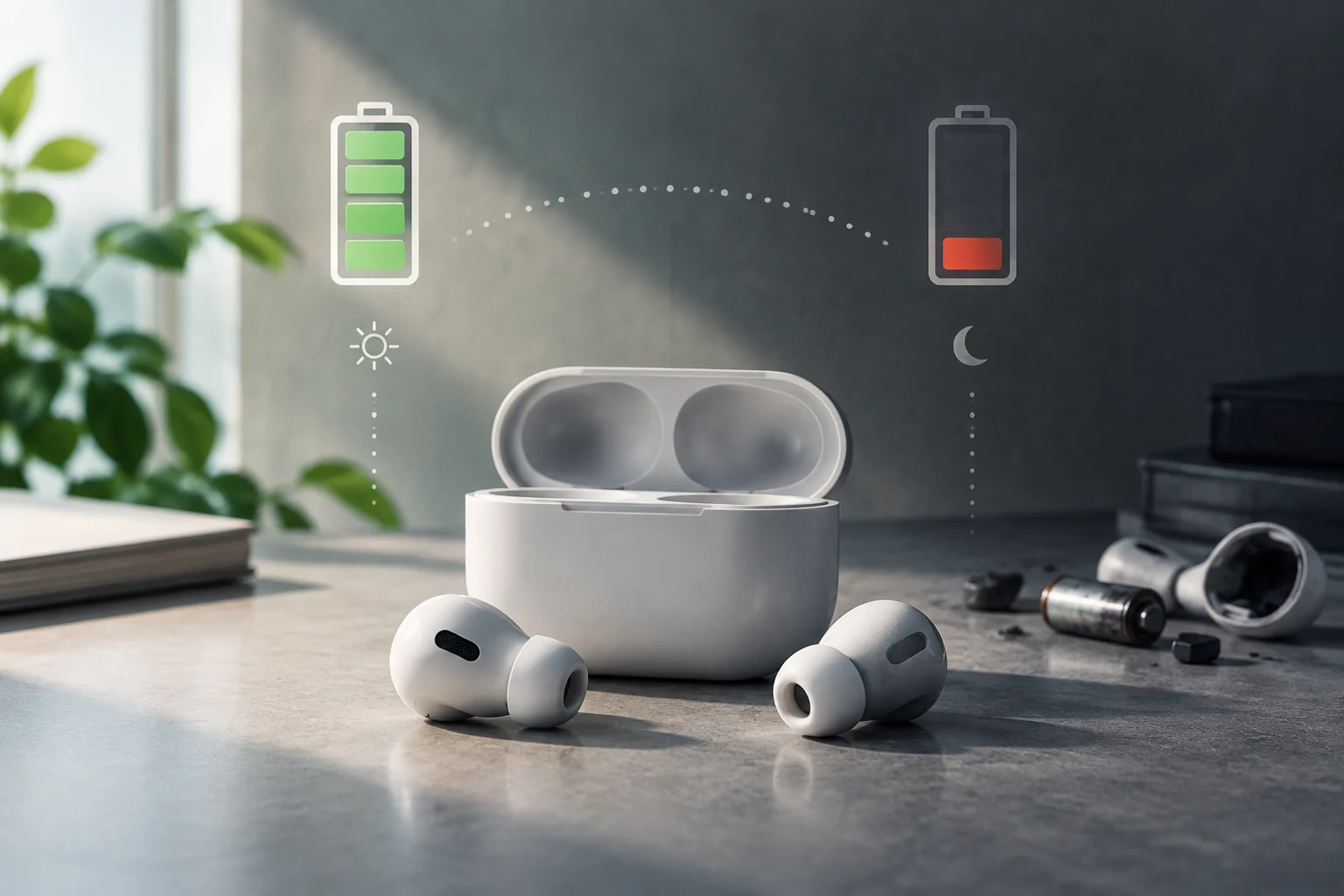
Lithium-ion batteries in earbuds suffer inevitable degradation over time and charge cycles. Apple specifies for its iPhones that batteries are designed to retain 80% of their original capacity after 500 or 1000 complete cycles, depending on the model. Although an exact cycle figure is not published for AirPods, the same degradation logic applies. When battery health falls below 80%, playback time is significantly reduced, which can turn a 6-hour earbud into a 3 or 4-hour one, affecting daily usage experience.
The cost of battery replacement is a critical factor in the total cost of ownership. An analysis by Taobao Global indicates that official battery replacements for premium earbuds often cost between 50% and 70% of the price of a new unit. This makes repair economically unviable for many users, especially in older or mid-range models. Third-party repairs vary in quality and can compromise water resistance (IPX4/IP57) and structural integrity, adding additional risks to the initial cost.
Factors affecting replacement cost
- Availability of official spare parts: Not all models have user-replaceable batteries.
- Labor cost: Disassembly complexity influences service price.
- Loss of warranty: Third-party intervention usually voids remaining warranty.
- Residual value: If repair cost exceeds 50% of resale value, upgrading is more logical.
Repairability and Long-Term Sustainability
Repairability is an increasingly relevant factor in evaluating electronic devices. The European Commission's Joint Research Centre (JRC) highlights that extending product lifespan is one of the most effective ways to reduce environmental impact. In the EU, the amount of electrical and electronic equipment placed on the market almost doubled in a decade, from 7.6 million tonnes in 2012 to 14.4 million in 2022, but only around 4 million tonnes were recycled or prepared for reuse. Earbuds, due to their size and complexity, are especially difficult to repair, contributing to this waste volume.
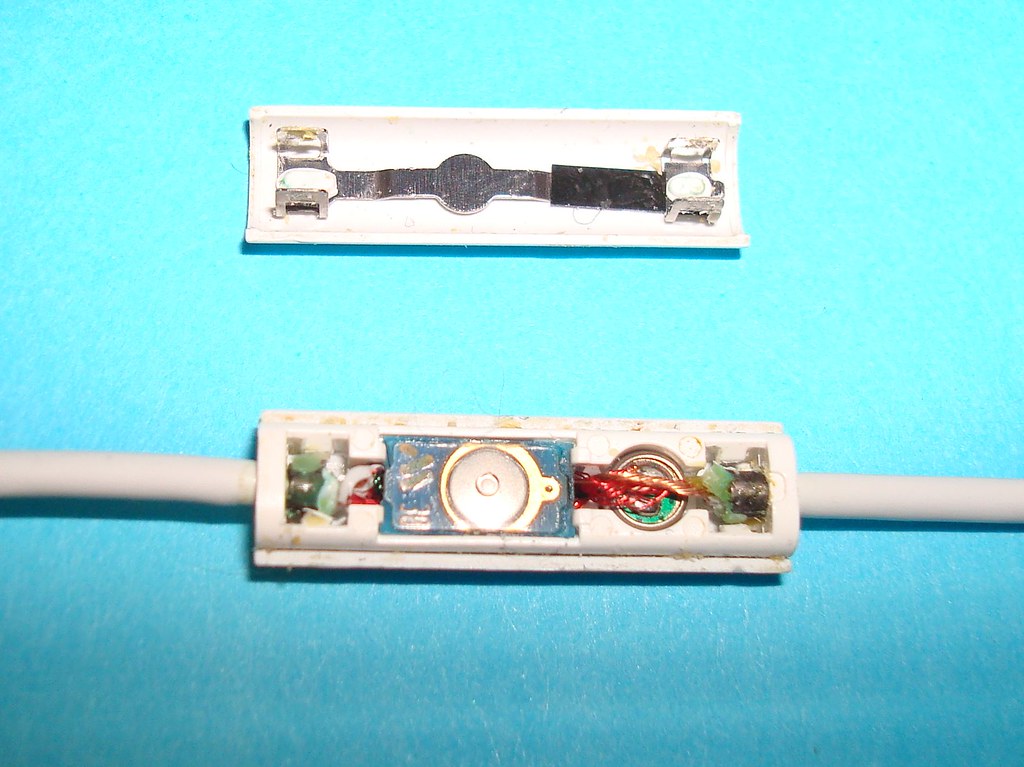
The ease of replacing degraded components, like the battery, determines product longevity. Earbuds with integrated and sealed batteries, like most true wireless models, have a limited lifespan due to cell degradation, unless the manufacturer offers an affordable replacement service. The lack of public information on spare parts availability and service cost creates opacity that users must consider when buying. Spare parts availability and the manufacturer's service policy are key indicators of long-term sustainability for a model.
Repairability criteria to verify
- Does the manufacturer offer battery replacement as an official service?
- What is the approximate cost of the battery service?
- Is water resistance maintained after repair?
- Are spare parts available 3-5 years after launch?
- Does the design allow battery access without specialized tools?
Documentary Matrix for Informed Purchase
To make an informed purchase decision, it is useful to separate verifiable data from inferences. The official technical sheet provides hard data on hardware specifications (chip, Bluetooth, water resistance, dimensions) and maximum declared battery life. However, it does not provide data on subjective sound quality, actual battery life in mixed use, or lithium cell lifespan. These aspects require independent tests or long-term user information, which are not always available at the time of purchase.
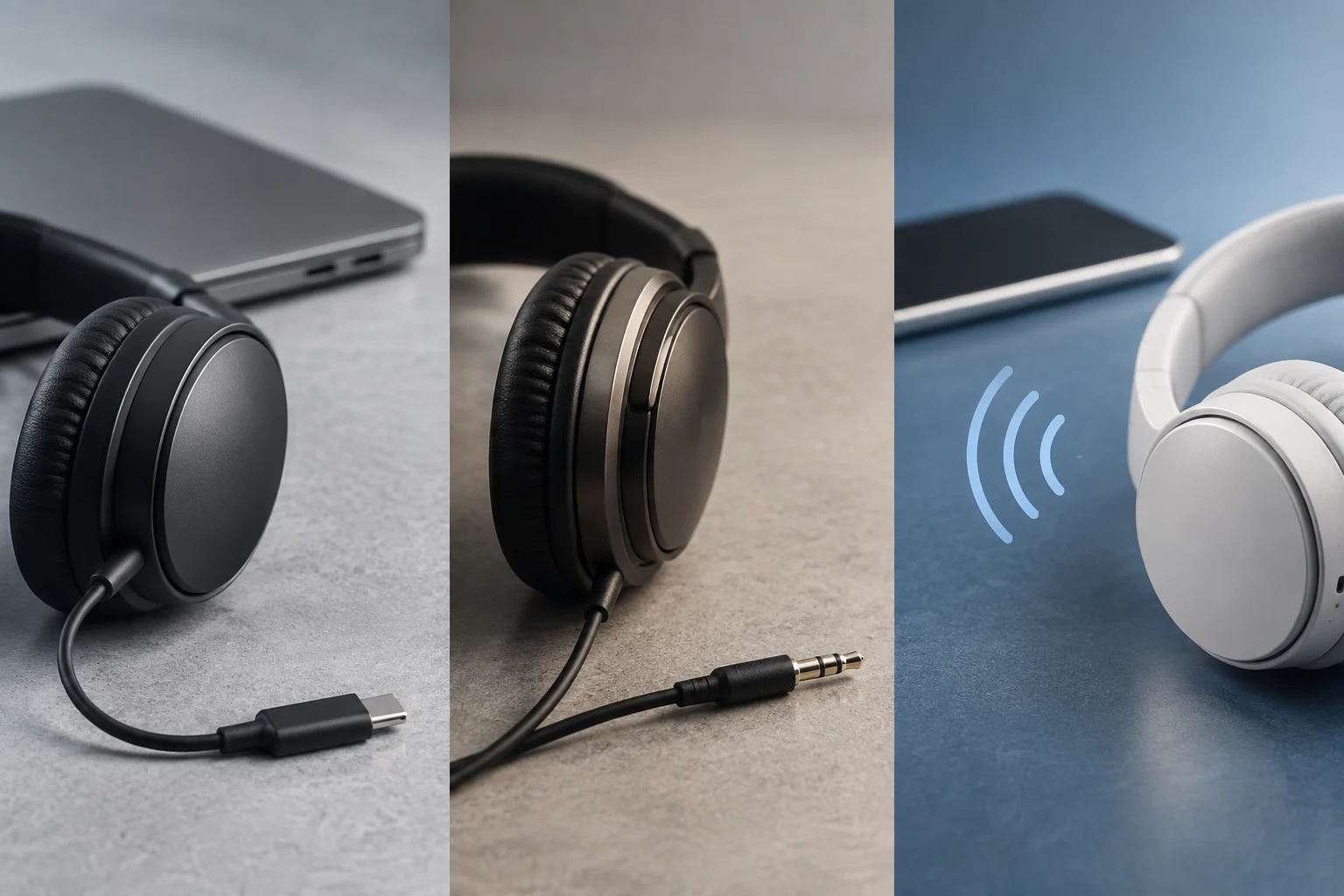
Compatibility with specific codecs must be verified by cross-referencing earbud specs with source device specs. For example, if an earbud supports LDAC but the phone only supports AAC, the audio experience will be limited by the more basic codec. Codec negotiation is an automatic process not always visible to the user, so the assumption that the highest quality codec will be used can be wrong. Long-term cost planning must include the probability of battery degradation and replacement cost, not just the initial purchase price.
Verifiable aspects in the official sheet
- Bluetooth version and audio chip.
- Maximum battery life with and without ANC.
- Water resistance (IPX4, IP57, etc.).
- Dimensions and weight.
- Hearing health features (if applicable).
Non-verifiable aspects in the official sheet
- Subjective sound quality.
- Actual battery life in daily use.
- Battery lifespan in cycles.
- Battery replacement cost.
- Long-term spare parts availability.