The Leap of AI to Physical Action
CES 2026 marked a turning point where artificial intelligence ceased to be an additional feature and became the operating engine of nearly all presented devices. Unlike previous editions, AI was not shown as a superimposed software layer, but as the core enabling robots and sensors to understand their environment and act in real time. This deep integration means processing capacity no longer resides in the cloud, but in the hardware itself, reducing latency and improving immediate response to physical stimuli.
This transition to physical AI was the fair's main thread, with systems combining sensory perception, continuous learning, and motor execution. Attendees watched machines move from following predefined instructions to becoming adaptive partners in work and home environments, solving complex problems without constant human intervention. The key to this advance lies in models' ability to interpret changing contexts and adjust behavior instantly, transforming human-machine interaction from a binary command to a fluid, reactive dialogue.
Robotics: From Demonstration to Utility
Robotics abandoned the script of choreographed demonstrations to show genuinely useful capabilities. Hyundai Motor Group presented its human-centered robotics strategy, focused on creating systems that safely and efficiently collaborate with people in shared spaces. This vision seeks to eliminate the barrier between industrial automation and personal assistance, prioritizing physical safety and predictability of robotic movements in unstructured environments where human presence is constant.
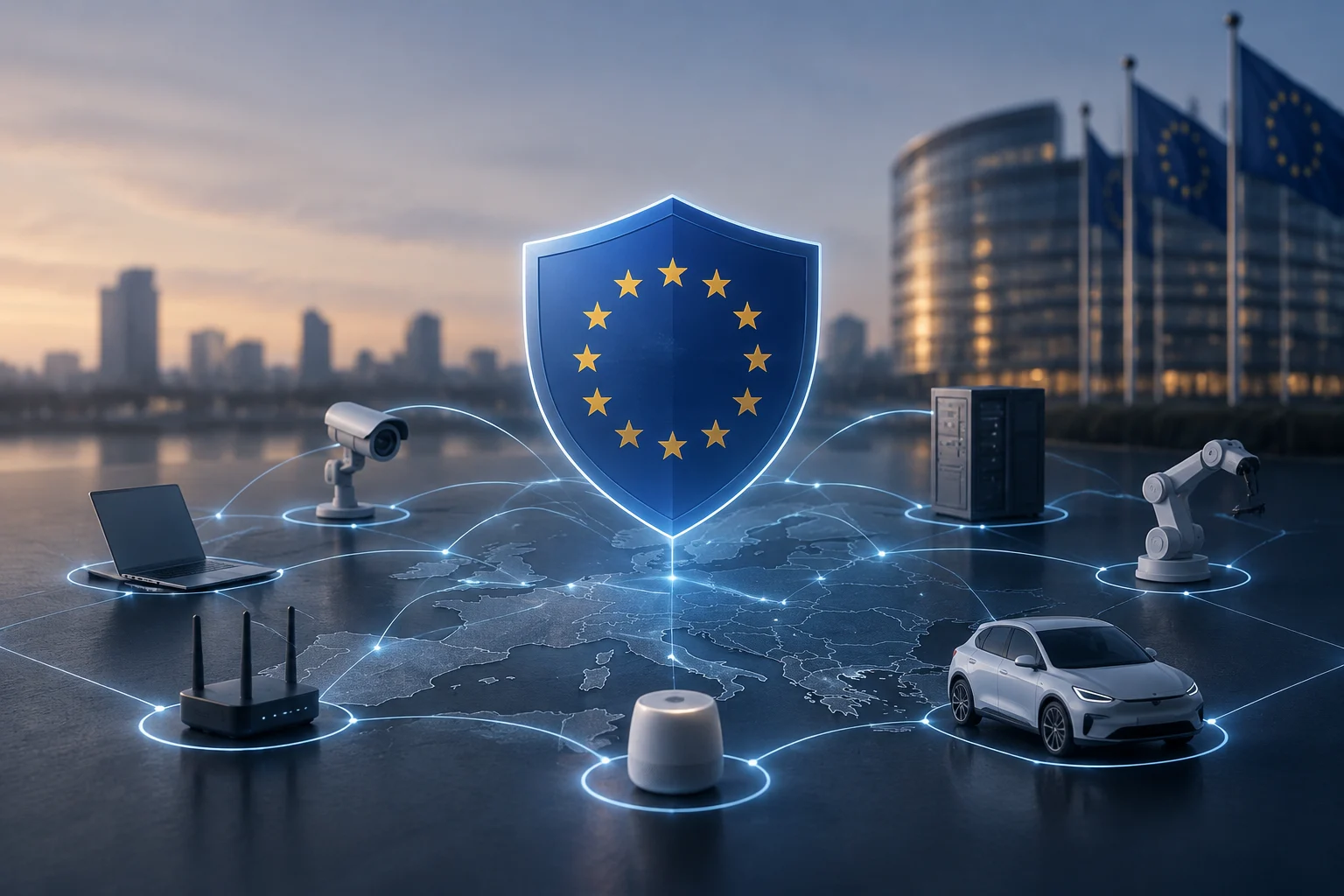
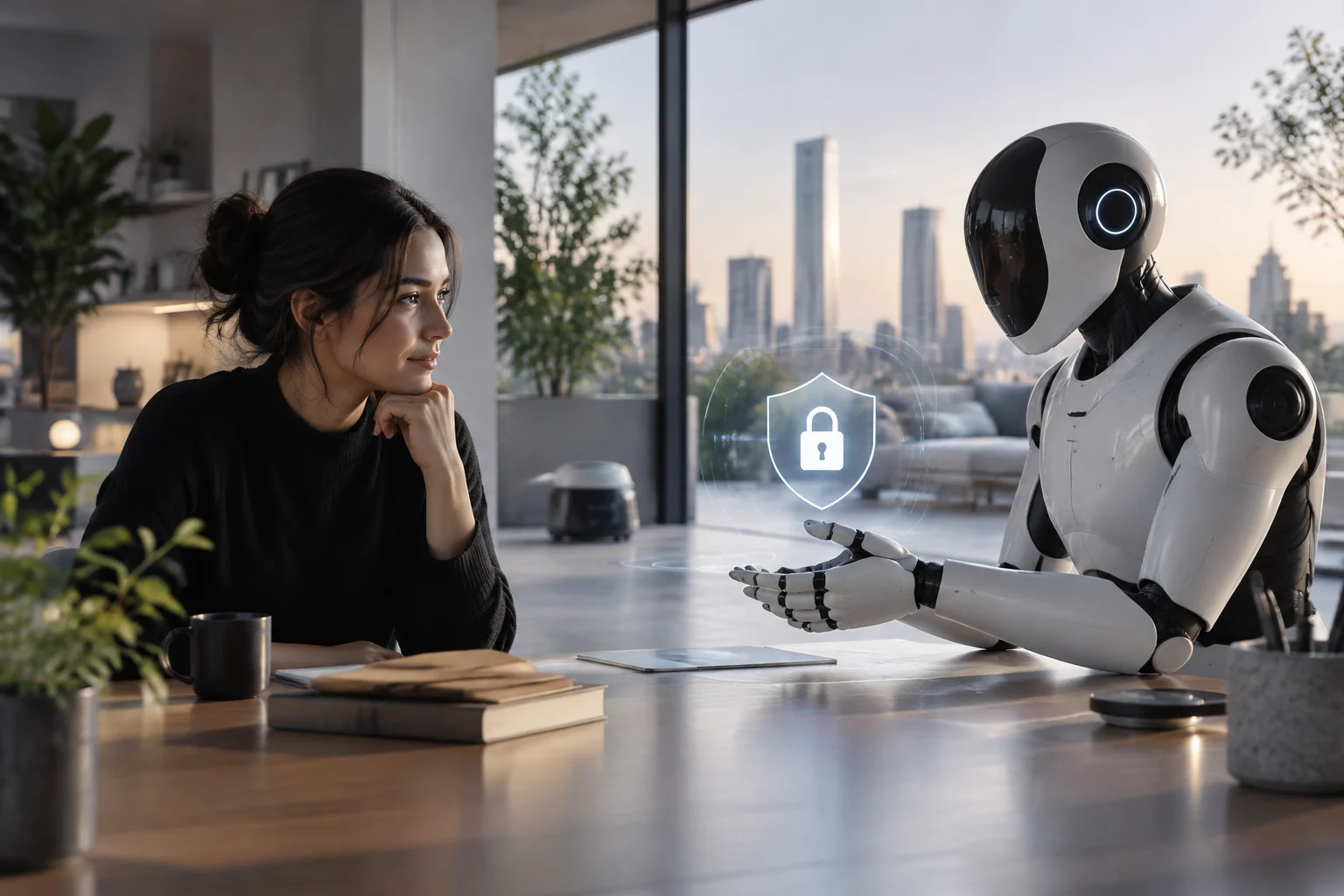
Companies like Alias Robotics highlighted the need to protect these systems, as a robot is a system of systems combining hardware, software, and networks in real time. The participation of startups backed by the European Innovation Council (EIC) underscored the importance of robotic cybersecurity as a prerequisite for the mass adoption of these technologies in the global industry. Without guarantees of integrity in data communication and actuator control, user trust is compromised, slowing implementation in critical sectors like logistics or healthcare.
Security and Privacy as Standard
Data protection became a key differentiator, not an option. LG Electronics received the CES Innovation Award for its webOS with LG Shield platform, which prioritizes user privacy in all interactions, from streaming to web browsing. The 'Re:New' update program guarantees security improvements for five years, establishing a new standard of longevity and trust in smart TVs. This proactive approach ensures vulnerabilities are continuously patched, protecting personal information even when the device is idle or connected to insecure home networks.
Samsung also addressed this issue in its technical forums, with panels dedicated to rethinking security and privacy in the AI era. The company emphasized the need for open ecosystems allowing cross-industry collaboration without compromising user data integrity, a critical challenge as devices become more interconnected and autonomous. The discussion revolved around balancing technical interoperability with data sovereignty, proposing architectures that allow sharing functionalities without exposing sensitive information to unauthorized third parties.
Wearables and Health: The Integrated Ecosystem
In health and sports, Amazfit presented an ecosystem-first vision where hardware, software, and data work in synergy through the Zepp App. The brand not only showed high-performance wearables but also concepts like the V1TAL Food Camera, which integrates nutritional analysis via photography with training and recovery metrics already tracked by its devices. This convergence allows a holistic view of performance, where caloric intake correlates directly with energy expenditure and sleep quality, offering a richer database for wellness optimization.
This approach demonstrates that the value of wearables no longer resides solely in sensor precision, but in the ability to contextualize data to offer actionable insights. Technology must support performance without interrupting daily life, a principle redefining how health brands connect with users in their daily routine. By reducing friction in information capture, devices become less intrusive and more useful, transforming health management from a manual task to an automatic and continuous process.
Scale and Scope of the Event
CES 2026 consolidated as the world's most influential tech event, with over 148,000 attendees and 4,100 exhibitors, including approximately 1,200 startups. The presence of more than 55% senior-level attendees reinforces the fair's role as a meeting point for strategic decision-making in the global tech industry. This high concentration of decision-makers facilitates alliance formation and long-term contract negotiation, turning the event into an economic catalyst for the sector.
With over 2.6 million square feet of exhibition space and participation from more than 60% of Fortune 500 companies, the event demonstrated that innovation is no longer theoretical, but a practical application reshaping entire sectors. The density of content and quality of presentations confirm CES remains the primary testing ground for technologies defining the next decade. The event's scale allows rapid concept validation, where immediate feedback from users and experts accelerates the development and commercialization cycle of new solutions.