Official Announcement and Pre-order Opening
On June 16, 2026, Snap officially unveiled the SPECS at the Augmented World Expo (AWE) in Long Beach, California. This event marked the start of pre-orders for a device the company describes as the result of over a decade of augmented reality research. The firm has invested more than $3 billion in R&D to develop this technology, positioning itself as a direct competitor to giants like Apple, Meta, and Google.
Pre-orders opened simultaneously with the announcement, allowing consumers to reserve the device before general availability. According to official information, shipments are scheduled to begin in fall 2026, specifically September 16 according to some secondary sources, although the official website indicates a broader 'fall 2026' range. This distinction is crucial for buyers expecting to receive the product on a specific date.
Verified Technical Specifications
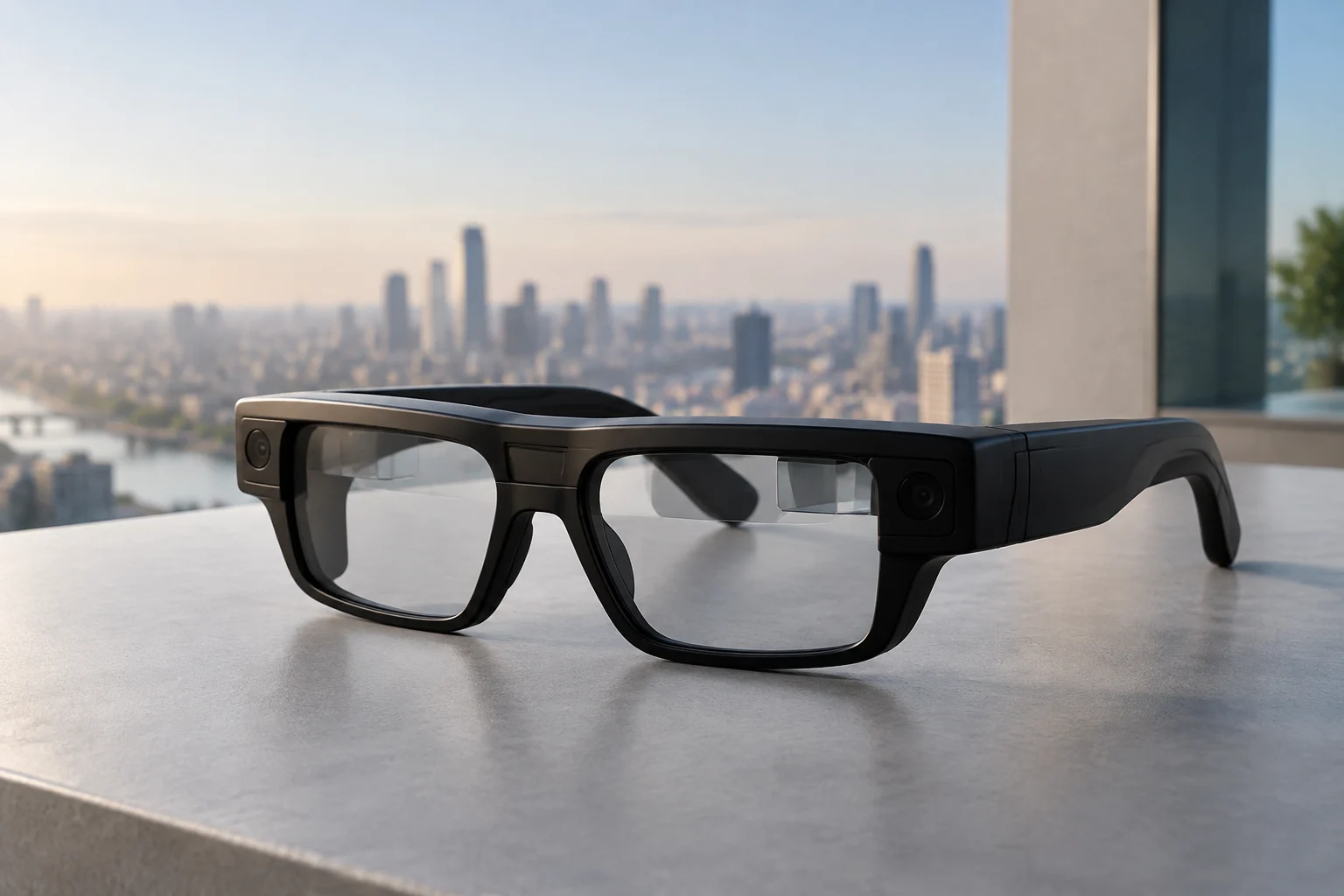
The SPECS stand out for their design focused on comfort and daily functionality. The device features a transparent waveguide display offering 16 million colors and a 51-degree field of view, allowing users to keep the real world in focus while interacting with digital elements. Weight is a determining factor for prolonged use: the Narrow Fit (47mm) version weighs 132 grams, while the Wide Fit (52mm) reaches 136 grams.
In terms of performance, the glasses integrate dual Snapdragon processors optimized for real-time world understanding and hand tracking, all with a focus on energy efficiency. Connectivity is flexible, offering a base option with Wi-Fi and a premium variant that includes a charging case with 5G capability to maintain cellular connection. Additionally, electrochromic lenses adapt their tint in 10 seconds, adjusting to ambient light when moving from indoors to outdoors.
Launch Price and Comparison
The launch price of the Snap SPECS is $2,195 in the US, a figure that has generated debate in the market. In Europe, the price starts at €2,295, according to the official store. This cost is significantly higher than other current smart glasses, such as the Meta Ray-Ban, which are positioned in a more accessible segment focused on audio and cameras, without a full augmented reality display.
To put this price in perspective, it is useful to compare it with the previous generation of Snap devices. The Spectacles 4 (Dev Kit), launched in 2024, had a rental model of $99 per month and a weight of 226 grams, with a much smaller field of view (26.3 degrees). The SPECS represent a qualitative leap in processing and visualization capabilities, partially justifying the price increase, although it remains a considerable investment for the average consumer.
Availability and Launch Regions
Initial availability of the SPECS is limited to three markets: United States, United Kingdom, and France. This gradual launch strategy allows Snap to manage the supply chain and collect initial feedback before expanding to other countries. Users in these regions can make pre-orders through Snap's official store, with payment options including credit cards, Apple Pay, Google Pay, and financing through Klarna in selected markets.
It is important to note that prescription optical lenses are managed separately. Snap collaborates with a certified third party to create custom lenses for single-vision prescriptions ranging from -8 to +2 diopters. These lenses are shipped separately, which may imply an additional waiting time for users who need visual correction.
Ecosystem Limitations and Expectations
Despite their technical capabilities, the SPECS have clear limitations. The battery is designed for real usage sessions, but not for all-day use; Snap's CEO, Evan Spiegel, has described the device as 'session-based', similar to reading glasses that are put on to complete a task. This contrasts with the expectation of some users to use them as continuous-use glasses.
The market has reacted in a mixed way. Following the announcement, Snap's stock fell 17% in two sessions, reflecting investor caution regarding the high cost and uncertainty about mass demand. However, analysts like B. Riley have pointed to the value of the patents and the medium-term potential of the device as a complement to Snap's social platform. The key to success will be Snap's ability to reduce costs and improve lightness in future iterations.