From Prototypes to a Consumer Offer
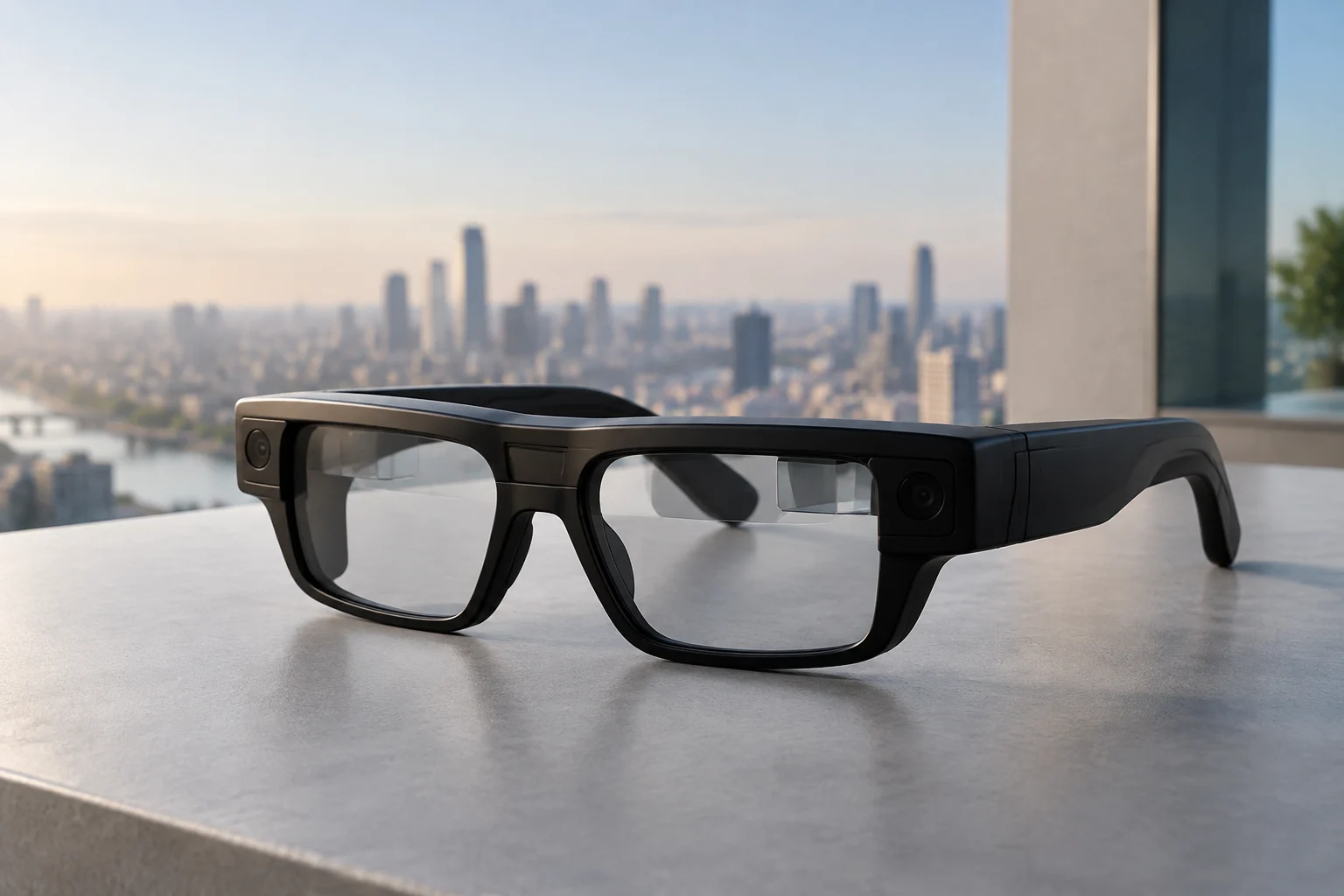
Snap has introduced Specs, standalone augmented reality glasses that the company positions as a computer integrated into a transparent lens frame. This proposal marks a shift from previous Spectacles models, but it is important to distinguish the announcement and the opening of pre-orders from the actual delivery of the product: available information places shipments in autumn 2026, without confirming a specific arrival date for buyers.
The public announcement of this version arrived on June 16, 2026. Snap describes Specs as an independent device, while its 2025 statement already anticipated a line of augmented reality glasses for 2026 and listed uses such as AI assistance, gaming, and shared experiences. The evolution is clear in positioning: from glasses associated with social capture and developer prototypes to a wearable computer aimed at the general public. This does not, by itself, prove that the category is ready for widespread use.
Standalone Design and Two Sizes
The most notable practical feature is that Specs operates without a connection cable or an external puck-type module, according to published launch information. This autonomy distinguishes the proposal from configurations that separate the glasses from part of the computing system, although it does not eliminate common questions about battery life, temperature, or sustained performance: the materials consulted do not offer sufficient data to evaluate them.
Snap offers two frame sizes. The 47 mm size weighs 132 grams; the 52 mm size weighs 136 grams, according to the official product page. The weight difference is small, but choosing a size also depends on fit, not just the number. Snap indicates that it includes interchangeable nose pads and recommends using its virtual fit test on a compatible iPhone before ordering the glasses. The page mentions iPhone XS or later as a requirement for that function.
Display, Audio, and Controls
Snap announces a 51-degree field of view through a transparent waveguide. The company compares it to a 115-inch cinema screen viewed from about ten feet; it is a promotional equivalence that helps imagine the scale, not a direct measure of the experience under all conditions. The figure that allows for clearer comparison is the field of view, although by itself it does not inform about sharpness, outdoor brightness, or visual comfort.
The product incorporates open-ear stereo speakers and six high signal-to-noise ratio MEMS microphones, integrated into the temples, according to Snap's spec sheet. The same page highlights the TR90 material and the weights of both sizes. In contrast, verified sources do not provide a complete sheet on resolution, battery life, or water resistance; these data should not be assumed from the commercial description.
Interaction and Content
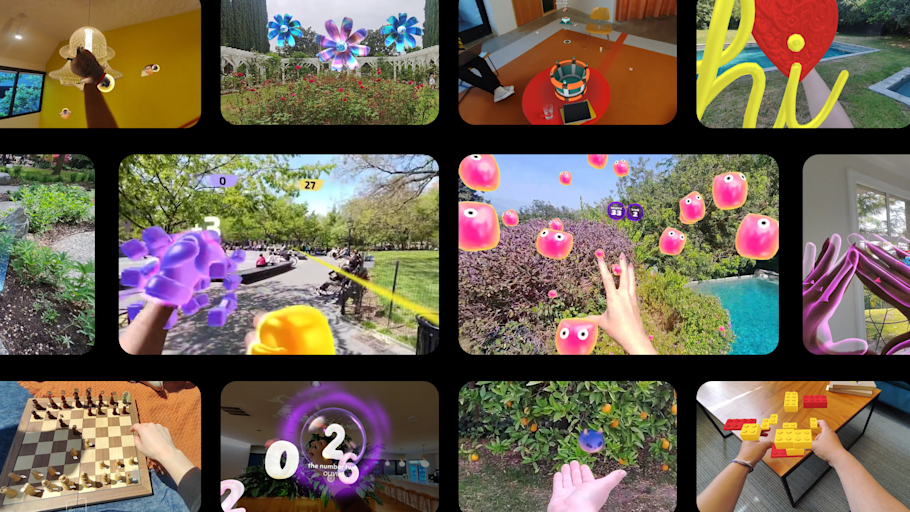
Available information on the Spectacles family describes Snap OS with hand-tracking and voice control, and an ecosystem of experiences called Lenses. As a technical reference, that description is not enough to confirm that each function is present in the consumer version with identical scope. The Specs page does show examples of navigation, entertainment, and collaboration tools, but a highlighted experience does not equate to a complete list of available applications.
Snapdragon XR and the Role of Software
Snap and Qualcomm announced a multi-year strategic collaboration linked to Snap's consumer augmented reality glasses and the Snapdragon XR platform. This partnership supports the general description of the computing platform, but the sources consulted do not precisely identify the processor model used in these Specs nor publish all its parameters. It is incorrect to infer a specific chip from the Snapdragon XR family name.
Software is as important as hardware: the utility of the device will depend on applications, compatible services, and how experiences are developed. The Snap platform allows creating Lenses, but the available documentation does not by itself credit each advanced function cited in the previous draft, such as real-time multi-user compatibility, physics, or multi-scene support in this launch. Therefore, it is more useful to separate the capabilities described for the ecosystem from the features confirmed for the commercial product.
Price and Availability: Confirmed and Pending
The announced price is $2,195. Pre-orders opened with a refundable deposit of $200, and Snap indicated that it expects to start shipments in autumn 2026 in the United States, United Kingdom, and France. The exact delivery date is not specified in verified information; there is also no basis to present Specs as available in stores or already delivered to customers.
The dollar figure does not resolve the final cost in other markets: taxes, currency conversion, shipping costs, and local availability can change the expenditure. The initial offer is also geographically limited. For those evaluating the purchase, it is prudent to treat the price and regions as announced conditions, and check the order page to know current deposits, terms, and dates before committing. No official price for Spain or a launch date in that market has been verified.
An Expensive Bet with Unclear Demand
At $2,195, Specs sits in a high price range for consumer glasses. Financial coverage following the announcement collected analyst doubts about demand and the possible reach of the product. These opinions are valuations, not sales results: they do not allow concluding how many units will be sold nor determine if the price will hinder its adoption.
It is also necessary to separate the stock market reaction from the evaluation of the device. One report informed of a drop in Snap's stock during two sessions after the launch, but the movement of a stock does not directly measure the quality of the hardware or the interest of buyers. For now, the verifiable conclusion is more limited: Snap has presented a standalone AR offer with defined price and launch markets, while the exact delivery date, several technical specifications, and real demand remain to be checked.