The announcement: a list that sets the investment agenda
Gartner presented its report Top 10 Strategic Technology Trends for 2026 during the IT Symposium/Xpo held in Orlando, Florida, in October 2025. The document, led by analysts Gene Álvarez and Tori Paulman, is not positioned as a consumer prediction but as a guide for Chief Information Officers (CIOs) to prioritize investments and allocate resources for the next five years. The consultancy emphasizes that these trends are "closely intertwined" and reflect the reality of a hyperconnected world where artificial intelligence is the main engine of transformation.
Unlike lists of gadgets or hardware, this report targets enterprise transformation. According to Tori Paulman, these trends are not just technological changes but "catalysts for enterprise transformation". The goal is to help organizations navigate disruption, innovation, and risk expanding at an unprecedented speed, demanding responsible innovation and operational excellence.
The three strategic axes: Architecture, Synthesis, and Sentinel
To structure the ten trends, Gartner groups them into three conceptual categories that define the role of technology in the enterprise. The first axis is The Architect, focusing on the infrastructure and platforms necessary to scale AI resiliently. This includes AI supercomputing, AI-native development platforms, and confidential computing. The idea is to build solid foundations that support complex workloads and guarantee data security even during processing.
The second axis is The Synthesizer, dedicated to the orchestration of intelligent systems. This group covers multi-agent systems, domain-specific language models (DSLM), and physical AI. The premise is that competitive advantage no longer lies in having a generic model, but in the ability to orchestrate agents that plan and execute specific tasks with defined tools and permissions. Finally, The Sentinel (or Vanguard) deals with value protection, including preventive cybersecurity, digital provenance, and geopatriation, which responds to regulatory and geopolitical pressures on data location.
Breakdown of the ten key trends
The complete list includes technologies ranging from specialized hardware to data governance policies. Below are the central points of the report:
- AI Supercomputing Platforms: Integration of CPU, GPU, ASIC, and neuromorphic paradigms to coordinate massive workloads.
- AI-Native Development Platforms: Software is written with AI as the main substrate, reducing manual code and accelerating iteration.
- Confidential Computing: Protection of data in use, essential for sensitive AI workloads.
- Multi-Agent Systems: Coordination of multiple AI agents for complex tasks, overcoming the limitation of individual copilots.
- Domain-Specific Language Models (DSLM): Specialized models offering greater precision in vertical sectors than generic models.
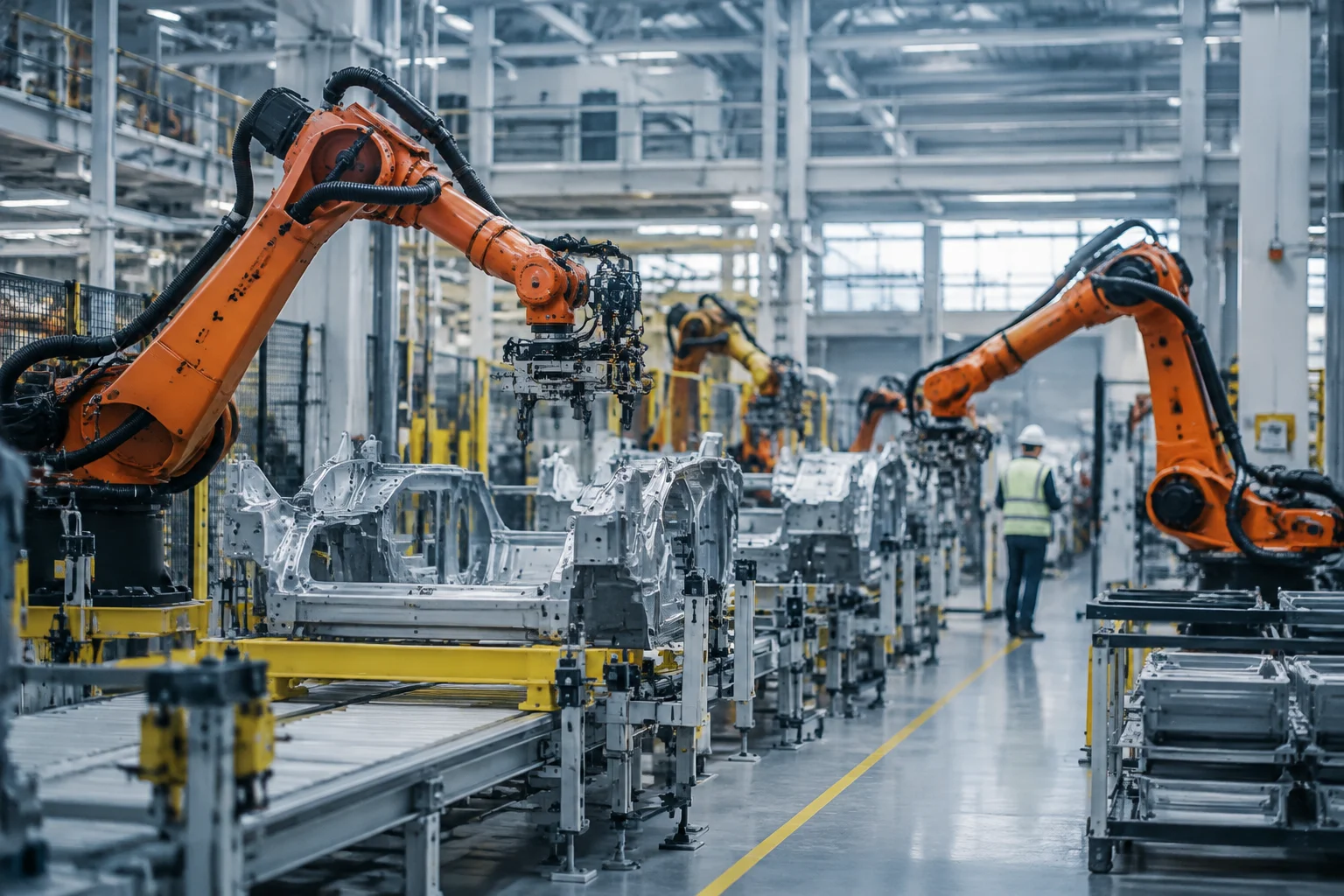
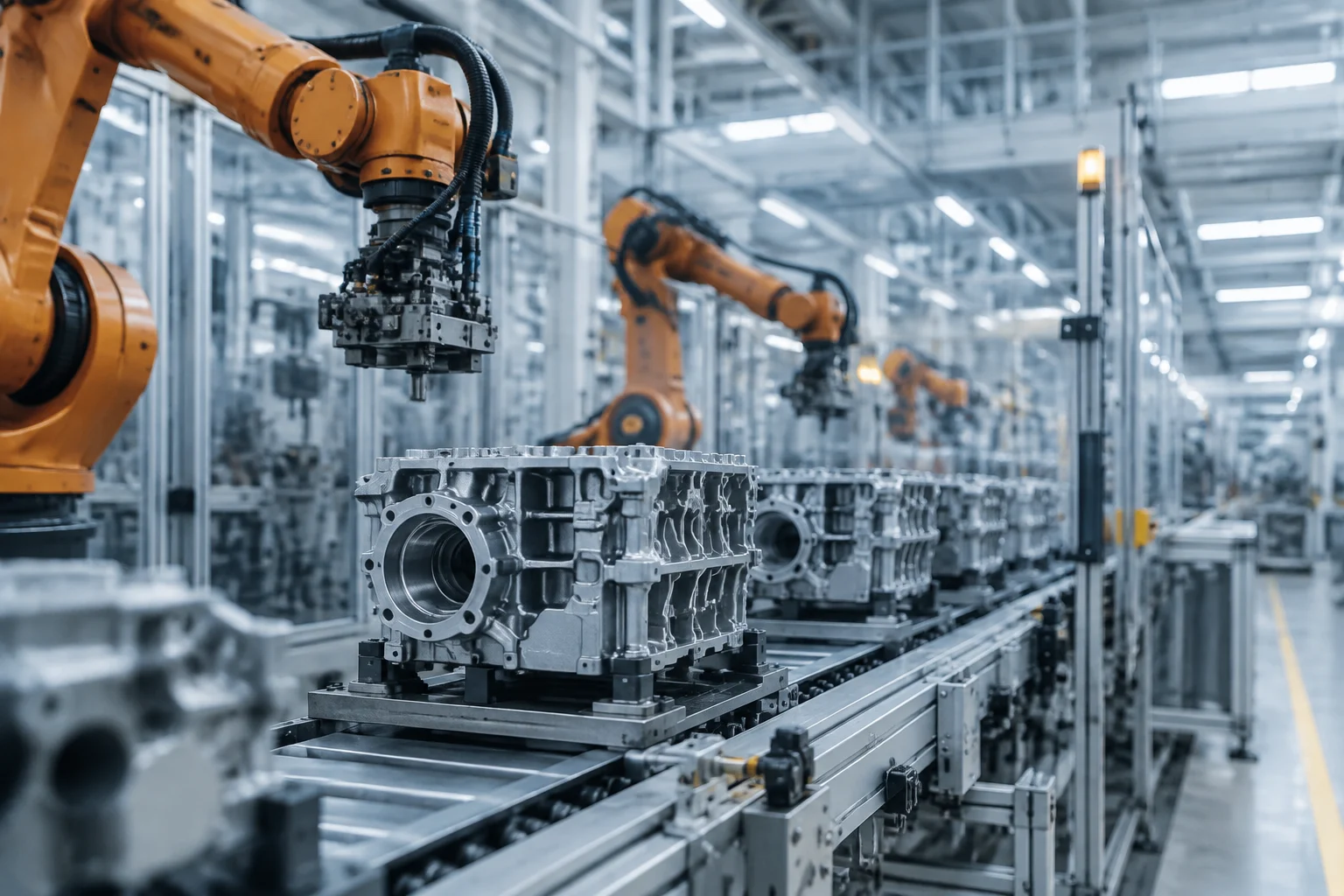
- Physical AI: Application of AI in the physical world, such as robots and autonomous vehicles.
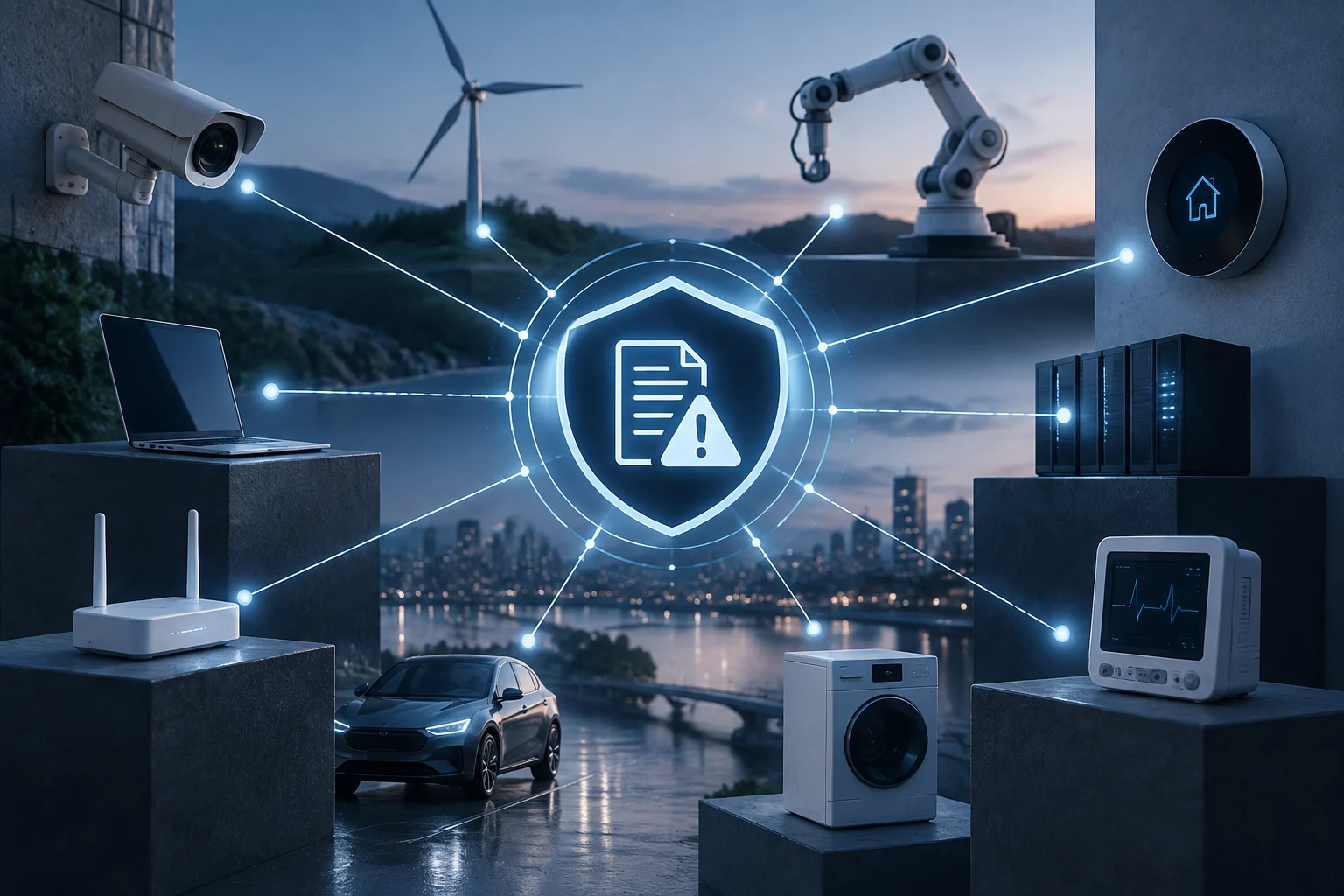
- Preventive Cybersecurity: Anticipation of threats through proactive analysis rather than reactivity.
- Digital Provenance: Traceability and authenticity of AI-generated data and content.
- AI Security Platforms: Specific tools to audit and control the behavior of AI models.
- Geopatriation: Strategy for locating data and workloads according to jurisdictions to comply with local regulations.
Contrast with CES 2026: strategy versus product
It is fundamental to distinguish between Gartner's strategic trends and the novelties presented at CES 2026. While CES in Las Vegas focused on product innovation and consumer hardware (domestic robots, advanced wearables, and foldable screens), Gartner's report focuses on enterprise transformation and infrastructure. CES shows what the consumer can buy tomorrow; Gartner indicates what the enterprise must build or buy to operate competitively in five years.
However, there are points of convergence. "Agentic AI" was one of the central trends of CES 2026, with advertising agencies and media groups presenting platforms that automate workflows. This validates Gartner's trend on multi-agent systems, but from a perspective of immediate application in marketing and operations, rather than the long-term architecture promoted by the consultancy. The difference lies in the time horizon and objective: CES seeks market adoption, Gartner seeks operational resilience.
Implications for businesses: the hour of truth for AI
For executives, the central message of 2026 is that the dominant question is no longer "what can AI do?" but "what can we operate reliably, measurably, and securely?". The novelty of the model has given way to operational capability. This implies that companies must invest in platforms, contextual data, security, observability, and cost control. The adoption of AI agents is advanced in pilots, but operation at scale remains a challenge, with a significant gap between experimentation and production.
AI governance becomes the new battleground. Scaling without losing control introduces tensions in operational costs, vendor dependency, and exposure of sensitive data. Organizations that integrate governance, security, and strategic vision into their architecture will have a sustainable competitive advantage. It is not just about adopting technology, but governing it to protect enterprise value in an environment of increasing risk.
Conclusion: aligning long-term strategy
Gartner's 2026 report serves as a compass to navigate current technological complexity. The key is not in chasing every market novelty, but in aligning technology strategy with trends that define resilience and efficiency in the medium term. Companies that prioritize supercomputing infrastructure, agent orchestration, and preventive security will be better positioned to leverage AI as a defining factor of competitiveness.
In summary, 2026 is the year of AI operability. Technology stops being an optional enabler to become the central operational logic of the enterprise. Technology leaders must use this list not as a prediction of the future, but as a signal for budget and prioritization to ensure that their technology investments generate sustainable value and protect the organization's most valuable asset: digital trust.