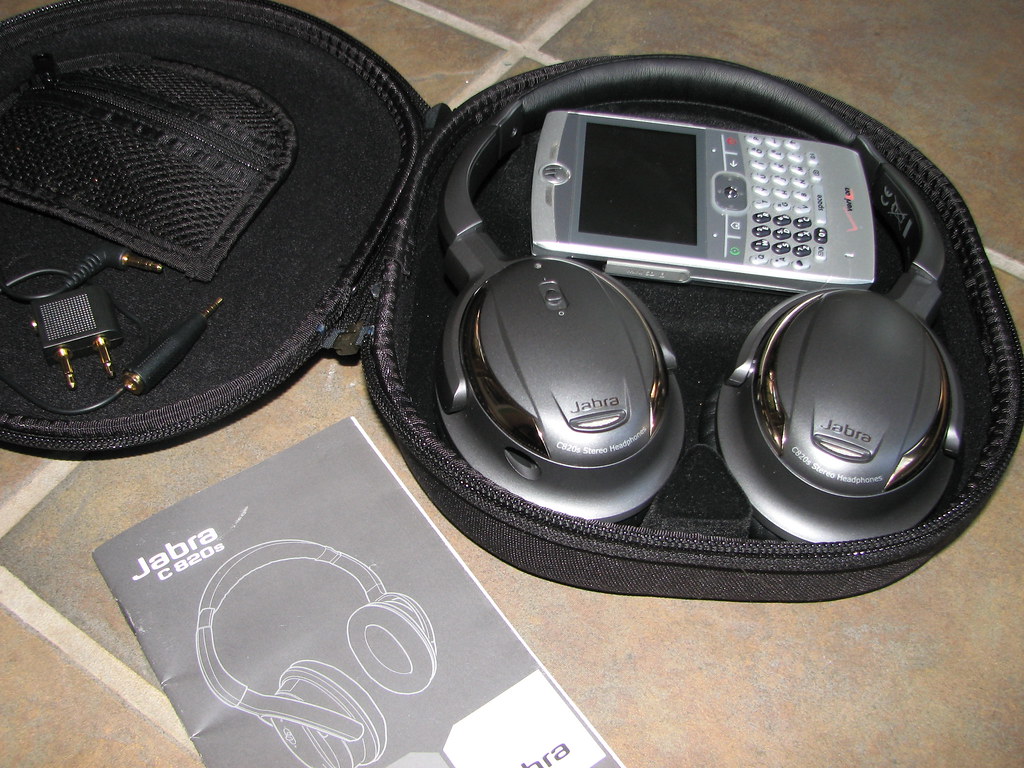
ANC alone no longer describes a pair of headphones
Active noise cancellation, usually abbreviated to ANC, often features prominently when people choose wireless headphones. But the label alone cannot tell you how much noise a particular model will reduce in a given situation, or whether it will be comfortable to wear for hours. The experience also depends on passive isolation, fit and the available controls.
A guide published by Xataka in October 2026 presents ANC as one feature among several in advanced headphones. That is a more useful way to think about it than treating cancellation as a promise of silence: the abbreviation names a function, not a universal performance measurement. The sources gathered here do not provide standardized tests that would allow models or brands to be ranked by effectiveness.
How ANC tries to reduce noise
ANC combines microphones and audio processing to create a signal that counteracts some of the surrounding sound. In its general explanation, Bang & Olufsen describes active cancellation as a feature that uses the headphones’ speakers to reduce unwanted background sounds. The underlying physical idea is wave interference; in practice, the outcome depends on the headphone system and listening conditions.
This mechanism should not be confused with passive isolation. The ear cushions on over-ear headphones or the tips on in-ear models physically block some sound; ANC adds electronic processing. Both approaches can work at the same time, but a poor fit in the ear or a gap around an ear cushion can limit overall isolation. The available information does not establish a noise-reduction figure that applies to every device.
Sound type and fit matter
Manufacturer and retailer guides often point out that noise cancellation is especially useful for continuous sounds, such as engines or ventilation systems. This is a general explanation, not a promise that every noise will disappear. Voices, sudden sounds and rapidly changing environments present different conditions, and effectiveness can vary from one product to another.
For in-ear headphones, tip size and the seal affect both passive isolation and how ANC is perceived. On over-ear models, the contact between the ear cushions and the head, as well as headband pressure, matters. Before choosing, it is worth checking whether the manufacturer offers several sizes, different cancellation modes and a transparency option for hearing the surroundings again. Comfort and fit are personal: a specification sheet is no substitute for trying a product when possible.
ANC, ambient mode and open-ear headphones
Active cancellation is not the only way headphones can handle outside noise. Some models have an ambient or transparency mode that lets in environmental sounds through microphones and processing. This can be useful when you need to retain some awareness of your surroundings, although it is not the same as listening without headphones, and its performance also depends on the design.
Open-ear headphones follow a different priority: they allow users to maintain more auditory contact with their surroundings because they do not seal the ear canal in the way many in-ear models do. A Shokz guide contrasts this category with ANC models, but, because it comes from a manufacturer, it should be read as commercial information rather than an independent comparison. The choice depends on how you plan to use them: reducing distractions is not the same as staying aware of the sounds around you.
What to compare before buying
Comparisons published in 2026 by media outlets and retailers feature manufacturers such as Bose, Beats and Sony, but the available sources do not establish a shared test with directly comparable results. It is therefore not responsible to claim that one brand is best in general. Fit, form factor, budget and the features of the exact model matter more than a ranking with no visible methodology.
A short checklist can help separate actual needs from product marketing:
- Form factor and fit: over-ear or in-ear, comfort and choice of ear tips.
- Listening controls: adjustable ANC, ambient mode and the option to turn cancellation off.
- Everyday use: calls, commuting, work or exercise; check the relevant features in the specifications for the exact model.
- Battery life and upkeep: consult the manufacturer’s information and check whether replacement parts or accessories are available, where applicable.
No battery-life figures, prices or model rankings are included because the cited sources do not offer a consistent, verified basis for comparing them.
Health, safety and what we do not know
A commercial or editorial claim about ANC is not enough to conclude that headphones protect hearing, or to say that the technology is harmless in every circumstance. Cancellation reduces some perceived sounds, but it should not be treated as certified hearing protection. In environments with potentially hazardous noise, use appropriate protection and follow relevant safety guidance; do not assume consumer headphones can replace those measures.
The main limitation of this review is methodological: the sources provided are commercial guides, brand pages and editorial coverage, not an independent study that measures a representative selection of products under the same conditions. The evidence can explain what ANC is and which factors are worth considering; it cannot support a quantified account of industry-wide trends in 2026 or identify a technical winner. An informed decision should involve checking the specifications for the exact model and, if possible, trying its fit.