RTX Spark is a platform, not a processor to upgrade any PC
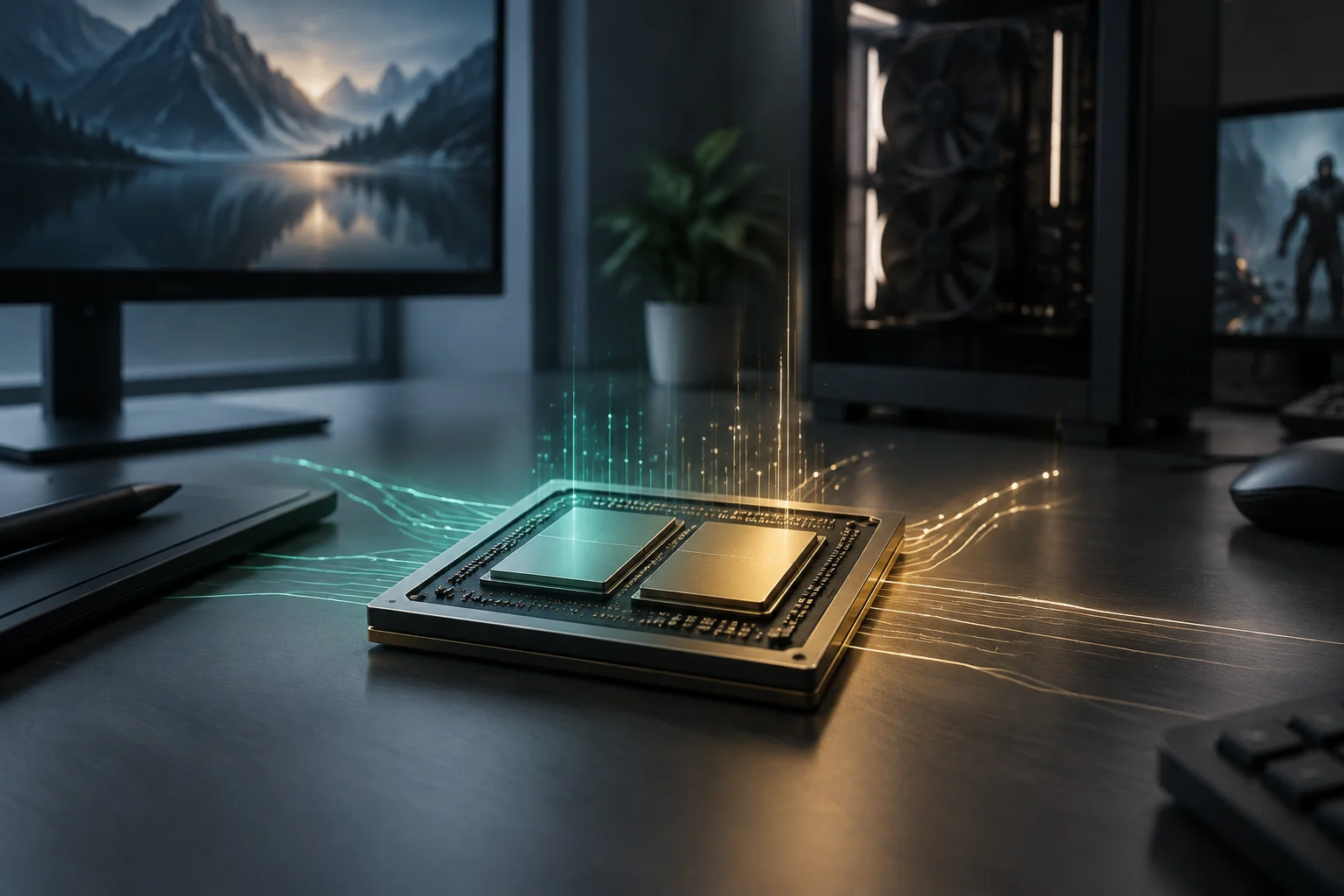
The name RTX Spark might lead one to think of a graphics card or a desktop processor bought separately. NVIDIA's documentation presents it as a platform for new Windows devices, in thin laptop and compact desktop formats, with a superchip combining CPU and GPU. It is not, according to published information, a component designed to be installed on a conventional motherboard.
At the center is the combination of an NVIDIA Grace CPU with up to 20 cores and a Blackwell RTX GPU with up to 6,144 graphics cores. NVIDIA also announces up to 128 GB of unified memory and up to one petaflop of FP4 AI performance. The repeated up to matters: they describe platform maximums, not a guarantee that every commercial configuration has identical memory or performance.
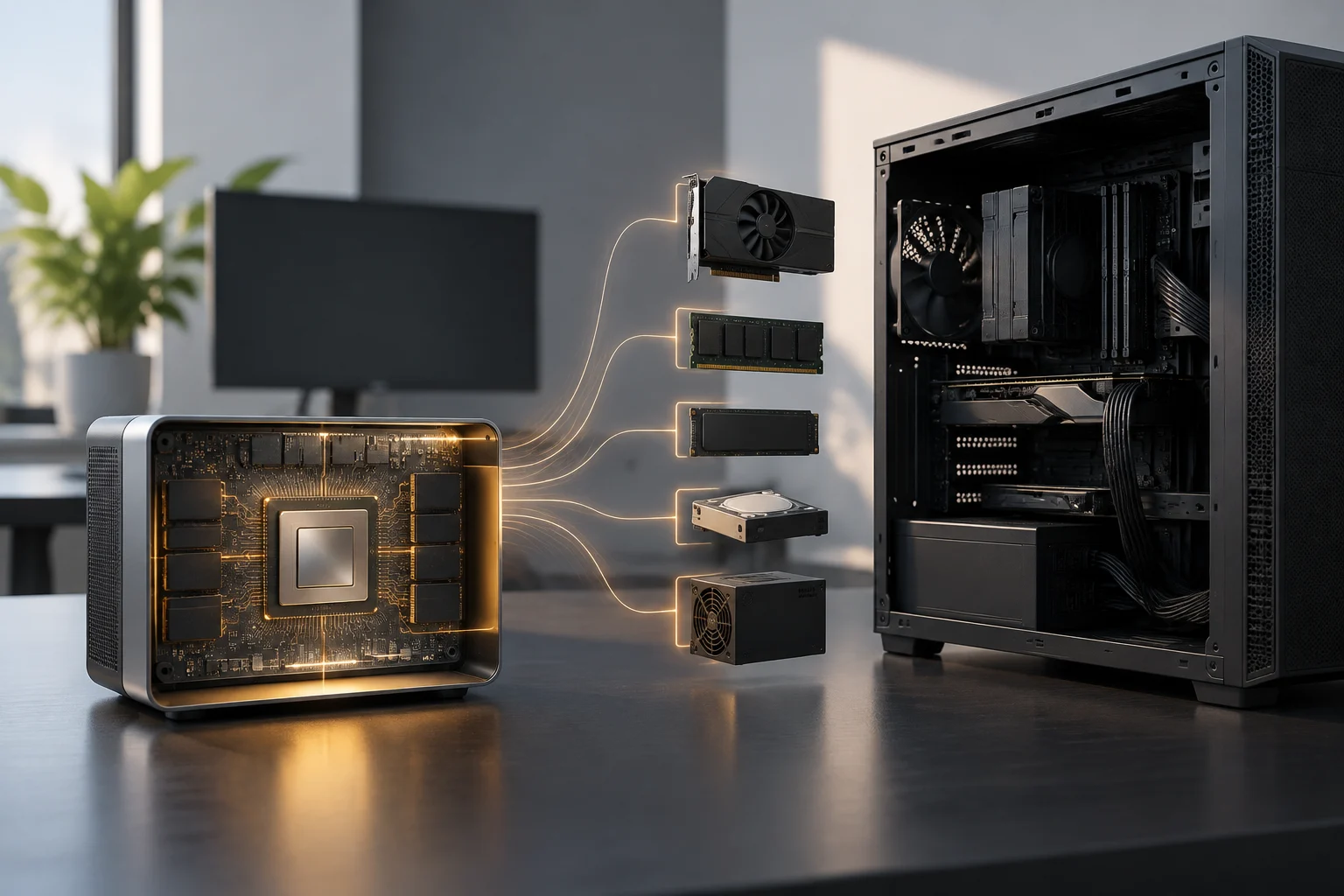
The practical difference from a modular desktop lies in the type of purchasing decision. In a traditional system, CPU, motherboard, memory, and graphics card are selected separately; in RTX Spark, the manufacturer integrates the set into a specific system. This can simplify building compact devices, but reduces the ability to choose or replace components individually. The consulted documentation does not identify a consumer RTX Spark module for installation on a standard motherboard.
Unified memory: shared capacity, not a figure equivalent to VRAM
The most striking figure for local AI is the unified memory, announced up to 128 GB. CPU and GPU can work with a shared memory space, avoiding treating graphics memory capacity as a completely separate component. This can facilitate running models or projects requiring high memory, although capacity alone does not determine inference speed or overall performance.
Unified memory should not be equated without nuance to 128 GB of VRAM on a discrete graphics card. Comparing platforms also requires data on bandwidth, sustained power consumption, cooling, behavior under prolonged load, and performance in specific applications. NVIDIA's sheet summarizes maximum capabilities but does not offer in the reference material an independent and homogeneous comparison against a PC with separate CPU and GPU.
NVIDIA and Microsoft link Spark with local AI workflows, agents, and creation. NVIDIA mentions, among other examples, language models of up to 120 billion parameters and 3D scenes over 90 GB. These are workloads the company claims to handle, not results from an independent evaluation available here; real performance will depend on configuration, software, and the model used.
CUDA and Windows on Arm: value also depends on software
NVIDIA indicates that CUDA runs natively on RTX Spark and presents access to the full CUDA and RTX ecosystem as part of the platform. For developers and users of compatible tools, this constitutes an important argument: the accelerator is not limited to graphics but can be used with parallel computing software and AI workloads from the NVIDIA environment.
However, hardware does not eliminate compatibility questions. RTX Spark is an Arm platform for Windows, so it is advisable to check if each necessary application has an adequate native version, if it relies on emulation, or if it has compatible add-ons and drivers. Compatibility is not deduced solely from the presence of Windows, and the collected information does not offer an exhaustive list of verified professional applications or their comparative behavior.
The collaboration announced by NVIDIA and Microsoft includes tools for AI agents and specific security measures, including NVIDIA OpenShell. The focus is on running tasks and models locally, although “local” does not automatically mean private or secure: the user must review permissions, accessible data, and external services used by each agent. The commercial description of the ecosystem does not replace a technical evaluation of each application.
Against a conventional desktop: potential advantages and trade-offs
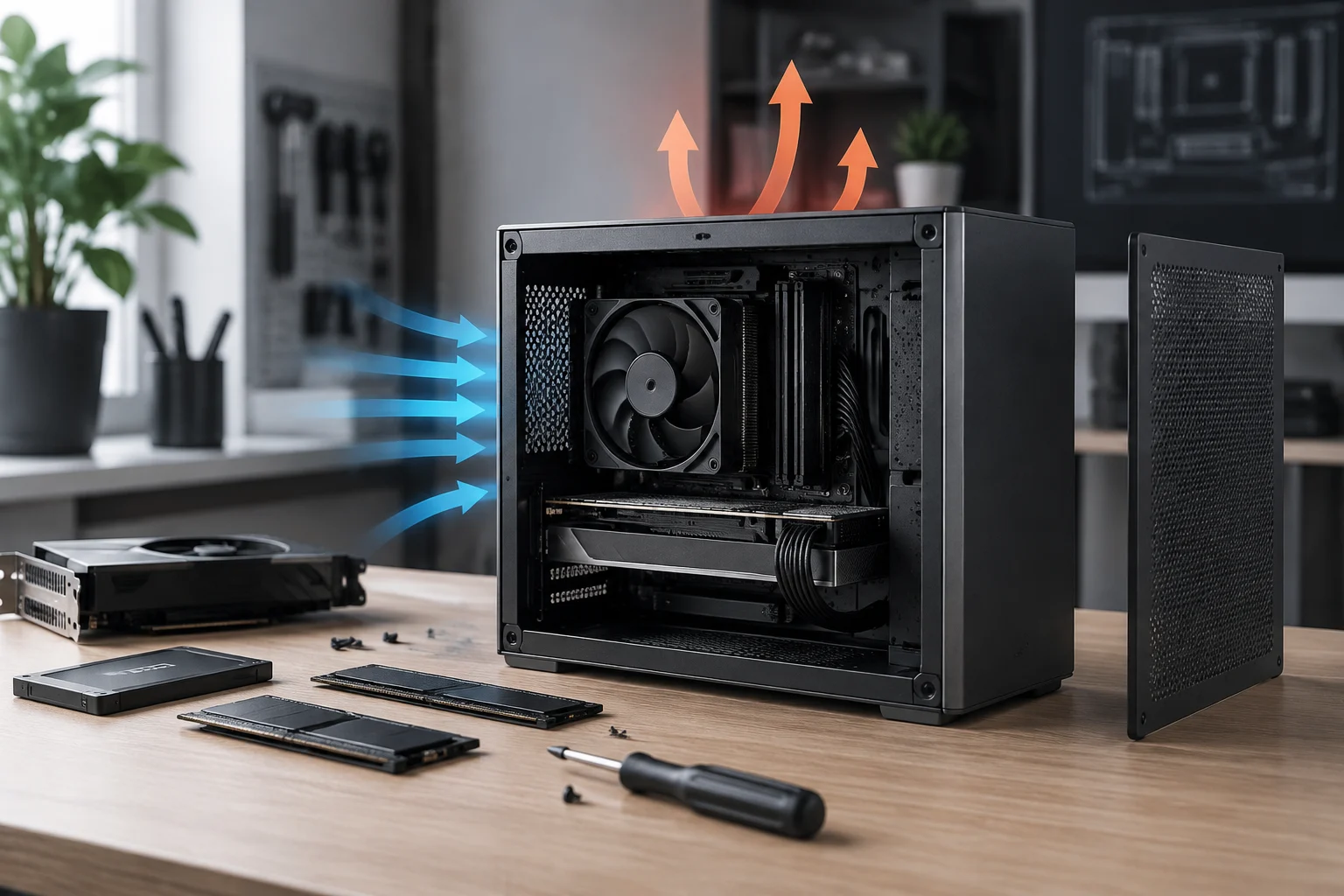
The useful comparison is not deciding if a superchip is always better than a tower, but identifying what is prioritized. RTX Spark concentrates components and memory in compact designs; a conventional tower allows combining parts from different brands and, generally, planning replacements or upgrades by component. Integration and modularity are distinct advantages, and the choice depends on the workflow and update horizon.
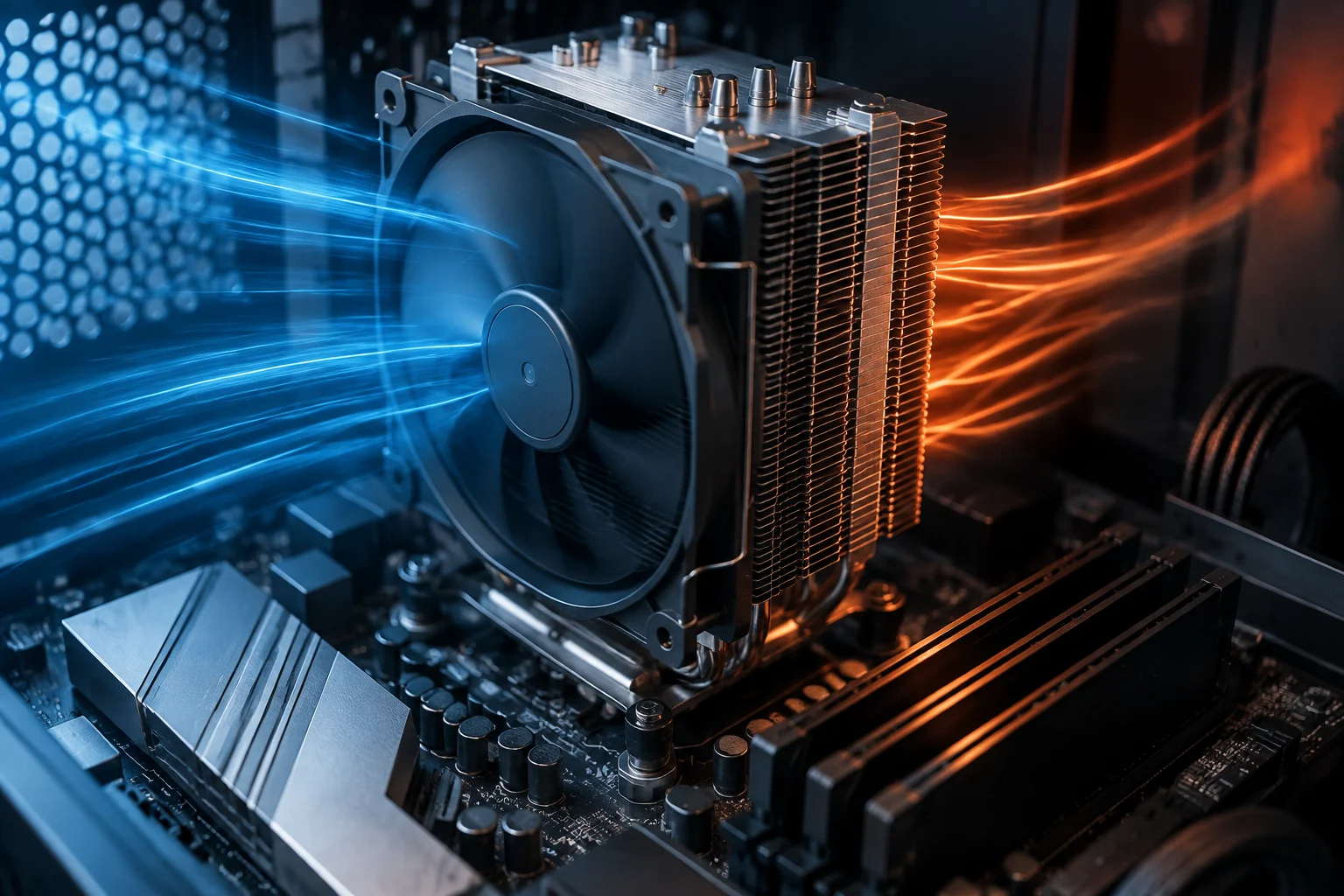
For local AI, the large shared memory capacity can be attractive if the model or data does not fit comfortably in the memory of a standard GPU. For editing, rendering, or gaming, promotional figures are not enough to ensure superiority: tests of specific applications, power consumption, noise, temperature, and sustained performance are needed. Available sources do not provide an independent comparison allowing the assertion that RTX Spark surpasses a specific desktop configuration.
NVIDIA also promotes technologies like DLSS and ray tracing in the RTX ecosystem. This indicates the platform aims to cover gaming in addition to AI and creation, but it does not allow concluding by itself that all titles will function the same as on an x86 PC with a discrete graphics card. The compatibility of each game and its performance must be verified by model, especially on a Windows on Arm platform.
What is announced and what to check before buying
NVIDIA's information places the launch of compact RTX Spark desktops in autumn 2026 and mentions manufacturers like ASUS, Dell, HP, Lenovo, Microsoft, and MSI, with others planned later. Microsoft, for its part, presents laptop models with pre-order. This does not confirm that each desktop is available in every market or in a specific configuration; availability, date, and price must be checked on the official manufacturer or local distributor page.
The consulted sources do not offer a verifiable price for an RTX Spark desktop or a homogeneous sheet of motherboards, expansion capacity, or maintenance for all models. It is also incorrect to transfer the specifications or price of NVIDIA DGX Spark to RTX Spark: they are products with similar names, but DGX Spark is another desktop platform based on the GB10 Grace Blackwell superchip.
Before deciding, it is advisable to ask the seller or manufacturer for specific and verifiable data:
- Exact configuration of CPU, unified memory, storage, and power supply of the offered model.
- Native compatibility of daily used applications, peripherals, and games.
- Measured performance in own workloads, not just platform maximum figures.
- Repair, expansion, and warranty options in the country of purchase.
- Final price, delivery date, and regional availability confirmed by a reliable sales source.
Conclusion: promising proposal, but not a universal substitute for the tower
RTX Spark combines Grace CPU and Blackwell GPU in a platform oriented to compact Windows devices, with up to 128 GB of unified memory and support for NVIDIA software. For those needing to run local AI with high memory requirements in a small system, the proposal deserves attention, provided its applications are compatible and the final device offers the necessary configuration.
For those prioritizing gradual updates, free selection of components, or broad compatibility with x86 software and games, a traditional tower remains an alternative that must be compared case by case. The announcement does not prove the superchip is faster or more efficient than any combination of discrete CPU and GPU; comparable independent results and complete specifications of each desktop are missing.
The prudent recommendation is to wait for final sheets and independent tests of models available in each market. RTX Spark describes an integration change and a bet on local AI, not a sufficient reason to replace every existing desktop. The decision will depend on real price, compatibility, and performance in the specific task, not just the announced maximums.