The Fitbit Edge Teaser: Confirmation Without Specs
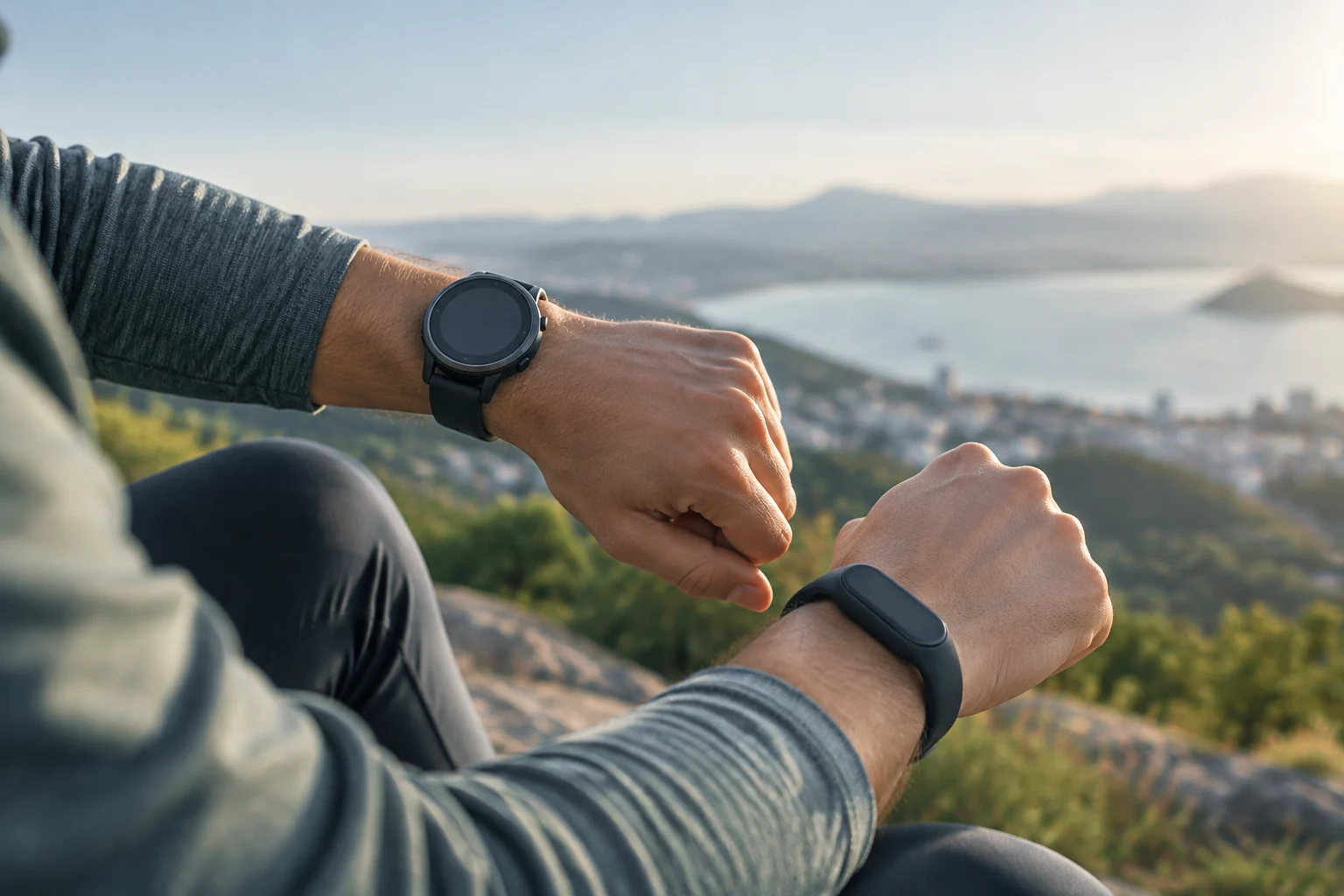
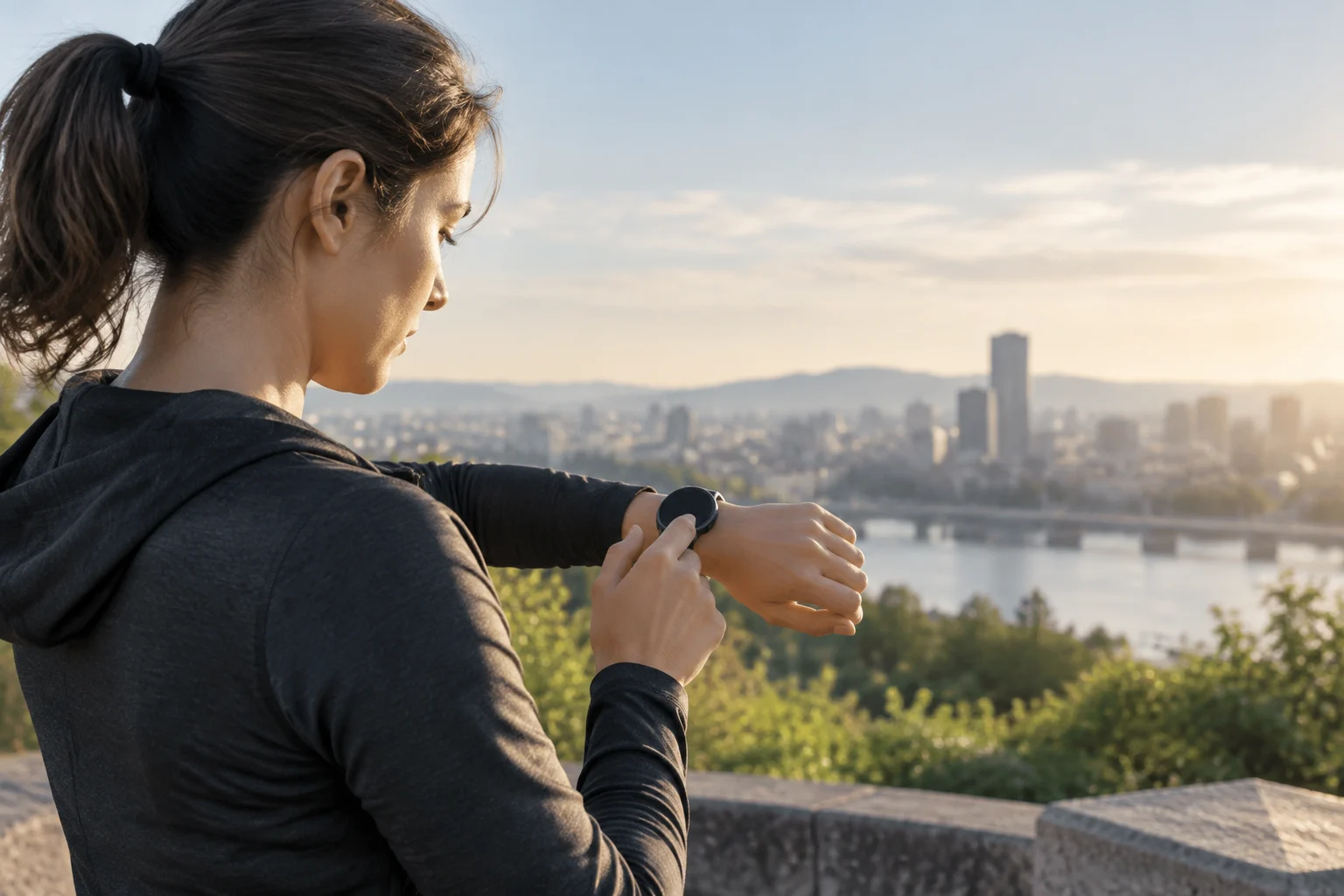
Google has confirmed via a post on X that a new device from the Fitbit brand, widely expected to be the Fitbit Edge, will be revealed on October 12, 2026. The partial hardware image accompanied by the slogan "Get an Edge on your health" includes no technical details, prices, or specific functions, maintaining uncertainty about its differentiation from current Pixel Watch or Fitbit Sense models.
This anticipation strategy follows a line of previous leaks pointing to a new generation of health products. The absence of official data forces analysts to speculate whether the Edge will be a watch, a ring, or a hybrid device, although the brand context suggests an evolution in physical activity and wellness tracking.
Meta Brings Its Muse Agent to AI Glasses
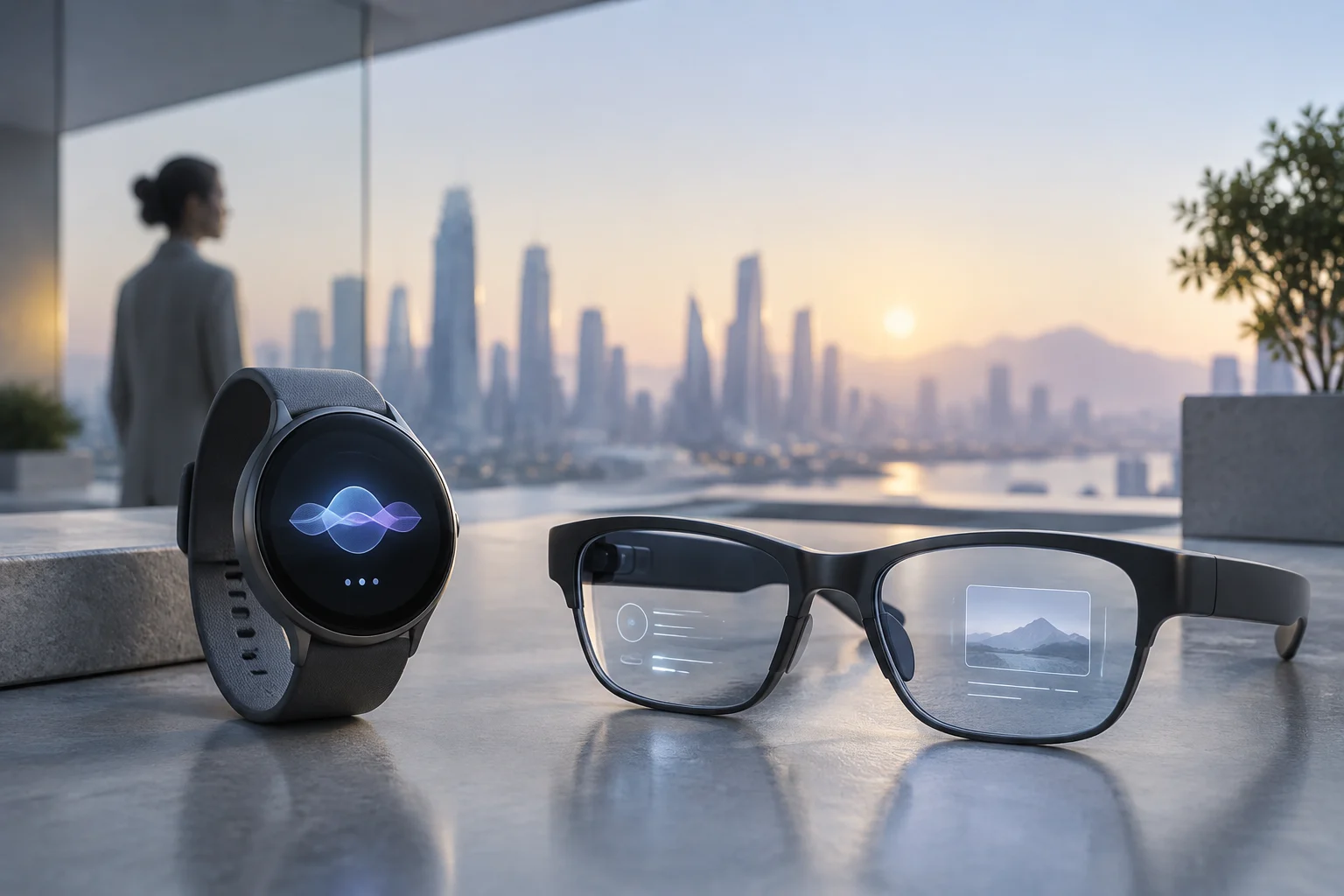
At its Connect 2026 event, held on September 23, Meta announced the integration of Muse, its personal AI agent, into its augmented reality glasses. This functionality will allow users to interact with their assistant hands-free, accessing it by name and allowing it to act on what the user is seeing in real time.
The company also presented the new line of Meta VR Glasses and expanded its AI glasses catalog, which will include more than 100 styles in collaboration with Ray-Ban, Oakley, and the Meta brand itself by the end of 2026. This move consolidates Meta's strategy of creating a device family that connects the user with their AI agent in any context.
The Transition to Local AI in Wearables
According to a Counterpoint Research analysis, nearly eight out of ten wearable devices will incorporate local or Edge AI capabilities before 2032, compared to the 30% recorded in 2025. This change implies that watches, earbuds, and rings will stop relying on the cloud to interpret data and act in real time, improving privacy and latency.
The wearable market represents a cumulative opportunity close to one trillion dollars between 2025 and 2032, according to the same consultancy. The trend toward specialization, observed at CES 2026, shows how brands like Motorola and Amazfit prioritize multi-week battery life and specific functions over complex app ecosystems.
Adoption and Real-World Use of Wearables
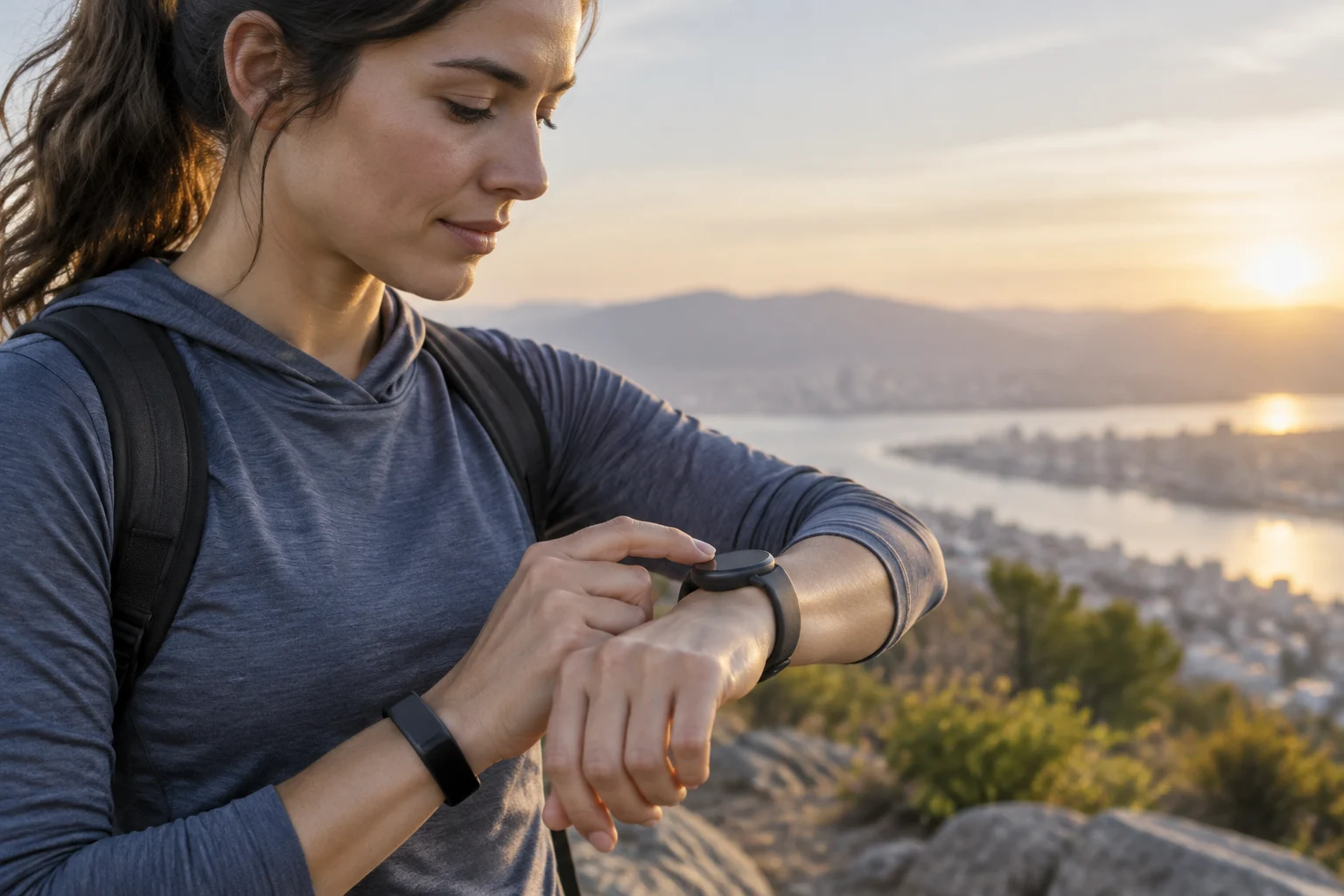
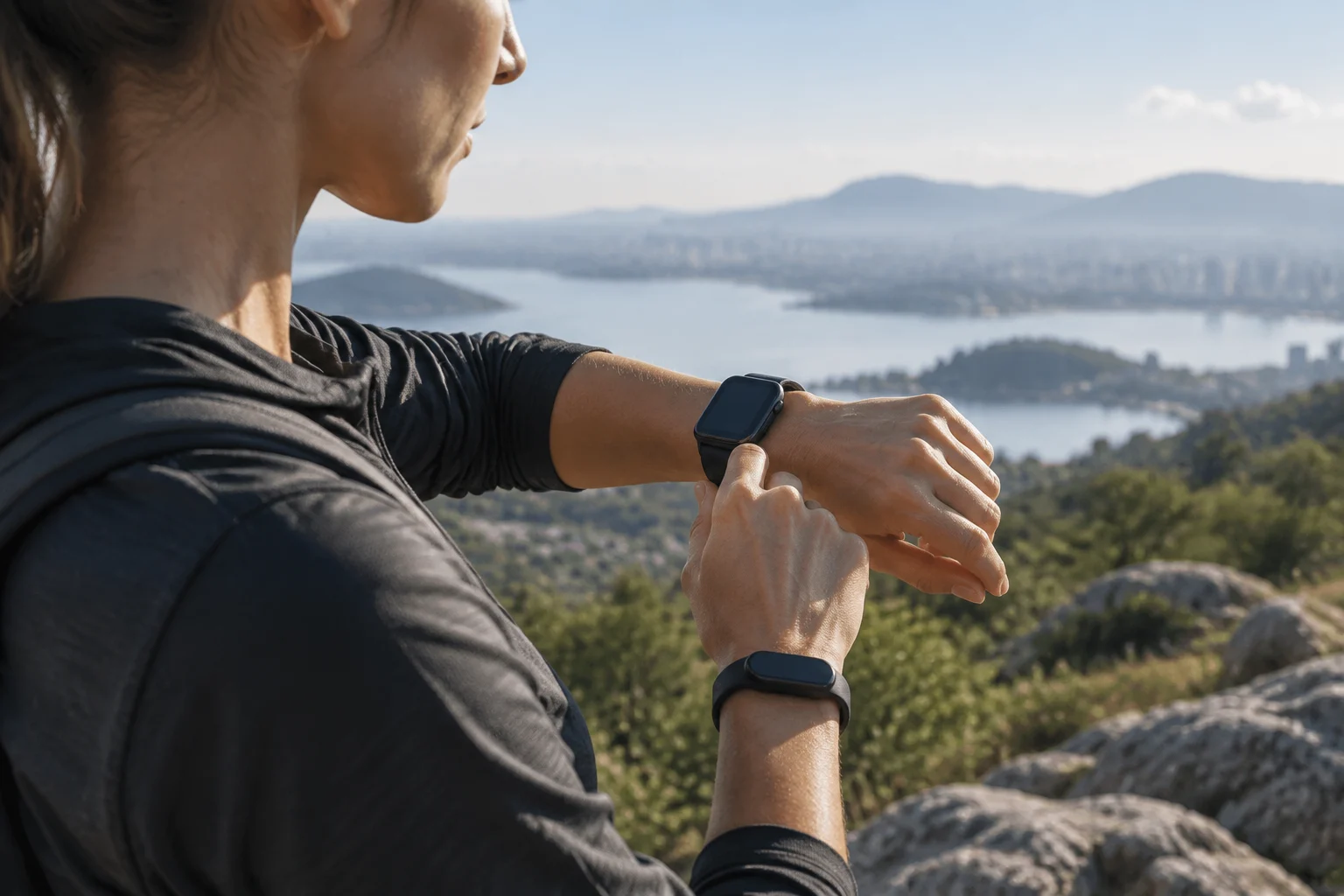
A 2026 Pew Research Center survey reveals that 37% of US adults own a smartwatch, a figure that rises to 44% among those aged 18 to 49. Other studies indicate that 83% of users wear their wearable at least five days a week, demonstrating that these devices have moved from niche accessories to everyday health tools.
The global wearable technology market was valued at $92.9 billion in 2025 and is expected to more than double that figure by 2033. Adoption is not limited to watches: smart scales, connected blood pressure monitors, and glucose meters are gaining ground, expanding the category beyond the wrist.
Limitations in Health Measurement
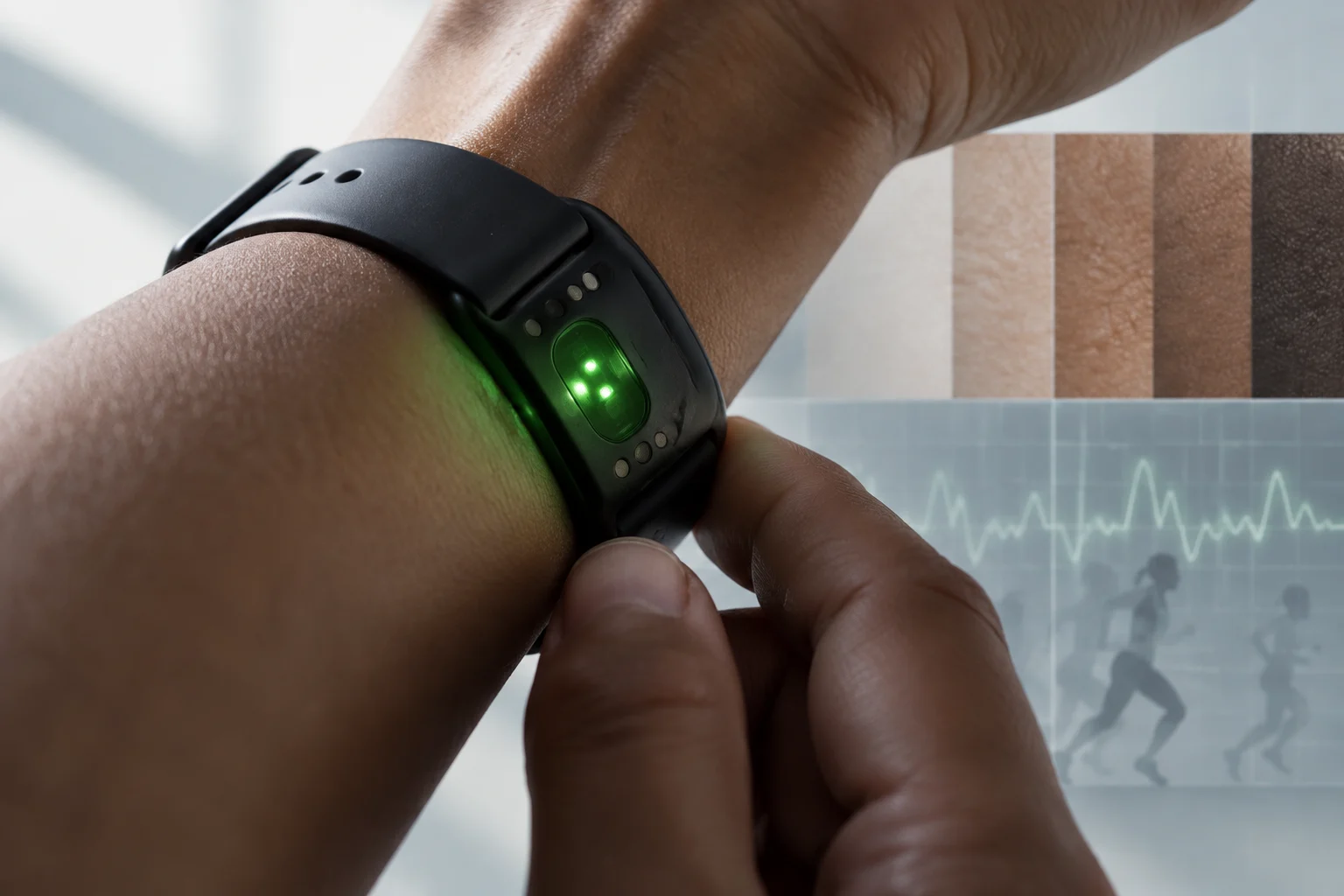
Despite the progress, the American Heart Association warns in a December 2025 scientific statement that it has not been demonstrated that many portable devices for measuring blood pressure without a cuff are accurate or reliable in real contexts like exercise or sleep. Factors such as arm position, skin color, and calibration can significantly affect results.
More research and standardized validation protocols are needed before these technologies can be used to diagnose hypertension or guide treatments. This limitation is crucial for consumers who rely on their wearables for critical health decisions, and it underscores the need to distinguish between wellness monitoring and medical diagnosis.
Investment and Market Concentration
Funding in wearable technology remains highly concentrated in 2026, with large rounds directed mainly to established companies in smart rings, fitness wearables, and smart glasses. The four largest rounds in a recent sample, led by ŌURA, WHOOP, Even Realities, and VITURE, represented more than $1.7 billion in disclosed funding.
Smart glasses dominate the company count, with six of the 12 selected companies focused on lenses, AR displays, or glasses components. Smart rings have become a credible category of wearable computing beyond health, offering productivity functions such as voice notes and meeting transcription.