The official iOS 27 compatibility list
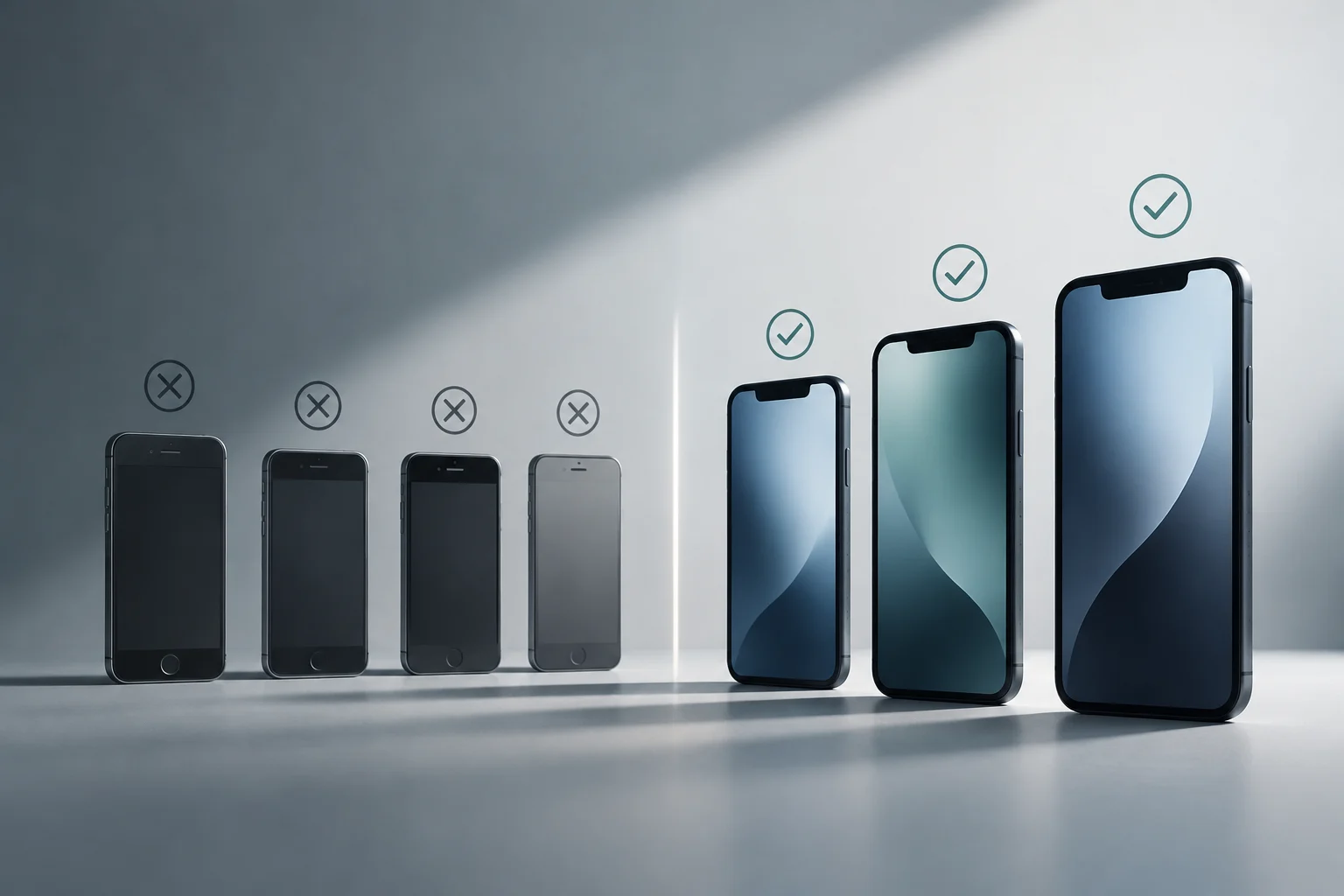
Apple has published the definitive list of devices compatible with iOS 27 on its technical support portal. According to official documentation, the operating system supports devices from the iPhone 11 up to the latest models like the iPhone 18 Pro Max. This list also includes the second-generation iPhone SE, confirming that this device still receives the latest major version of the operating system.
It is important to distinguish between general system compatibility and the availability of advanced features. While iOS 27 installs on any iPhone 11 or later, artificial intelligence features have stricter hardware requirements. Apple's support page clearly details this separation, avoiding the confusion often generated by press coverage regarding which devices can run the system and which can use its most powerful features.
Models excluded from the update
Users of devices prior to the iPhone 11, such as the iPhone XS, XR, X, 8, 7, and the first-generation iPhone SE, will not be able to install iOS 27. These models remain on iOS 26, the previous version. According to pre-WWDC leak sources, it was expected that Apple would drop support for the iPhone 11, but the final official documentation shows that the iPhone 11 remains compatible, correcting initial industry speculation.
However, the second-generation iPhone SE is the last model from the previous generation to maintain compatibility. Older models, such as the iPhone 8 or the original SE, no longer receive major updates. This means that for users of these devices, iOS 26 is their last major version, and they will only receive critical security patches for a limited period, according to Apple's support policy.
Security implications for discontinued devices
Stopping major iOS updates has a direct impact on device security. Older operating systems are more vulnerable to exploits and malware, as they do not incorporate the security improvements and vulnerability fixes that Apple implements in newer versions. For users of iPhone 8 or earlier, this represents a growing risk as attackers develop new techniques to exploit known vulnerabilities.
Apple continues to publish security patches for iOS 26, but these are limited and do not include the architectural security improvements present in iOS 27. Users of discontinued devices should be especially cautious about the apps they install, avoid using insecure public Wi-Fi networks, and consider upgrading to a newer model to maintain an adequate level of protection.
Unavailable privacy and parental control features
iOS 27 introduces new child safety and privacy features that will not be available on incompatible models. According to Apple's official page, the new child safety features help parents protect children on iPhone, but they require the hardware and software of iOS 27. Users of iPhone 8 or earlier will not have access to these tools, limiting their ability to manage their children's privacy on the device.
Additionally, system privacy improvements, such as more granular control of app permissions and new data management options, are integrated into the iOS 27 architecture. Devices staying on iOS 26 will not receive these improvements, meaning users will have less control over how their apps access personal information. This functionality gap is an important factor to consider when deciding whether to upgrade the device.
Recommendations for users of older models
For users of iPhone 8 or earlier, the main recommendation is to consider purchasing a newer model, ideally an iPhone 11 or later, to access iOS 27 and its security and privacy features. If buying a new device is not viable, users can opt for a used iPhone in good condition, ensuring it is a model compatible with iOS 27.
If updating the device is not possible, users must take additional measures to protect their security: keep the device updated with the latest iOS 26 security patches, use a strong password and enable two-factor authentication, avoid installing apps from unverified sources, and consider using a VPN to protect data on public networks. These measures do not replace iOS 27 security improvements but can partially mitigate the risk.