Presentation and scope of the report
Acción Cultural Española (AC/E) presented the new edition of its Digital Culture Yearbook on May 19, 2026, a publication that has analyzed the intersection of technology and the cultural sector since 2013. The event took place at the Fundación Telefónica Space in Madrid, where the main conclusions of the report were detailed before industry professionals. This editorial continuity allows for a clear evolutionary line to be traced regarding how the cultural sector has integrated new technologies into its creation and management processes.
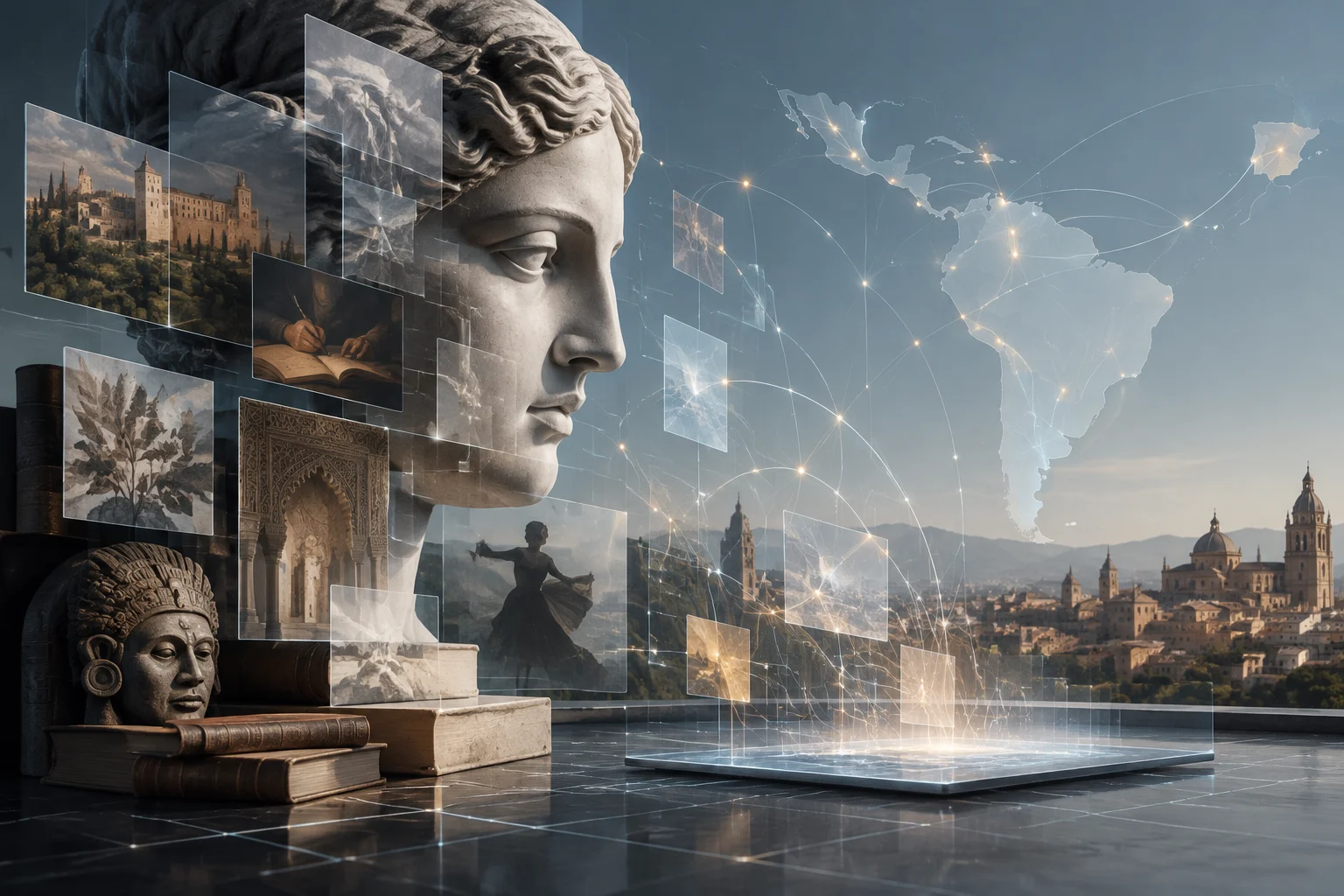
The 2026 edition focuses on the deep transformation that generative artificial intelligence is operating in creative industries. The document explores how AI has ceased to be perceived as a threat, becoming instead a structural asset and an innovation lever that redefines creation, management, and cultural consumption in the Spanish-speaking sphere. This paradigm shift implies a restructuring of workflows and public expectations, as audiences now interact with algorithm-generated content in an increasingly natural manner.
FOCUS 2026: Mapping AI
The core of the report is FOCUS 2026, titled “Mapping the use of AI in Spanish-language digital creation.” This key study analyzes how artificial intelligence is redefining creative processes and distribution in fields such as visual arts, performing arts, film, books, music, and video games. Through detailed mapping, a “standard cultural AI kit” is identified, which is standardizing work tools across the sector. This standardization facilitates the adoption of new methodologies, although it also poses challenges regarding artistic differentiation and the originality of proposals.
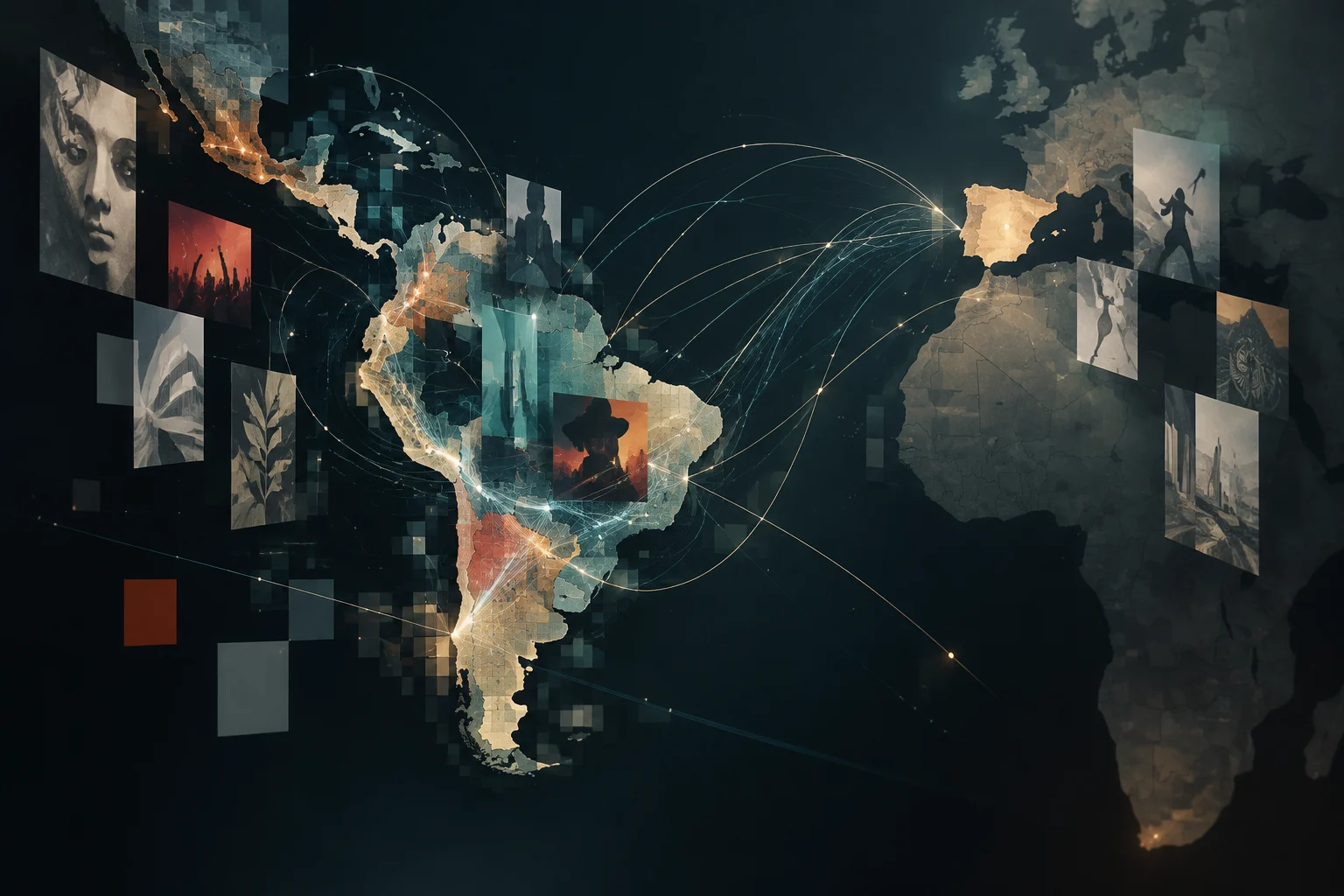
The analysis does not limit itself to the technical tool, but examines the new geopolitics of digital power. The report analyzes technological sovereignty strategies against the hegemony of major markets, raising how cultural creators and managers can maintain autonomy in an environment dominated by large tech corporations. It underscores the need to develop local infrastructures and regulatory frameworks that protect cultural diversity and avoid the homogenization of content on a global scale.
Structure and expert contributions
The yearbook is structured in two distinct parts. The first consists of a series of expert articles that analyze main digital trends transversally. The second, FOCUS, identifies and defines good practice cases in the use of digital technology on a specific topic, in this case generative AI. This dual structure allows combining the macro view of trends with the micro analysis of specific cases, offering a complete and applicable perspective for industry professionals.
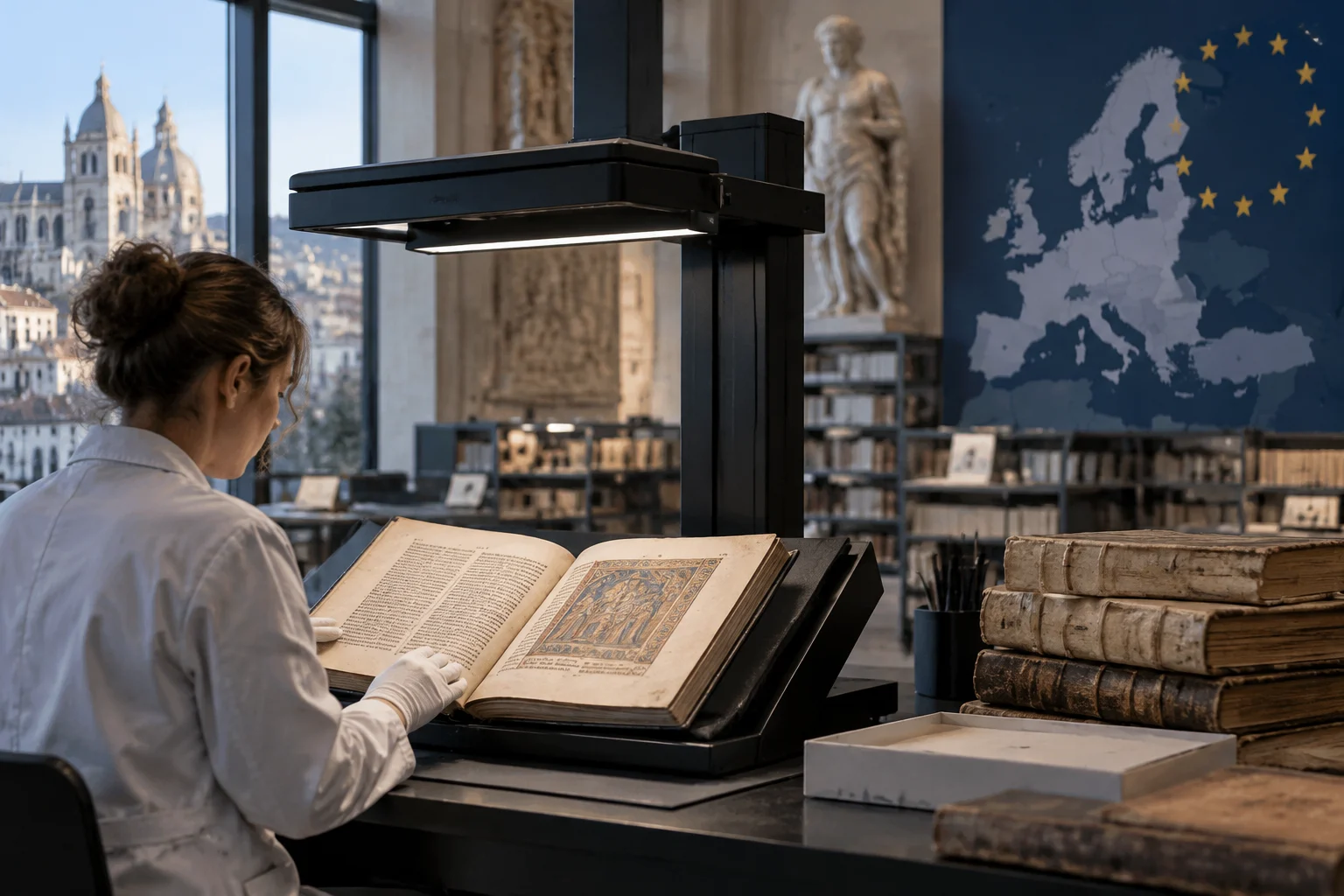
Among the authors contributing their reflections in this edition are Lucía Velasco, who analyzes the reconfiguration of global cultural power, and Eugenia Tenenbaum, who reflects on the context of digital art criticism. Other contributors address topics such as resistance to post-truth through narrative hybridization, the invisible power of algorithms in consumption, and heritage preservation through digital facsimiles. These contributions enrich the debate by incorporating multidisciplinary perspectives ranging from sociology to information technology.
Debate on sovereignty and intellectual property
A central aspect of the report is the redefinition of AI not only as a tool, but as a new agent that redefines cultural sovereignty and intellectual property. The document demonstrates that AI does not replace human sensitivity, but rather amplifies it, positioning the cultural manager as an essential mediator in this new era. This mediation is crucial to ensure that cultural and ethical values remain at the center of AI-assisted creation processes.
The presentation included debate tables where the impact of AI on creation and the battle for attention were addressed. Experts such as Maribel Riaza and Fran Leo provided technical insights on music and podcasts, while others analyzed cultural algorithms and attention control in digital consumption. These discussions highlight the complexity of managing user attention in an environment saturated with digital stimuli, where human curation acquires differential value.
Limits and practical utility of the analysis
Although the report offers a detailed view of the production, distribution, and preservation of culture in the digital environment, its scope is centered on the Spanish-speaking sphere. It should not be interpreted as a general data point on AI adoption across the entire global cultural sector, but rather as a specific analysis of market dynamics in Spanish. This geographic and linguistic focus allows identifying particularities that might go unnoticed in broader studies, offering a precise diagnosis of local reality.
For industry professionals, the yearbook serves as a strategic reference to understand trends and make decisions about integrating AI into their projects. The publication is available in eBook format, facilitating its consultation and dissemination among entities and professionals seeking to create online experiences aligned with 21st-century user expectations. Its digital format allows for continuous updates and immediate accessibility, adapting to the needs of a constantly changing sector.