The bottleneck in the traditional loading path
For years, video game loading architecture has followed a linear pattern: data travels from the storage drive to system memory, where the CPU performs decompression before sending it to the GPU. Although functional, this process places a significant burden on central processing cores, particularly when modern game engines handle thousands of small input/output requests per second.
Microsoft’s DirectStorage documentation notes that traditional Win32 APIs can require an entire CPU core just to manage operating-system overhead. This limits the ability to take advantage of modern NVMe drives’ bandwidth, because the CPU becomes the bottleneck before the drive itself does. Reducing reliance on the CPU is the central goal of newer accelerated-storage technologies.
In this context, latency and the number of simultaneous transfers are critical factors: each API call involves a transition between memory domains, a data copy, and decompression that consumes clock cycles. When these operations occur hundreds or thousands of times, overall game performance suffers, resulting in long loading times and unwanted pop-in in open worlds.
NVIDIA RTX IO: native decompression on the GPU
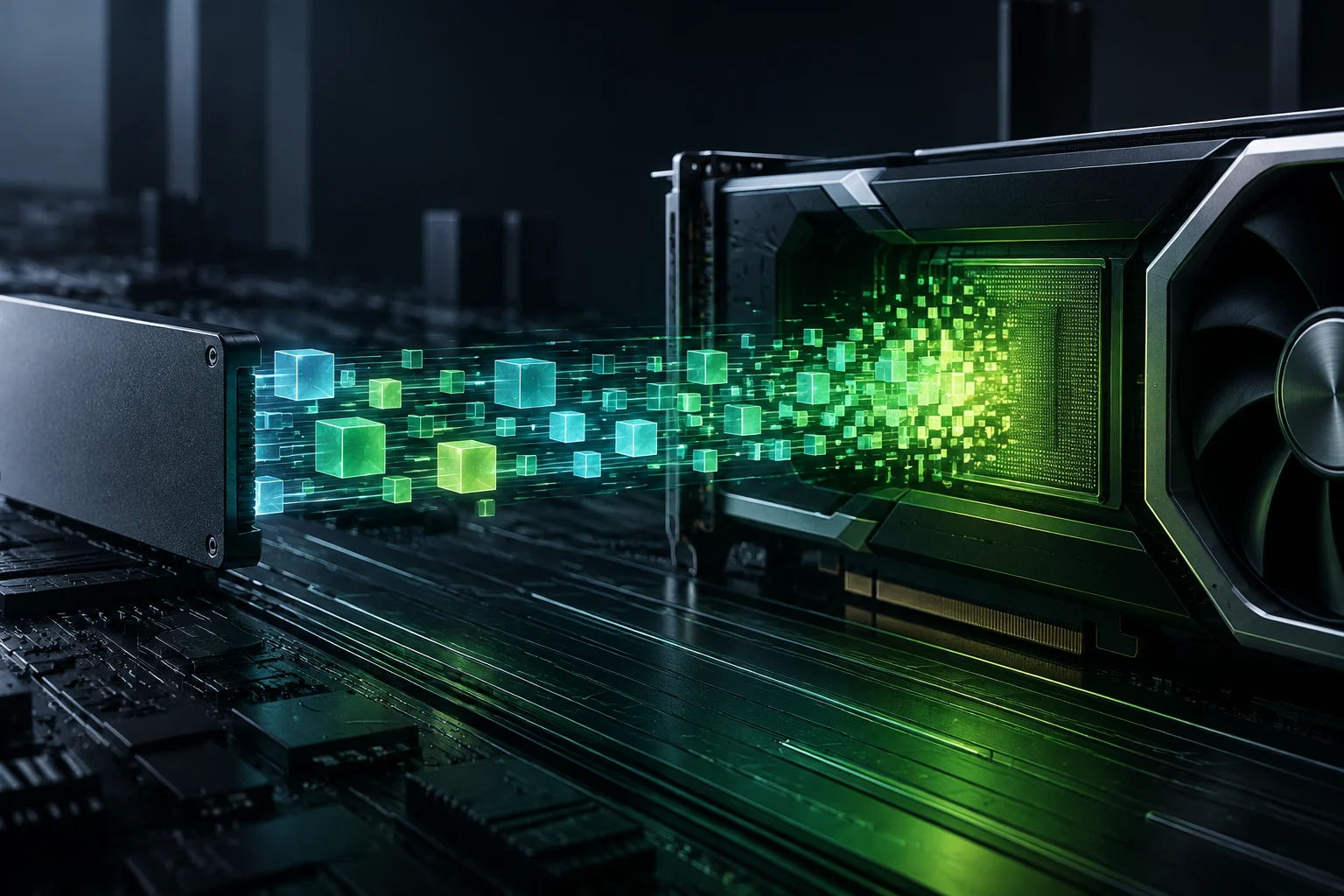
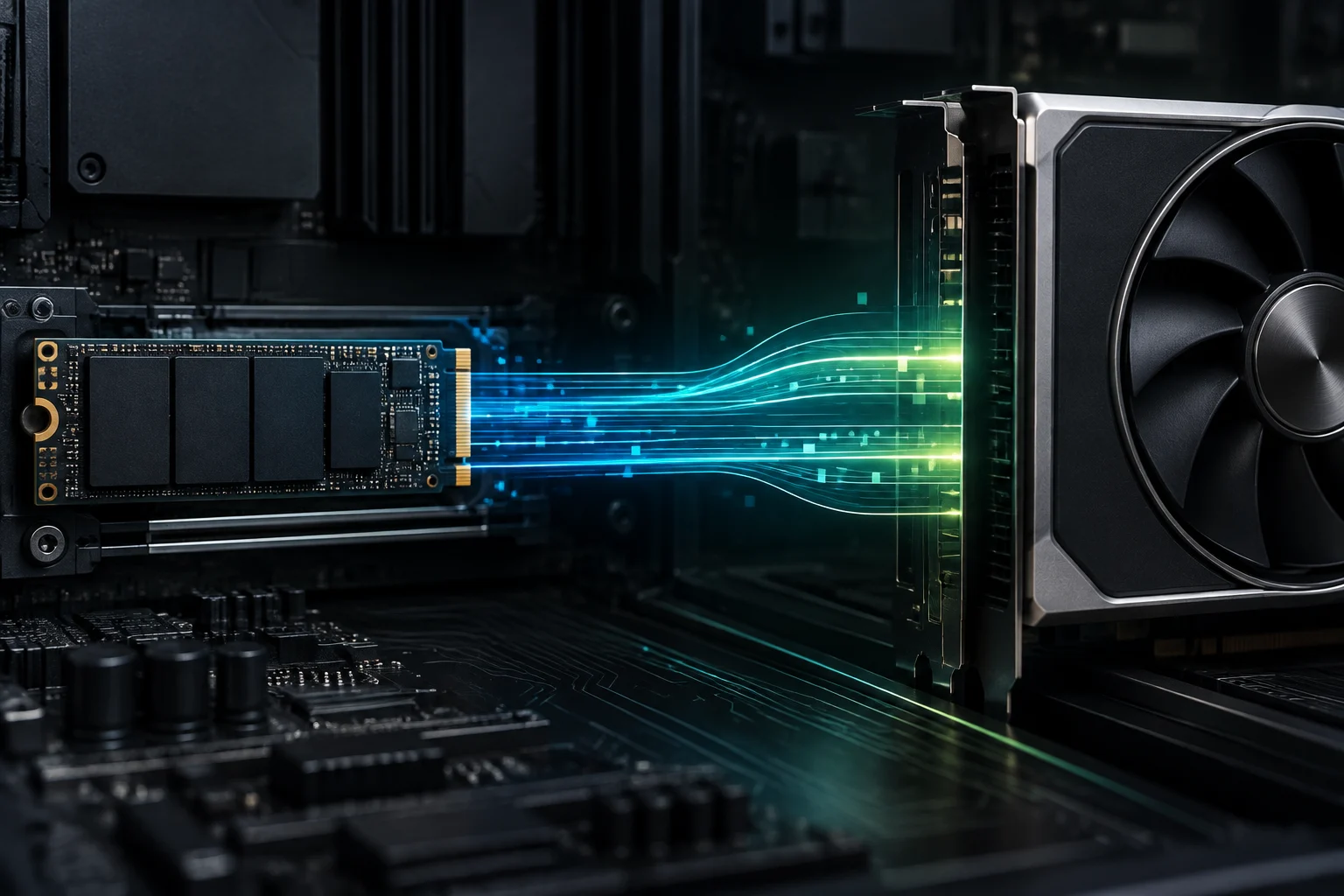
NVIDIA RTX IO is a suite of technologies designed to enable fast loading and GPU-based asset decompression. According to NVIDIA’s official documentation, the technology allows compressed data to be delivered to GPU memory with minimal staging in system memory. The GPU uses the GDeflate compression format to decompress data at high throughput, freeing the CPU to perform other auxiliary tasks.
The use of GDeflate, an open compression standard, is central to this architecture. NVIDIA says RTX IO delivers input/output performance capable of saturating the bandwidth of modern NVMe devices. By comparison, CPU decompression using ZLib cannot saturate the same bandwidth, demonstrating the efficiency of moving this workload to the GPU architecture. Lossless compression can also reduce game download and installation sizes, making better use of SSD space.
To illustrate the impact, tests using a sample game have shown a 70% reduction in total loading time when RTX IO is enabled. This result not only improves the player’s initial experience, but also frees up CPU resources for real-time lighting and physics effects.
DirectStorage: Microsoft’s abstraction layer
DirectStorage is a Microsoft API that serves as the software layer allowing applications to interact directly with NVMe storage hardware, eliminating most operating-system overhead. The development documentation says DirectStorage is designed to deliver high bandwidth with lower CPU usage, handling up to 50,000 requests per second while using at most 10% of a single CPU core.
The API is not exclusive to any GPU brand; it is a standard that lets developers access storage capabilities efficiently. In NVIDIA’s ecosystem, DirectStorage works with RTX IO to enable GPU decompression. Microsoft’s Xbox Series X|S documentation describes how DirectStorage works closely with the underlying NVMe hardware to maximize performance, an approach that has also been brought to the Windows desktop platform.
The main benefit is reduced context switching between kernel and user space: DirectStorage calls are asynchronous and do not block the CPU. This allows game engines to maintain a steady frame rate even while reading large volumes of data.
Hardware and software requirements for acceleration
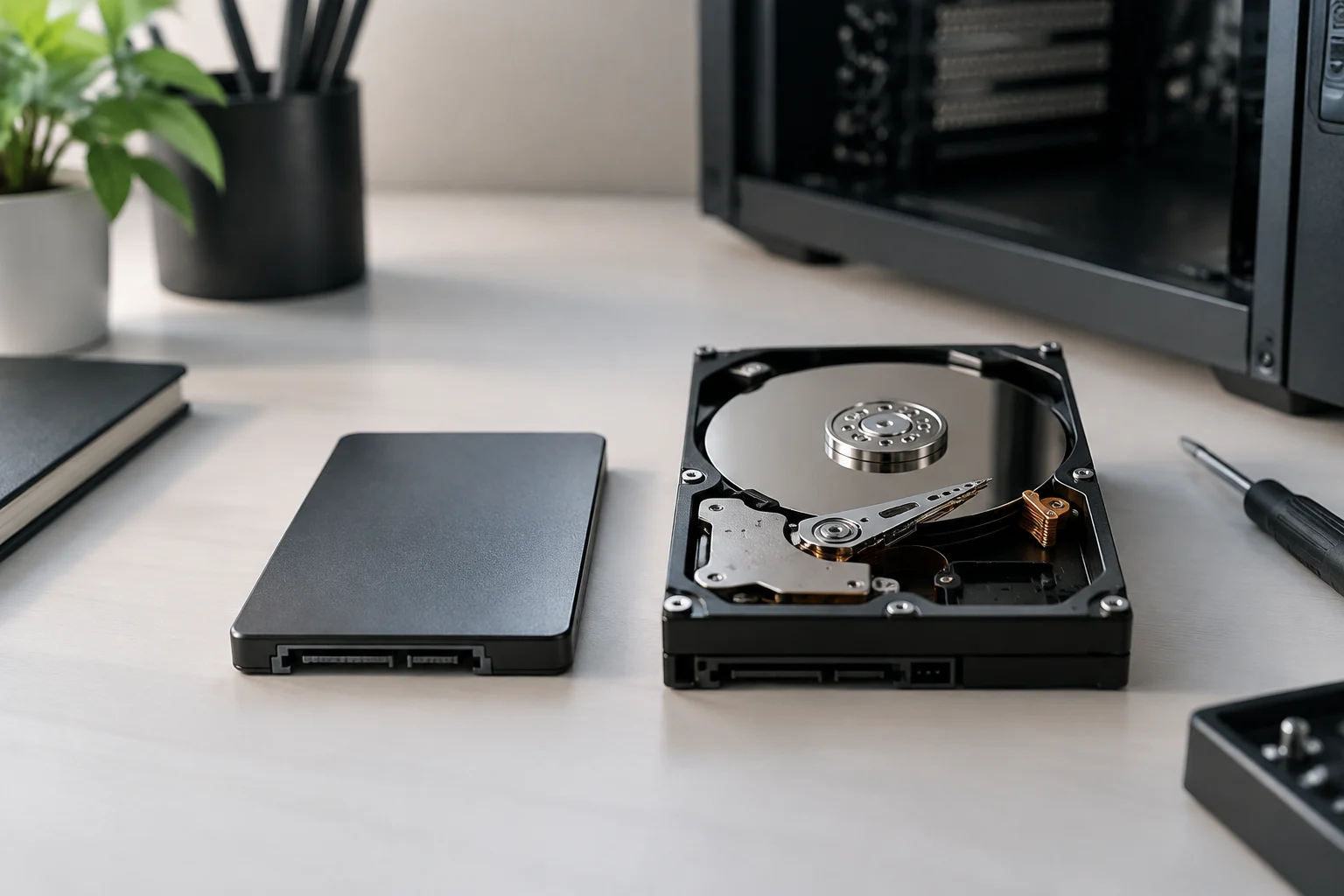
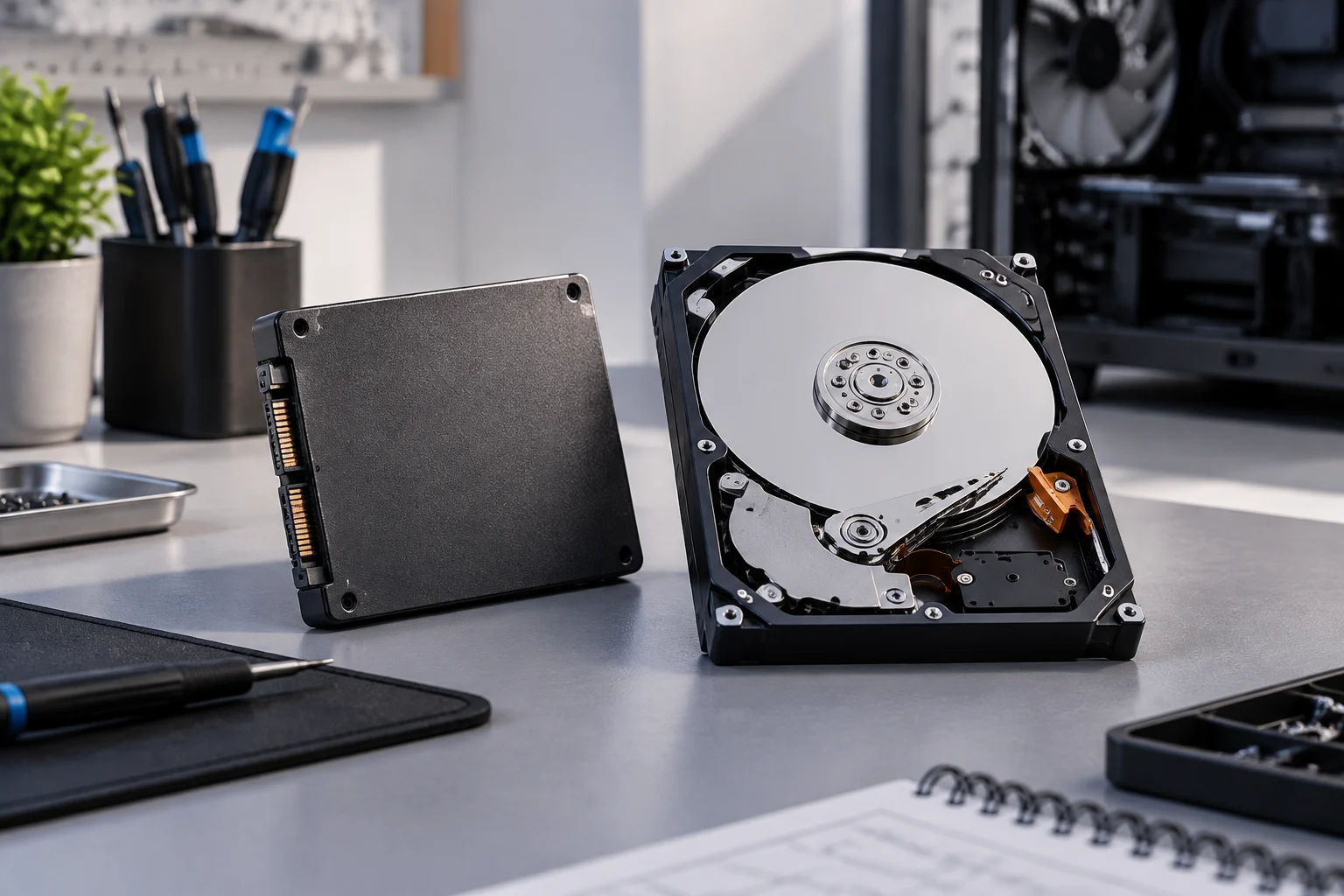
For these technologies to work at their full potential, a system must meet certain hardware requirements. A NVMe solid-state drive connected to a high-speed PCIe bus is essential, because the main benefit comes from saturating storage bandwidth. SATA drives and mechanical hard disks cannot take advantage of the RTX IO architecture because of their latency and transfer-speed limitations.
On the software side, the GPU must support an architecture capable of GDeflate decompression. NVIDIA has linked this technology to its GeForce RTX cards, specifically from the 30 series onward, which introduced architectural improvements for these types of tasks. The operating system must also support the DirectStorage API; on Windows, this means a recent version that includes the relevant storage-stack enhancements.
For end users, it is advisable to check the NVIDIA driver version and the Windows 10/11 update for DirectStorage support. The official documentation provides a checklist to make it easier to confirm compatibility.
Technical capability versus measured performance
It is crucial to distinguish between the technical capability of the architecture and the performance a user experiences in a specific game. NVIDIA says RTX IO can accelerate I/O performance by up to 100 times compared with traditional hard drives, but this figure refers to data-transfer capability and does not necessarily mean total loading times will fall by the same amount in every scenario. Actual loading time depends on how the game engine implements these APIs and on the complexity of the assets being loaded.
A game’s compatibility does not guarantee a noticeable improvement if the title has not been optimized to use DirectStorage or RTX IO. Many current games still use traditional loading paths, so having a fast NVMe SSD and an RTX GPU is not enough to activate these benefits. Implementation by the developer is the determining factor in whether users experience faster loading and smoother texture streaming.
In comparative studies, titles integrating both technologies show a 30% reduction in texture-loading latency and a 15% increase in sustained frame rate during intense scenes.
How to verify implementation on your system
To determine whether a game is using these technologies, users can consult the title’s technical documentation or the developer’s release notes. The presence of the DirectStorage API in the game’s code is a clear indicator, but enabling GPU decompression requires specific integration of RTX IO. Independent performance tests are the only way to confirm whether the improvement is significant on a particular hardware configuration.
When assessing the impact of these technologies, measure loading time from the main menu to the point of gameplay, as well as how often objects pop in in open worlds. If the game shows no improvement in these metrics despite compatible hardware, it probably is not using the accelerated storage path. Developer transparency about the use of these APIs is essential to help users make informed decisions about their hardware configuration.
Tools such as DirectStorage Performance Monitor or NVIDIA Nsight Compute make it possible to observe data flow and confirm actual GDeflate use in real time.