The Rise of Spatial Audio and Technical Confusion
In 2026, the term spatial audio appears in the specifications of almost all mid-range and high-end headphones, but its technical meaning varies drastically depending on the ecosystem. The main confusion lies in manufacturers using the same term to describe technologies that require completely different hardware, software, and codecs. A user buying headphones with "spatial audio" might be getting an enhanced stereo simulation or a real 3D object decoding, depending on hidden specifications.
The difference is not trivial: real compatibility depends on the entire playback chain, from the transport codec to the digital signal processor of the headphones. Without verifying each link, the consumer cannot distinguish between a verifiable experience and a marketing label. This analysis breaks down the three dominant standards and the technical requirements that make them functional.
Definition of Key Standards
Dolby Atmos and Apple Spatial Audio
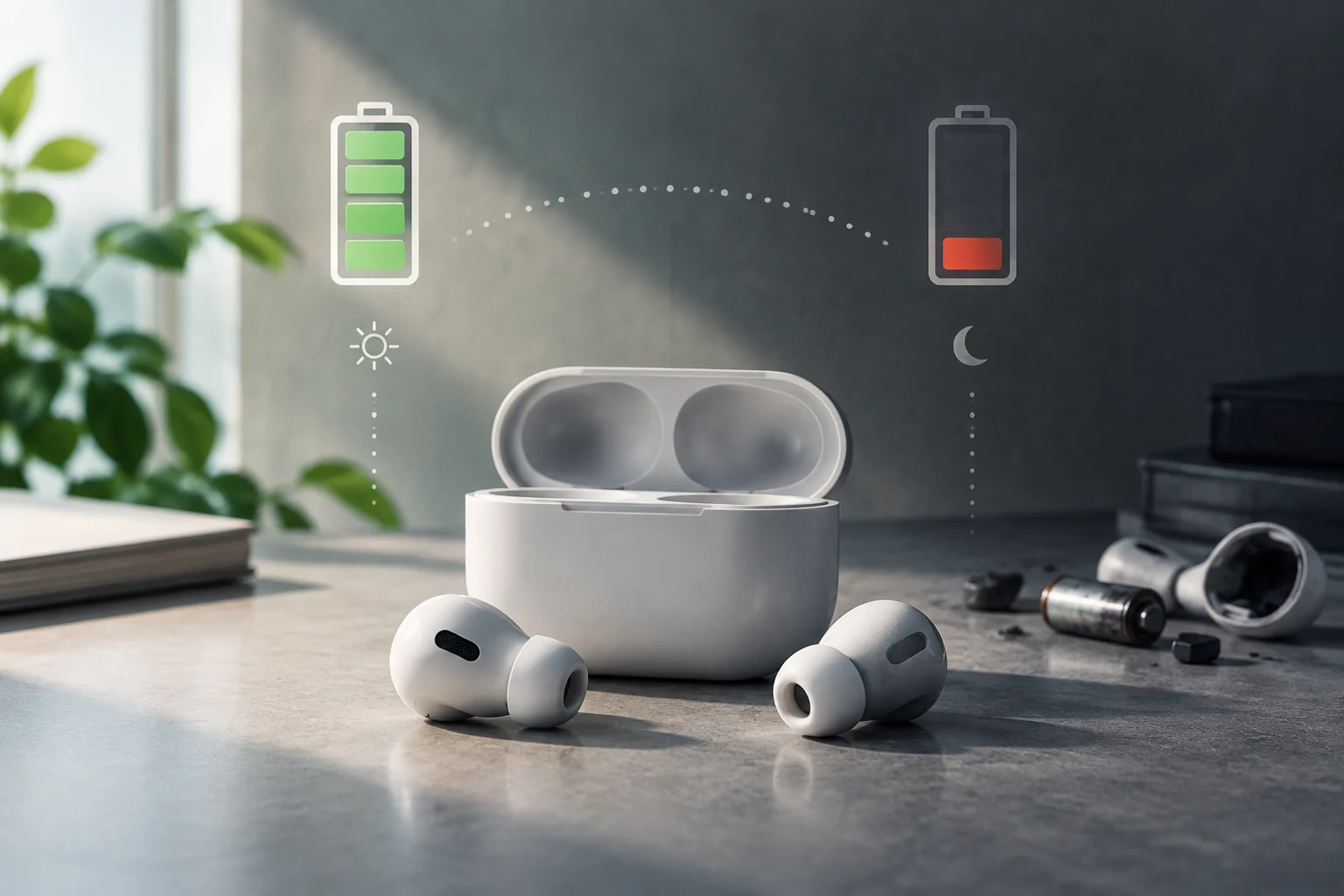
Apple Spatial Audio, available on iOS and macOS, is based on Dolby Atmos for Music and requires compatible devices such as AirPods Pro, AirPods Max, or AirPods (4th generation with ANC). According to Apple's official documentation, this feature allows playback of content with dynamic head tracking, which adjusts the sound position in space as the user moves their head. The final quality depends on the artist's mix: tracks with rich layers and sonic space usually improve, while hyper-compressed mixes may lose focus.
Sony 360 Reality Audio
Sony 360 Reality Audio (360RA) is a different standard, based on the MPEG-H 3D audio codec. Unlike Dolby Atmos, which uses objects and beds, 360RA focuses on recreating a live concert scene. Sony has worked with Google to integrate 360RA support in Android through the MPEG4Extractor component of the operating system, meaning decoding can be native to the system without special hardware. Certified products include headphones like the ATH-TWX9 and sound systems from Denon and Marantz.
Hardware and Codec Requirements
Decoders and Channels
Decoding spatial audio requires a digital signal processor (DSP) capable of handling multiple channels and applying head transformations. In Apple's case, AirPods use H1 or H2 chips to process head tracking and Atmos decoding. In the Android ecosystem, the integration of 360RA in the operating system allows any device with MPEG-H support to play content, although final quality depends on the headphone manufacturer's implementation.
Transport Codecs: AAC, LC3, and aptX
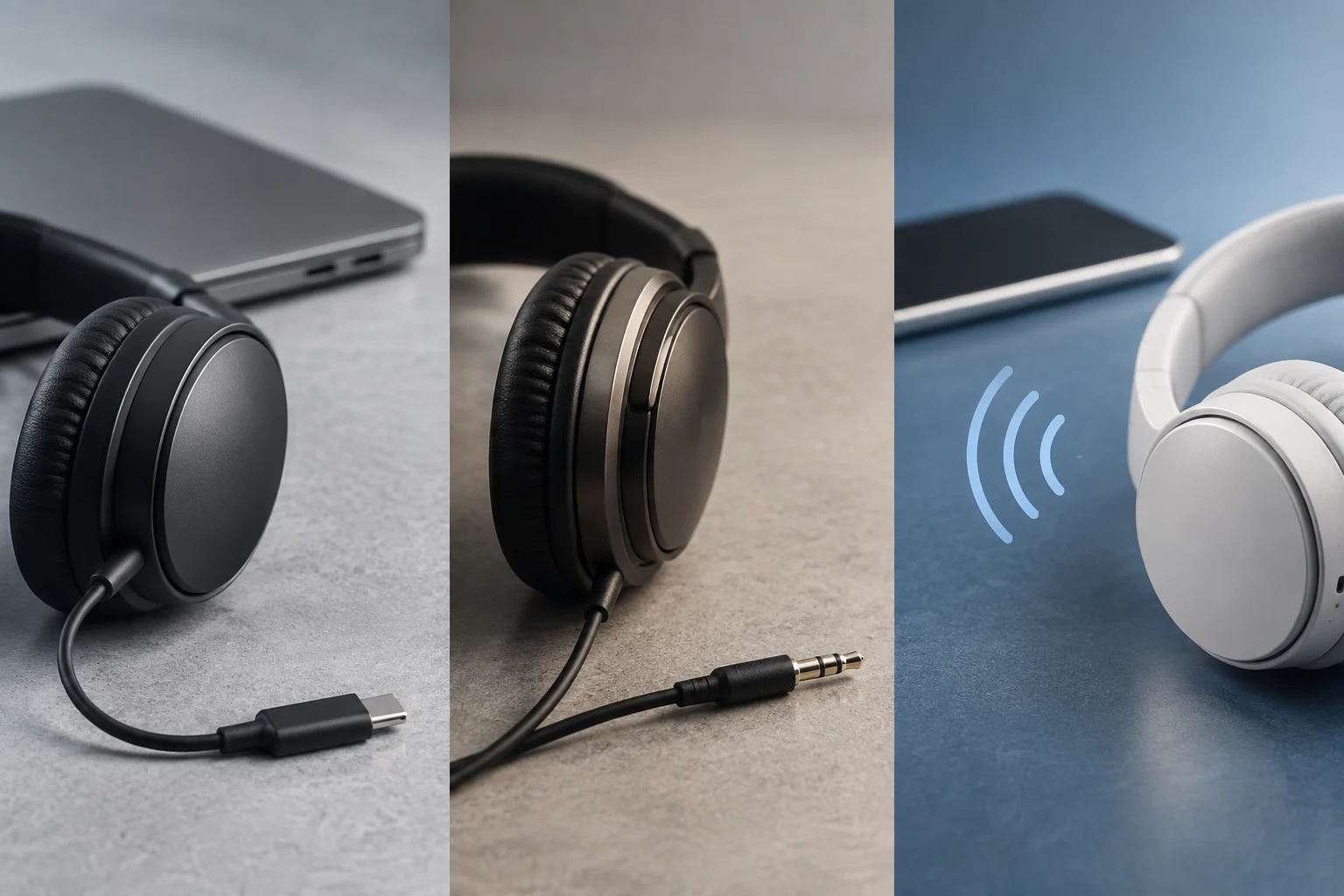
The transport codec is crucial for latency and quality. LC3, the mandatory codec for Bluetooth LE Audio, offers a latency of 20-30 ms, the lowest available in Bluetooth. This is significantly better than aptX Low Latency (32-40 ms) and other consumer codecs. LC3 is royalty-free, unlike aptX, which facilitates its adoption. However, LE Audio adoption remains limited in 2026, and both devices (phone and headphones) must support Bluetooth 5.2 and LE Audio to take advantage of its benefits.
Latency and Head Tracking
Latency is critical for head tracking. High latency can cause desynchronization between head movement and sound position, reducing immersion. LC3, with its 20-30 ms latency, is imperceptible to humans and allows smooth head tracking. In contrast, traditional codecs like AAC can have latencies exceeding 100 ms, making head tracking less precise and more susceptible to artifacts.
Cross-Ecosystem Compatibility
Interoperability Limitations
Interoperability between ecosystems is limited. Apple Spatial Audio works primarily on Apple devices and requires Dolby Atmos content. It is not compatible with Android or Windows. On the other hand, Sony 360 Reality Audio is available on Android and some third-party devices, but not on iOS. Bose, for example, has added 5.1 spatial audio support with head tracking to its QuietComfort Ultra (2nd generation) headphones via a firmware update, but this feature is only available on Android and Windows, not on Apple devices.
Streaming Platform Support
Compatibility also depends on streaming platforms. Apple Music offers Dolby Atmos content, while Amazon Music HD, Tidal, and Deezer support Sony 360 Reality Audio. Spotify, for its part, has been experimenting with spatial audio, but its availability and quality vary by device and region. Users must verify that their streaming platform offers content in the format their device supports.
How to Verify Real Compatibility
What to Look for in Technical Specs
To verify real compatibility, users should look for specific specifications in official technical sheets. Instead of looking for the generic term "spatial audio", they should look for: Dolby Atmos support, Sony 360 Reality Audio support, or Apple Spatial Audio support. They should also verify the supported transport codec (AAC, LC3, aptX) and the Bluetooth version. The presence of a dedicated DSP chip and head tracking capability are additional indicators of a robust implementation.
What Cannot Be Concluded from Codec Name Alone
The codec name does not guarantee spatial audio quality. For example, a headphone supporting AAC can play Dolby Atmos content, but final quality will depend on the DSP implementation and latency. Similarly, a headphone supporting LC3 can offer low latency, but not necessarily high-quality spatial audio decoding. Users should read technical reviews and verify complete specifications before purchasing.
Practical Guide for Choosing Devices
Selection Criteria
When choosing a device with spatial audio, users should consider: the ecosystem (Apple, Android, or Windows), the streaming platform they use, and their latency needs (e.g., for gaming or video). If the user is in the Apple ecosystem, AirPods Pro or Max are the most compatible options with Apple Spatial Audio. If in Android, headphones with Sony 360 Reality Audio support or Bose QuietComfort Ultra with updated firmware are good options.
Conclusion
Spatial audio in 2026 is a mature technology, but its real compatibility depends on a complete chain of technical specifications. Users must go beyond marketing and verify codecs, latency, and platform support. By doing so, they can make informed decisions and avoid the frustration of buying a device that does not deliver the experience promised by labels.