A New Paradigm for Microsoft Copilot
On September 25, 2026, Microsoft unveiled a complete reimagining of its primary assistant, Microsoft Copilot, introducing three fundamental pillars: Home, Code, and Autopilot. This shift is not a simple feature update but a restructuring of the user experience to integrate artificial intelligence more deeply into daily workflows.
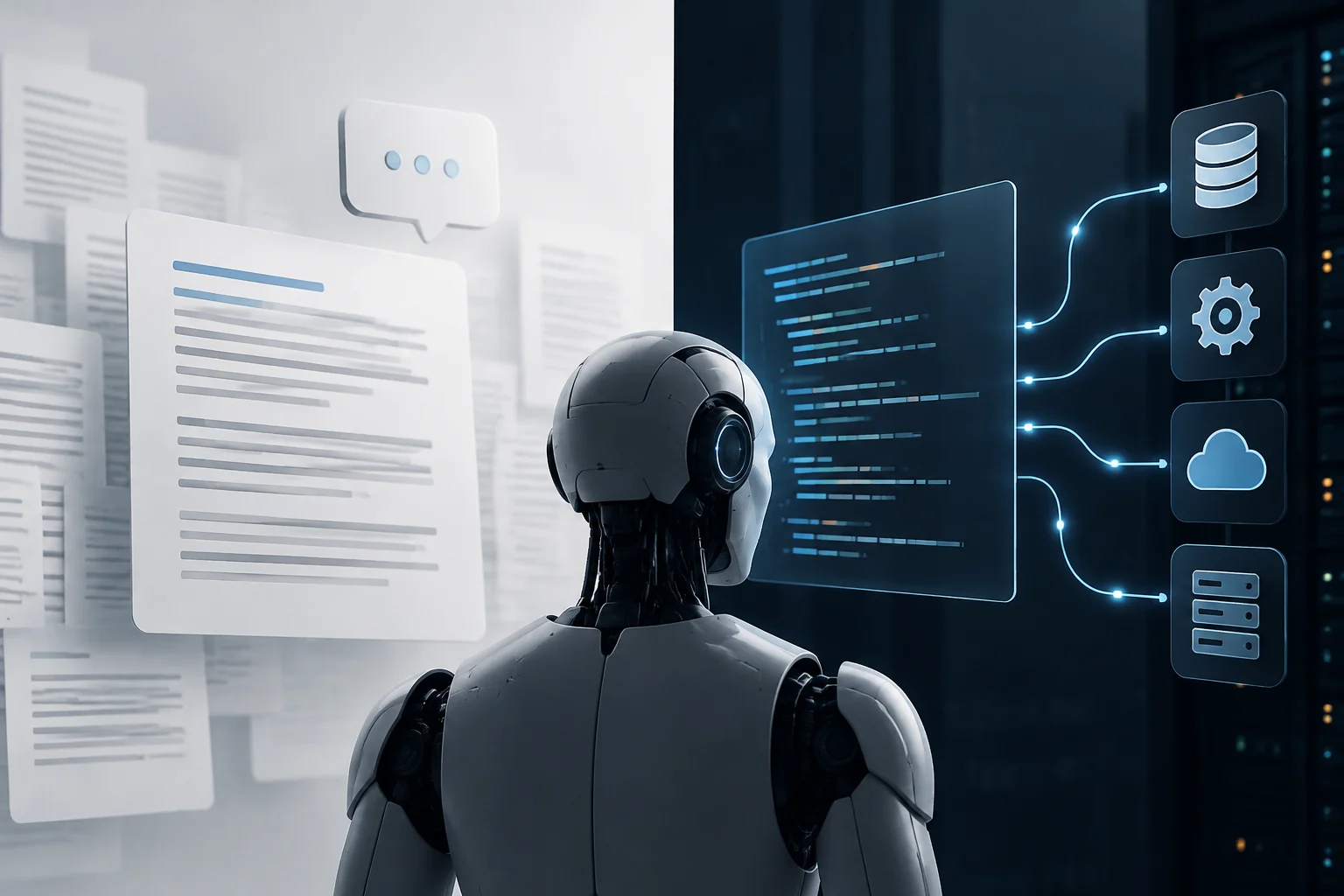
The new Home section acts as a unified starting point where chat and collaboration functions converge, directly integrating the full capabilities of Word, Excel, and PowerPoint. Meanwhile, the Code function allows users to build their own solutions using the same underlying technology that powers GitHub Copilot, democratizing the development of custom tools.
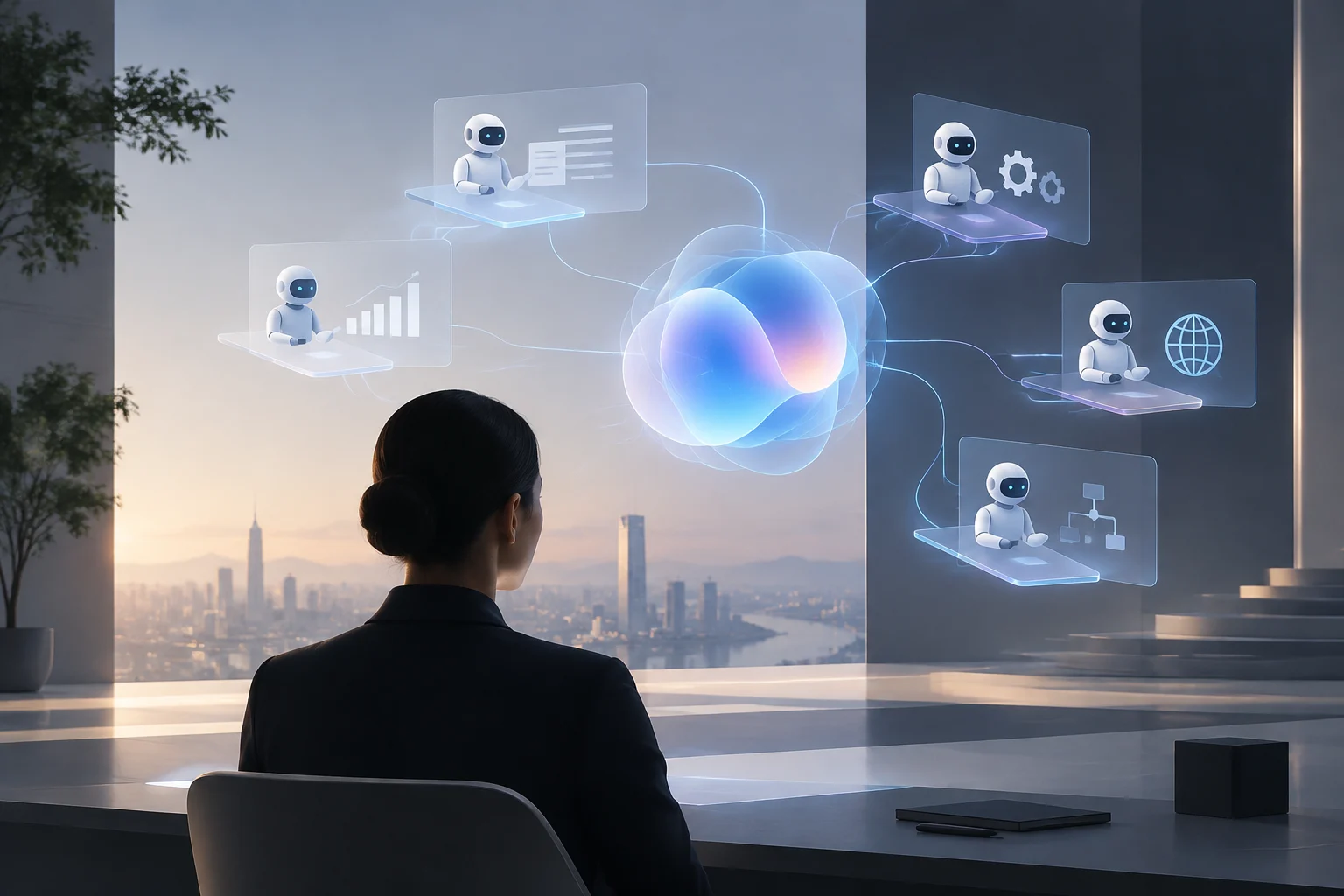
The most disruptive component is Autopilot, described as a persistent, proactive, and personal agent that continues working even when the user is inactive. This autonomous execution capability marks a before and after in the human-machine relationship, moving from a reactive model to one of continuous task delegation.
The Retirement of Traditional Assistants
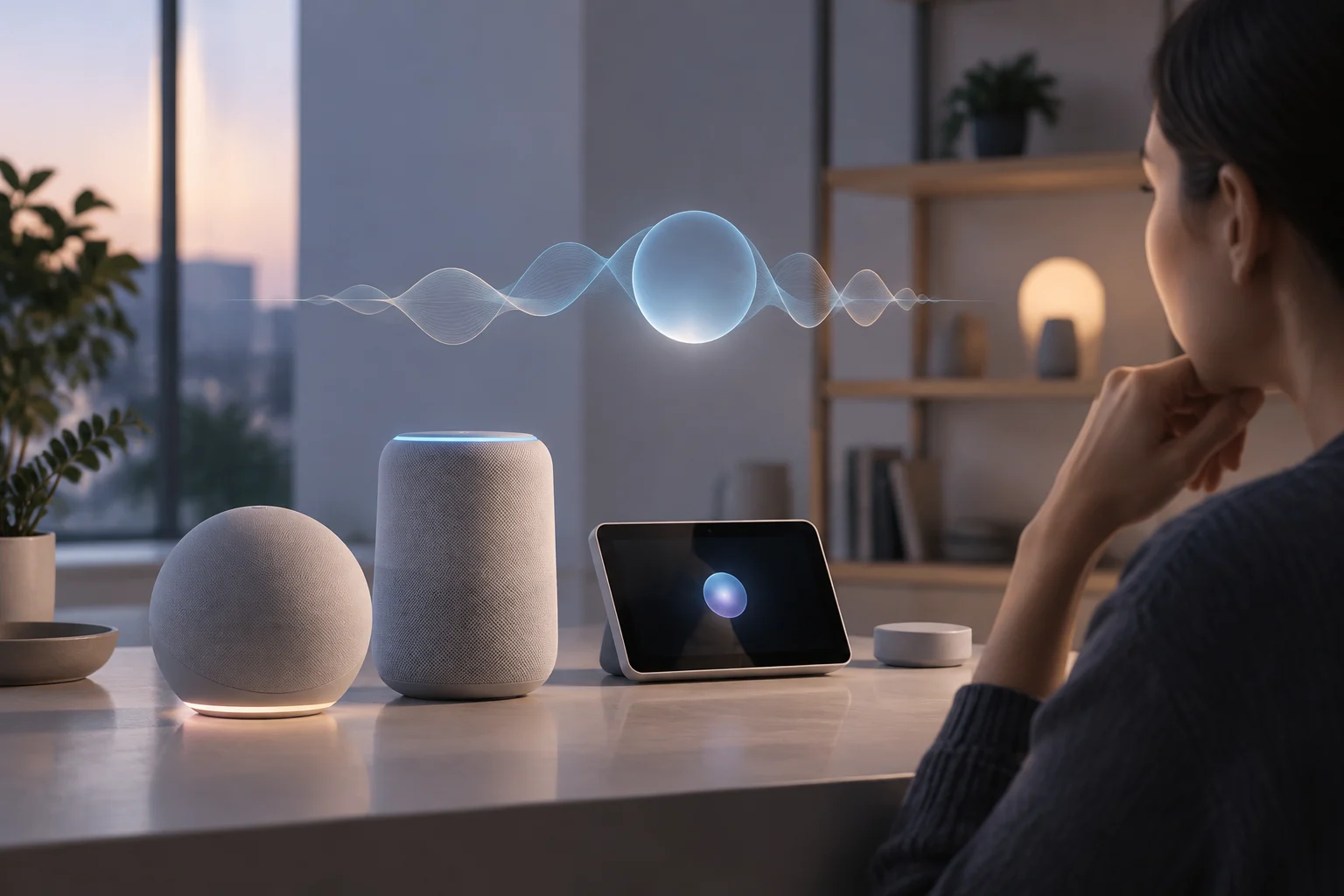
While Microsoft expands its capabilities, other tech giants are abandoning their classic assistants. In March 2026, Google began retiring Google Assistant from most Android devices to progressively replace it with Gemini. This move confirms the obsolescence of assistants based on predefined voice commands.
Similarly, Amazon relaunched Alexa with a generative AI engine called Alexa+, radically transforming its architecture so it can understand context and maintain fluid conversations. On the other hand, Cortana, Microsoft's historical assistant, has ceased to exist, yielding its place to the new Copilot infrastructure.
This transition indicates that the 'virtual assistant' category has changed nature in less than two years. It is no longer about executing fixed instructions but using language models that understand context, maintain conversation memory, and act within a real and complex workflow.
Primary Evidence vs. Informational Noise
In the current AI ecosystem, it is crucial to distinguish between an official announcement and promotional content or trend lists. Many secondary sources publish 'best assistants' rankings that, while useful for general orientation, do not certify a specific launch or a verifiable technical change on a concrete date.
To validate a technological novelty, primary evidence is required: an official company statement, product technical documentation, or an availability record with an exact date. Without these elements, any claim about a new assistant or function must be treated with caution, as it may be based on speculation or outdated information.
Independent coverage must always be cross-referenced with official sources before considering a fact as established. This methodology is especially important in a sector where product lifecycles are extremely short and updates occur at a dizzying pace.
Impact on the Market and Businesses
According to Spherical Insights data, the voice assistant applications market was worth approximately $7.8 billion in 2025 and is projected to grow to $32.5 billion by 2035. This growth, with a compound annual rate of 15.3%, reflects the increasing integration of these technologies into smart living and business.
For businesses, adopting these new assistants is not just a matter of efficiency but competitive survival. Organizations integrating AI tools into their workflows are gaining an advantage over those still relying on manual processes or obsolete assistants that cannot adapt to the complexity of modern tasks.
The practical decision for IT managers is clear: evaluate not only the tool's conversational capability but its ability to act autonomously and its integration with the existing technology stack. Security and regulatory compliance, especially in regulated sectors, must be priority criteria in this evaluation.
Criteria for Strategic Adoption
Before implementing a new AI assistant, organizations must review requested permissions and define which actions require human confirmation. Transparency in data handling and the ability to audit decisions made by the agent are fundamental for generating trust.
It is important to consider the total cost of adoption, which includes not only the software license but also implementation time, staff training, and integration with legacy systems. A powerful but difficult-to-integrate tool can generate more friction than added value in the short term.
The accuracy and consistency of results are other determining factors. An assistant that requires constant human review does not fulfill its automation function. The AI's ability to work reliably without constant supervision is the true indicator of its operational maturity.