The Central Announcement: Gemini Spark and Agentic AI
During the Google I/O 2026 conference, held on May 19 in Mountain View, the company presented a series of significant advances in artificial intelligence. The central axis of the presentation was the transition to what Sundar Pichai, Google's CEO, termed the "agentic Gemini era." This approach marks a paradigm shift: AI ceases to be a passive consultation tool to become an actor that executes complex tasks from start to finish.
The protagonist of this change is Gemini Spark, an AI agent designed to perform proactive actions on behalf of the user. Unlike traditional assistants that wait for specific commands, Spark is conceived to anticipate needs and manage complete workflows, integrating into the applications the user already uses daily.
From Chat Window to Real Workflow
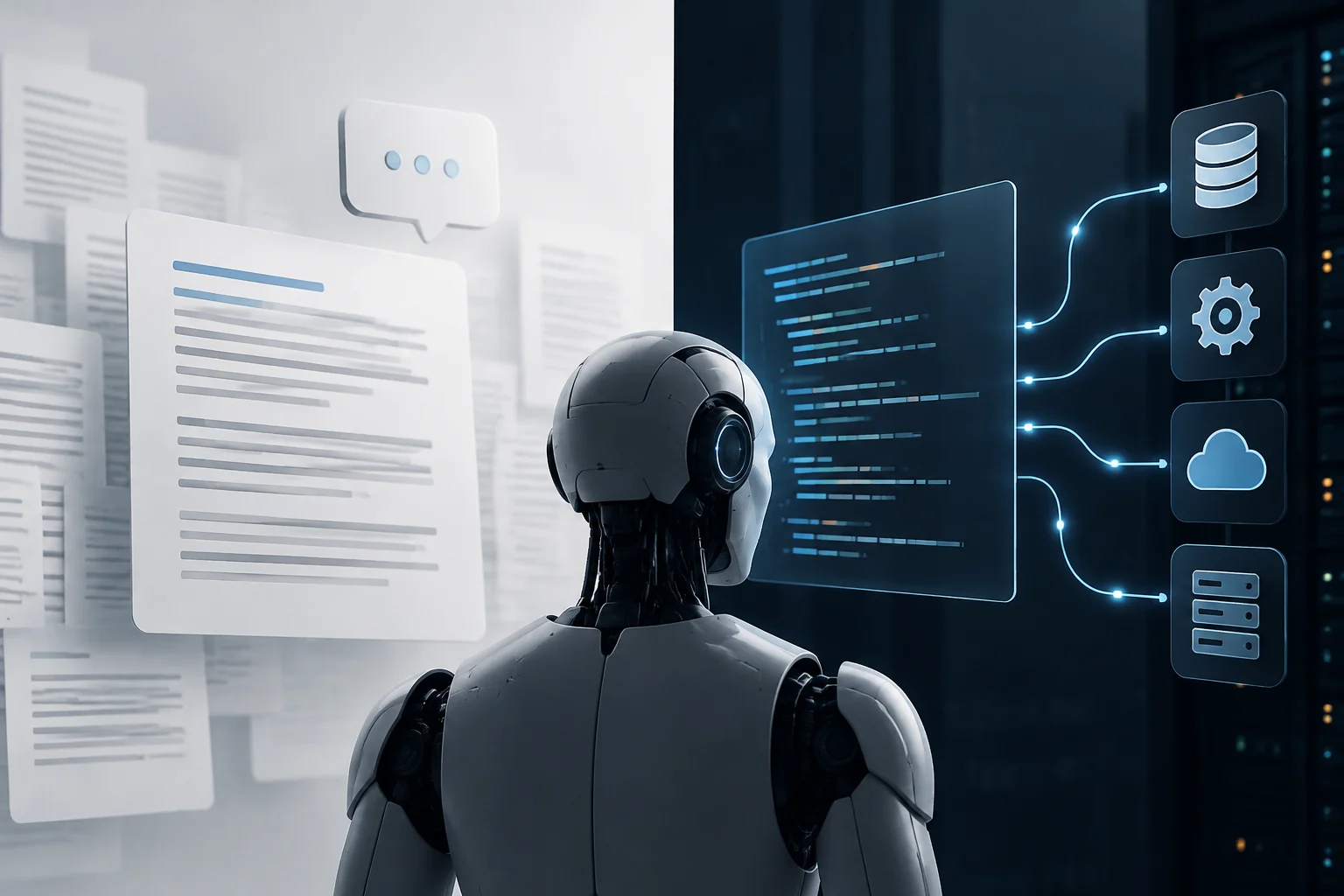
Google's strategy for 2026 is not limited to improving the quality of textual responses, but to embedding AI in work environments. According to the analysis of the conference coverage, the company seeks to move artificial intelligence from an isolated chat interface to places where work is already produced: Search, Gmail, Google Workspace, Android, and Chrome.
This deep integration allows agents not only to generate content but to operate within existing ecosystems. For example, an agent can review an email, extract relevant information, update a spreadsheet, and schedule a meeting without the user having to switch applications. The goal is for AI to act as a transparent interface layer that facilitates productivity without interrupting the workflow.
Gemini 4 Argon and New Frontier Capabilities
To sustain these agentic capabilities, Google has introduced Gemini 4 Argon, its new frontier model. This model is specifically designed to handle high-complexity tasks, such as analyzing extensive business reports, creating detailed presentations, or developing 3D models. Its architecture allows maintaining context over long interactions, a fundamental requirement for agents to complete full projects without losing coherence.
In addition to Argon, complementary tools were presented such as Gemini Omni, which allows creating and editing videos through natural conversations, and Neural Expressive, a new functional design language that adapts the user interface to the AI era, including typography, haptics, and dynamic colors. These tools demonstrate that the company is working across the entire stack, from the base model to the final user experience.
Integration in Devices and Accessories
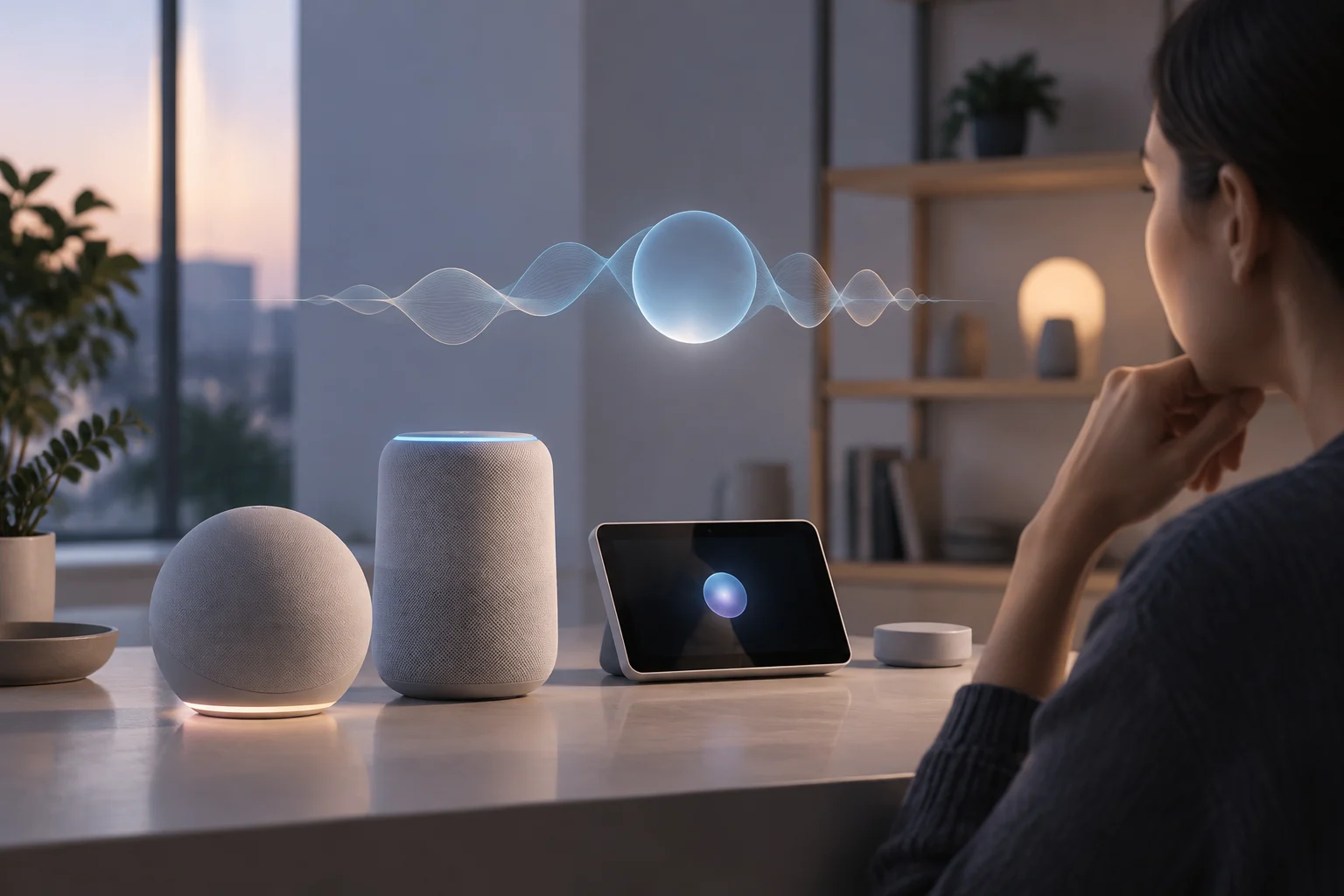
The availability of these features is not limited to the cloud. Google has updated its Gemini accessories platform, allowing devices such as Bluetooth headphones and other peripherals to link directly with the assistant. These devices do not function independently, but act as entry points to interact with the agent on a compatible main device, such as an Android phone.
This ecosystem strategy seeks to make interaction with AI omnipresent. The user can start a task on their phone, continue it through their headphones while driving, and finish it on their desktop computer, maintaining the same conversational context. The accessories platform supports Bluetooth devices that offer a sophisticated voice interface, allowing receiving notifications, managing messages, and executing complex commands without touching the screen.
Implications for Developers and Businesses
For technology professionals, I/O 2026 sends a clear message: competition in AI no longer centers solely on the raw power of the model, but on who owns the workflow. Companies that manage to integrate agents capable of remembering context, using external tools, and operating securely in enterprise environments will have a significant competitive advantage.
Android developers have access to new APIs and tools in Android Studio, including the Gemini Agent, which allows generating code, detecting errors, and optimizing performance directly from the editor. This native integration in the IDE reduces friction for incorporating AI capabilities into mobile applications, accelerating the development cycle and allowing more apps to offer agentic experiences to their end users.
Privacy and Security Considerations
As agents gain autonomy, permission management and security become critical aspects. Experts recommend that users carefully review the permissions requested by AI assistants before connecting them to emails, calendars, or sensitive files. It is fundamental to decide which actions must always require explicit user confirmation to avoid unwanted executions.
Google has emphasized the importance of transparency in how agents process information and make decisions. However, the proactive nature of Gemini Spark implies that the system can perform actions based on inferences, which requires a delicate balance between the convenience of automation and human control. Organizations adopting these technologies must establish clear AI governance policies to mitigate operational and compliance risks.