Two days and seven business sectors
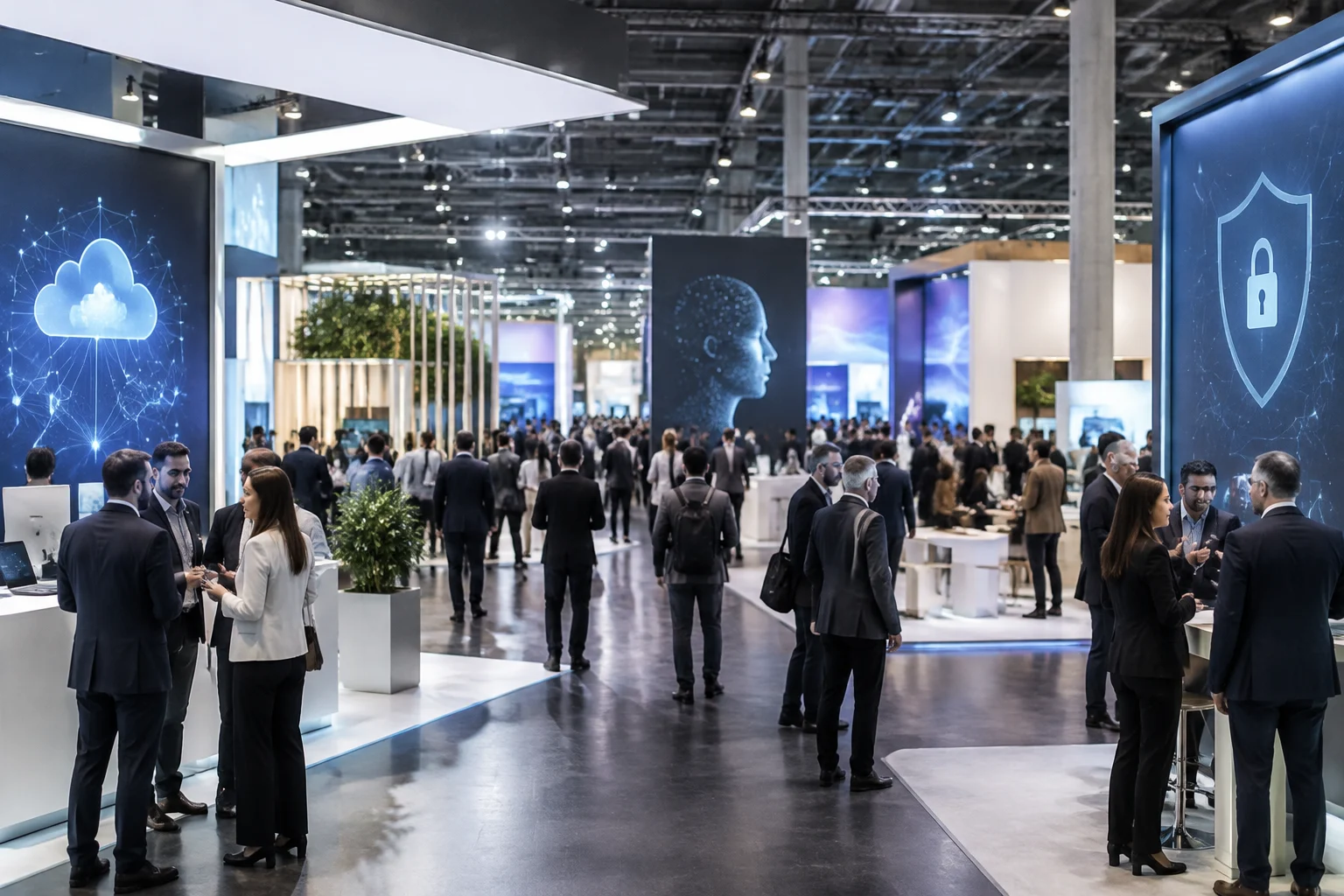
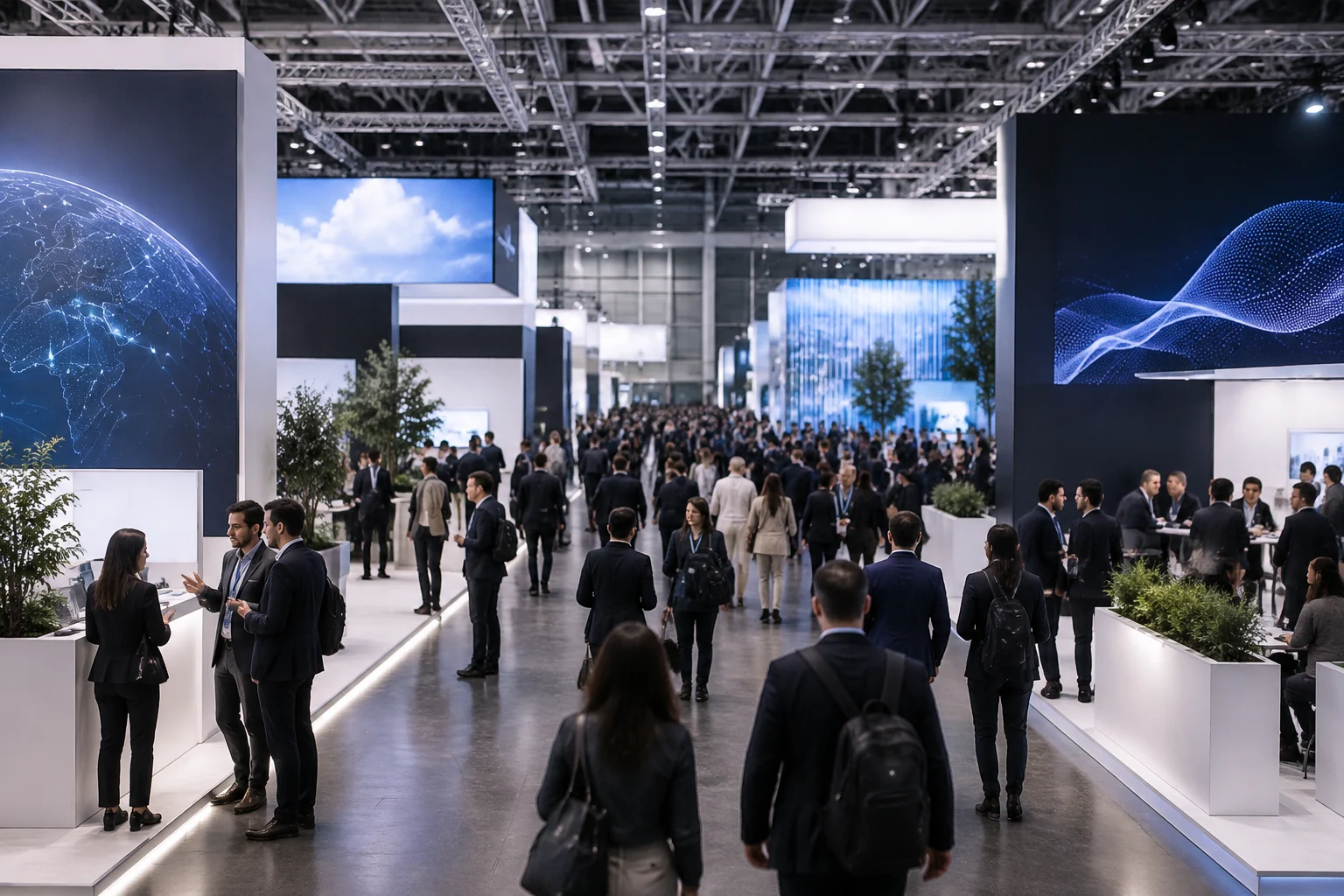
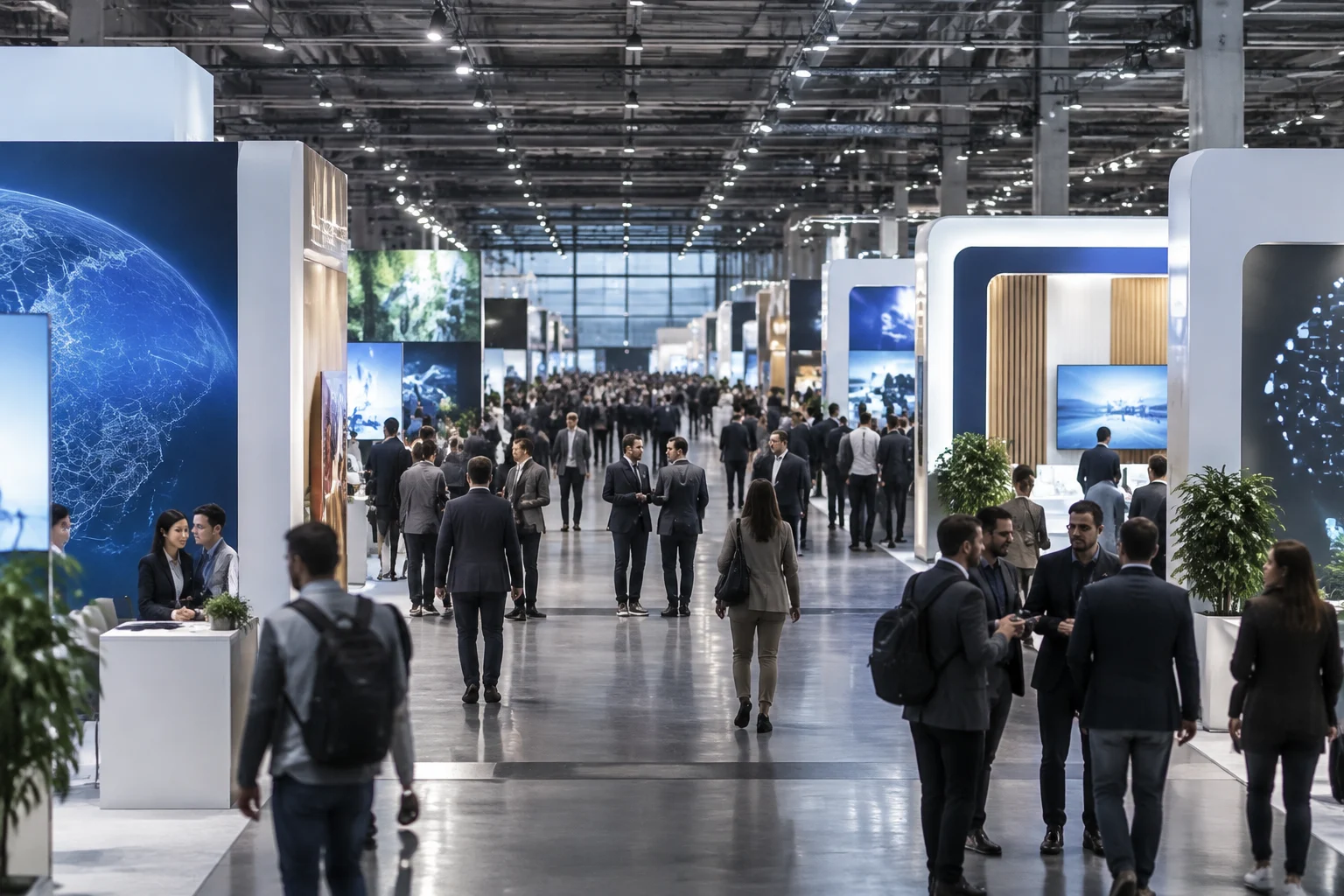
Tech Show Madrid held its sixth edition on 4 and 5 November 2026 at IFEMA Madrid. The event brought technology and business professionals together at one venue, with a programme combining talks, panel discussions and exhibition spaces.
The organizers announced that more than 29,000 professionals attended. They also reported participation by more than 500 exhibiting companies and more than 450 speakers across more than 18 auditoriums running simultaneously. These figures come from the organizer’s event report and describe the scale of the show; they are not an independent measure of commercial impact or technology adoption.
The event was divided into seven sectors: Cloud & AI Infrastructure, Cyber Security World, Big Data & AI World, Data Centre World, E-SHOW, Technology for Marketing, and HR & Learning Technologies. This mix allows technology and business leaders to explore infrastructure, security, data, digital commerce and people management during a single visit.
Tech Show Madrid 2026: organizer-reported figures
The organizer’s post-event report summarizes the event’s attendance, exhibitors, speakers and simultaneous auditoriums.
| Reported attendance | More than 29,000 professionals |
|---|---|
| Exhibitors | More than 500 companies |
| Speakers | More than 450 |
| Conference auditoriums | More than 18 |
Figures are reported by the organizer and do not independently measure commercial impact or technology adoption.
Sources and references1
The subjects on the programme
The programme published by the organizers reflected both technologies and operational challenges. Cloud and artificial intelligence sessions covered digital sovereignty, infrastructure resilience, FinOps and the transition from pilots to enterprise deployments. Cybersecurity discussions included human risk management, incident response and the protection of cloud environments.
At Big Data & AI World, the programme featured discussions about AI agents, governance and business outcomes. These subjects help show which issues dominated professional discussion, but they do not demonstrate that organizations have already deployed autonomous agents, automation or AI at scale.
Data Centre World devoted sessions to energy, sustainability, cooling, design and capacity for AI workloads. Meanwhile, E-SHOW and Technology for Marketing addressed mobile commerce, payments, omnichannel strategies, customer-journey automation, conversion optimization and conversational search. HR & Learning Technologies added topics including AI for human resources, people analytics and corporate training.
Speakers and organizations represented
The programme listed participants from companies and organizations in different sectors. Names associated with infrastructure and business sessions included professionals from MAPFRE, Sanitas, ING, Banco de España, Banco Santander, SIXT, Naturgy and Cabify. The agenda also featured technology providers and industry associations.
The sessions brought together perspectives from customer organizations and suppliers, offering a useful way to compare how a need is described with the solutions available in the market. A company’s presence on a panel or at a stand does not, by itself, amount to institutional endorsement of every product, nor does it reveal the scale of that company’s deployments.
The programme also included a session on the Smart Industry 4.0 report, with participants connected to the Observatorio de Industria y Tecnología and industrial companies. This provides a starting point for discussing industrial digitization; the report’s specific figures or conclusions should be considered in their own context, not treated as a general finding from the trade show.
The event report: stated reach and a measured reading
In its post-event announcement, Tech Show Madrid put attendance at more than 29,000 and reported the participation of more than 500 exhibiting companies and more than 450 speakers. The organizer also said the event generated an economic impact of more than €100 million for Madrid, according to Agustín Torres, president of CloserStill Media España.
The announcement highlighted business applications of AI, profitability and governance, alongside data-centre energy efficiency, cybersecurity and the evolution of digital commerce. These priorities help explain the event’s editorial and commercial focus, but they are not the conclusions of a representative study of all Spanish companies.
The event report also announced the seventh edition for 27 and 28 October 2027, in halls 7 and 9 at IFEMA Madrid. For prospective attendees, the next event could offer opportunities to learn, compare suppliers and make contacts. Purchasing and technology-architecture decisions, however, also require a review of each solution’s requirements, costs, security and integration.
How to use the show to make decisions
For a professional team, the practical value of a trade show this size depends less on trying to see everything than on connecting the visit to a specific decision. That might mean comparing cloud alternatives, reviewing a security strategy, assessing cooling needs for a data centre or identifying e-commerce tools compatible with existing systems.
A little preparation can make conversations easier to compare: write down the problem to solve, ask about integration and requirements, and record who operates the solution and what recurring costs it involves. A commercial demonstration is no substitute for a technical evaluation; performance, security and compatibility claims should be checked against supplier documentation and tests suited to each organization.
With more than 18 auditoriums running simultaneously, planning a visit around one or two priority topics can help attendees choose sessions, set aside time for meetings and allow time to move between halls.
What attendance cannot establish
A conference brings together discussions, demonstrations and commercial proposals, but it does not measure market-wide technology adoption on its own. Visitor numbers do not show how many companies deployed a solution, what results they achieved or whether a pilot project reached production.
Tech Show Madrid’s figures are therefore stronger as a reference for the event’s size and agenda than as an indicator of digital maturity in Spain. Assessing adoption or return requires data with a defined methodology, scope and period, as well as verifiable results beyond the exhibition floor.
The value for each attendee will depend on their role, needs and the quality of the conversations they have. An infrastructure specialist might prioritize energy, cloud and data centres; a digital-commerce team might focus on payments, conversion and logistics. In either case, a sensible next step is to turn what they learn into their own requirements and evaluation criteria.