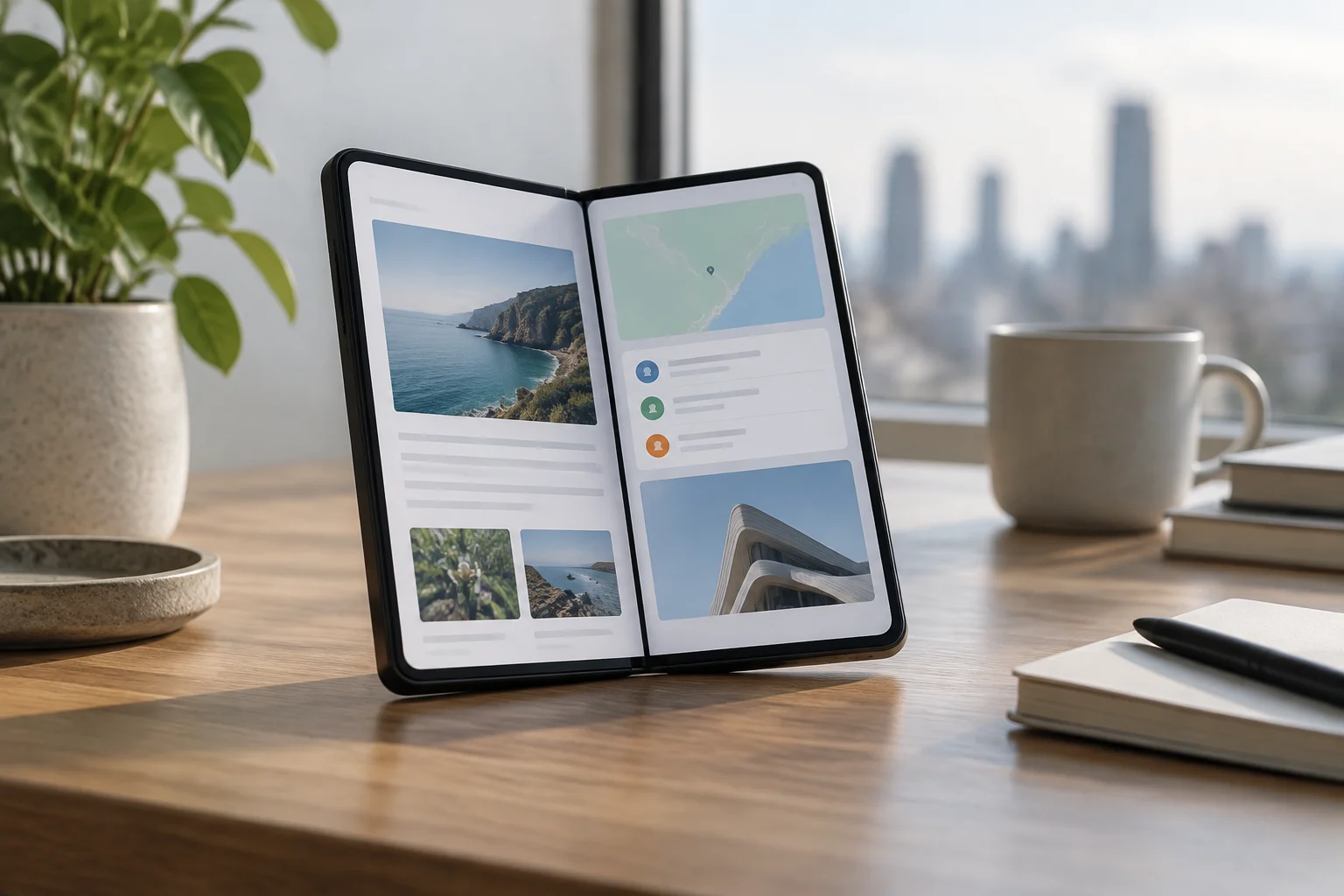
A retrospective published in July, not a product announcement
On July 10, 2026, Samsung published a retrospective on seven years of foldable innovation in the Galaxy family. It recalls the 2019 launch of the Galaxy Fold and presents subsequent developments as ongoing improvements in design, engineering, and the user experience. The article reviews Samsung’s own history and closes by inviting readers to follow its future announcements.
The context matters because Samsung published other foldable-related content in July. On July 6, it issued a review of the Spanish market, and on July 23, EFE Comunica distributed information from Samsung about Mexico. Those communications make corporate claims about leadership and adoption, but they do not turn the retrospective into an independent report. Its main purpose is to explain how Samsung interprets its own trajectory. Company history and promotion are distinct when reading its conclusions.
From the Galaxy Fold to the Galaxy Z family
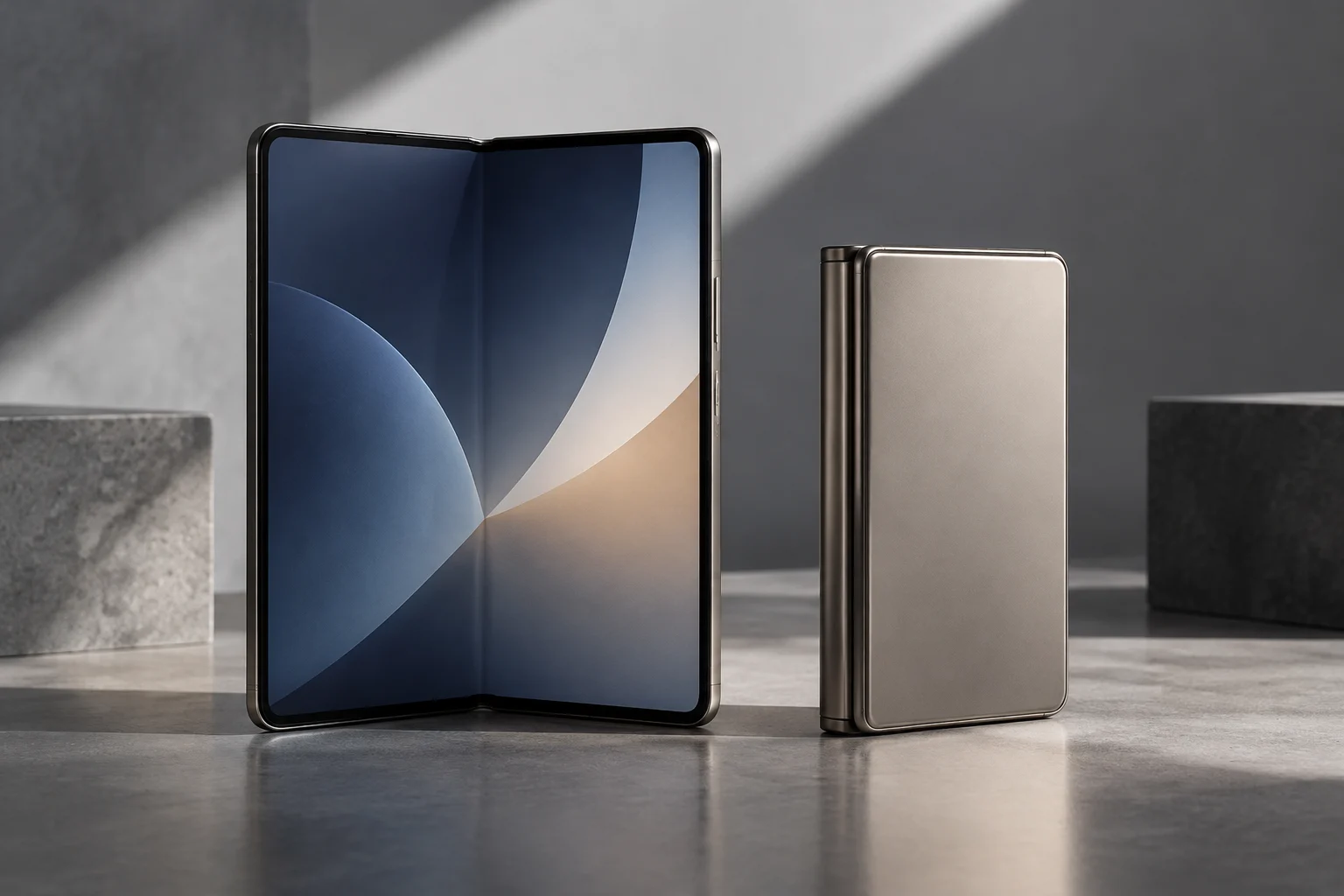
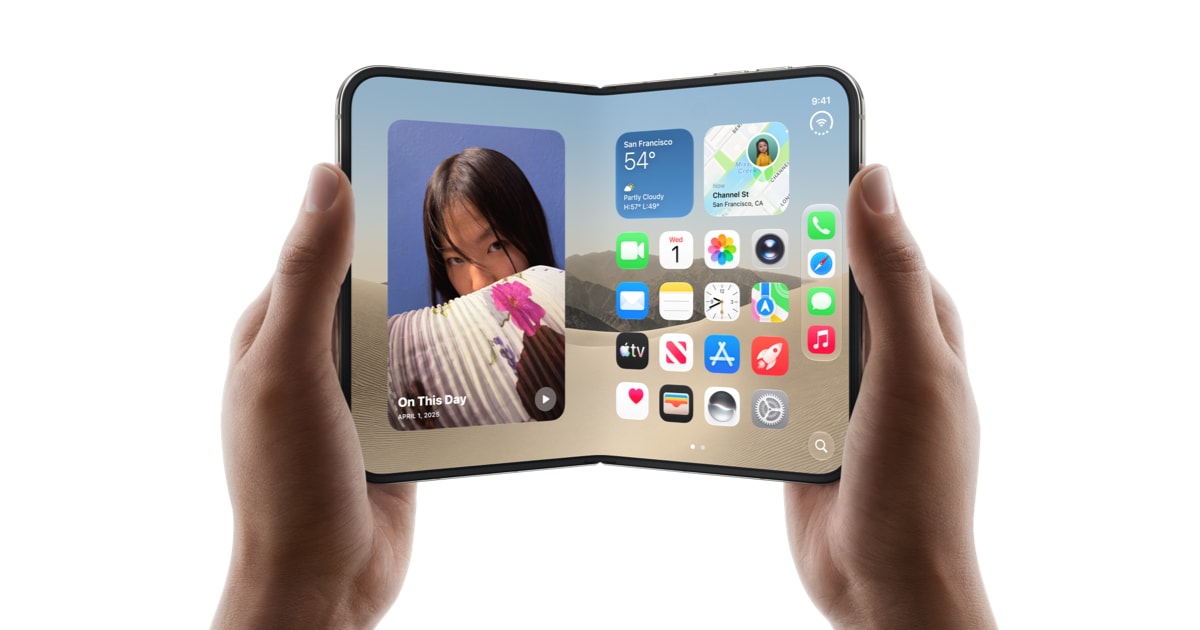
Samsung dates the story to the original Galaxy Fold in 2019, a phone that opened to reveal a larger main display. In its retrospective, the company describes that model as the beginning of a new category of mobile experiences. That is Samsung’s interpretation of the milestone, not a neutral measure of which company alone defined the market. The concrete milestone is the launch of the Fold format and its place in Samsung’s strategy.
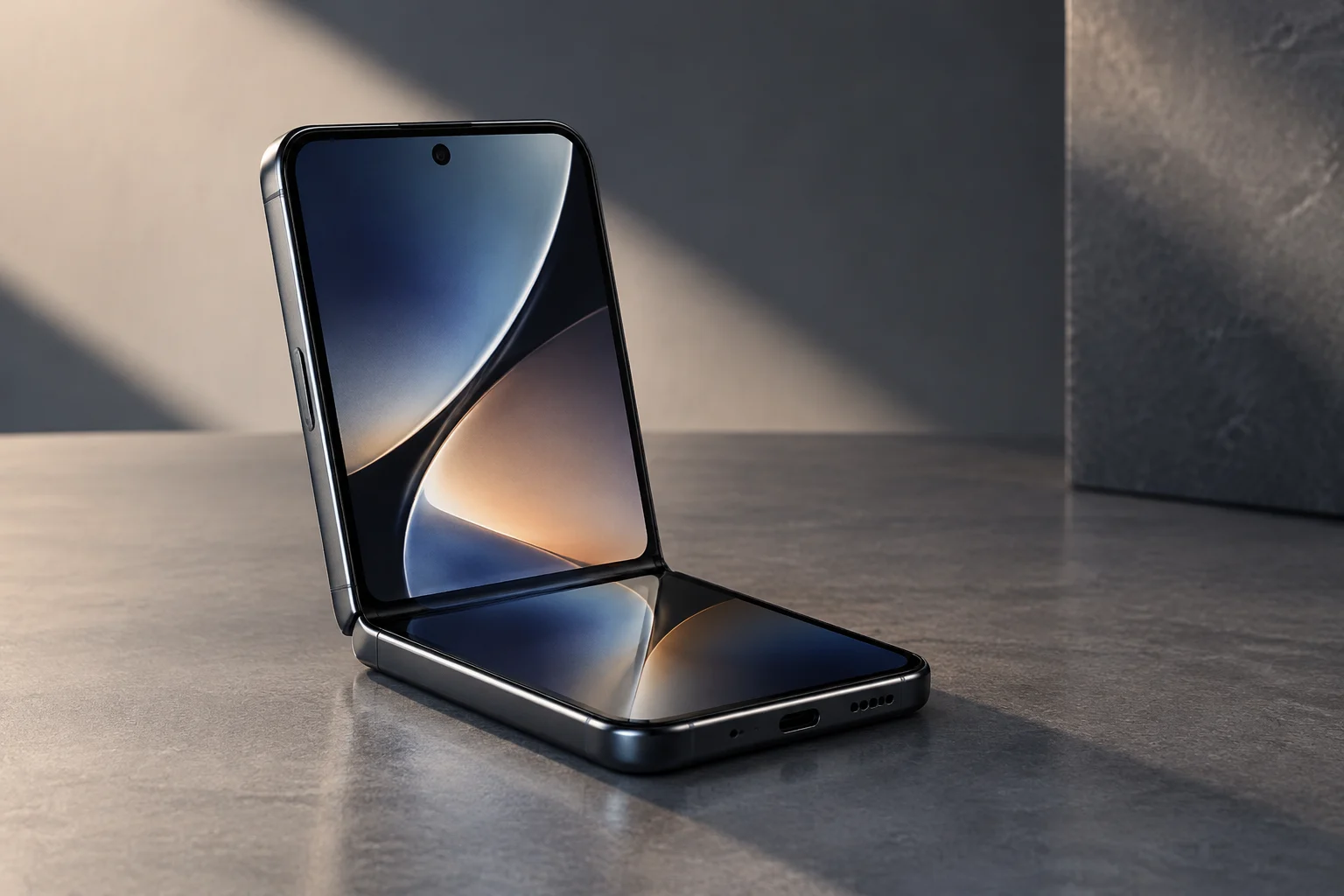
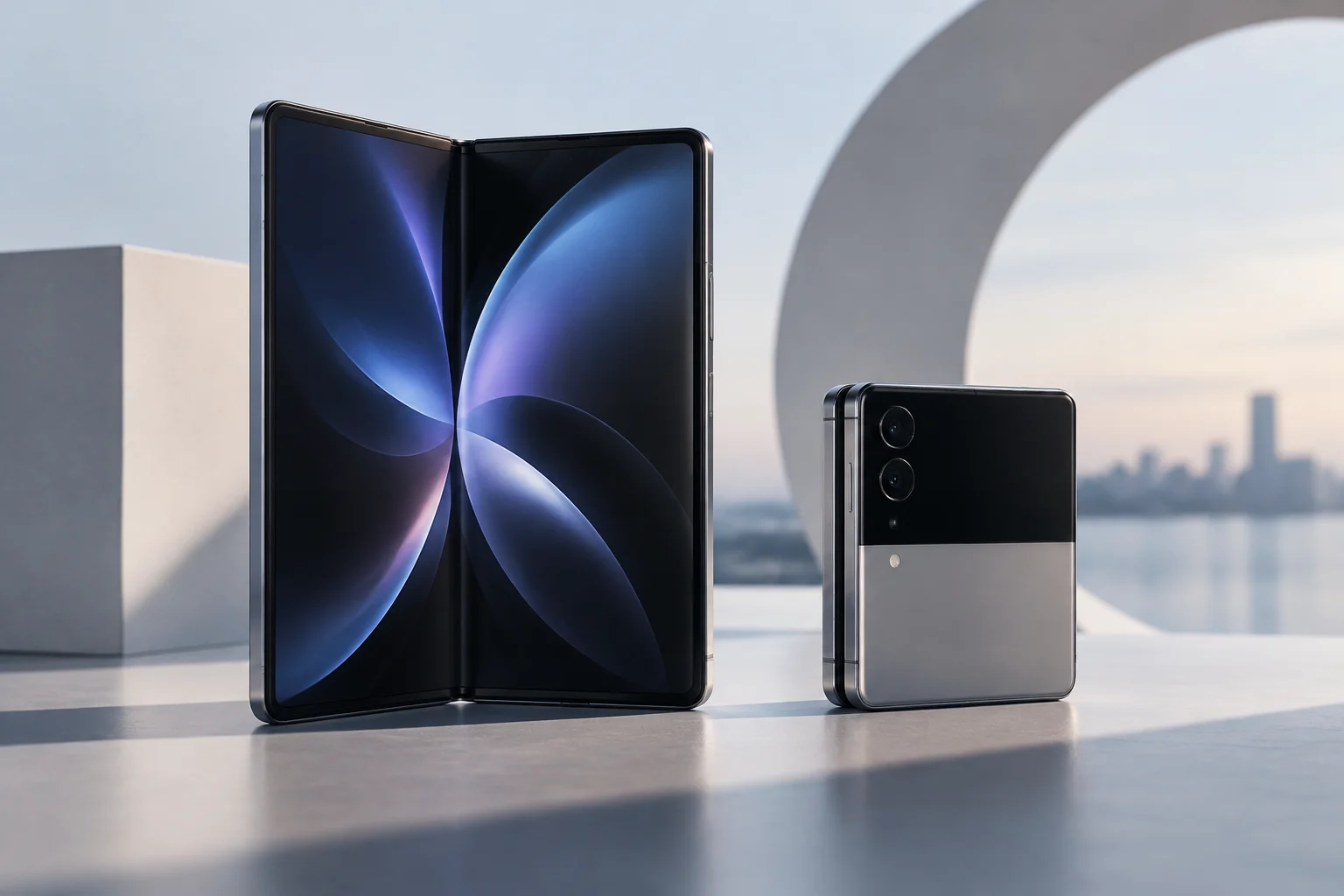
The company says it later expanded its offering with Galaxy Z Flip, bringing the clamshell form factor into the modern era. Fold and Flip represent two designs: book-style devices open to reveal a large main screen, while clamshell models fold into a more compact form.
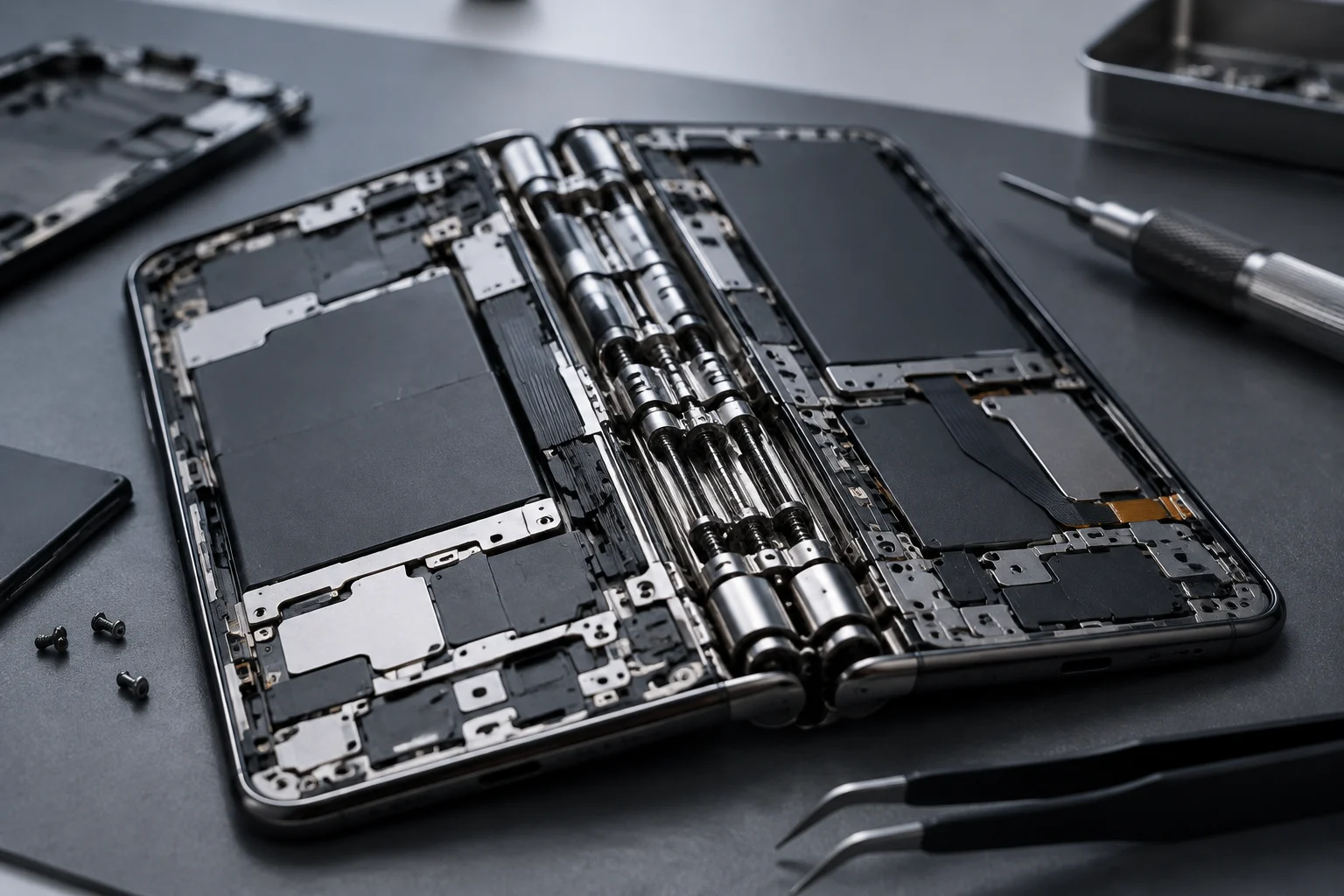
Samsung also points to cumulative changes in materials, hinges, and durability. The milestones it names include Ultra Thin Glass, IPX8 water resistance on foldables, and a hinge called Flex Hinge. These are examples selected by the company to illustrate its development; on their own, they are not comparative evidence of durability across brands or models.
Samsung’s foldable milestones highlighted in its retrospective
A timeline of the milestones Samsung chose to emphasize in its account of Galaxy foldables.
-
2019 · Galaxy Fold
Samsung’s starting point
-
Later lineup expansion · Galaxy Z Flip
Clamshell format
-
Selected design milestones
Ultra Thin Glass · IPX8 · Flex Hinge
-
July 10, 2026 · Retrospective
Samsung’s account of its product history
This reflects Samsung’s selection of milestones, not a comparative assessment of the foldable-phone market.
Sources and references1
How the experience changed, according to Samsung
Samsung’s account describes a transition: the early years focused on making foldable hardware viable, while later generations aimed to improve everyday use. The company highlights engineering and design developments such as Ultra Thin Glass, IPX8 water resistance, and the Flex Hinge. The retrospective presents these milestones as part of the evolution of its foldables.
In a 2019 demonstration, Samsung described two Galaxy Fold software features: App Continuity, which lets users continue an app when moving from the outer screen to the inner one, and Multi-Active Window, which displays several apps at once. The demonstration illustrates an early promise of the form factor: not just a larger display, but a different approach to continuity and multitasking. That use case predates current features and should not be mistaken for an assessment of their performance on later generations.
The 2026 retrospective highlights the advances Samsung considers central to the development of its foldables, including Ultra Thin Glass, IPX8 water resistance, and the Flex Hinge. This is the company’s own selection of milestones, not an independent comparison of models.
A corporate history, not a measure of the market
The retrospective describes Samsung as a pioneer and says its innovation has been continuous. Those statements are best read as brand positioning: Samsung is discussing its own products and selecting milestones that support its account. They are not independent verification of leadership, market share, or user satisfaction.
In a separate publication, Samsung Electronics Iberia said its devices accounted for 93% of foldables sold in Spain through the end of the first quarter of 2026. The company also reported user figures and sales rankings; these are Samsung’s figures for a specific market and period. They should not be extrapolated to other countries or presented as global statistics. Geographic and temporal scope shape how market share should be read.
The distinction is useful for anyone following the sector: a corporate retrospective can show how a manufacturer frames its decisions and which technologies it chooses to emphasize. Its scope is Samsung’s account of its products and history; by itself, it does not provide an independent assessment of the market.
What it adds to understanding Samsung’s strategy
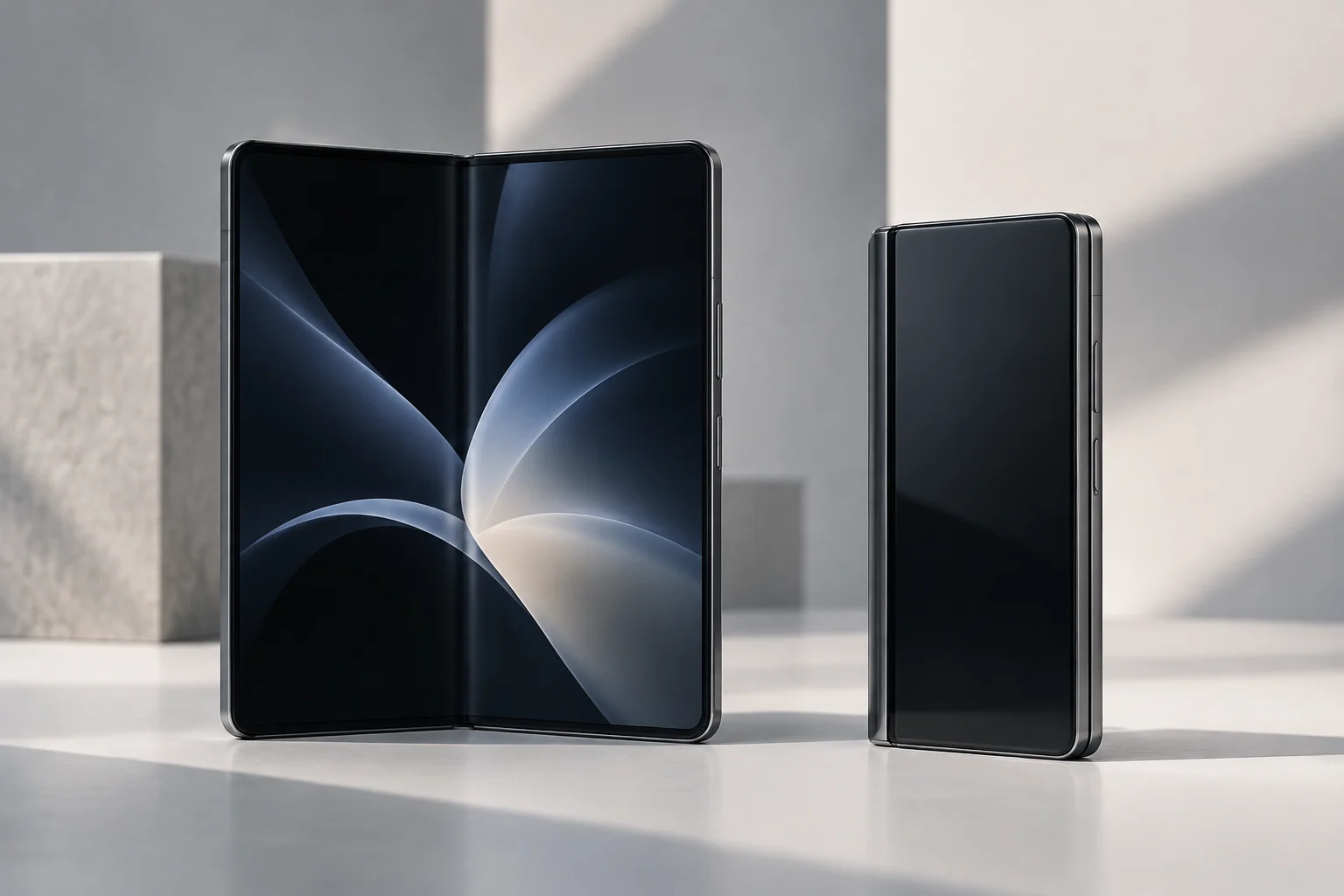
Samsung associates the Fold and Flip formats with different use cases: Fold with a larger screen and multitasking, and Flip with portability. When choosing between the two formats, consider which better fits your priorities.
The product history also helps distinguish a design innovation from a functional improvement. A flexible display may attract attention, but its usefulness depends on how often it is used open and closed, how well apps adapt, and how comfortable the device is in the configuration used most often. If a phone is used mainly while closed and without multitasking, the larger inner display may matter less than portability or price.
Samsung’s retrospective traces milestones in the evolution of its foldables since 2019 and ends by inviting readers to follow the company’s future announcements. That invitation does not confirm the features, schedule, or availability of a future product.
How to read future milestones
To follow developments without mixing facts and expectations, distinguish products already announced from Samsung’s claims about its progress and leadership, as well as rumors or forecasts about models that have not been announced. The July retrospective reviews the company’s history and presents its own claims about innovation and leadership.
It also helps to keep the two main formats separate. Fold and Flip serve different priorities, so an improvement to one does not necessarily mean an equivalent improvement to the other. A useful comparison starts with how you use a phone: workspace, portability, app compatibility, and tolerance for thickness or a visible crease.
Samsung’s retrospective documents how the company wants its journey since 2019 to be understood: from early experimentation to a product family with different models and successive improvements. As a brand history, it provides context; as an analysis of the overall market or a guarantee of what comes next, it has clear limits. It does not, by itself, preview the next chapter.