The difference lies in control, not necessarily in filtration
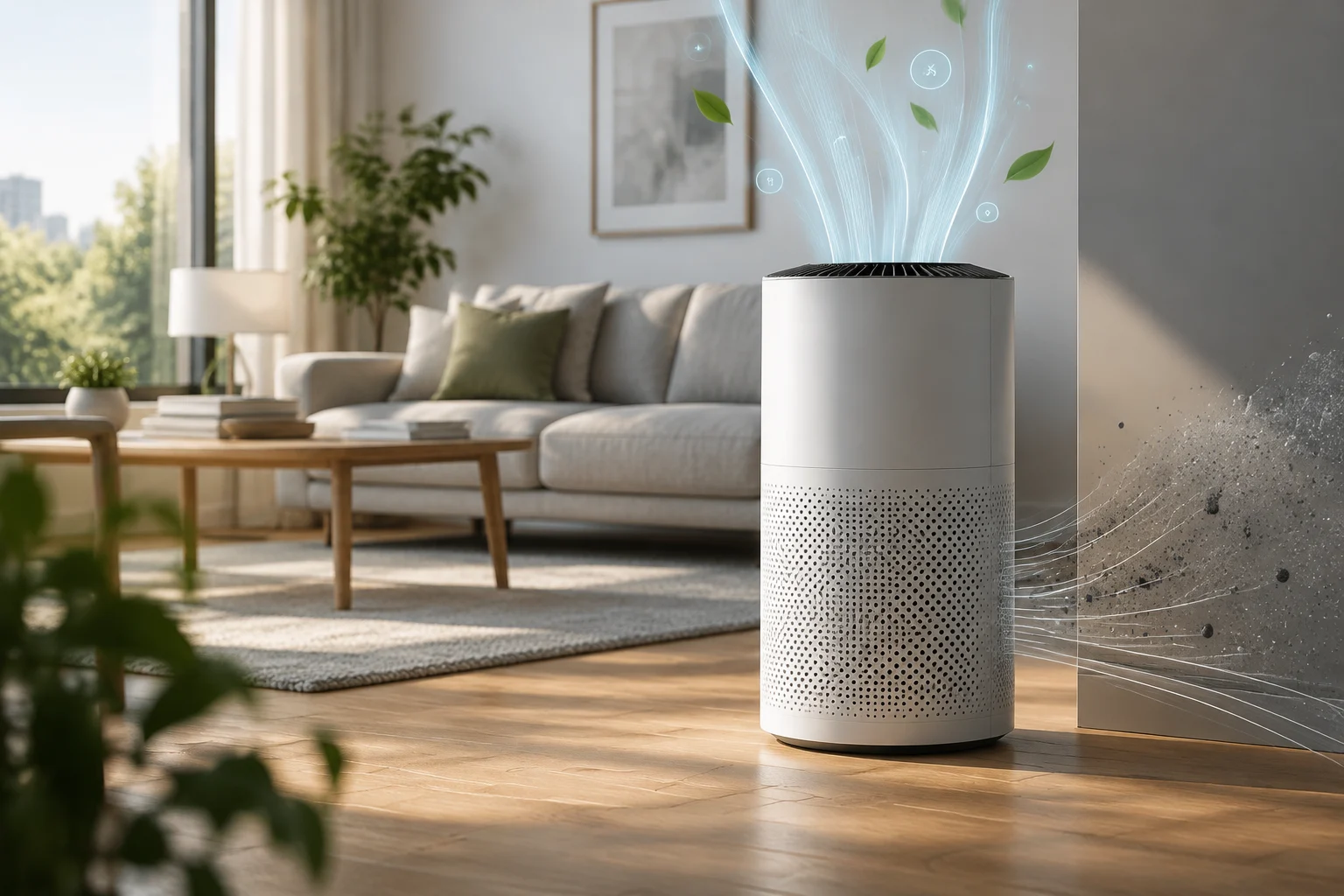
A purifier described as 'smart' may include sensors, automatic mode, app connectivity, or remote controls. These functions change how the device is managed, but they do not indicate by themselves how much air it can clean. A unit without Wi-Fi can filter effectively; a connected one may be insufficient for a large room if its capacity does not match the space. The 'AI' label also does not allow deducing which pollutants it treats or how much air it processes.
To compare them, it is advisable to separate three elements: the filtration method, the air-moving capacity, and automation. The filter medium determines which particles or gases it can capture or adsorb; airflow and design influence the volume processed; sensors can intervene in fan speed. Detecting a condition is not equivalent to eliminating the pollutant that causes it: measurement is only an input for device control.
Inventor's Quality 550 illustrates how these functions combine in a specific model: its spec sheet lists PM2.5, volatile organic compound, and light sensors, and describes an automatic mode that can adjust fan speed. It is a feature of that model, not a universal characteristic or proof that it incorporates artificial intelligence. When comparing units, it matters what each sensor measures and which function it controls.
Cleaning capacity: how to interpret CADR
CADR (Clean Air Delivery Rate) is a metric for comparing the cleaning capacity of portable purifiers. The EPA includes this measure in its technical guide on evaluating and selecting such equipment. A sensor does not compensate for insufficient capacity: automation cannot exceed the limit of air the device processes in a given time.
When reviewing a spec sheet, check the CADR value, its unit, and, when indicated, the reference pollutant. Do not assume equivalent surfaces advertised by different manufacturers: room volume, ceiling height, and air renewal assumptions can change the comparison. Device location and selected speed also count. A higher CADR indicates more clean air delivered, but it must be valued in relation to the intended space and use.
The practical decision is to first choose a capacity suitable for the room and then compare noise, power, and controls. Automatic mode can modulate the fan, but that does not prove the unit maintains a specific air renewal rate at all times. The EPA notes that purifiers must be operating to be effective: when off, the device does not filter air. Therefore, usage continuity is part of practical performance.
Filters and technologies: distinct functions and maintenance
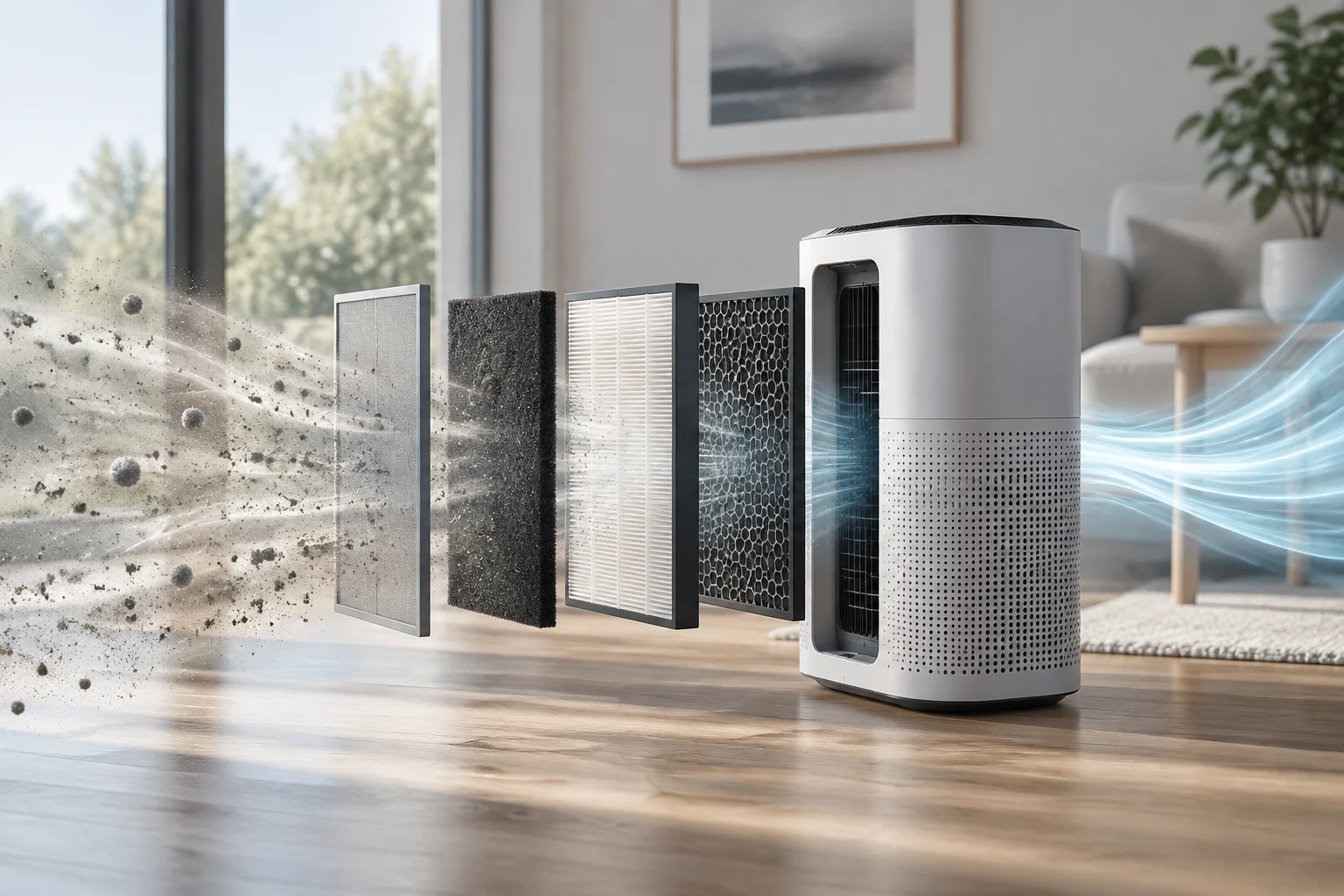
HEPA is a type of fibrous filter for particles; it is not synonymous with sensor or artificial intelligence. The EPA distinguishes fibrous filters, including HEPA, from other technologies such as electrostatic precipitators, ionizers, and ultraviolet germicidal irradiation. Each technology works differently. The list of filtration stages, by itself, does not determine the overall performance of the device or its suitability for a specific pollutant.
Filters also target different pollutants. A HEPA medium captures particles; adsorbent materials like activated carbon are used for certain gases. A sensor measuring particles does not necessarily inform about the status of a medium intended for gases or odors. Therefore, an air quality reading is not a complete diagnosis of all filters or all pollutants present.
Lifespan depends on filter type, pollutant load, and hours and conditions of use. Manufacturer instructions are the reference for cleaning or replacing each component; a maintenance alert must be interpreted according to the model. Before buying, review which parts require attention and if replacements are available in your market. Include filter costs in the comparison, in addition to the initial price.
Consumption: automatic mode does not guarantee savings
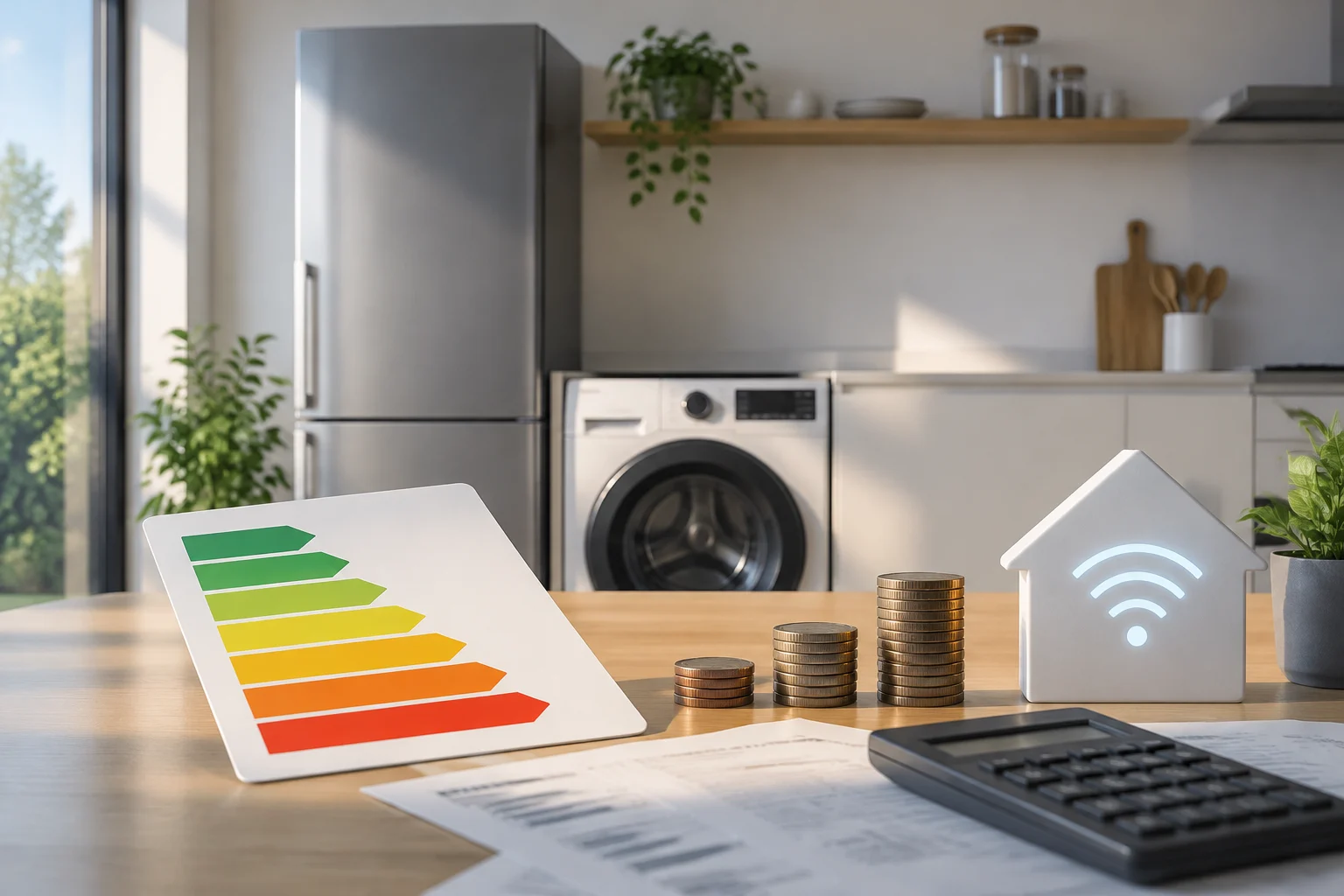
Power consumption depends, among other factors, on fan power, selected speed, and operating time. A sensor can make the device increase or decrease speed based on its readings; this changes its operating pattern, but it is not enough to conclude it will consume less than a basic model. Comparing requires power data and equivalent usage conditions. If the unit maintains high speed upon detecting poor air quality, its consumption could increase.
Look for power in watts for available speeds and standby consumption, if the manufacturer publishes such data. If it offers an annual estimate, check operating hours and assumptions used. Scheduling can reduce usage time if it modifies your habits; the mere presence of an app or automatic mode does not quantify savings. Compare consumption under equivalent conditions to obtain a useful reference.
Usage cost also includes maintenance: the EPA addresses operational electricity costs and practical considerations related to purifiers. Compare energy and replacements separately; the presence of sensors does not prove filters last longer. Actual use, the pollutant to be treated, and filter design affect maintenance needs.
App, connectivity, and local controls
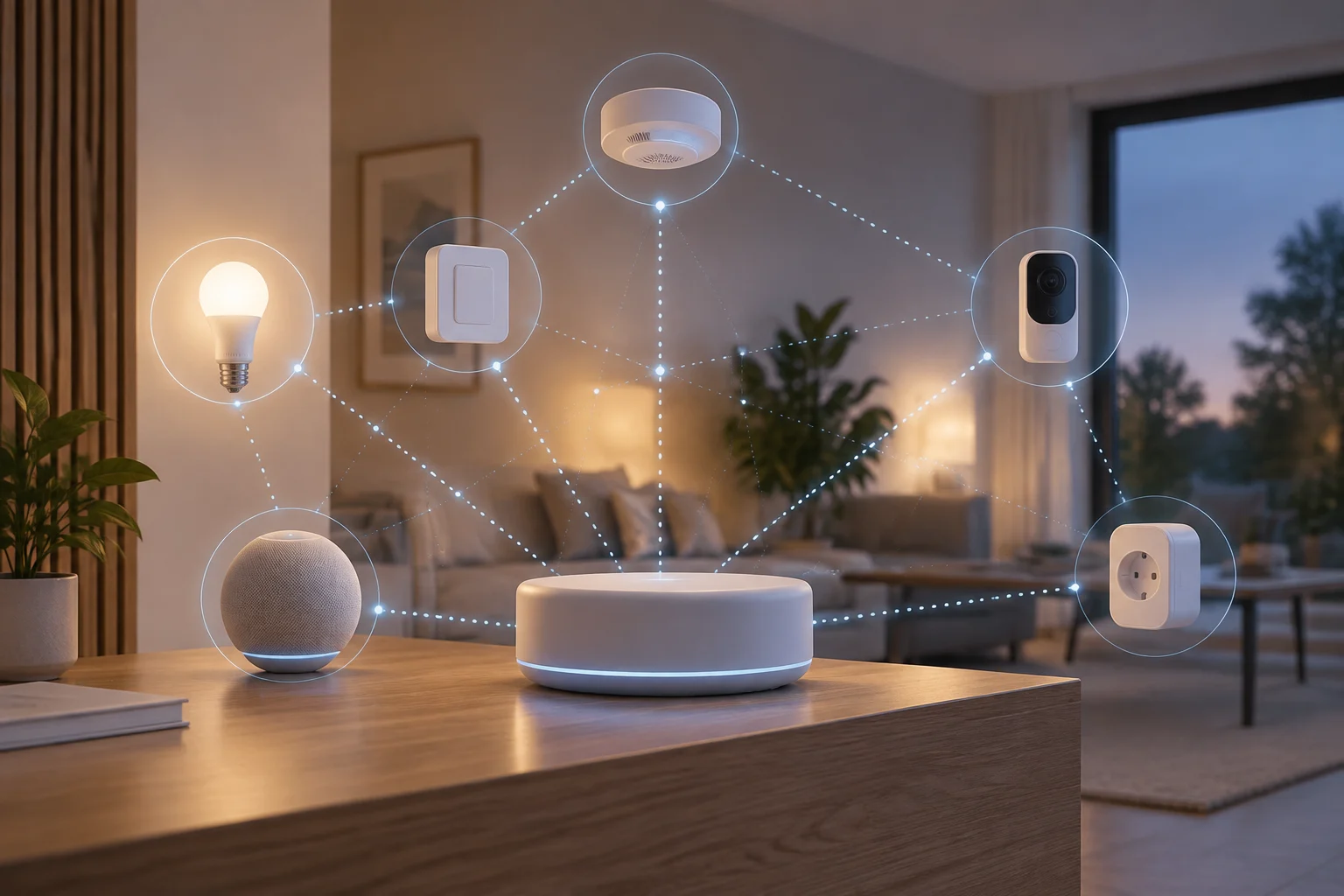
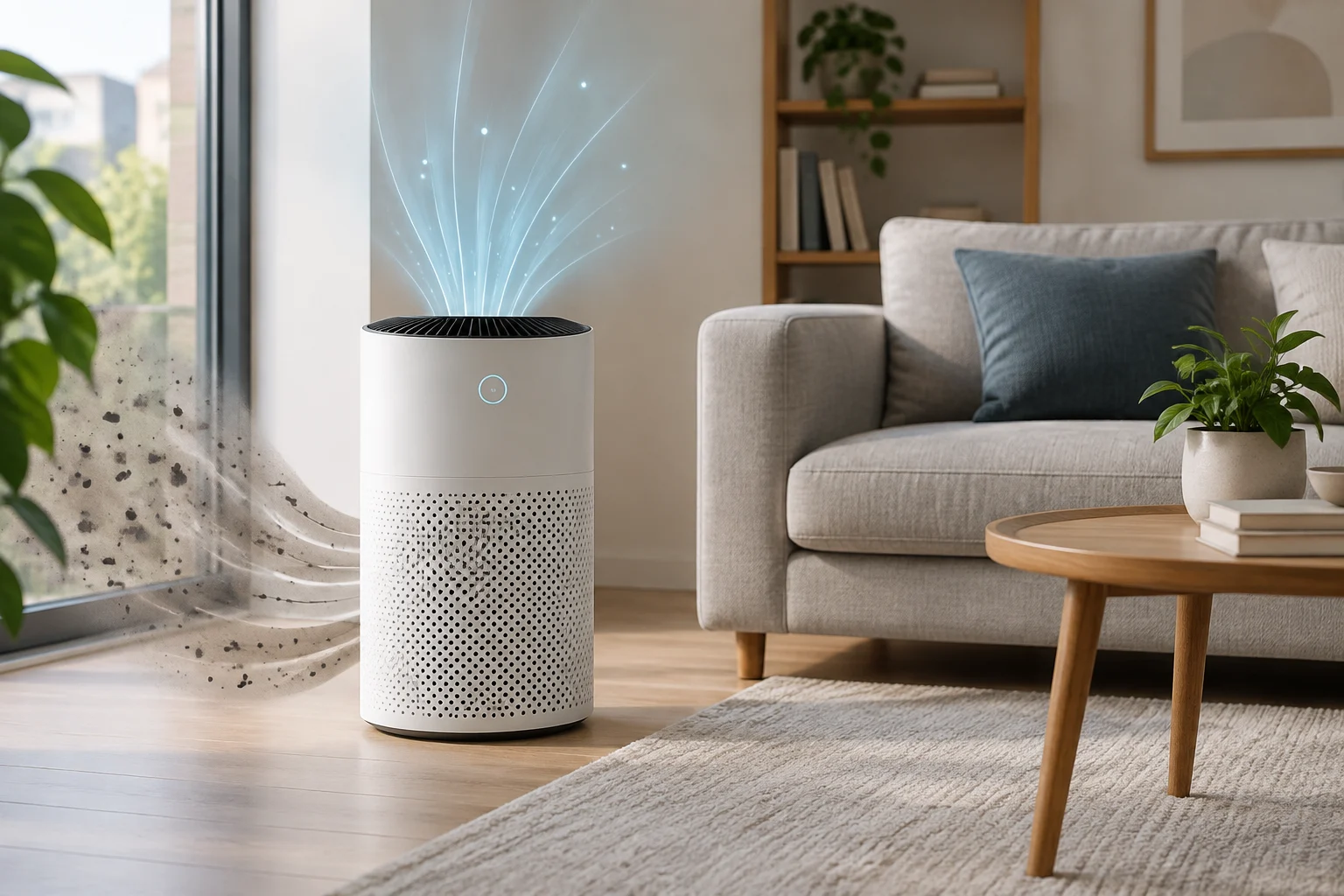
Connected features may include remote control, scheduling, notifications, or data consultation, but vary by product. Eoleaf describes the use of Tuya Smart to control and monitor certain functions of its connected purifiers. Features depend on the manufacturer and model; check compatibility and required configuration for the device you are interested in, because not all systems work the same.
Before buying, consult the manual to know which controls are available on the device itself and which require an app. It is also advisable to check if automatic mode works offline, if schedules remain saved when internet is lost, and if an account is needed to configure the unit. Specific behavior depends on the model and its configuration.
If you do not need remote control or to check readings from your phone, connectivity may not be a priority. It can be practical for scheduling operation or checking device status remotely, if the model allows it. Do not confuse control convenience with filtration capacity: they are distinct features. The app does not compensate for insufficient cleaning capacity for the room, so digital functions are an extra, not the basis of performance.
What to compare before choosing
Sensors can display readings and, in certain models, intervene in automatic speed. Apps can add remote control and scheduling. To decide if these functions justify their cost, compare them with cleaning capacity, filter type, and maintenance. Connectivity, by itself, does not indicate how many particles the device captures or which gases it can treat.
A practical comparison can be made in this order:
- Match CADR and indicated coverage to the size and use of the room.
- Identify which pollutants you want to treat and what type of filtration the unit offers.
- Compare power and noise at the speeds you would actually use.
- Check maintenance instructions and availability of replacement filters.
- Verify which sensors and controls work on the device and which require an app or connection.
Total cost depends on the model and usage pattern; the word 'smart' does not automatically imply less consumption or simpler maintenance. Prioritize capacity and suitable replacements. Pay for connected features if you truly need them, without confusing them with the basic efficacy of the purifier.
A practical order for comparing air purifiers
Compare the cleaning task first, then assess the features that affect operation and ownership. This sequence keeps automation separate from filtration capacity.
-
Cleaning capacity
Check CADR and room-size assumptions
-
Filtration
Match the method to the pollutant
-
Power and noise
Compare at relevant fan speeds
-
Maintenance
Check instructions and replacement costs
-
Sensors and controls
Verify local and connected features
Specific performance and maintenance depend on the model, room conditions, and use.