The Shift to Long-Term Software Support
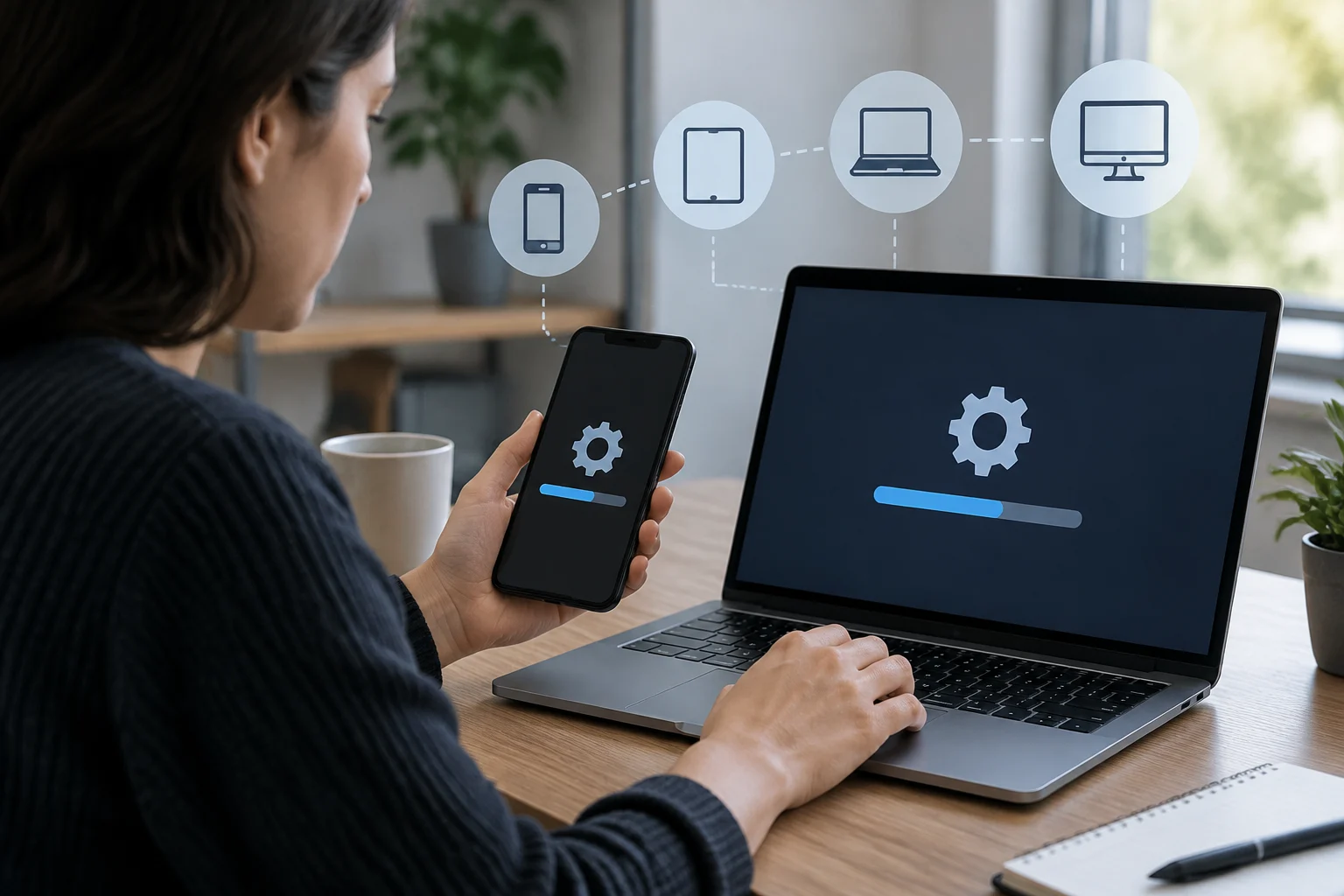
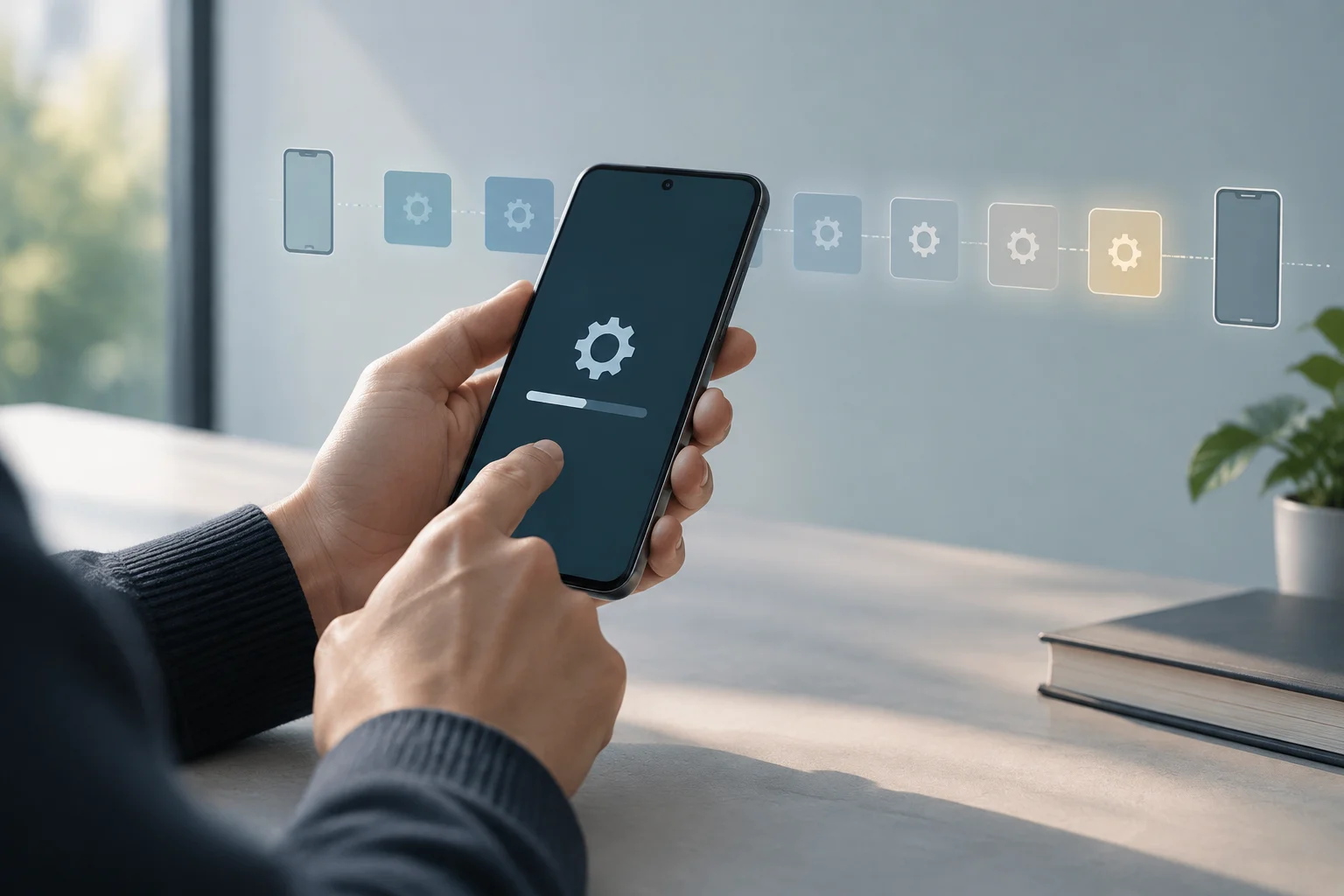
The smartphone industry has moved away from short support windows. Google now guarantees seven years of operating system and security updates for Pixel 8 and later models, counting from when the device first became available on the Google Store in the US. This includes major OS upgrades and security patches, with new features potentially arriving via Pixel Drops. For older models like the Pixel 6 and Pixel 7 series, the commitment is five years. Devices prior to the Pixel 5a no longer receive Android version updates, marking a clear line between supported and legacy hardware.
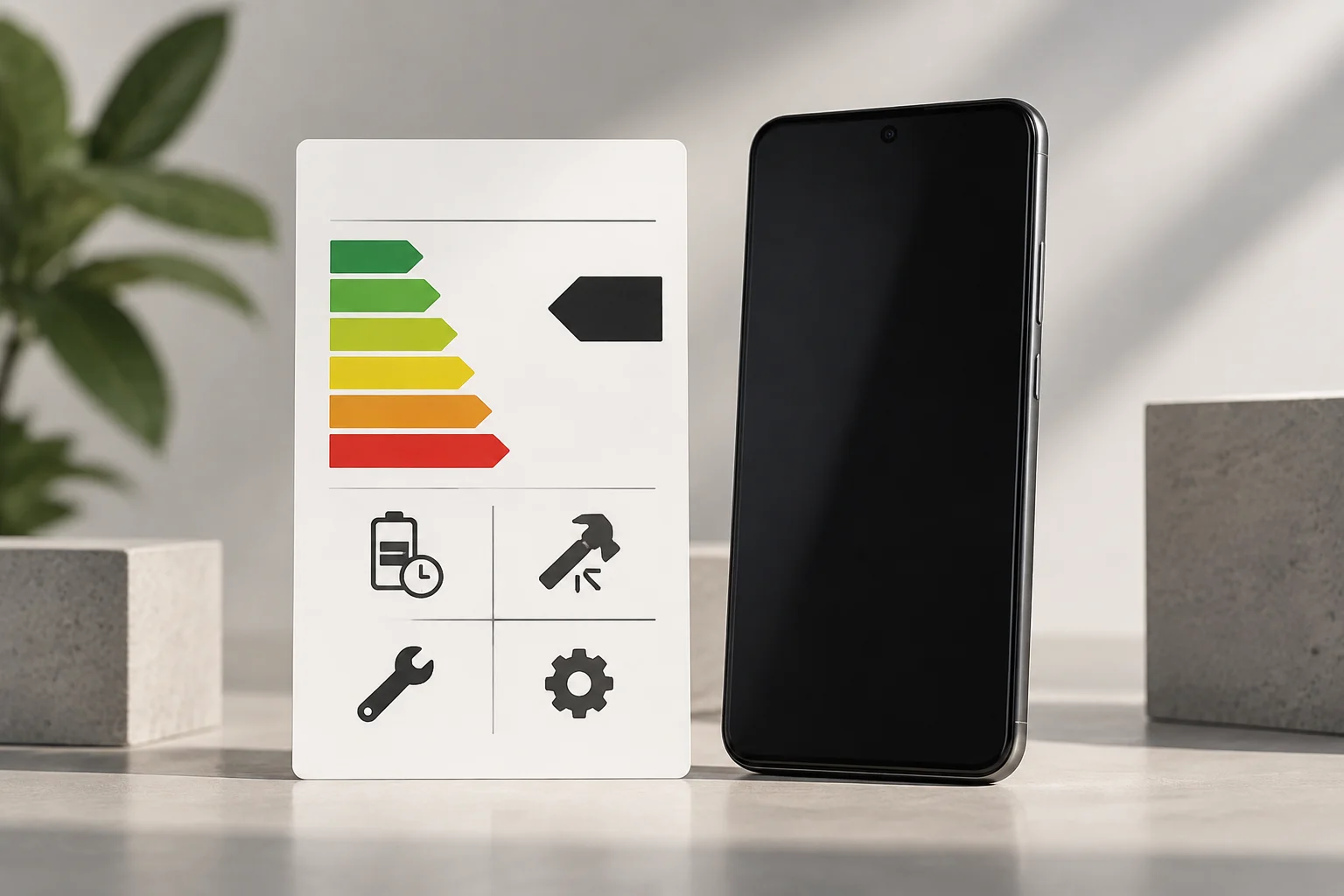
Apple takes a similar approach to longevity, though its metrics focus heavily on hardware serviceability. According to Apple's support documentation, owners of iPhone, iPad, and other products may obtain service and parts from Apple service providers for a minimum of five years from when Apple last distributed the product for sale. This period can extend to seven years, subject to parts availability. Mac laptops may even be eligible for an extended battery-only repair period for up to 10 years. Apple defines products as "vintage" when they are more than 5 but less than 7 years past distribution, and "obsolete" after 7 years, at which point hardware service is discontinued.
Samsung’s strategy involves rolling out its One UI interface across a broad spectrum of devices. The company is currently distributing One UI 8, which builds on the improvements of One UI 7, to a list that includes the Galaxy S25 series, S24 series, and various Galaxy Z and A models. While Samsung does not always publish a single, uniform "X-year" promise in the same format as Google or Apple, its update rollout lists indicate a sustained effort to keep recent flagship and mid-range devices current with the latest software features and security enhancements.
Real-World Lifespan and Durability
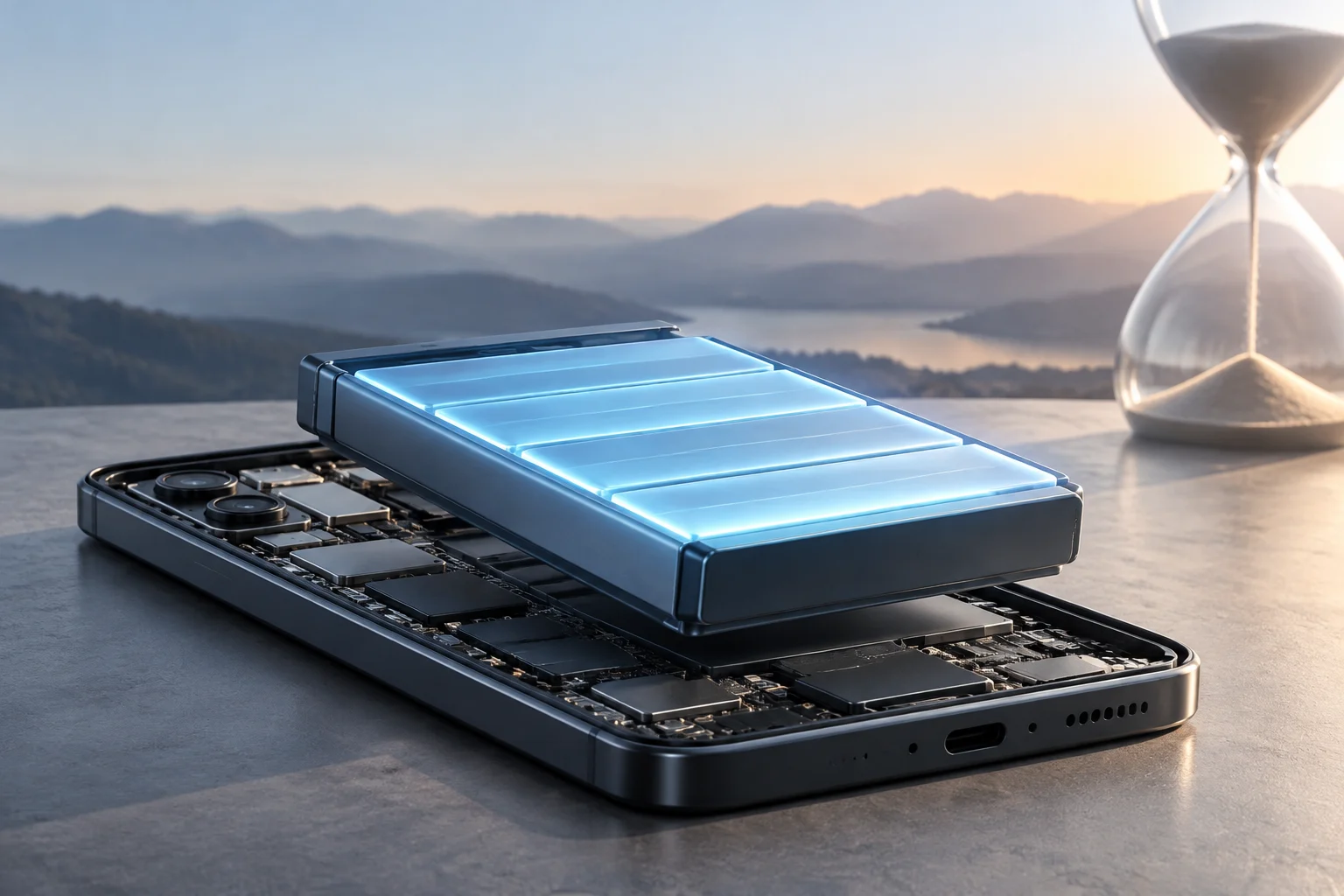
Software promises are only as good as the hardware that runs them. Apple’s "Longevity, by Design" report highlights that hundreds of millions of iPhones have been in use for more than five years, and that number is still growing. The company notes that Apple products retain their value longer than competitor devices, with iPhone retaining at least 40% more of its value compared to Android smartphones in key markets like the US and Europe. This residual value suggests that devices are not just surviving but remaining functional and desirable well beyond their initial release.
Reliability is a key driver of this longevity. Apple reports that out-of-warranty repair rates have dropped by 38% between 2015 and 2022. Specifically, repairs for accidental damage on iPhones have decreased by 44% since the introduction of improved enclosures with the iPhone 7 line-up. The introduction of liquid ingress protection with the iPhone 7 and 7 Plus led to a 75% decrease in repairs for liquid damage. These statistics indicate that modern smartphones are physically durable enough to support the long software lifespans manufacturers are now promising.
Security and the Cost of Obsolescence
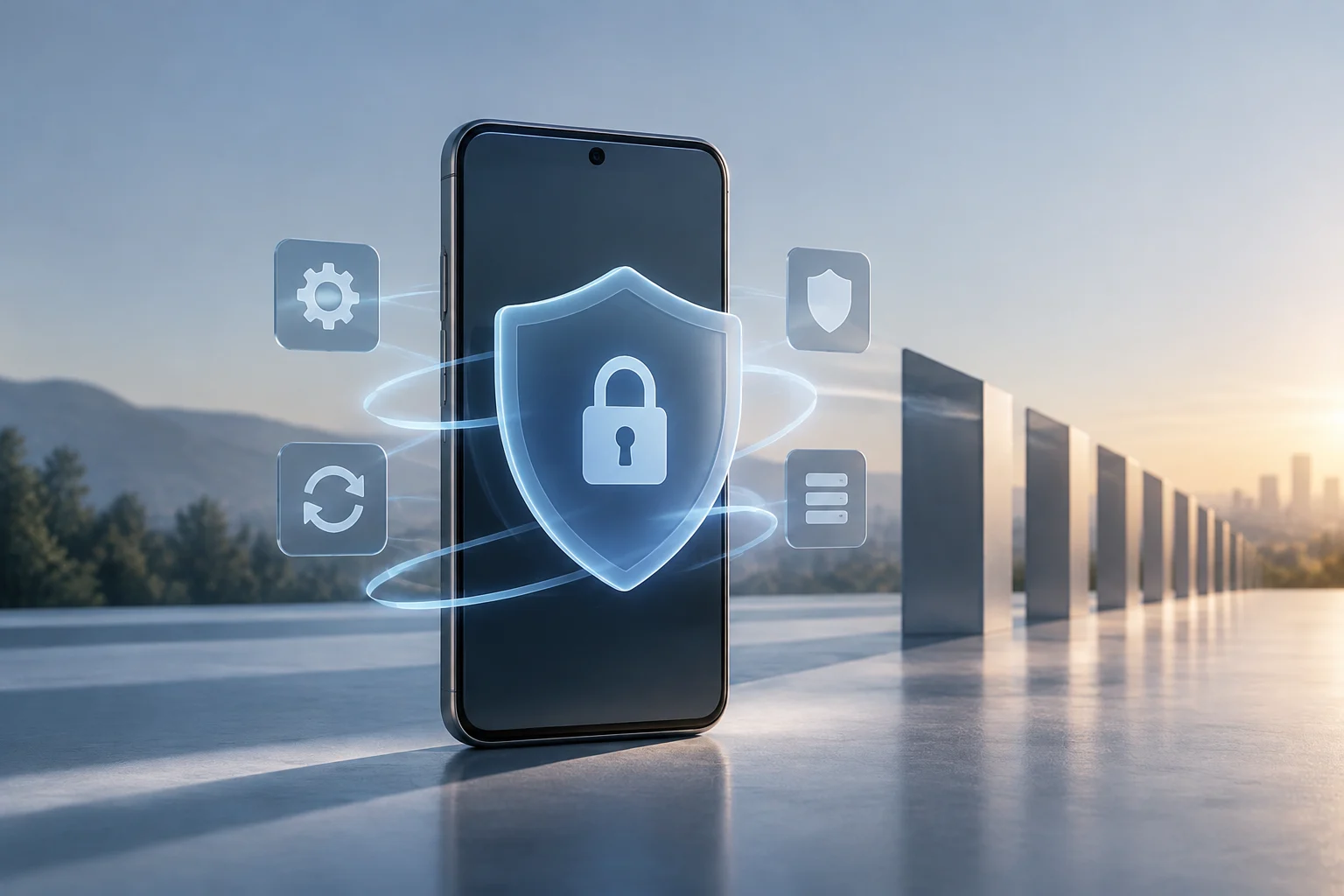
The primary reason for extended update windows is security. Apple recently issued a warning that outdated iOS versions are vulnerable to web-based attacks. Security researchers identified malicious web content that could steal data from iPhones running older software. Apple released updates for iOS 15 and iOS 16 in March 2026 to extend protection to older devices that cannot update to the latest version. Devices with iOS 13 or 14 were required to update to iOS 15 to receive these protections. This underscores that "end of life" for a phone is not just about missing new features, but about becoming a security risk.
Google’s Pixel updates similarly focus on security enhancements alongside new features. The company notes that updates roll out gradually and depend on carrier and device, but the commitment to seven years ensures that security patches continue to flow for a significant portion of the device's life. For users of older Pixels that have reached the end of their update cycle, the risk profile increases as new vulnerabilities are discovered and patched only in newer software versions.
Comparing the Commitments
| Manufacturer | Update Duration | Key Conditions |
|---|---|---|
| Google (Pixel 8+) | 7 years | From US Google Store availability; includes OS and security updates. |
| Google (Pixel 6-7) | 5 years | From US Google Store availability; includes OS and security updates. |
| Apple | 5-7 years | Service and parts availability; depends on last distribution date. |
| Samsung | Varies by model | One UI 8 rollout covers S21-S25, Z, and A series; no single uniform year count. |
The table above illustrates the different ways manufacturers communicate their support timelines. Google provides a clear, model-specific year count. Apple ties its support to hardware serviceability and distribution dates. Samsung focuses on the specific models receiving the current software version, implying a rolling support model rather than a fixed term for all devices.
What This Means for Consumers
When purchasing a new smartphone, the update policy is a critical factor in determining its long-term value. A device with a seven-year update promise offers a longer window of security and feature access, potentially delaying the need for a replacement. However, consumers should also consider the hardware's durability. If a device is prone to physical damage or battery degradation, the software support may be moot if the hardware fails before the update window closes.
Apple’s data suggests that its devices are built to last, with low repair rates and high residual value. Google’s Pixel phones, with their clear update timelines, offer a predictable support experience. Samsung’s broad rollout of One UI 8 indicates a commitment to keeping a wide range of devices current, though the specific duration for each model may vary.
Ultimately, the "real-world lifespan" of a phone is a combination of software support, hardware durability, and user needs. As manufacturers extend their update promises, the gap between the promised lifespan and the actual lifespan narrows, provided the hardware remains reliable. For users, this means that a phone purchased today is likely to remain secure and functional for a significantly longer period than in previous generations.