What Meta Announced—and What It Did Not
Meta Connect 2026 took place in September and is no longer a future event. The recap published by the company describes Muse updates, a new range of AI glasses, and a device presented as Meta VR Glasses, with a cinematic experience and spatial computing. That is the verifiable starting point; it does not amount to confirmation of every product name that circulated before the event.
The distinction matters because previews and leaks mixed internal projects, possible retail names, and alleged features. In the official recap consulted, Meta does not identify the device as Quest Air or Phoenix, nor does it announce a product called Muse 2.0. Presenting those names as confirmed models or versions would therefore turn clues and speculation into claims unsupported by the company’s source.
The useful takeaway for people following XR is narrower: Meta announced a push into AI glasses and spatial computing, but the cited material is not enough to establish the final retail name, full specifications, price, sales date, or compatibility of the announced device. Those details require product announcements and technical documentation of their own.
The Timeline Changes How to Read the News
Before Connect, Andrew Bosworth had said that Meta was still working on several next-generation headsets and that the company would share more information at the event. RealoVirtual reported that statement in July 2026. It signaled continuity in development, not confirmation of a particular model, its final design, or a commercial launch.
In September, Infobae reported a leak linking images of a device to the internal name Project Phoenix. A leak can inform coverage, but it does not replace validation by Meta: files, internal names, and details attributed to a product do not on their own establish what was officially presented or in which markets it will be available.
Finally, Meta’s recap is dated September 24, 2026, after the previews and leaks. The later source should take precedence when describing the event’s announcements; earlier reports help reconstruct expectations, but they cannot reliably fill in details the official announcement left unspecified.
What the Sources Allow Us to Say
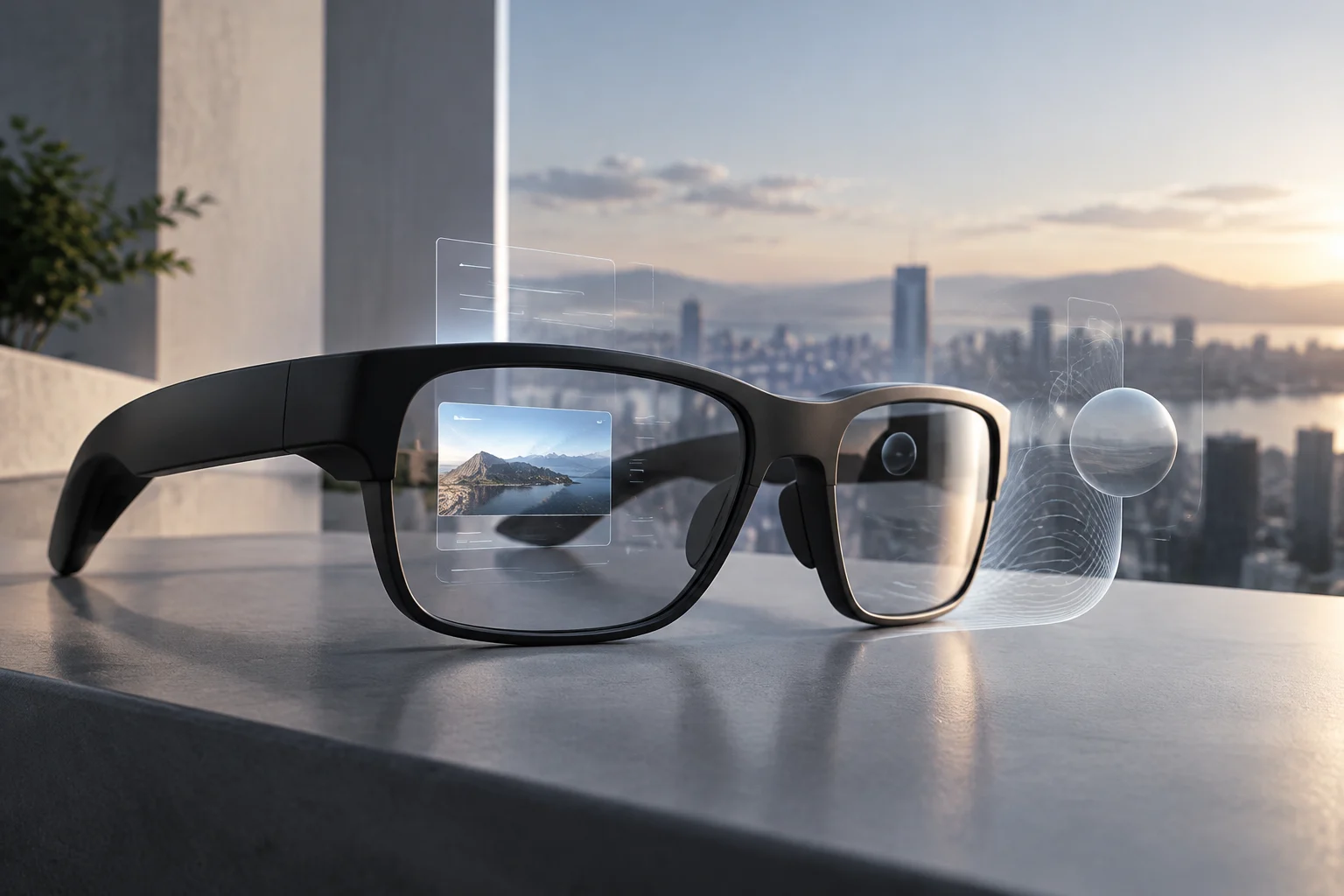
Meta’s corporate post about Connect describes new Muse features and connectors, along with a next-generation model, and says Muse is being brought to Meta’s glasses. It also announces a range of AI glasses for the Ray-Ban, Oakley, and Meta brands, saying the lineup will exceed one hundred models by year-end. These are claims attributed to Meta: the post does not itself provide an independent assessment of their performance.
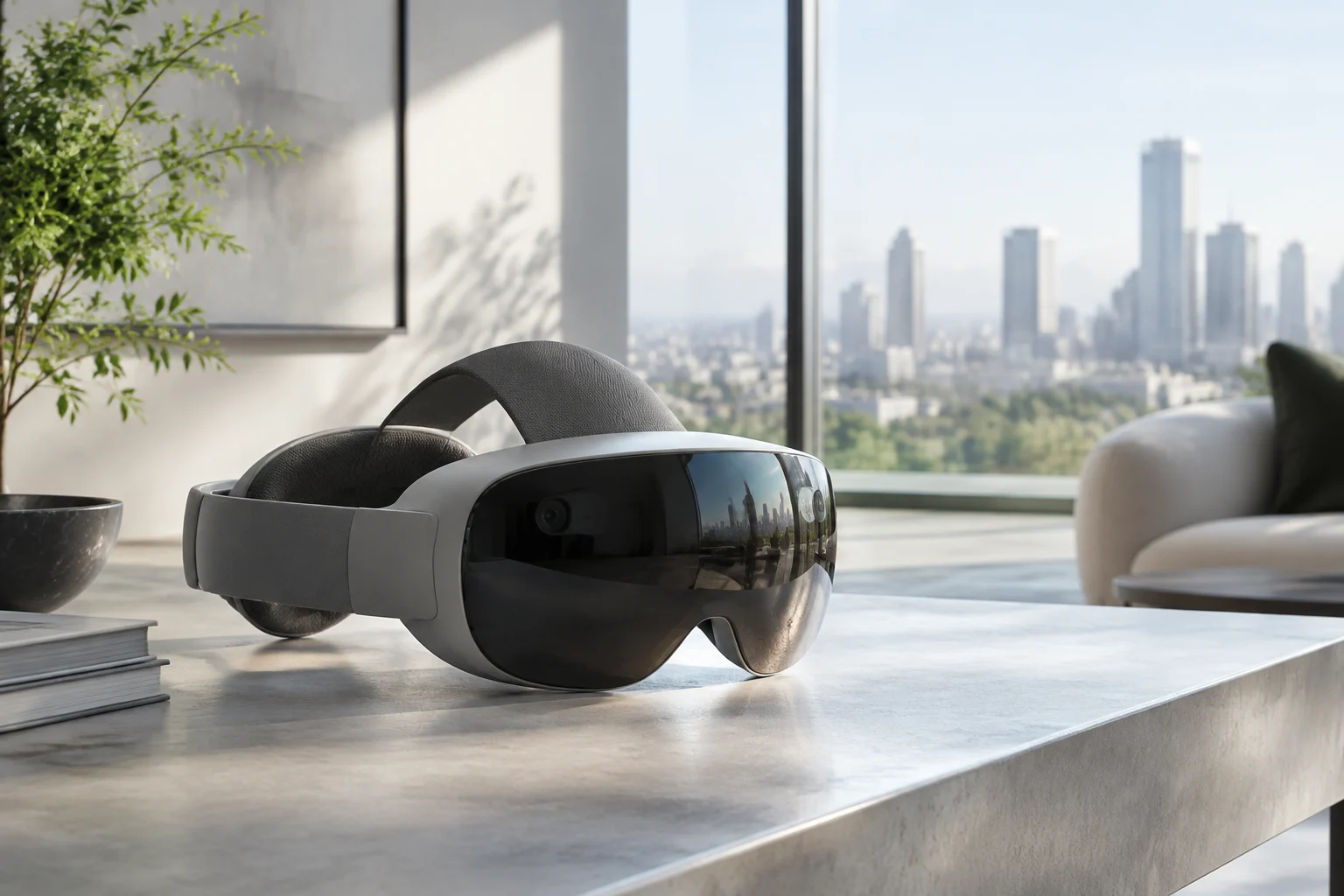
For virtual reality, the same recap presents Meta VR Glasses as a device offering an IMAX-quality cinematic experience and spatial computing. That description confirms how the company positions it, but does not establish resolution, field of view, weight, battery life, tracking system, or mixed-reality capabilities. Nor is it enough to conclude that it is a Quest headset or the successor to Quest Pro.
The official Connect agenda provides an overview of event news and sessions, but it is not a hardware specification sheet. It is therefore useful to distinguish three levels: a published corporate announcement, a prior statement by an executive, and an unconfirmed detail appearing in a leak or press preview. They should not be treated as equivalent evidence.
What This Means for Users and Developers
For people who already own a Quest headset, the Connect recap does not show that they need to replace their device or that their apps will stop working. It specifies no new platform, compatibility requirements, or transition date. The practical choice is not to buy or plan migrations based only on the names Phoenix or Quest Air: first check for an official product page, sales terms, and developer documentation.
For studios and technical teams, references to spatial computing and AI glasses point to different product areas, but do not define programming interfaces, development tools, available sensors, or distribution policies. Without those details, it is reasonable to follow the announcement and prepare product questions; it is not reasonable to commit budgets or schedules based on supposed specifications absent from the available documentation.
July’s coverage mentioned clues found in a test version of Horizon OS, such as a welcome room and options related to controllers. Those findings, reported by a secondary source, do not prove that the features reached a public release or will remain in the Connect hardware. When deciding about compatibility, the reference should be the software documentation published for each device, not an inference drawn from test files.
Quest Pro 2: A Clarification Is Not an Announcement
The Quest Pro 2 discussion has a separate antecedent. In August 2024, Bosworth responded to rumors that a project had been canceled, explaining that Meta maintains several prototypes, some of which move forward while others are dropped. That general statement did not confirm that Quest Pro 2 remained in development or would be sold; it also does not show that Connect 2026 announced it.
For that reason, a draft that describes the cancellation as disproven and the product as part of an official roadmap goes beyond the evidence. A company working on prototypes is not the same as committing to a commercial product. To claim that a model exists as a launch, there must be an official name, features, or availability terms clearly attributed to the company.
The same caution applies to Phoenix and Quest Air: earlier coverage linked those names, but Meta’s later recap does not list them as retail names. The terms may describe projects or internal nomenclature; based on the available sources, the matter cannot be settled or turned into a definitive identification.
What to Watch for Next
To assess Connect’s real impact, users and developers can check, in order, whether Meta publishes a product page with a name and specifications, whether an availability date is given for each market, and whether compatibility requirements or development tools appear. It is also worth distinguishing a conceptual presentation from a product announced for sale: these are different stages and do not offer the same level of certainty.
For Muse, the corporate recap confirms changes and the intention to bring the assistant to the glasses, but that passage does not detail regional availability, specific features on each model, or account requirements. Anyone assessing privacy and use should review the applicable policies once the product and its features are identified; a general policy alone does not prove how a particular feature will operate.
The verifiable conclusion is narrower than some previews suggest: Meta presented AI and glasses updates, and described Meta VR Glasses as a spatial-computing offering. The sources consulted do not establish that Quest Air, Phoenix, or Muse 2.0 were confirmed retail names at Connect, nor do they resolve price, launch, or compatibility. Keeping that boundary clear prevents rumor from becoming a specification through repetition.