The show-floor noise: separating commercial reality from hype
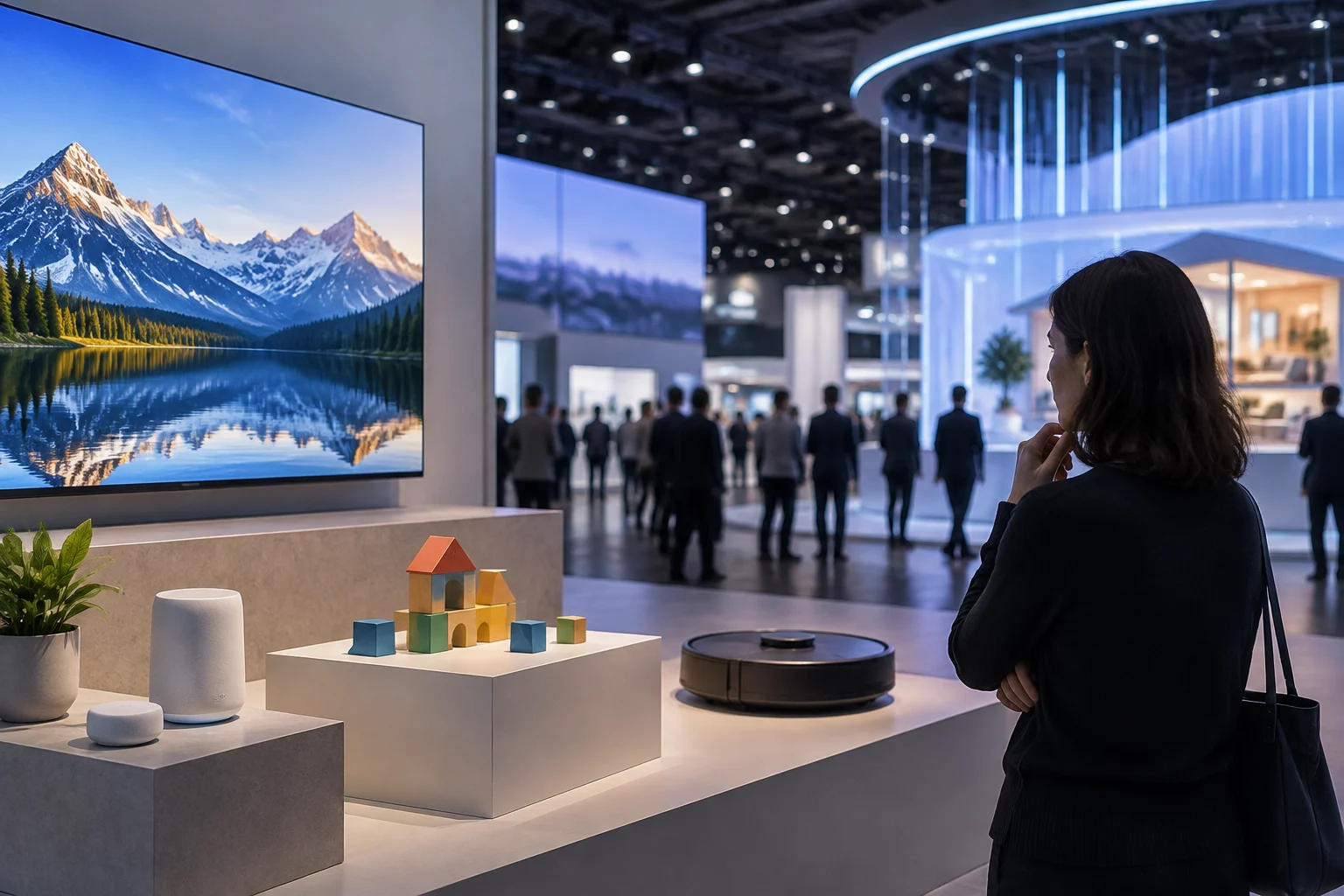
The January 2026 Consumer Electronics Show in Las Vegas brought together more than 148,000 attendees and 4,100 exhibitors, cementing its place as the technology industry’s leading showcase. Yet the sheer volume of announcements can confuse consumers: not everything displayed at a booth is immediately available to buy. Telling a finished product apart from a demonstration concept is essential to making informed purchasing decisions.
The 2026 edition stood out for the widespread integration of artificial intelligence in consumer devices, from home robots to foldable smartphones. Some brands presented products with near-term launch dates, while others showed prototypes that could take years to reach the market. This article examines the available evidence to distinguish commercial reality from future-facing marketing.
Devices with confirmed dates and prices
Among the most concrete announcements is the Roborock Saros 20, a robot vacuum officially launched in North America in March 2026. Unlike its predecessors, this model uses an AI architecture designed to navigate complex home environments, including raised thresholds, deep-pile carpets and cables on the floor. Roborock positions it as the first large-scale implementation of the same advanced perception technology introduced with the Saros Rover at CES.
Another product nearing availability is the Clicks Communicator, a smartphone with a physical keyboard that aims to revive the experience of classic BlackBerry devices. According to Wirecutter’s coverage, it will run Android 16 with the Niagara Launcher, include a 3.5 mm headphone jack and is scheduled for late 2026 at a price of $500. Its minimalist design and productivity focus make it a viable option for users looking for an alternative to conventional smartphones.
Criteria for immediate availability
- A manufacturer-confirmed launch date.
- A public price listed through official channels.
- Complete, verifiable technical specifications.
- A defined sales channel, such as an online store or physical retailers.
Prototypes and concepts not commercially available
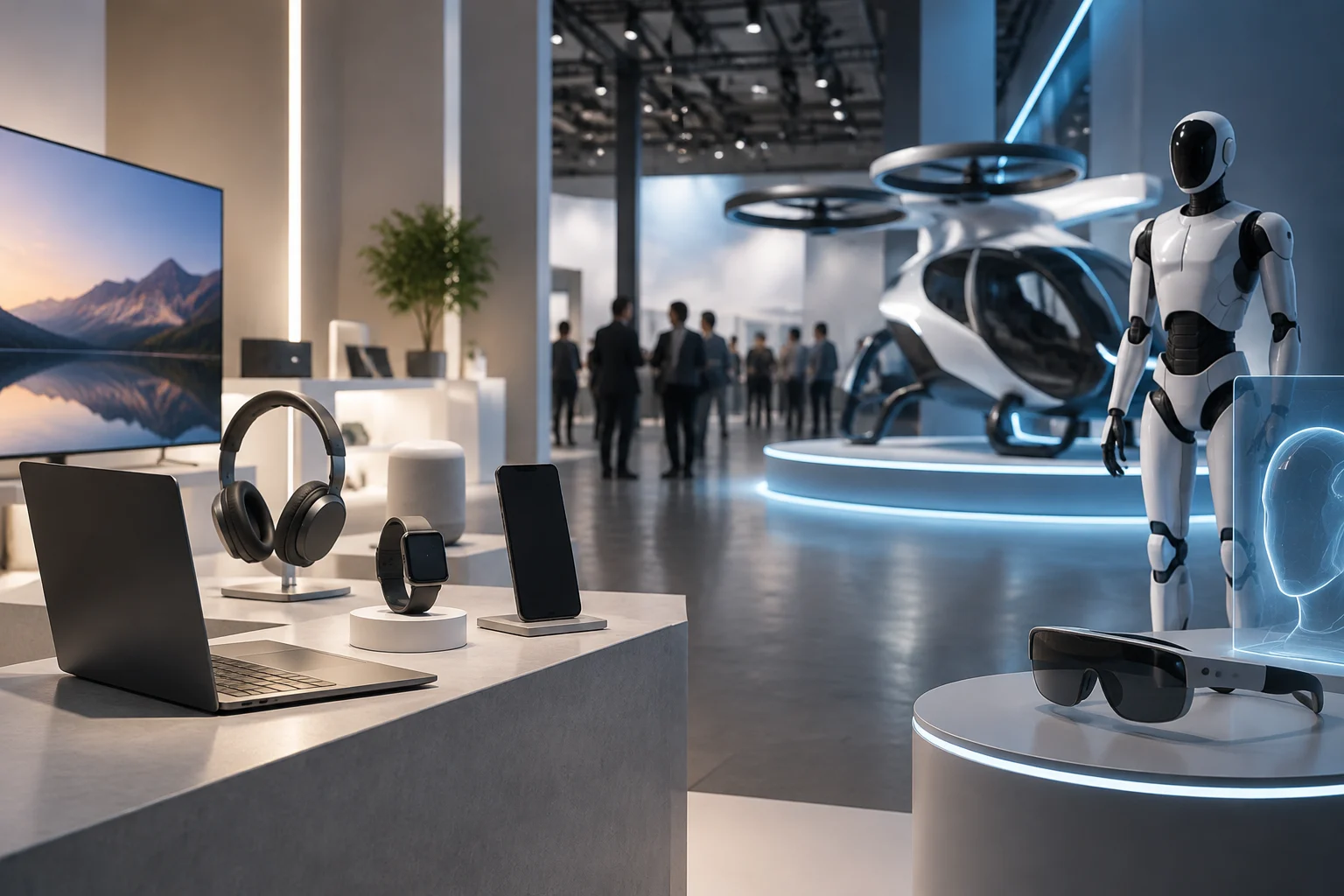
CES 2026 also hosted announcements that remain at the demonstration stage for now. The Samsung Galaxy Z TriFold, a triple-folding smartphone with a screen of approximately 10 inches, is the most striking example. Samsung showed the device at its First Look event in Las Vegas, but the phone is available only in South Korea and has no confirmed launch date for the United States or other markets. Its design, reminiscent of the folding tablets in the Westworld series, has attracted considerable interest, but consumers outside Asia will have to wait.
In robotics, the LG CLOiD is a humanoid robot designed to handle complex household tasks, such as preparing food or managing laundry, while integrating with the brand’s ThinQ ecosystem. However, there is no information about its price, launch date or commercial availability. Similarly, the Sony Honda AFEELA Prototype 2026 is a vehicle that will serve as the basis for a production model planned for 2028, meaning consumers will not be able to buy it in the next two years.
Notable CES 2026 prototypes
| Product | Status | Estimated date | Market |
|---|---|---|---|
| Samsung Galaxy Z TriFold | Available only in South Korea | No U.S. date | South Korea |
| LG CLOiD | Prototype | No date | Global |
| Sony Honda AFEELA | Prototype | 2028 | U.S. |
| Roborock Saros Rover | Demonstration | No date | Global |
Checking prices and sales channels
To confirm what can be bought today, it is essential to check manufacturers’ information against official sales channels. In the case of the Roborock Saros 20, the company announced its North American launch in a press release, indicating that the product is already available through online stores and regional retailers. Consumers can check its price and availability directly on Roborock’s website or with authorized sellers.
By contrast, although the Clicks Communicator has a confirmed price of $500 and a launch planned for late 2026, it is not yet on sale. Interested customers can register on the manufacturer’s website to receive a notification when the product becomes available. It is important not to mistake a preorder phase for immediate availability, since delivery timelines can vary.
The LG Shield-Applied TV OS Platform, webOS, received a CES Innovation Award for cybersecurity, recognizing its focus on user data privacy. It is not a new product, but webOS with LG Shield is integrated into LG smart TVs and provides five years of security updates. These kinds of software improvements do not require buying a new device; they are applied to existing televisions through updates.
A practical guide for consumers
Faced with the flood of CES 2026 announcements, consumers can apply a simple rule: if there is no confirmed launch date and price, it is not a product you can buy today. Show-floor prototypes and concepts help explain future trends, but they should not be confused with commercial offers. Before making a purchase, always check availability through the manufacturer’s official channels.
For devices already on sale, such as the Roborock Saros 20, it is worth comparing prices at different retailers and reading user reviews to assess real-world performance. For products with a future launch date, such as the Clicks Communicator, interested buyers can wait until the release gets closer before deciding, avoiding a purchase of a device that may not meet their expectations.
Artificial intelligence will remain central to upcoming launches, but its implementation in consumer products is still maturing. Humanoid robots and autonomous vehicles, impressive though they may be at a trade show, need years of development and regulation before reaching homes and roads. For now, the best strategy is to focus on products available immediately and wait for prototypes to become commercial reality.