From a plateau to speed: the evolution of Qi2
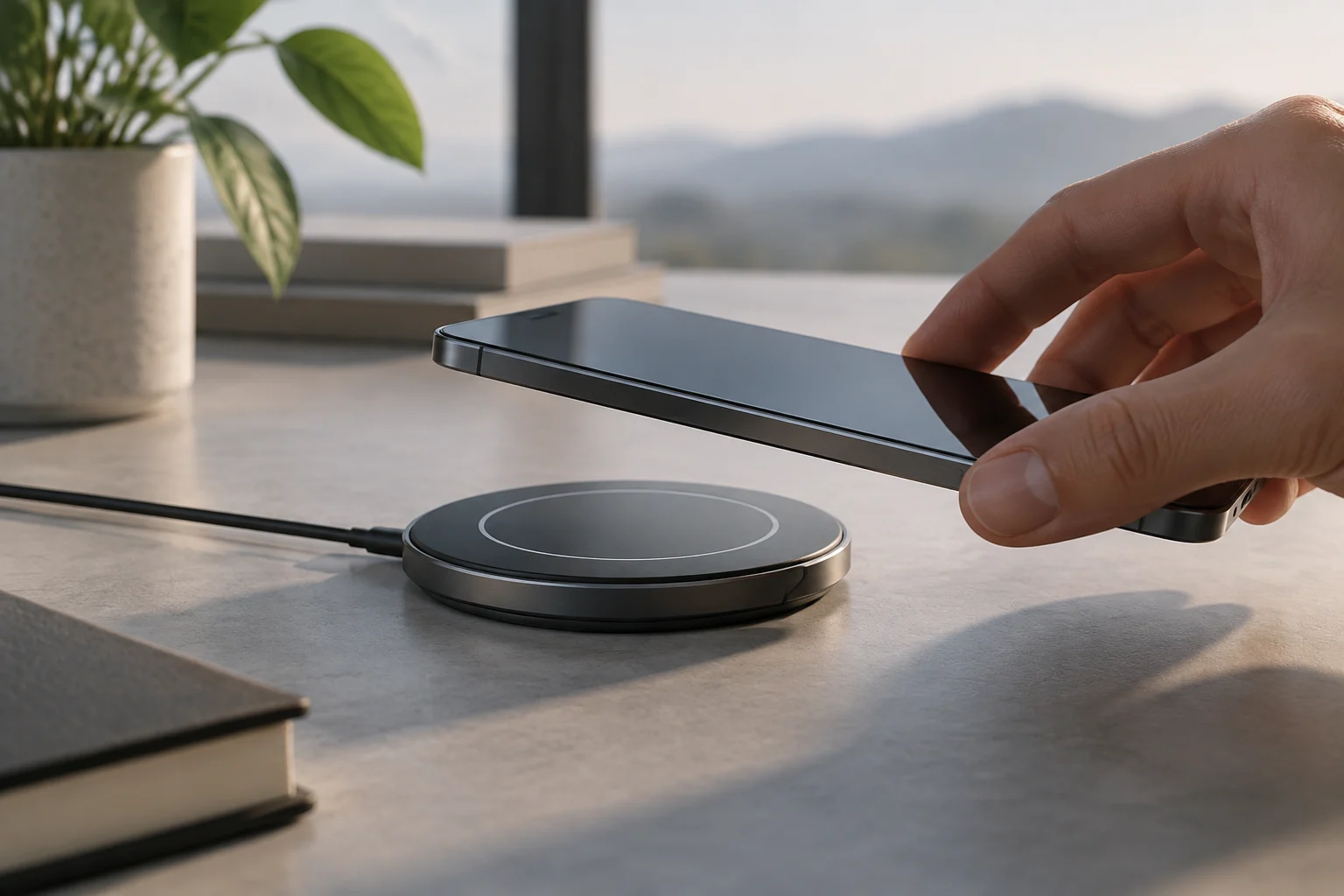
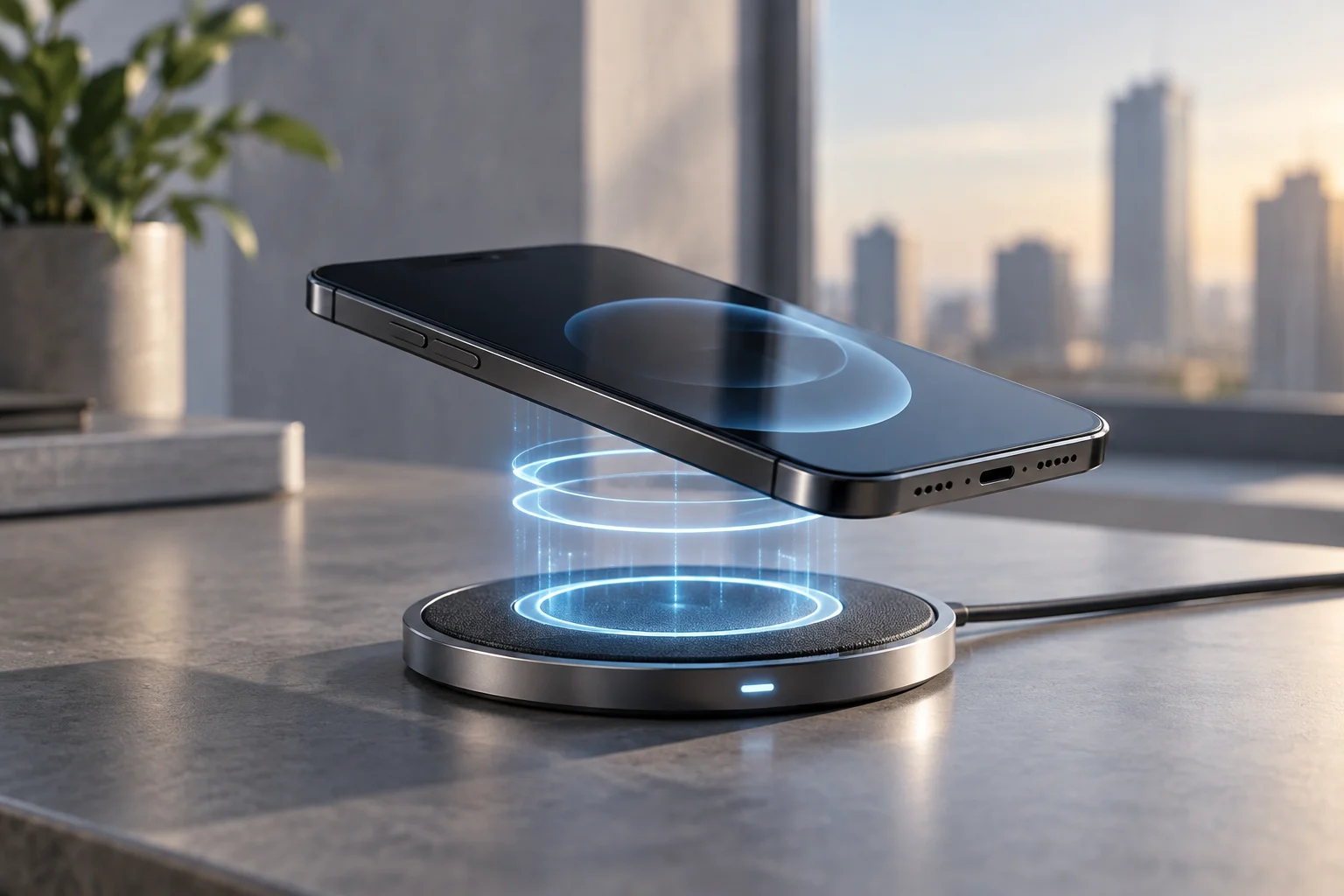
Wireless charging has long suffered from a reputation for being slow and prone to misalignment. Announced by the Wireless Power Consortium (WPC) in July 2025, the Qi2 25W standard marks a turning point, offering almost 70% more power than the original 15W version. Technically known as Qi 2.2.1, this update is not merely a numerical increase: it represents a redesign of energy efficiency that allows devices to charge from 0 to 50% in about 30 minutes.
Unlike earlier iterations, which prioritized basic interoperability, this specification focuses on advanced thermal management and precise magnetic alignment. The WPC has emphasized that adopting the standard is intended to close the speed gap with wired charging, a goal that seemed out of reach until extended power profiles arrived in the previous generation. Qi2 25W is therefore not just about delivering a higher peak figure; it also aims to make wireless charging more predictable in everyday use. For people who routinely top up their phones during a short break, the prospect of reaching half charge in roughly half an hour changes the practical role of a wireless pad. The improvement still depends on the phone and charger working together, but the standard provides a common technical basis for that faster experience.
Market adoption: who is on board
Qi2 25W has not been rolled out uniformly across manufacturers. Apple has integrated compatibility into its latest iPhones, while adoption across the Android ecosystem has been more gradual. According to industry reports, the Google Pixel 10 Pro XL is one of the first Android devices to fully support 25W output, whereas Samsung’s Galaxy S25 series initially launched under the “Qi2 Ready” label, suggesting future compatibility or support limited to 15W.
It is crucial to distinguish between charger certification and a device’s capabilities. A phone may be compatible with the Qi2 standard, but if its internal charging controller does not support the 25W profile, charging will be limited to the maximum speed its hardware allows. This mismatch between accessory and phone is the main source of consumer confusion in 2026. A product listing that highlights a 25W charger does not, by itself, establish that a particular handset can receive power at that rate. Buyers need to check both sides of the connection: whether the charger is certified for the profile and whether their exact phone model supports it. That distinction matters especially in an Android market where product names, regional configurations and accessory claims can make compatibility harder to interpret.
Real-world compatibility and backward compatibility
One of the key advantages of Qi2 25W is full backward compatibility with Qi1 and 15W Qi2 devices. This means a certified 25W charger will work with any smartphone that supports magnetic wireless charging, automatically adjusting the power it delivers. Efficiency can still vary, however: older devices may not benefit from the optimized magnetic alignment introduced by the newer specification.
Users who already own 15W Qi2 accessories do not need to replace them immediately. Investing in a 25W charger is worthwhile only if the phone supports that power level and the user wants to cut partial charging times significantly. The interoperability guaranteed by the WPC means there will be no generational “compatibility wall.” In practical terms, this lets people move to a newer charger without making their existing Qi1 or Qi2 15W phone unusable. The charger adapts its output to the receiving device rather than forcing every product in the setup to operate at the same maximum rate. That convenience should not be confused with full 25W performance: older hardware will continue to charge according to its own limits, even when paired with a higher-rated accessory.
Impact on battery health and temperature
Raising power to 25W inevitably produces more heat, but the specification includes strict thermal monitoring protocols. Unlike Qi1 charging, where misalignment caused energy losses in the form of heat, Qi2’s magnetic profile minimizes those losses. Measurements indicate that surface temperature may reach 40°C during fast charging, but internal controllers reduce power if certain thresholds are exceeded, helping protect the battery cell.
Qi2 25W transfer efficiency is between 85% and 90%, higher than the 70–75% of the earliest versions. This means a larger share of the supplied energy becomes useful battery charge instead of being dissipated as residual heat. For long-term battery health, the key is not the maximum power rating but the thermal stability provided by precise magnetic alignment. The higher headline wattage should therefore be read alongside how the system manages heat while operating. A well-aligned connection reduces wasted energy, and the power-control protocols can respond when temperatures cross specified limits. These features do not remove heat altogether, but they explain why the standard combines a faster charging profile with measures intended to protect the cell during use.
Buying guide: how to identify a certified charger
When buying an accessory in 2026, the WPC certification label is the only reliable indicator that the product meets the relevant safety and power standards. A manufacturer’s claim of “25W” is not enough; the product must have laboratory validation, including foreign object detection (FOD) tests and multi-device interoperability checks. Certification helps distinguish a tested product from one whose stated output has not been independently verified.
Verification criteria
- Qi2 25W logo: Look for the official WPC mark, not just a product’s marketing name.
- Thermal management: Check whether the charger includes active ventilation or heat-dissipating materials.
- Compatibility: Make sure the phone you intend to charge supports the 25W profile.
Buying a certified charger protects both the phone’s battery and user safety, helping avoid unregulated overheating that could occur with unvalidated generic products. It also makes the advertised power rating more meaningful: the certification process checks that the accessory has undergone the specified tests rather than relying only on packaging or a seller’s description. Before purchasing, confirm the phone’s supported profile as well as the charger’s certification. A certified 25W accessory cannot make a handset accept power beyond the limits of its own charging hardware, so checking both components remains essential. This is especially useful when comparing products that use similar-looking magnetic designs but do not carry the same verified status.