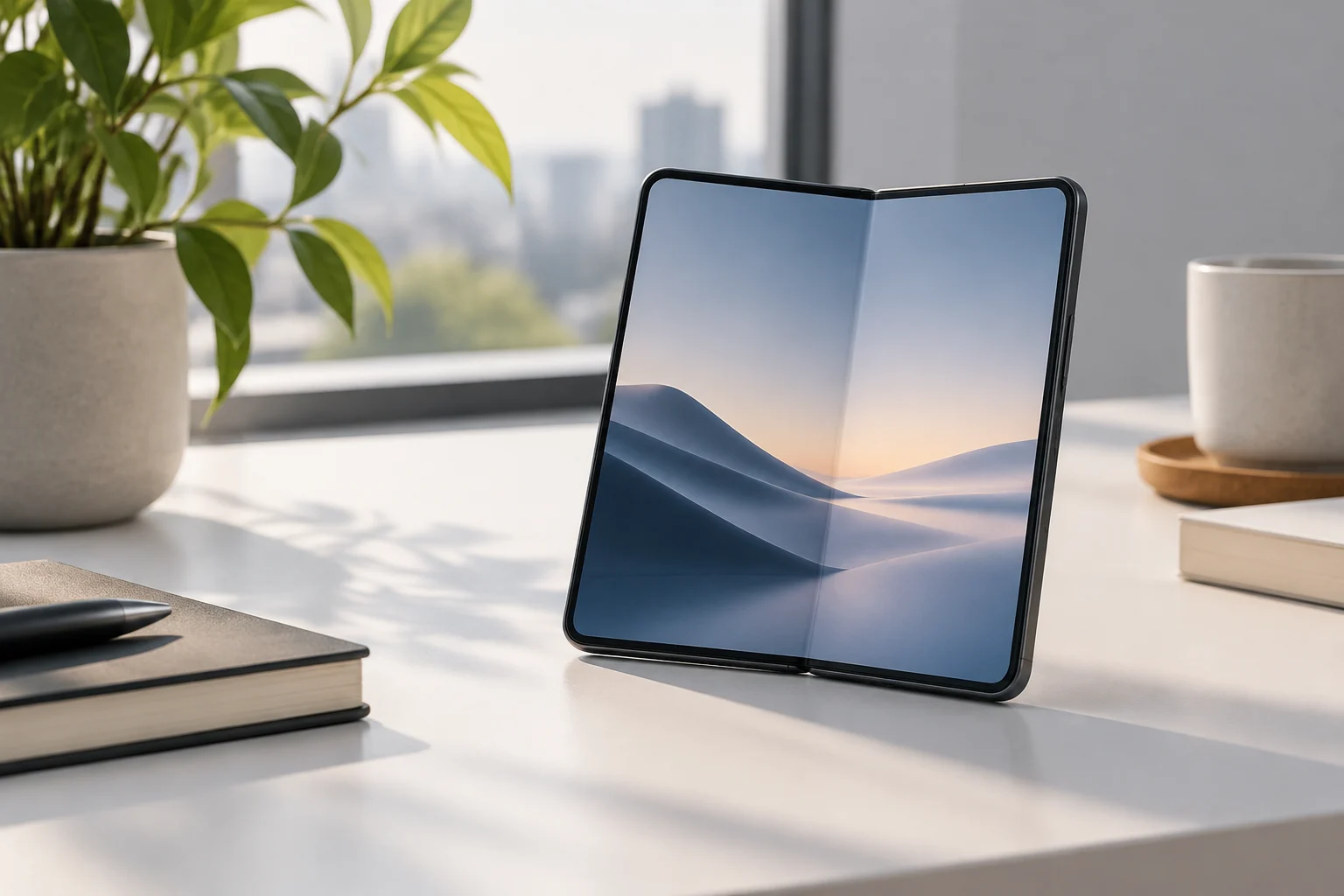
The official announcement of a new era in foldable displays
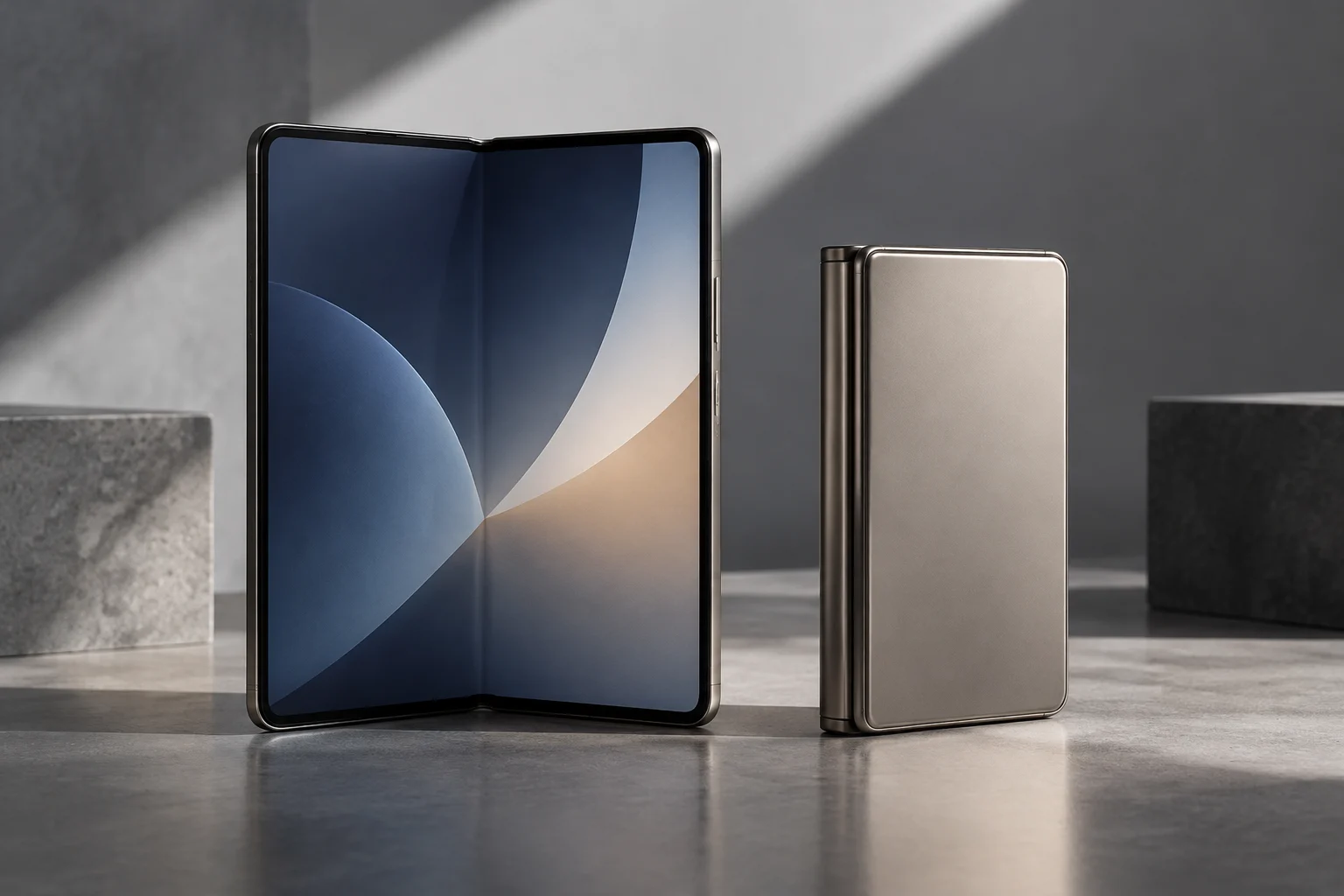
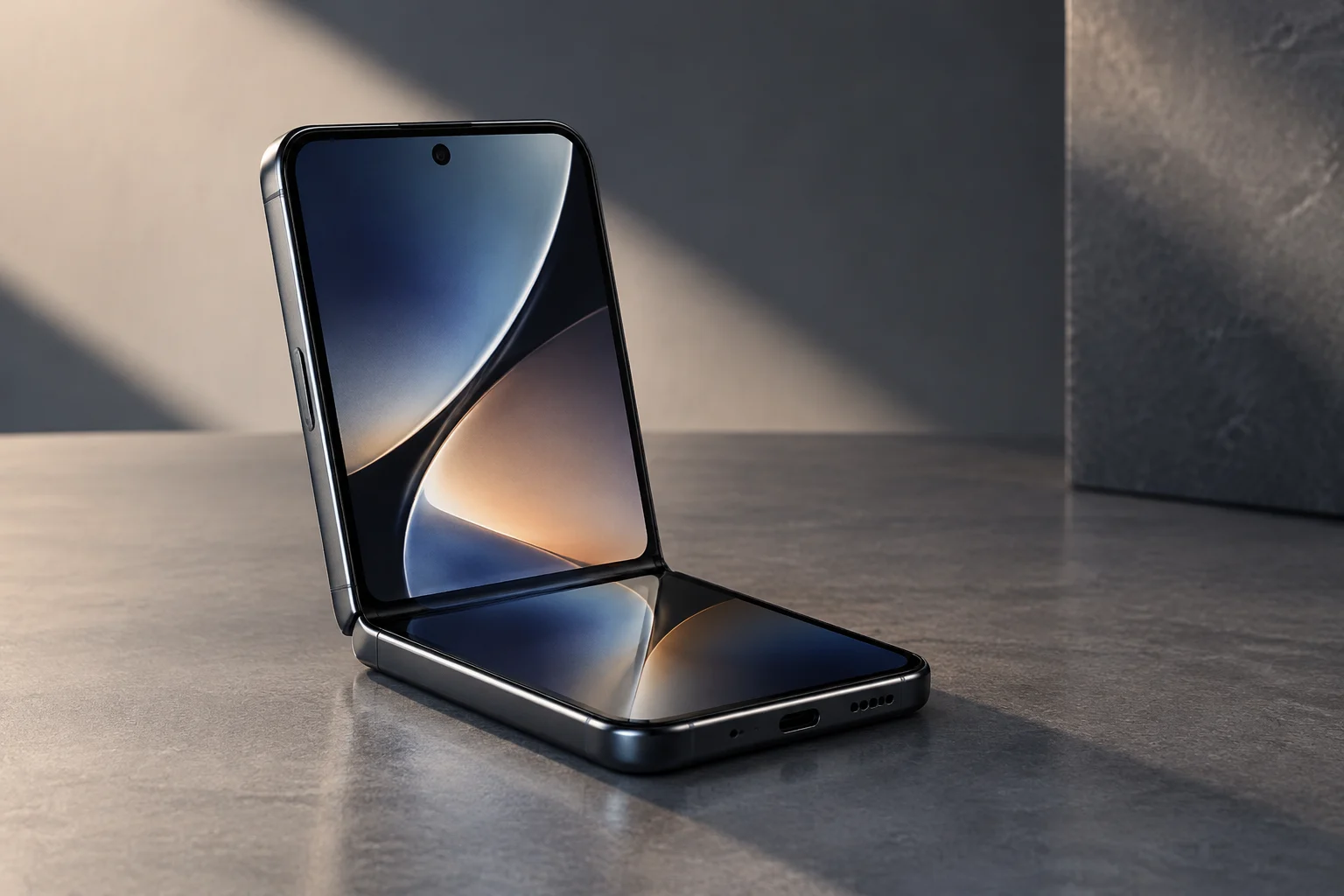
On July 15, 2026, Samsung Electronics officially presented Flex Titanium, a display technology designed specifically for the next generation of Galaxy foldable devices. This announcement, made from Madrid, marks a milestone in the evolution of foldable phones after seven generations of continuous innovation in the sector.
The technology is not a simple cosmetic change but a comprehensive restructuring of the screen architecture. Samsung aims to balance three critical factors: impact resistance, flexibility to withstand repeated folds, and the thinness required for a more refined design. The stated goal is to offer a more immersive visual experience with a less visible crease without compromising durability.
Technical anatomy: alloy film and titanium plate
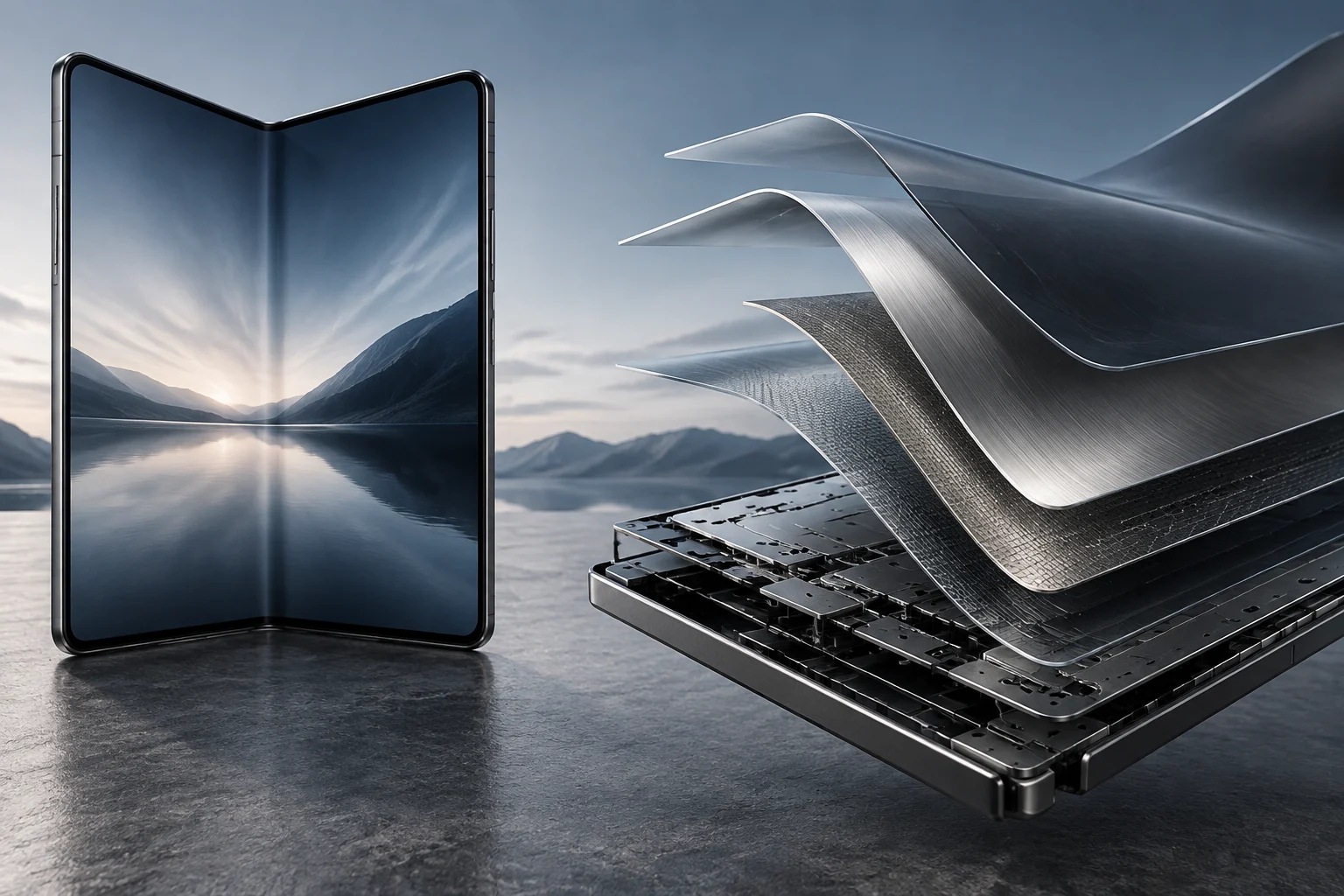
Flex Titanium consists of two key titanium-based elements that work in tandem. The first is a titanium alloy film located under the OLED panel, which reinforces the screen from the inside. This material offers mechanical stiffness 20 times greater than that of traditional polymer films, allowing for a more robust structure.
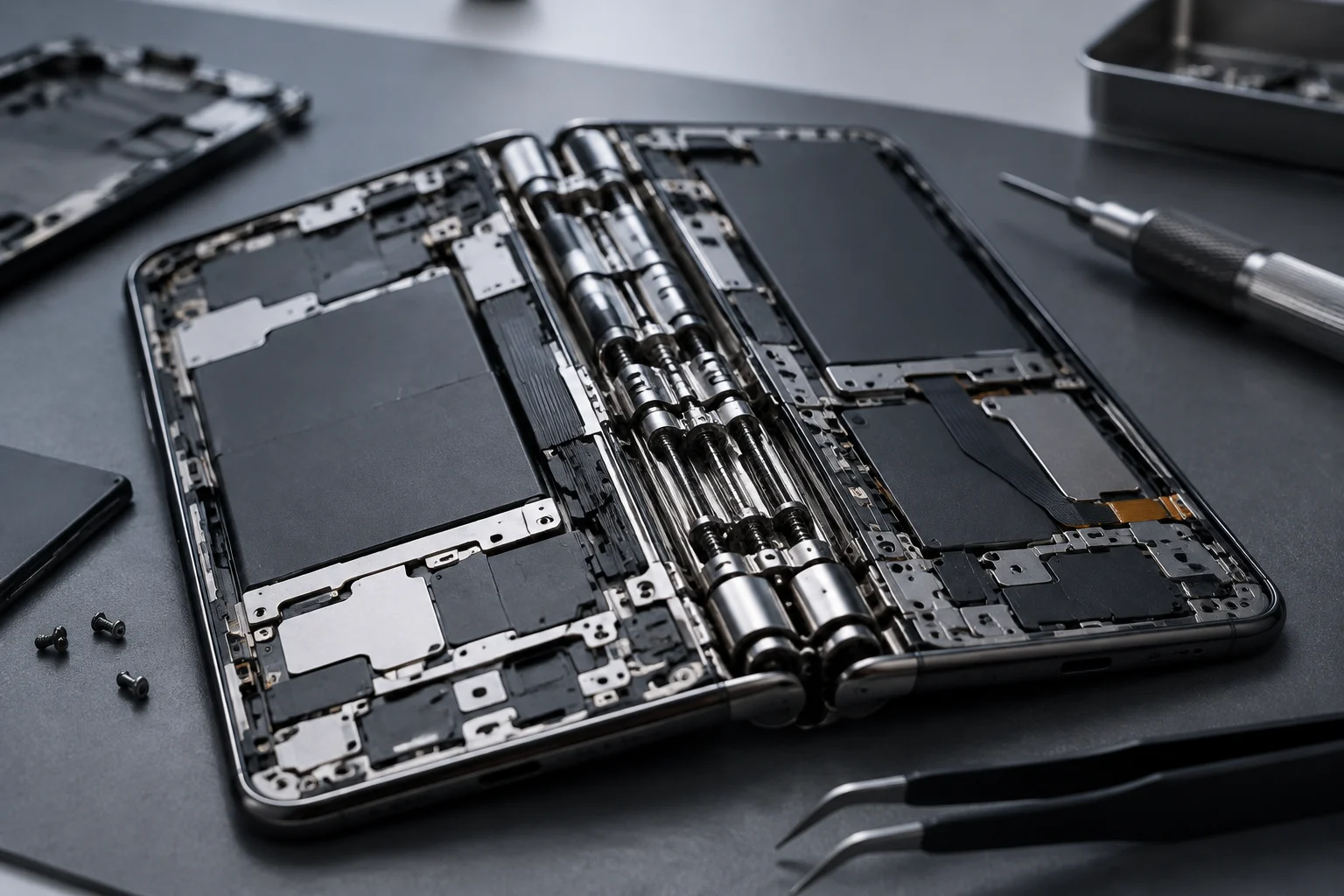
The second component is a flexible titanium plate that supports the display module from the bottom. This plate incorporates sophisticated micro-perforations in the folding zone to ensure the necessary flexibility. Additionally, it uses a hole-processing technology that eliminates air gaps between the module and the adhesive, achieving a firmer and more stable bond.
Precision in thickness and material machining
The titanium alloy film achieves an exceptionally thin thickness, approximately one-third of the diameter of a human hair. This level of miniaturization is possible thanks to a precision rolling process that allows the material to be integrated into a thinner display panel without sacrificing structural integrity.
Machining the titanium plate presents additional challenges. Samsung has perfected the machining sequence, tools, and cooling conditions to maintain the flatness and shape of the ultra-thin metal. In some cases, the thinnest sections of the plate reach just 0.15 millimeters, a level of precision that requires dividing the process into multiple stages to prevent deformation.
Impact on design and user experience
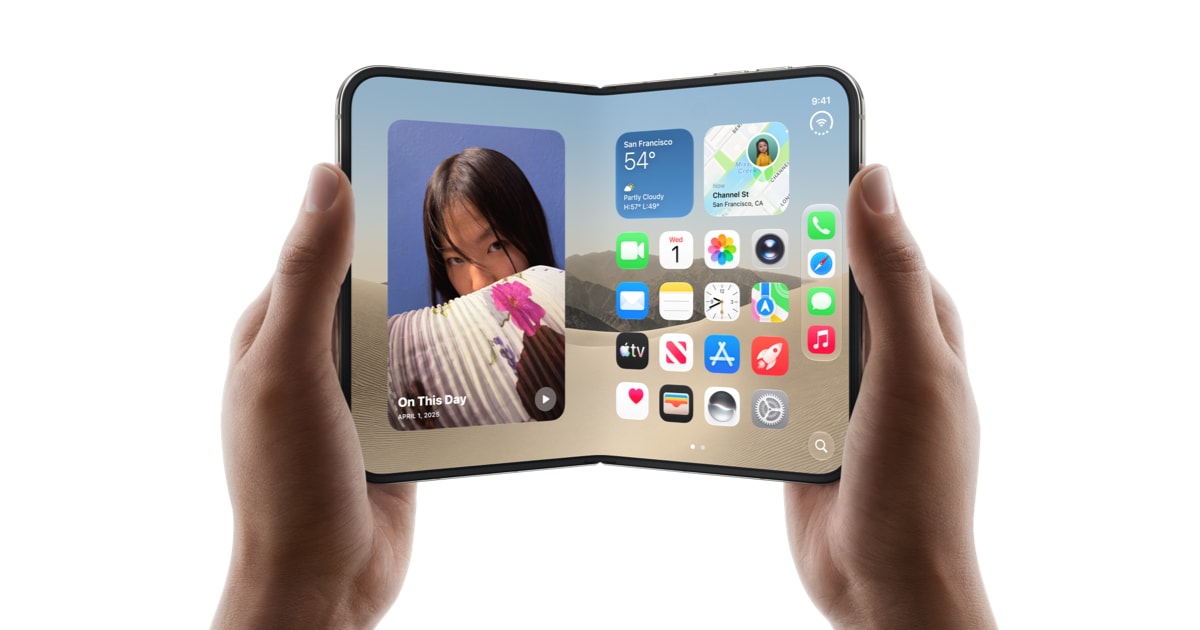
The implementation of Flex Titanium in the Galaxy Z Fold8 and Fold8 Ultra models significantly reduces crease visibility. According to initial tests, viewed from the front, the crease is barely perceptible, and from an angle, it is less evident than in previous generations like the Galaxy Z Fold7. When running a finger across the screen, only a very subtle undulation is felt.
This structural improvement also optimizes the device's opening. The technology balances the hinge mechanism, screen tension, and magnetic force to achieve a smoother, lighter, and more natural deployment. The result is a more refined user experience that reduces the sense of imperfection on the screen surface.
Market context and competition in 2026
Although Flex Titanium represents a significant advance, competition in the foldable market is intense. The Oppo Find N6, launched in March 2026, positioned itself with the claim of having completely eliminated the crease. However, direct comparisons show that the Oppo offers a slightly smoother and flatter screen, although its availability is limited to certain Asian markets.
The Galaxy Z Fold8 Ultra, equipped with Flex Titanium, stands out for its thinness, lightness, and maximum brightness of 3,000 nits. Despite the Oppo Find N6 offering a marginal advantage in screen smoothness, the Samsung device wins by default in terms of global availability and additional features like Galaxy AI and a more versatile camera system.
Comprehensive innovation beyond the screen
The reduction in weight and thickness in the Galaxy Z8 foldables is not due solely to Flex Titanium. Samsung reviewed approximately 270 components and more than 180 types of auxiliary parts to optimize weight down to fractions of a gram. This systematic engineering allowed the Galaxy Z Fold8 to reach 201 grams, making it the lightest foldable in the world.
In the Galaxy Z Fold8 Ultra, this optimization allowed the battery capacity to increase from 4,400 mAh to 5,000 mAh while maintaining the same weight as the previous generation. The combination of advanced materials like Advanced Armor Aluminum and high thermal performance graphite demonstrates that foldable innovation is a comprehensive effort spanning from the screen to thermal management and internal structure.