An official announcement does not turn all rumors into facts
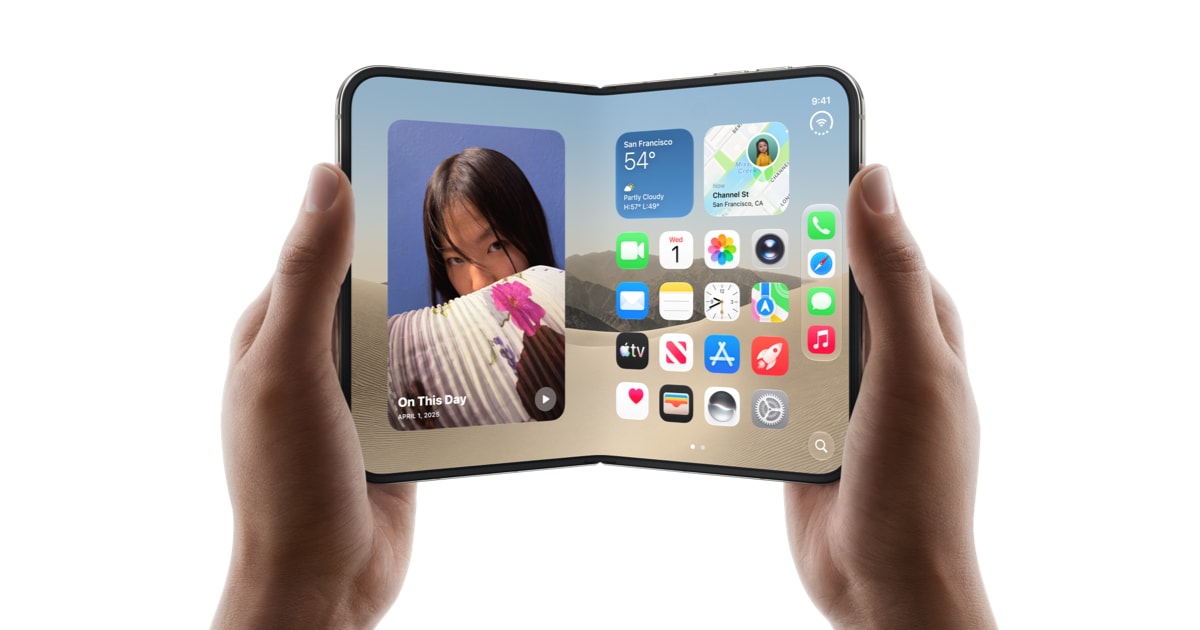
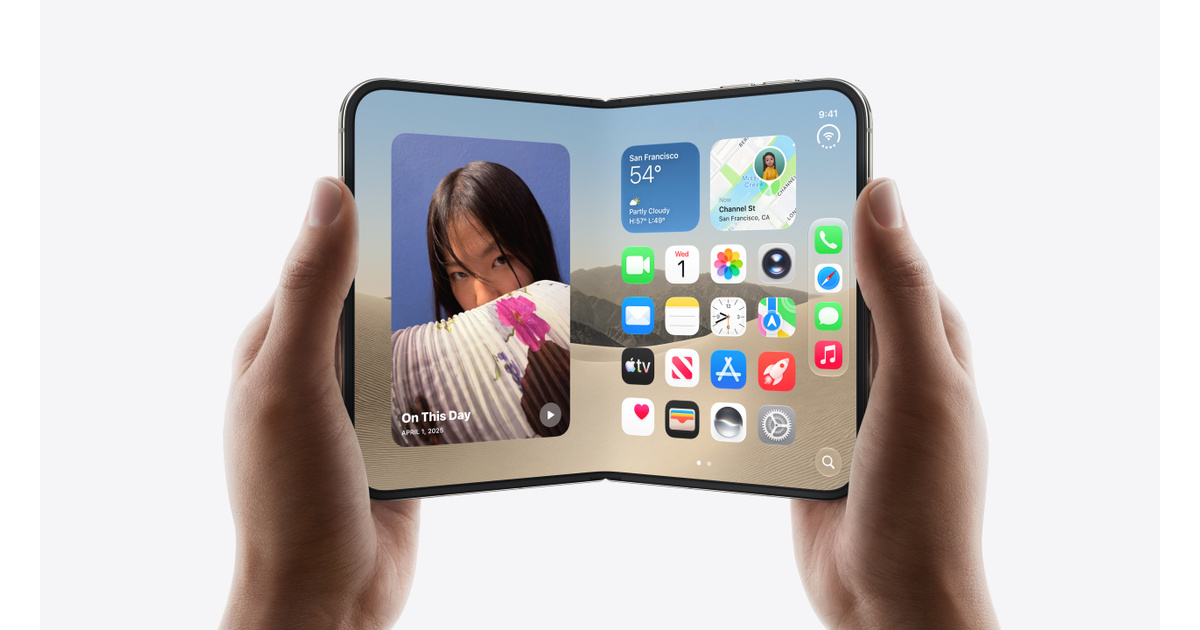
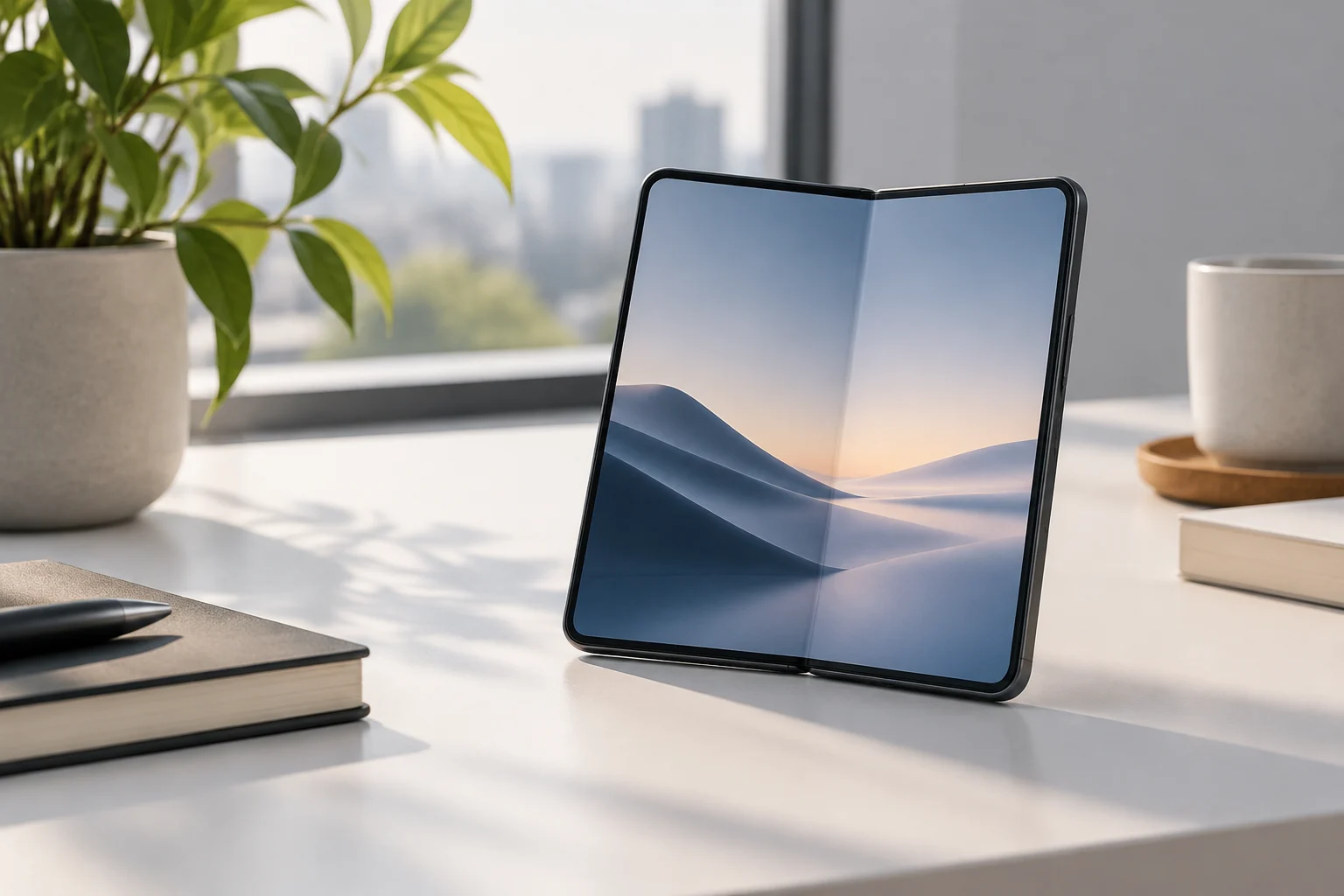
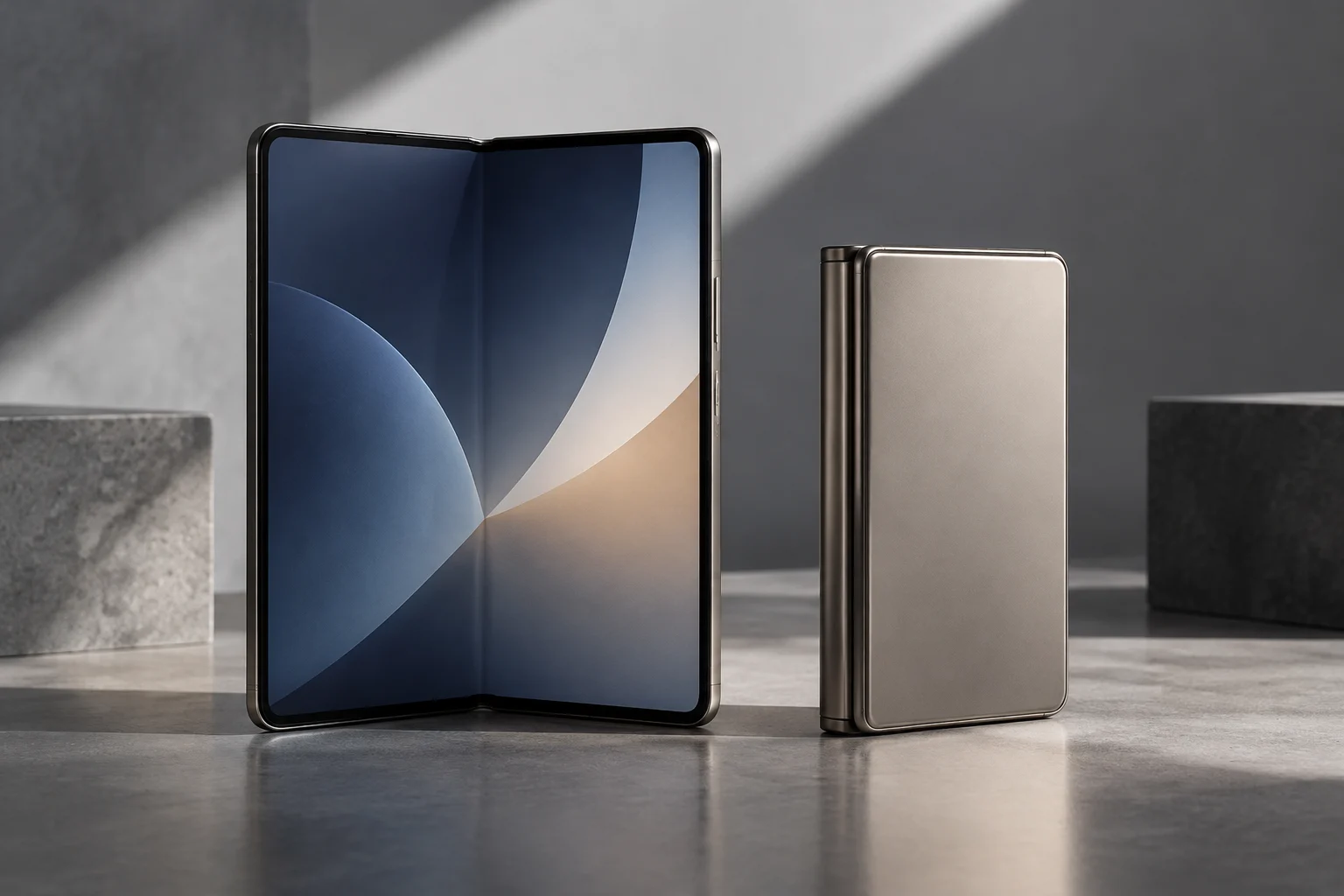
Apple presented the iPhone Duo on September 9, 2026, identifying it as its first foldable iPhone. The company's page describes a device that opens to offer a wide inner screen and maintains an outer screen for use while closed. The product and its format are confirmed; this does not automatically validate every detail that circulated for months.
The distinction matters because previous leaks mixed component estimates, tentative names, and supposed features. A note prior to the announcement, for example, proposed the name iPhone Ultra and collected specifications attributed to unofficial sources. With the product already announced, these versions must be treated as background, not as a definitive technical sheet. The primary source for knowing the device is the information published by Apple.
What Apple specifies about design and screens
Apple indicates that the inner panel measures 7.6 inches and the outer one 5.4 inches. It also notes that both screens share an aspect ratio to facilitate content continuity when switching between them. The company describes a precision hinge and a nanotextured finish on the inner screen, which, according to its statement, is designed to reduce reflections. These are manufacturer data, not an independent assessment of durability or visibility.
The announcement presents the Duo as a foldable format device and explains that the open screen expands the available space for content and multitasking. This allows understanding the usage proposal, but it does not prove by itself that the device is more comfortable than its rivals or that the brand has eliminated the fold mark. Claims about an invisible wrinkle, superior ergonomics, or specific durability require comparable tests that do not appear in the available material.
Hardware and features: separating the statement from leaks
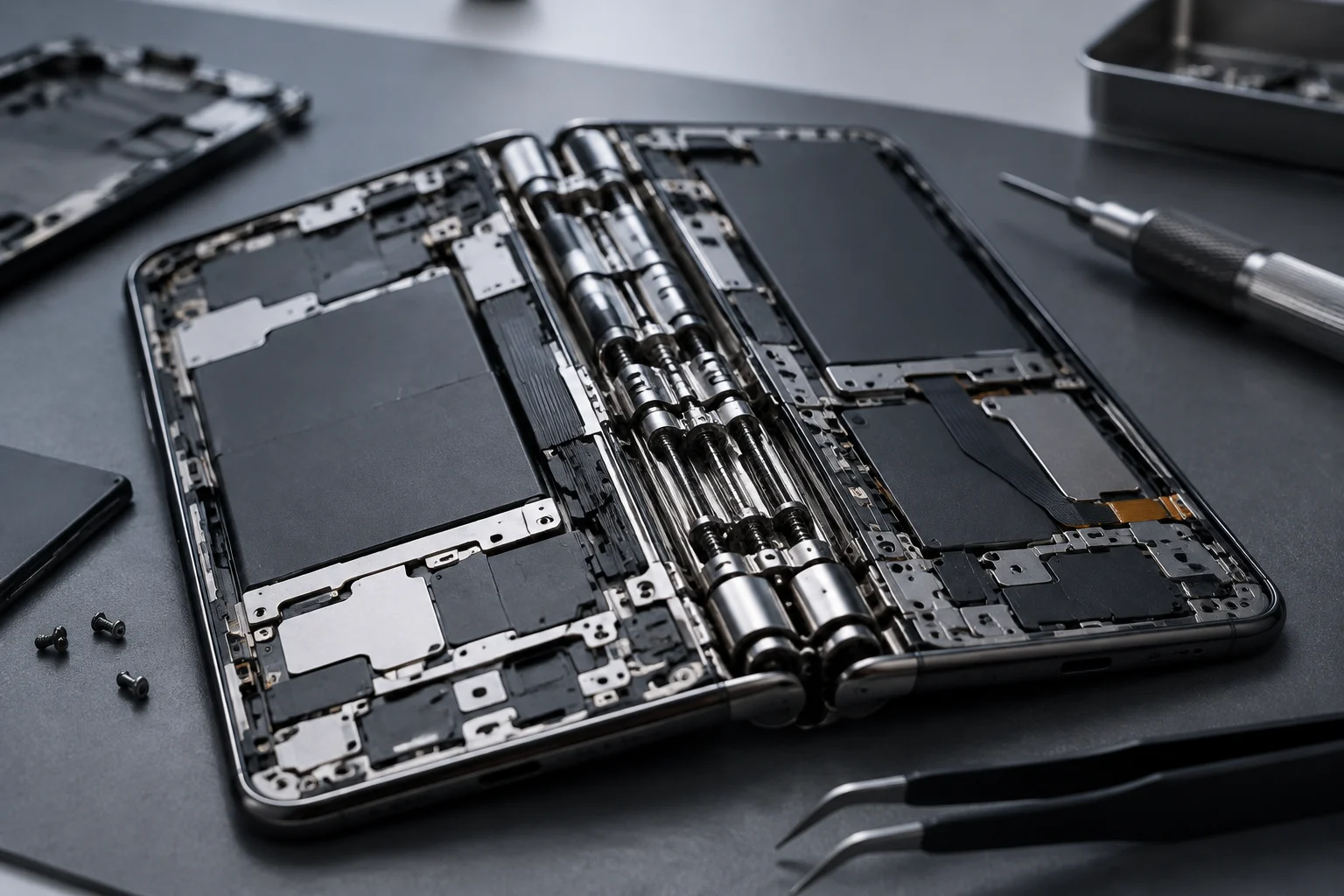
The information provided by Apple mentions the A20 Pro chip and a thermal system with a custom-designed vapor chamber. It does not provide, in the available extract, a RAM memory figure nor confirm compatibility with Apple Pencil, the use of Touch ID, or the absence of Face ID. Therefore, it is not prudent to present those points as official specifications even if they appear in rumor articles or subsequent comparisons.
Pre-event coverage spread several details attributed to the device, such as 12 GB of RAM and a price exceeding 2,000 euros. These figures are not verified by the official announcement cited in this research. Nor is it advisable to deduce features or design limitations from the foldable format: without specific documentation, biometrics, compatible accessories, and camera configuration must remain outside an affirmative sheet.
Competition: a possible but incomplete comparison
The Xiaomi 18 Fold serves as a reference for another book-style foldable announced in September 2026. Cinco Días reported a shorter and wider body, a 200-megapixel Leica main camera, a 6,000 mAh battery, and the XRING O3 chip. These data describe what that coverage collects, but do not allow concluding that the model is superior in photography, battery life, or performance: homogeneous tests and verified specifications for all compared devices are missing here.
The draft also contrasts the iPhone Duo with the Galaxy Z Fold8. Without a verifiable source of the package that accurately documents its features, prices, and availability, it is not appropriate to establish a technical table or declare advantages for Samsung or Apple. A useful comparison requires equivalent criteria—screens, weight, battery, software support, and price in the same market—not a selection of rumors on one side and manufacturer data on the other.
What projections say and what they do not
A La Razón publication attributed to supply chain reports an order of 22 million panels for Apple and cited a possible 22% share of the foldable market. The same article presents these figures as reported information and forecasts, not as observed results or data published directly by Apple. An estimated order does not equal sales: it can vary due to manufacturing yields, production changes, or final demand.
Another source included in the research attributes to Sigmaintell a projection of 24 to 25 million foldables shipped worldwide in 2026. It is a market forecast, not a final count, and should not be combined without context with the share figure attributed to IDC. The practical difference is simple: these estimates help describe industry expectations, but they still do not allow measuring how much the market will have changed due to Apple's entry.
What decision the available information allows
For those considering a foldable, the announcement confirms that Apple already has an official model and communicates the diagonals of its screens, the format, and some hardware elements. However, the sources of this research do not resolve the price, the commercial availability date by market, or several features that could influence the purchase. There is not enough basis to recommend a purchase over Samsung or Xiaomi with only the information verified here.
The most reliable reading as of October 20, 2026, is to separate three levels: what Apple declares, what the press attributes to leaks, and what analysts project for the sector. Before deciding, it is advisable to check the local price and availability, consult the complete technical sheet, and wait for independent evaluations of the hinge, screen, and battery life. This avoids confusing a presentation with evidence of real performance or commercial success.