Scope of the Review and Verification Criteria
The search conducted to identify wearable novelties dated in October 2026 has not yielded official manufacturer statements accrediting a specific launch in that month. To consider an announcement as verifiable, it is necessary to have primary documentation issued by the responsible organization, such as a press release in its newsroom, an official product page, or a technical specification published directly by the manufacturer.
The distinction between an official announcement and secondary coverage is fundamental. Trend pages, buying guides, or market analyses may mention products, but they do not constitute evidence of a dated launch. In this case, available sources include announcements from September 2026 and market analyses with future projections, but not a specific product event in October.
Verified Recent Announcements: September 2026
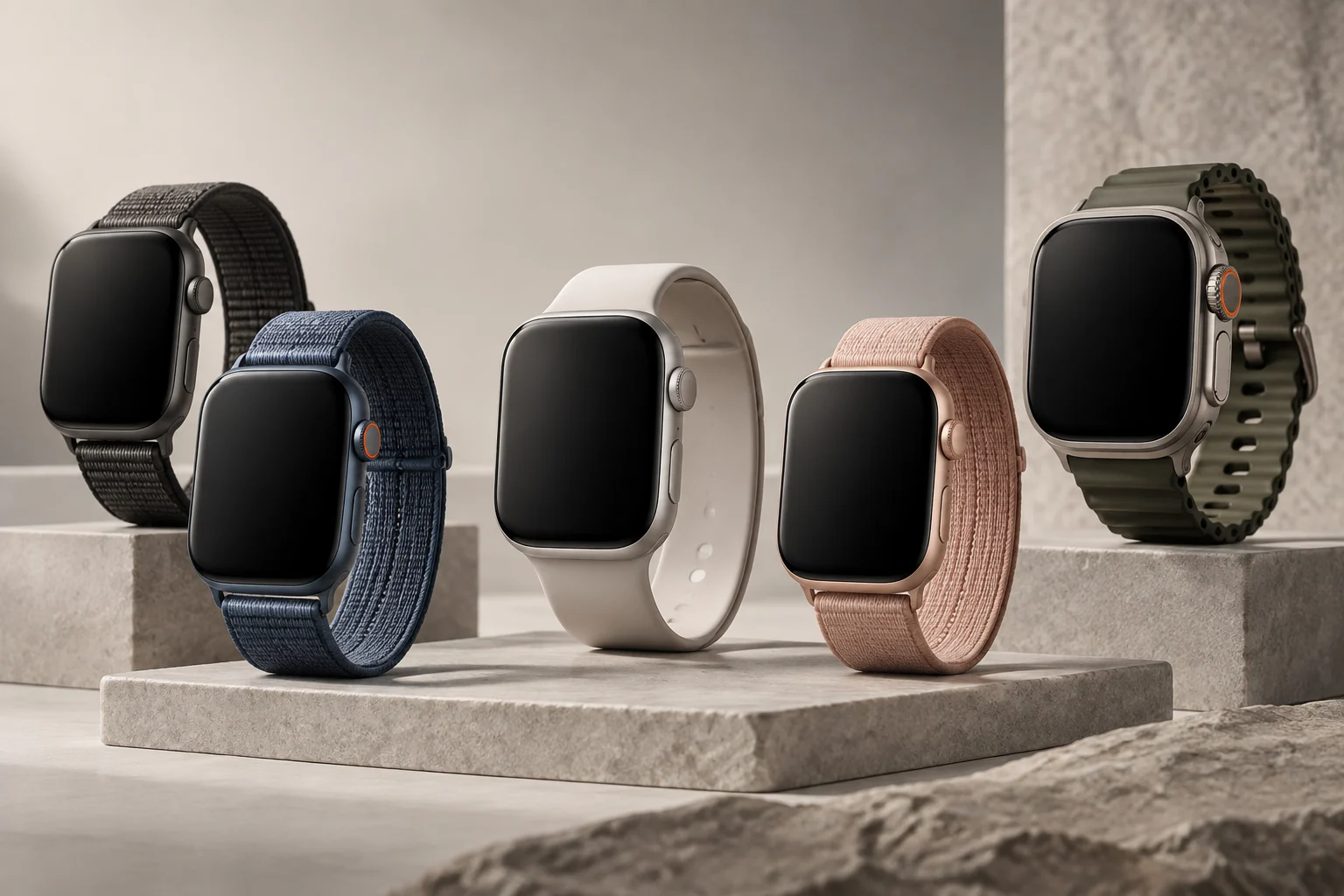
The most recent relevant official announcement identified corresponds to Apple, which on September 9, 2026, presented the Apple Watch Series 12 and the Apple Watch Ultra 4. Both devices incorporate the new Health Sensing System and the S11 chip, which according to the company offers the most accurate heart rate measurement in a wearable. The Apple Watch Ultra 4 stands out for its battery of up to 45 hours in outdoor workouts and its high-precision GPS.
In parallel, Samsung published an article in its UK newsroom in August 2026 where a company wearable specialist detailed features of the Galaxy Watch Ultra2 and the Galaxy Watch9, including the integration of Google Gemini via the Raise to Talk function. This content, although official, does not constitute a launch announcement but a usage guide for products already presented at the Galaxy Unpacked event in London.
Market Context and Trends for 2026
The wearable sector is in a phase of sustained growth. According to Mordor Intelligence, the smart wearable market was valued at $118.89 billion in 2026 and is projected to reach $254.31 billion in 2031, with an annual growth rate of 16.42%. Asia Pacific is both the largest market and the one with the highest growth.
The integration of artificial intelligence in the device is one of the dominant trends. A Counterpoint analysis, cited by Zona Movilidad, estimates that nearly eight out of ten wearables will incorporate local AI or Edge AI capabilities before 2032, compared to the 30% recorded in 2025. This transition implies that watches, earbuds, and connected rings will stop relying on remote processes to interpret data in real time.
Adoption and Real-World Use of Wearables
Adoption data shows that the wearable has ceased to be a niche accessory. A 2026 Pew Research Center survey, cited by Sonar Health, reveals that 37% of US adults own a smartwatch, a figure that rises to 44% among those aged 18 to 49. Another 2025 survey indicates that 46% of adults in the country had a wearable and that 83% of them used it at least five days a week.
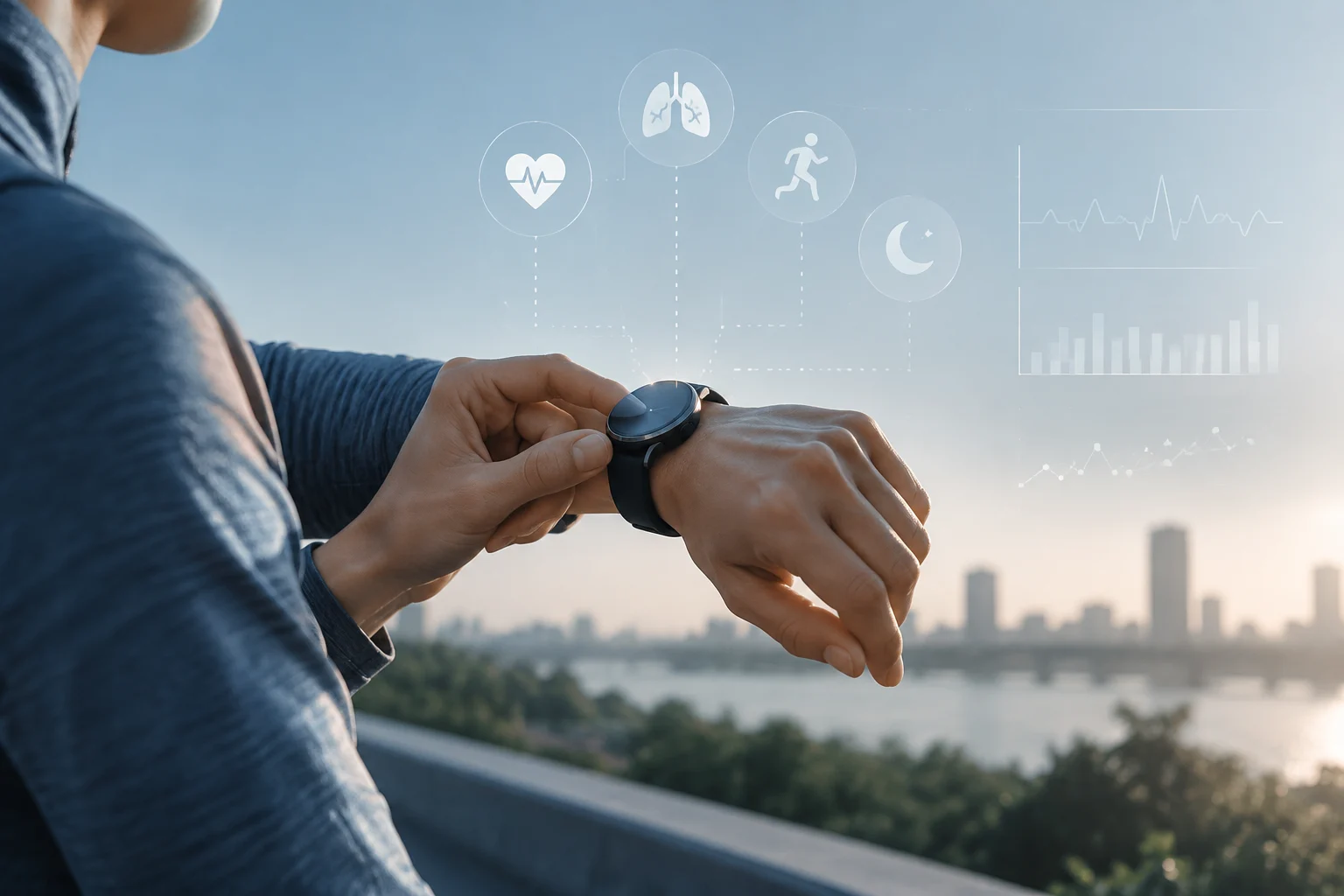
The smartwatch remains the dominant device, but the category has expanded. According to the same data, 13% of adults in the US own a smart scale and another 13% a connected blood pressure monitor. This diversification reflects a greater integration of wearables in everyday health monitoring, beyond simple step counting.
Criteria to Confirm a Future Announcement
To validate a wearable announcement in October 2026 or any other month, it is recommended to follow these steps: verify the existence of a statement in the manufacturer's official newsroom; contrast the publication date with the event or launch date; and seek independent coverage from at least two recognized media outlets that confirm the scope and specifications of the product.
It is important not to confuse rumors, leaks, or trend pages with official confirmations. An article speculating about a possible launch does not constitute sufficient evidence. Similarly, availability dates may vary by market, so verification must include specific launch information for the region of interest.
Editorial Status and Next Steps
With current evidence, a specific launch news story cannot be sustained for wearables dated October 2026. The piece remains as a useful explanation of the verification status, identifying available recent announcements and market context. If a verifiable official announcement appears, this piece must be updated with specific product information, its specifications, and its availability date.
Transparency about the limits of evidence is preferable to presenting unconfirmed information as a novelty. Readers looking for recent updates on wearables will find here a clear framework for interpreting available sources and evaluating the credibility of future announcements.