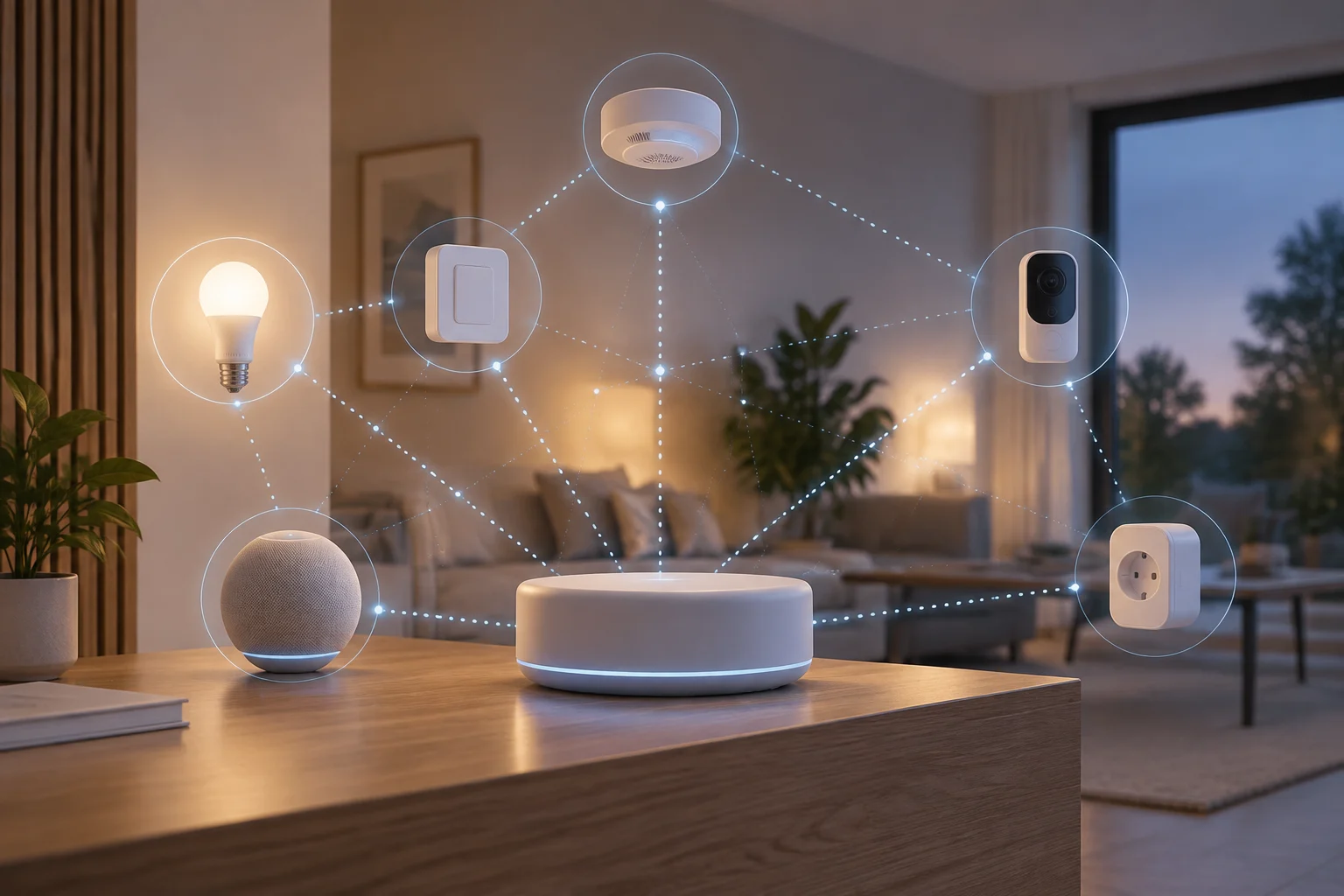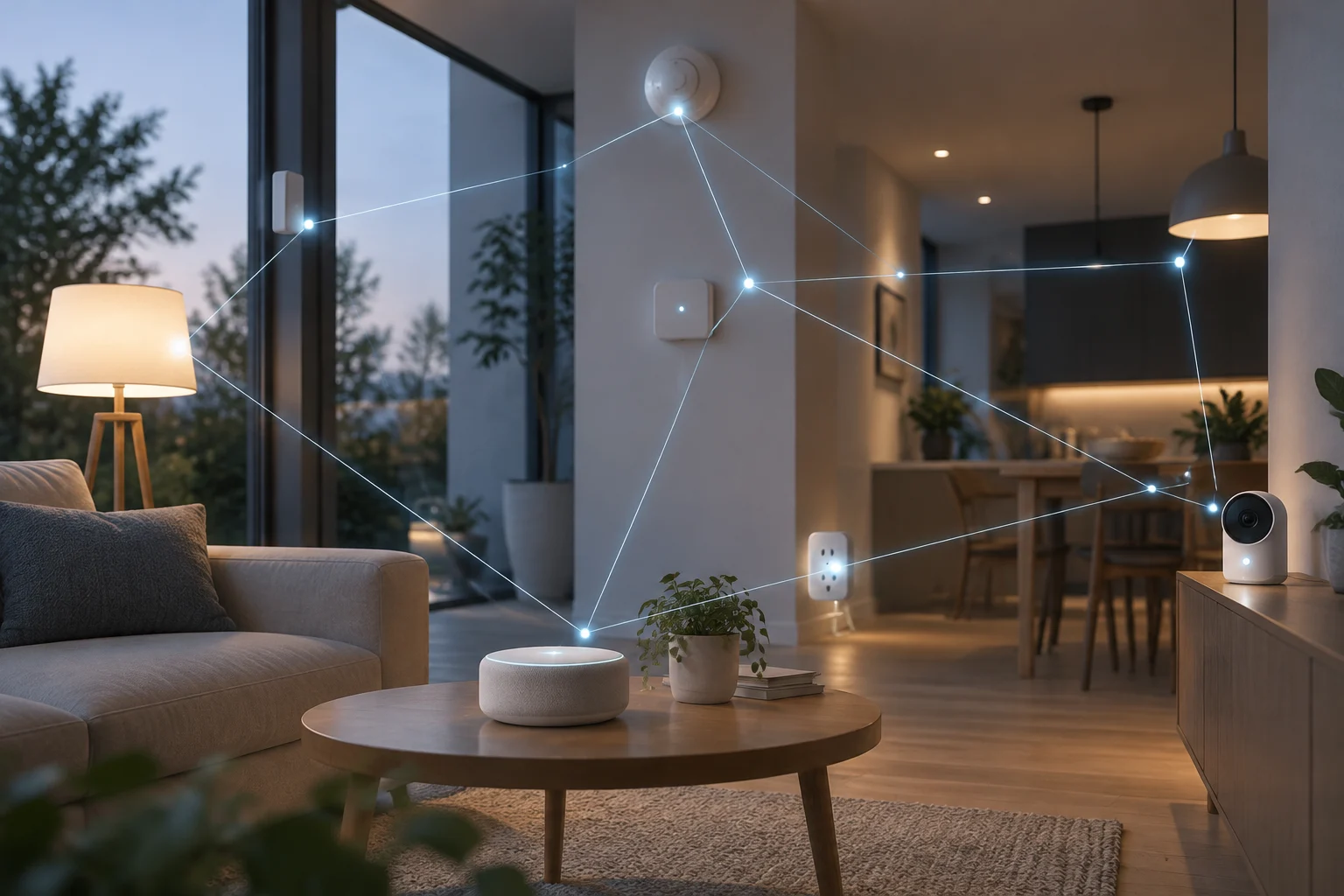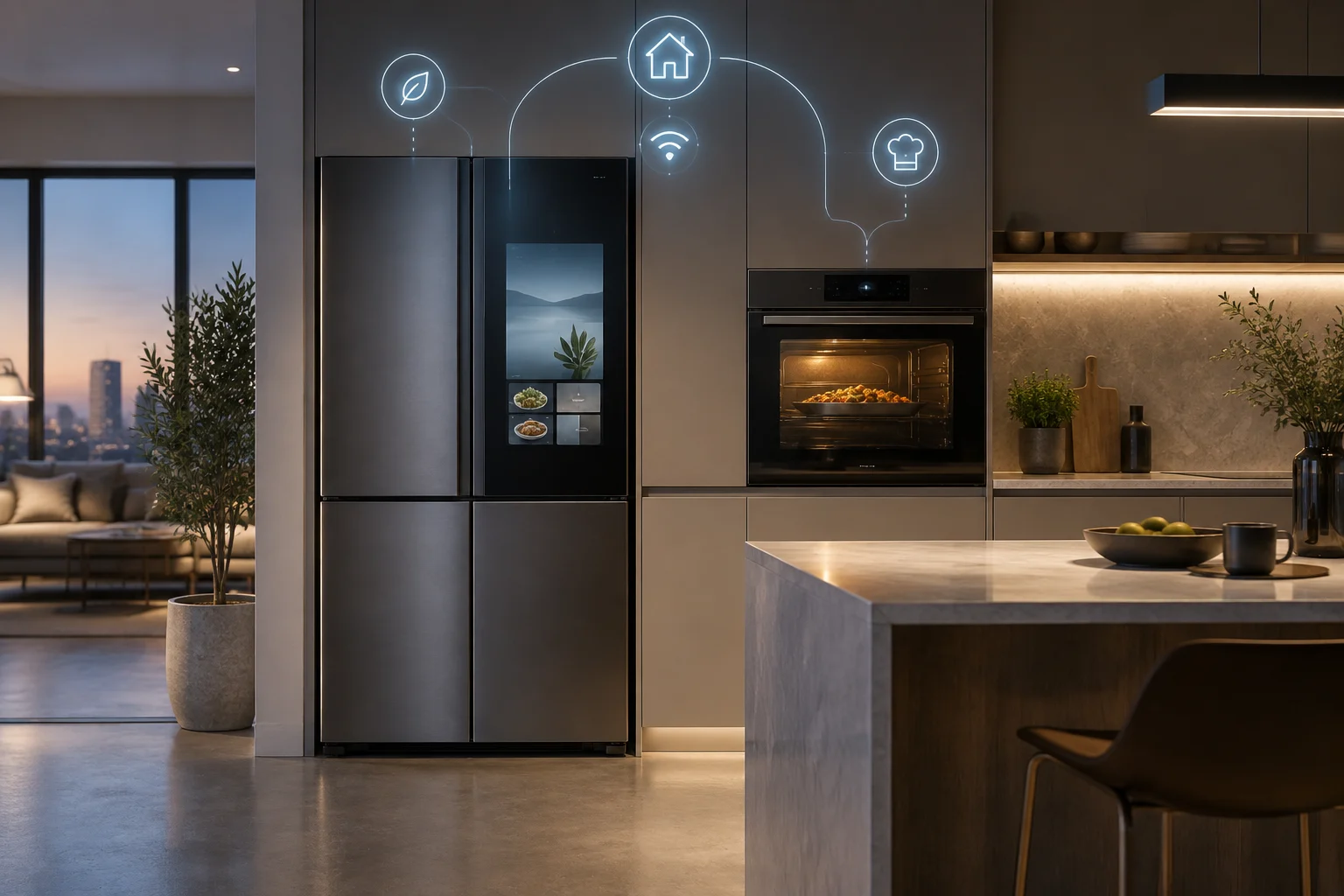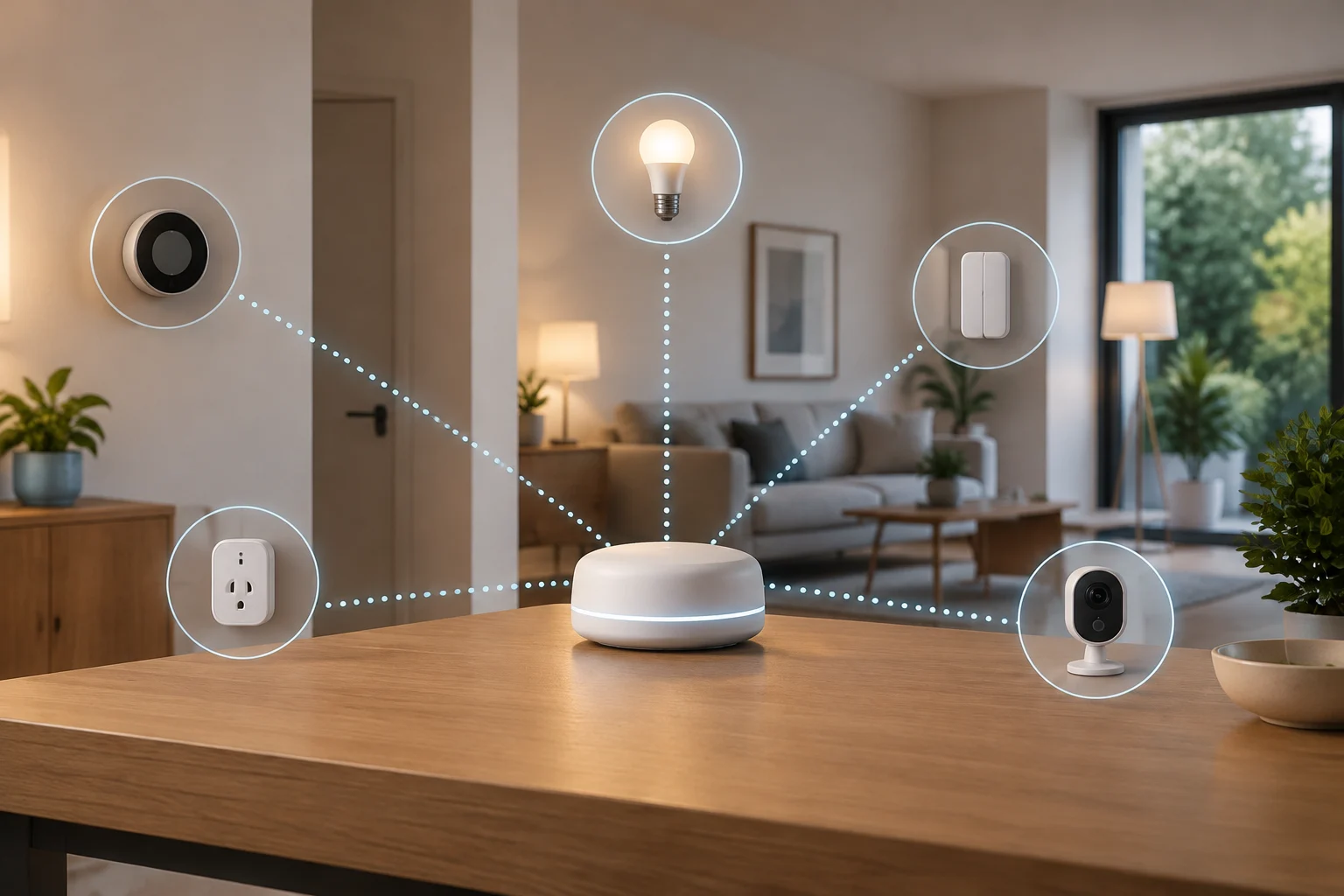
The State of Adoption in 2026
In early 2026, the Matter ecosystem has moved beyond the experimental phase. According to industry tracking data, more than 350 products from over 70 manufacturers have obtained official certification from the Connectivity Standards Alliance (CSA). This figure represents a qualitative leap compared to the early days, when interoperability was theoretical and relied on proprietary implementations from each brand.
However, the presence of the Matter logo on a box does not guarantee full compatibility. Certification involves three validation stages: protocol compliance, platform interoperability, and security validation. The certification process typically takes between 8 and 12 weeks and incurs significant costs for the manufacturer, which explains why some recent devices are not yet listed in the CSA's public database.
Technical Novelties in Matter 1.3
The Matter 1.3 specification, launched in May 2024, introduced structural changes that are now reaching the market. The main focus is resource management: for the first time, the standard allows devices to report their energy consumption natively. This eliminates the need for specific drivers for each platform and enables any Matter controller to read consumption data from smart plugs or appliances.
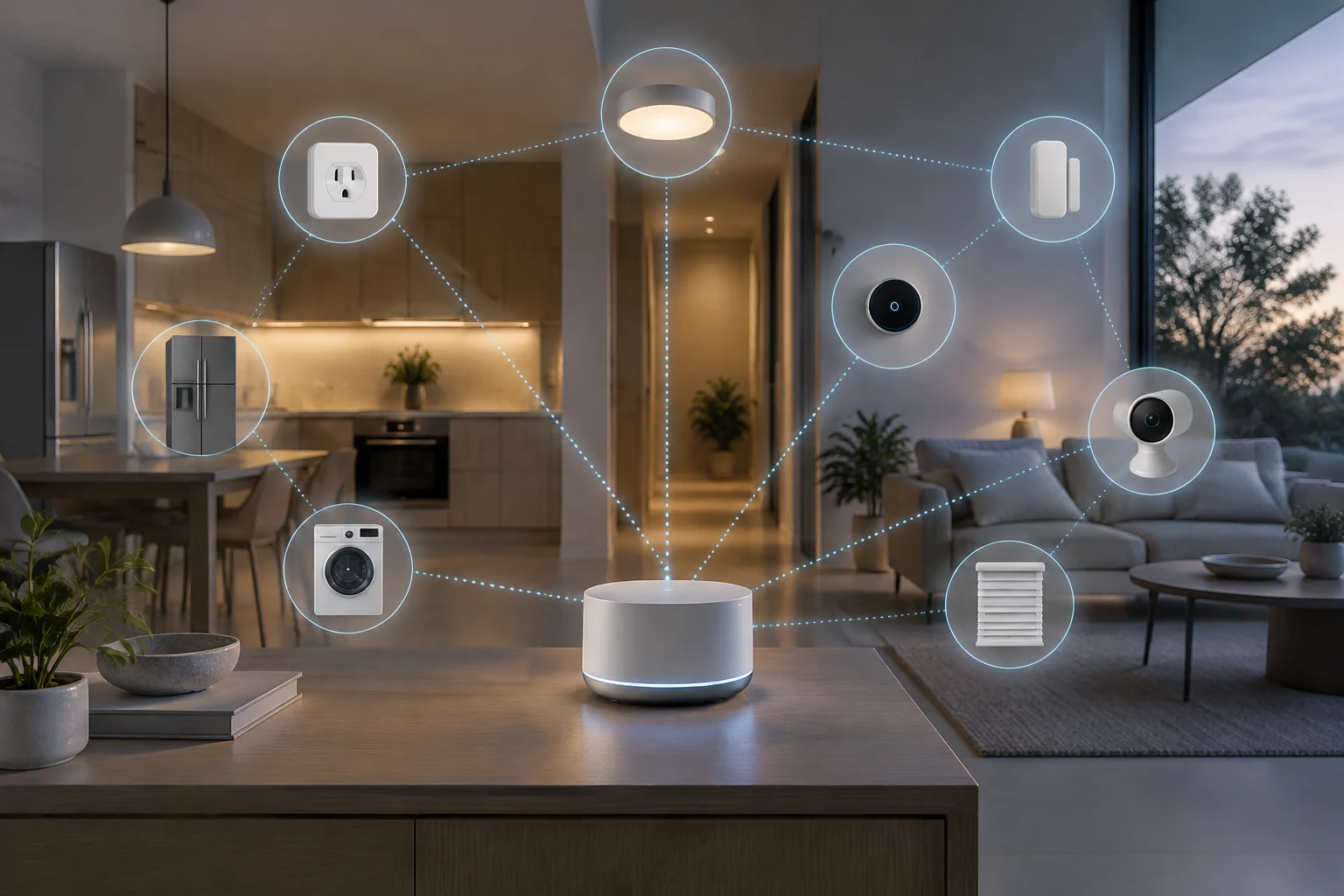
Additionally, new device types were incorporated, such as electric vehicle chargers, kitchen and laundry appliances, and water management. Lighting functions were also improved with batch commands and the creation of more complex scenes. Native energy measurement is the most relevant change for end users, as it facilitates consumption optimization without relying on closed applications.
Thread: The Critical Transport Network
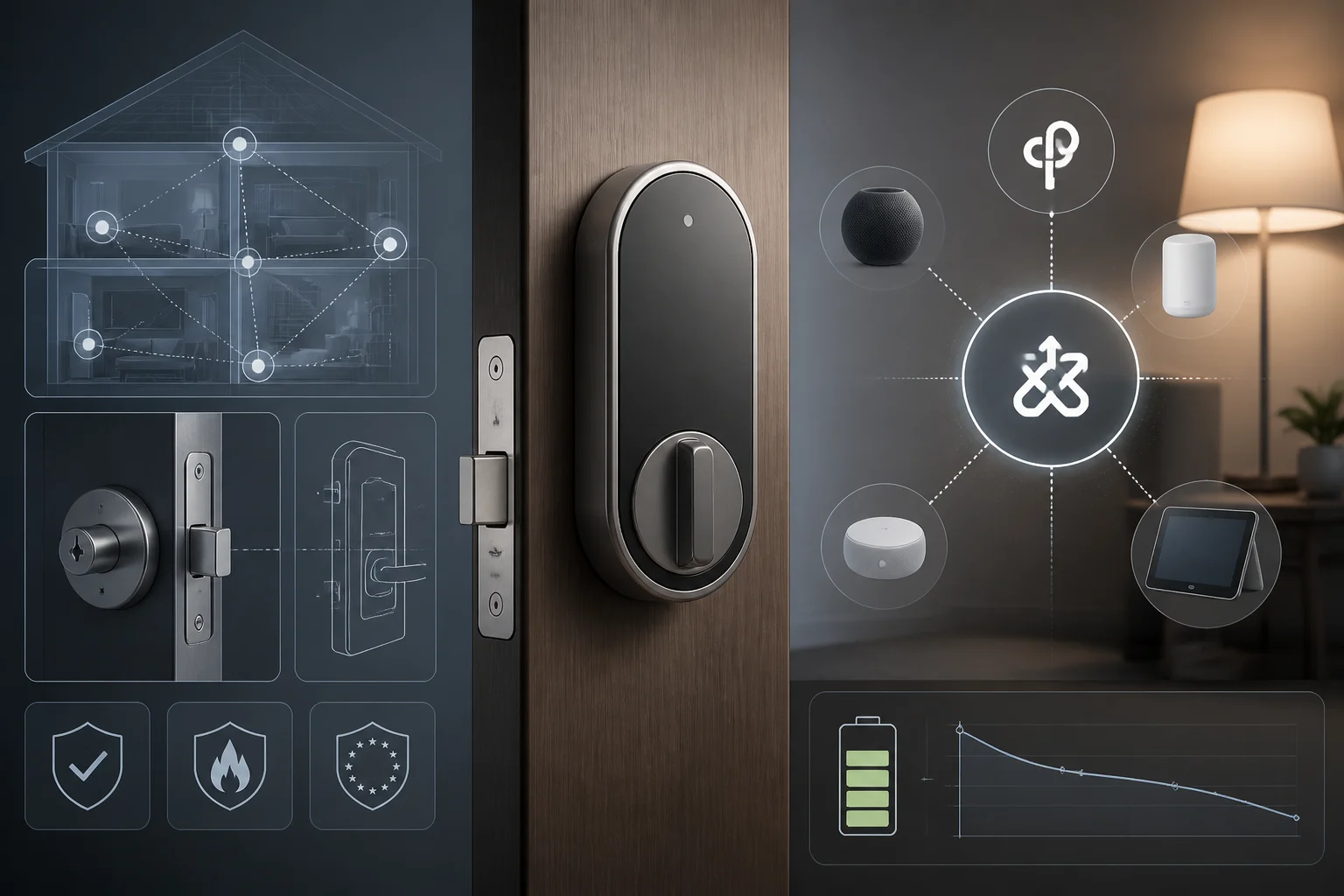
Matter operates over IPv6 and can use Wi-Fi, Ethernet, or Thread as the transport layer. Thread is a low-power mesh network that offers greater stability and lower latency than Wi-Fi for battery-powered devices. For it to function, a Thread border router is required, which acts as a bridge between the Thread network and the home's main IP network.
In 2026, most smart hubs from Apple, Google, Amazon, and Samsung include this functionality. Devices such as the Apple TV 4K, HomePod mini, Nest Hub Max, or Echo Dot Max serve as border routers. The choice of this hardware is crucial, as it determines the coverage and stability of the Matter device network that relies on Thread.
Thread 1.4 and Network Unification
One of the most common criticisms of Thread was the creation of isolated networks by each manufacturer. Version 1.4 of the standard attempts to resolve this by standardizing how border routers share network credentials. In theory, this would allow an Apple device and a Google device to join the same Thread network without conflicts.
However, implementation is not automatic in all cases. According to recent technical analyses, in many configurations a manual step is still required, such as scanning a QR code or synchronizing keys at the operating system level, to unify the networks. Thread network unification remains a process that depends on the specific implementation of each platform, so users must verify cross-compatibility before assuming everything will work seamlessly.
Practical Verification Guide
Before buying a Matter device, it is fundamental to verify its certification status. The CSA database is the only official source that confirms a device has passed interoperability tests. Searching for the specific model in this list avoids surprises with devices that advertise Matter support but have not completed validation.
For devices using Thread, it is also necessary to check if the existing hub or border router is compatible with the Thread version required by the device. The following table summarizes the key requirements to verify:
| Element | What to Verify | Verification Source |
|---|---|---|
| Matter Certification | If the model appears in the official list | CSA Database |
| Border Router | If the current hub supports Thread 1.4 | Manufacturer Technical Sheet |
| Cross-Compatibility | If the device works with your main controller | Community Tests or Official Documentation |
Outlook and Limitations
Interoperability in 2026 is a functional reality, but not perfect. Manufacturers are integrating Matter 1.3 at a variable pace, and not all new devices support the latest features such as energy measurement. Users must be realistic: the promise of a connected home without proprietary apps is largely fulfilled, but the experience may vary depending on the hardware and software combination.
Next year, more high-end appliances are expected to incorporate Matter 1.3 as standard, especially in categories like washing machines, dryers, and ovens. Standard maturity will depend on major appliance manufacturers completing the certification of their full lines, a process that is underway but not yet finished.