What Hisense Announced in Berlin
Hisense presented its Companion Living vision at IFA 2026, a proposal to connect different home experiences through artificial intelligence. The company communicated this under the slogan Innovation that transforms your home and linked it to V AIOS and AI Companion Suite. IFA took place in Berlin from September 4 to 8; therefore, this is an announcement already made, not a future presentation.
The focus is not limited to a single appliance: the company described areas for kitchen, laundry, and air and energy. The key difference is between ecosystem vision and commercial product: corporate material explains functions and scenarios, but does not by itself confirm that each device is on sale, nor when it will reach each European country.
For those considering renovating their kitchen or automating their home, this information serves as an indicator of the brand's direction, not a shopping list. The provided sources do not include launch dates, prices, or a verifiable list of models available in Spain. It is advisable to wait for local specifications and sales conditions before making a decision based on trade show demonstrations.
V AIOS: The Software Layer Proposed by Hisense
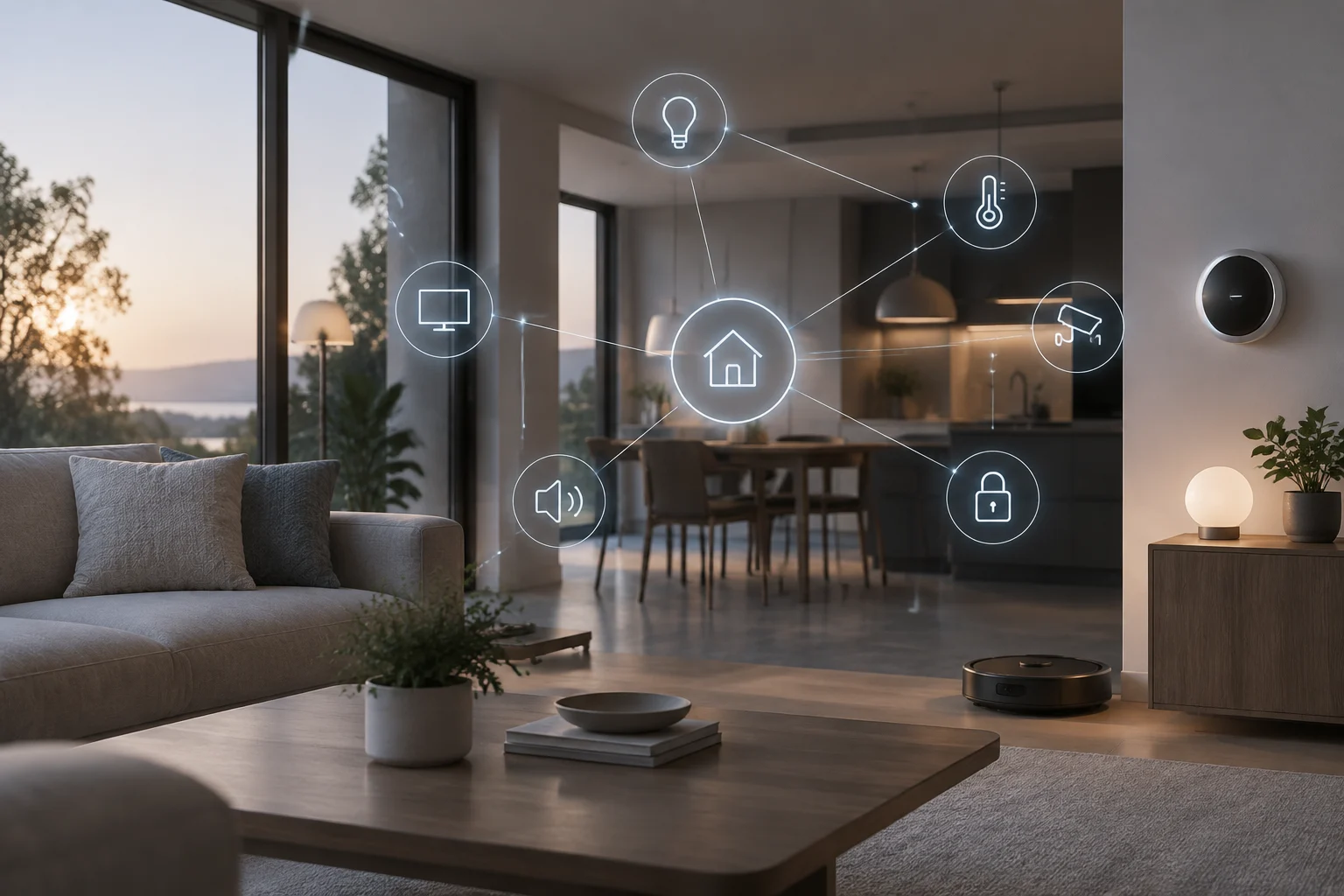
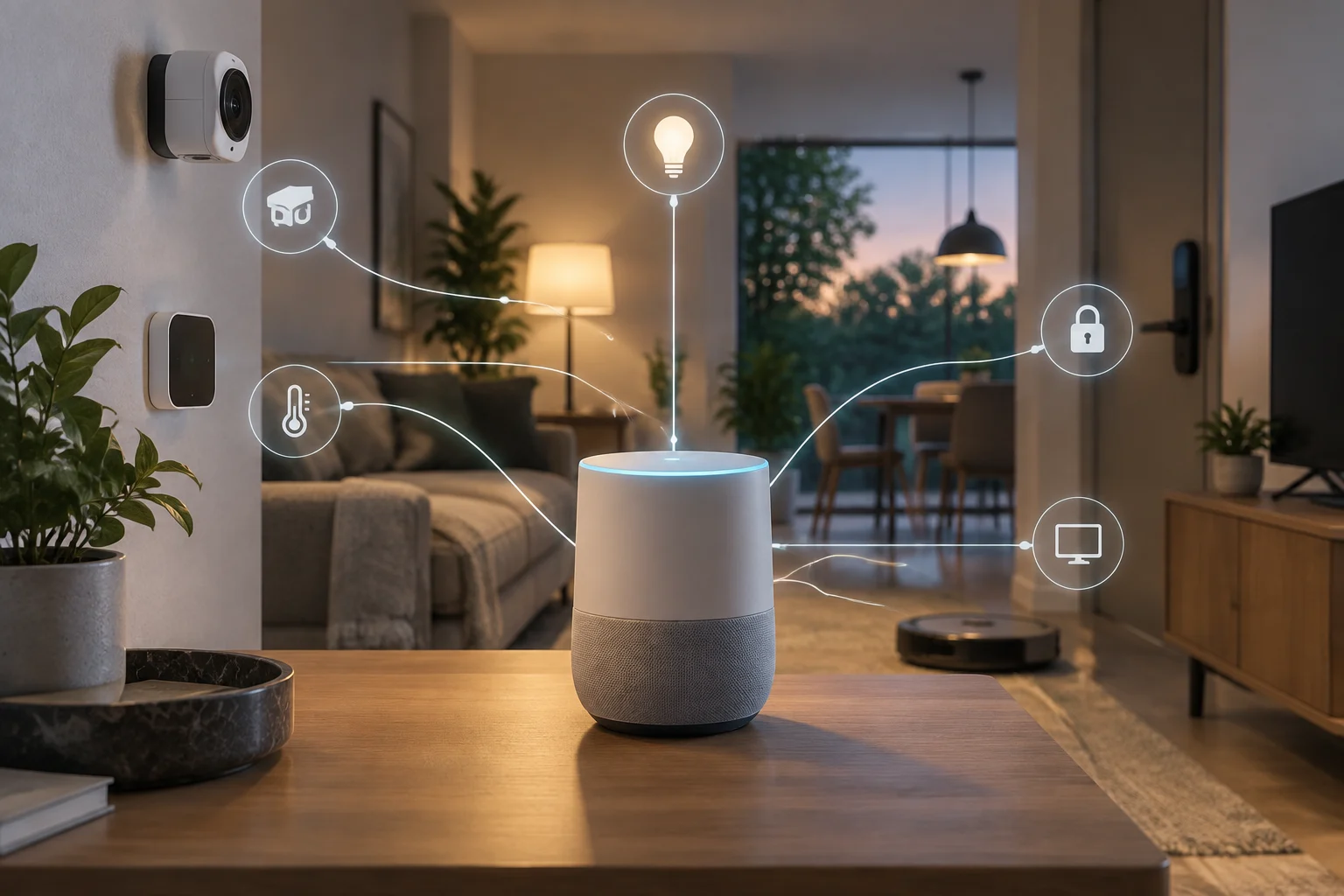
Hisense describes V AIOS as the evolution of VIDAA OS, organized around four capabilities it calls Sense, Think, Communicate, and Execute. In the company's explanation, these functions would allow perceiving the environment, interpreting context and intention, communicating between people and devices, and coordinating actions.
This is a description of the capabilities planned by the manufacturer, not an independent validation of its performance. The source does not detail how data is processed, what information is stored, what controls the user has, or which specific devices will be compatible in Europe. These points are as important as the demonstration: a home platform is only useful if the devices already owned can be integrated and if their permissions are understandable.
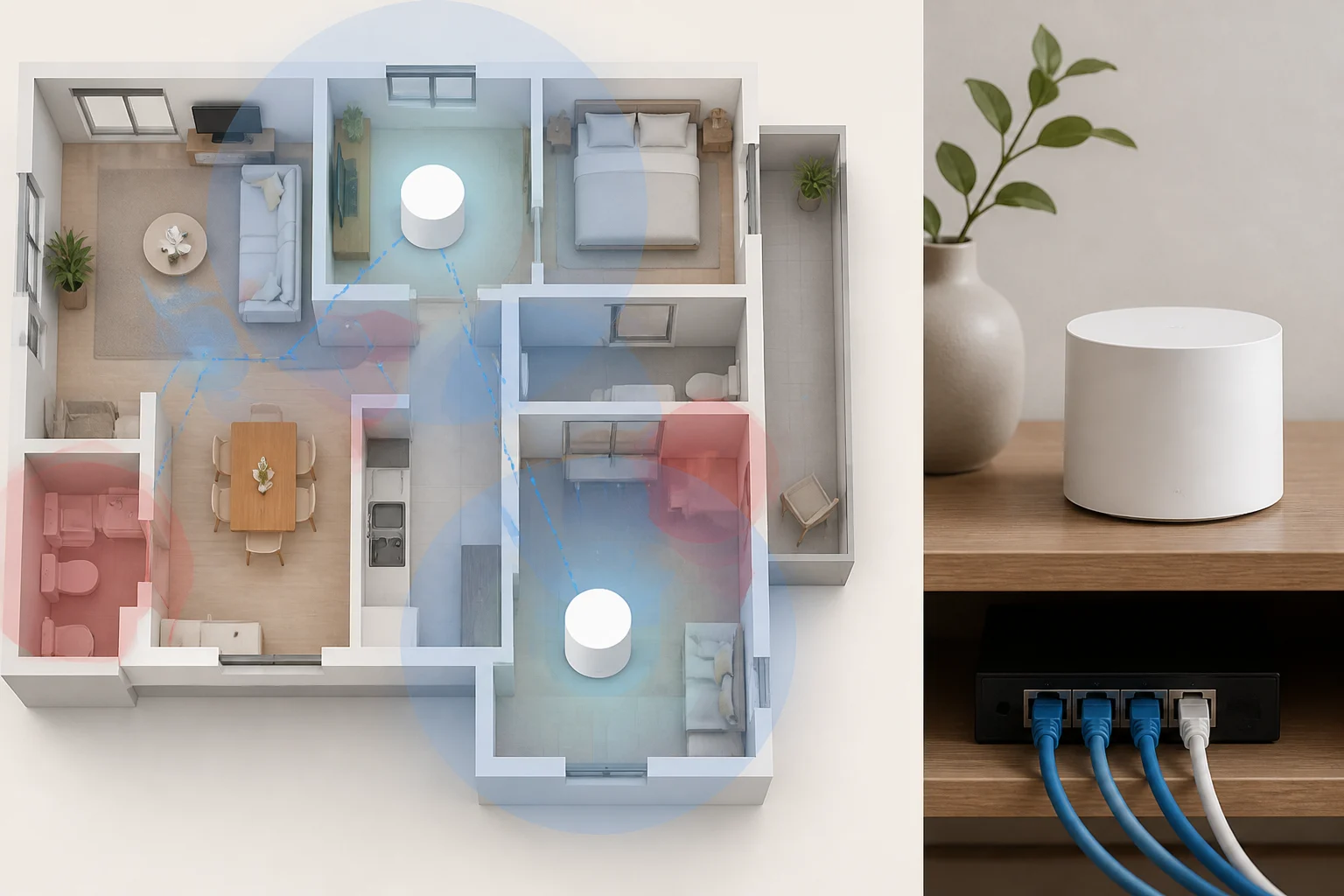
In practice, the question for the buyer is compatibility. Before choosing an appliance for its AI functions, it will be necessary to check the exact model, the required application and services, as well as connection conditions. Without this data, one cannot assume that the ecosystem works with equipment from other brands or that all announced functions are available in each market.
AI Companion Suite: Examples and Limits of the Demonstration
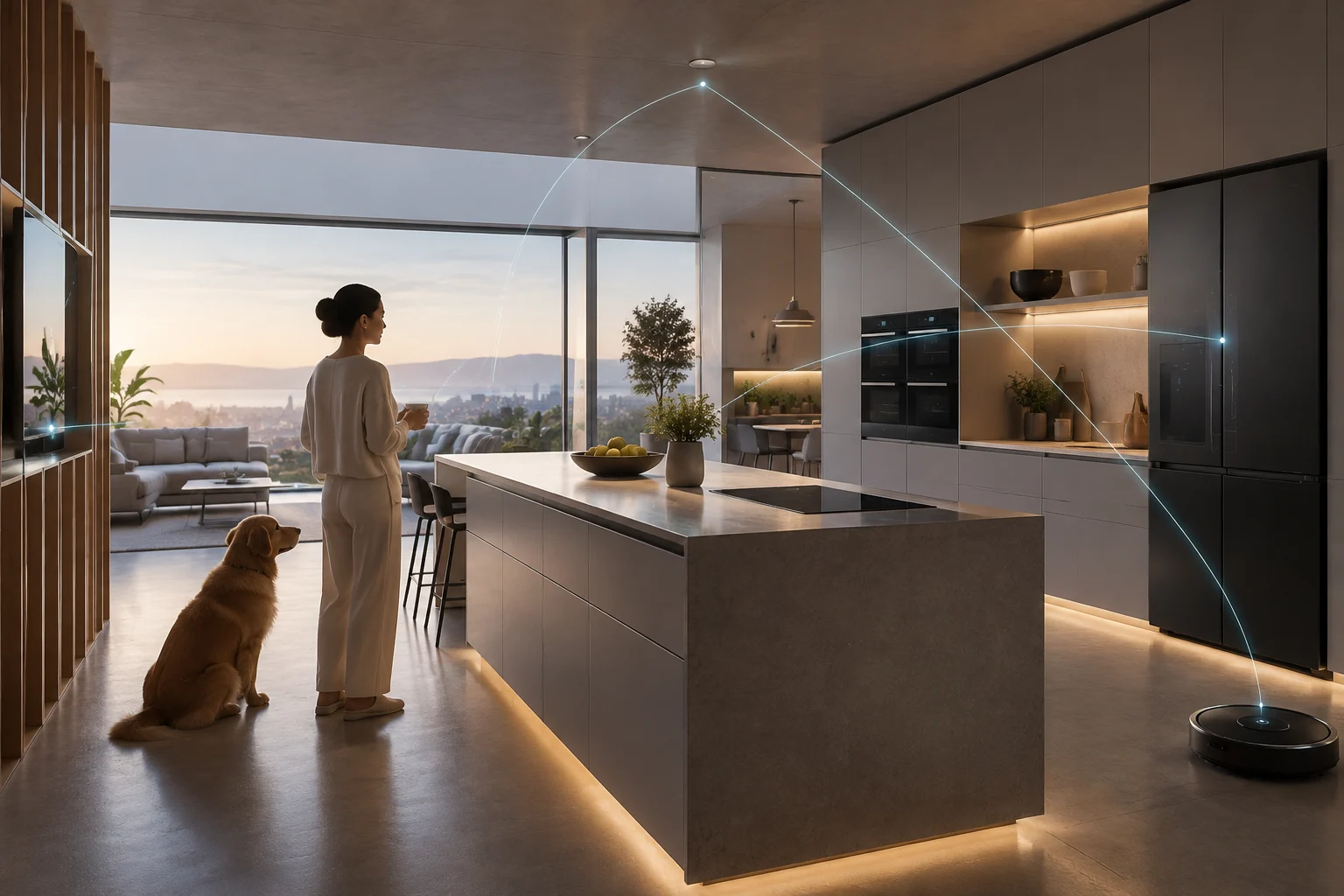
The company positions AI Companion Suite in three areas: kitchen, laundry, and air and energy. In its kitchen examples, a refrigerator could recognize ingredients and suggest meals; a chosen recipe could be coordinated with an oven, while other equipment would support tasks related to wine or cleaning. These are scenarios presented by Hisense, not independent proof that the functions are deployed in commercialized products.
The proposal has recognizable potential utility: linking several tasks to avoid the user configuring each appliance separately. However, the published information does not establish which automations require intervention, what sensors or internet connection are needed, or how the system behaves when an ingredient is missing or a device does not respond. It also does not allow claiming that coordination reduces energy consumption by itself.
The practical distinction is simple: a function described in a demonstration is not necessarily a service available to the public. To evaluate the offer when it reaches stores, one will have to review the list of compatible models, the functions enabled in Spain, and the privacy and software maintenance conditions. This data will allow comparing the promised convenience with the actual usage requirements.
Hi9 Smart and Integrable Design
Among the product examples cited in the trade show coverage is the four-door Hi9 Smart RQP609 refrigerator, described with a smart screen. The available information does not provide an official European datasheet to verify complete specifications, variants, dimensions, price, or launch date; therefore, the mention of the model should not be confused with a confirmation of sale.
Integrable design, associated with terms like Built-In and KitchenFit, points to the appliance fitting visually with kitchen furniture. To assess this aspect, the commercial label is not enough: the buyer needs installation measurements, ventilation, clearances, finish, and mounting requirements for the specific model. Without this data, it is not possible to know if a unit fits an existing kitchen.
There is not enough basis to categorize the RQP609 as available in Spain or to attribute details that do not appear in verified information. If the model is of interest, the prudent course is to request the local model number and its installation documentation from the seller or manufacturer before reserving space or comparing prices.
The Competition and What Can Be Compared
Haier also presented a connected home proposal based on artificial intelligence at IFA 2026, with areas including laundry, refrigeration, kitchen, entertainment, digital services, and robotics. This allows situating Hisense's presentation within a trade show where other brands also communicated home ecosystems, but it is not enough to declare a winner: the sources do not offer a homogeneous comparison of compatibility, performance, price, or availability.
The draft attributed an advantage position to Hisense over Samsung and spoke of the maturity of its ecosystem, but the available evidence does not support these conclusions. The provided coverage supports that Haier presented its own proposal; it does not provide comparable data from Samsung at IFA 2026 nor independent measurements that allow ranking platforms by capability.
For the user, useful comparison will come with identified products and equivalent conditions: what devices connect, what functions work in the local market, how much they cost, and how long they receive support. Until then, the presentation describes a strategy, not a demonstrated competitive advantage.
What to Check Before Buying
The announcements allow understanding what Hisense is trying to build: a software and services layer that connects devices and routines. They do not by themselves confirm savings, efficiency improvements, or availability. In particular, mentions of sustainability and energy management should be read as brand objectives or messages, not as measured results for a specific product.
When local commercial datasheets are published, it is advisable to check these points before deciding:
- The exact model and its availability in the country, without inferring it from a demonstration at IFA.
- Effective compatibility with the application, services, and other appliances one wants to use.
- What data each function collects, what controls it offers, and if some services depend on connection or external services.
- Installation dimensions, declared consumption, warranty, and support for the specific model.
The practical conclusion is to wait for sales documentation if the decision depends on price, dates, compatibility, or efficiency. Companion Living offers an interesting technological direction, but the available information does not allow treating the set presented in Berlin as a range already commercialized in Europe.