The Bosch Announcement: A Component Improvement, Not a Car Upgrade
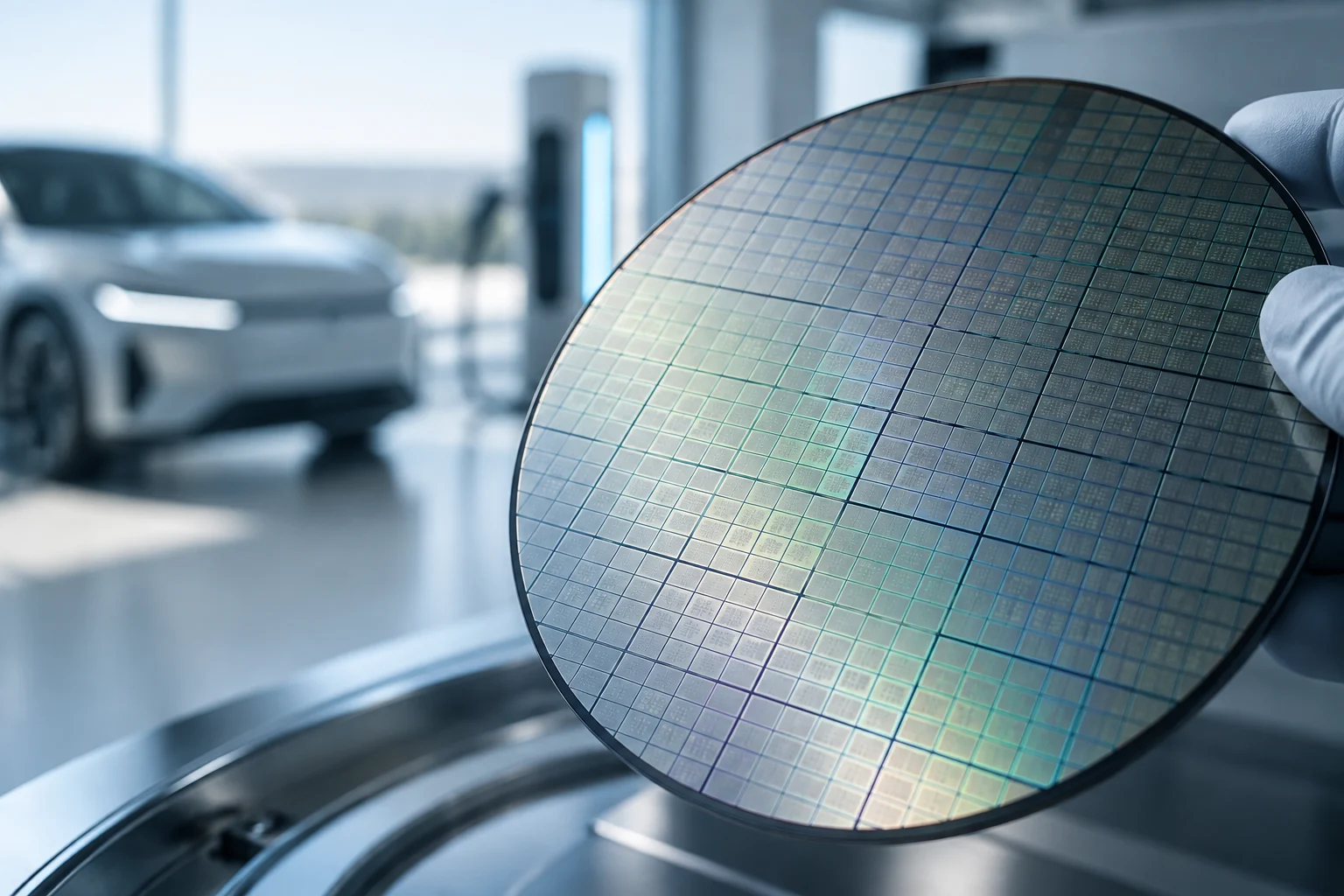
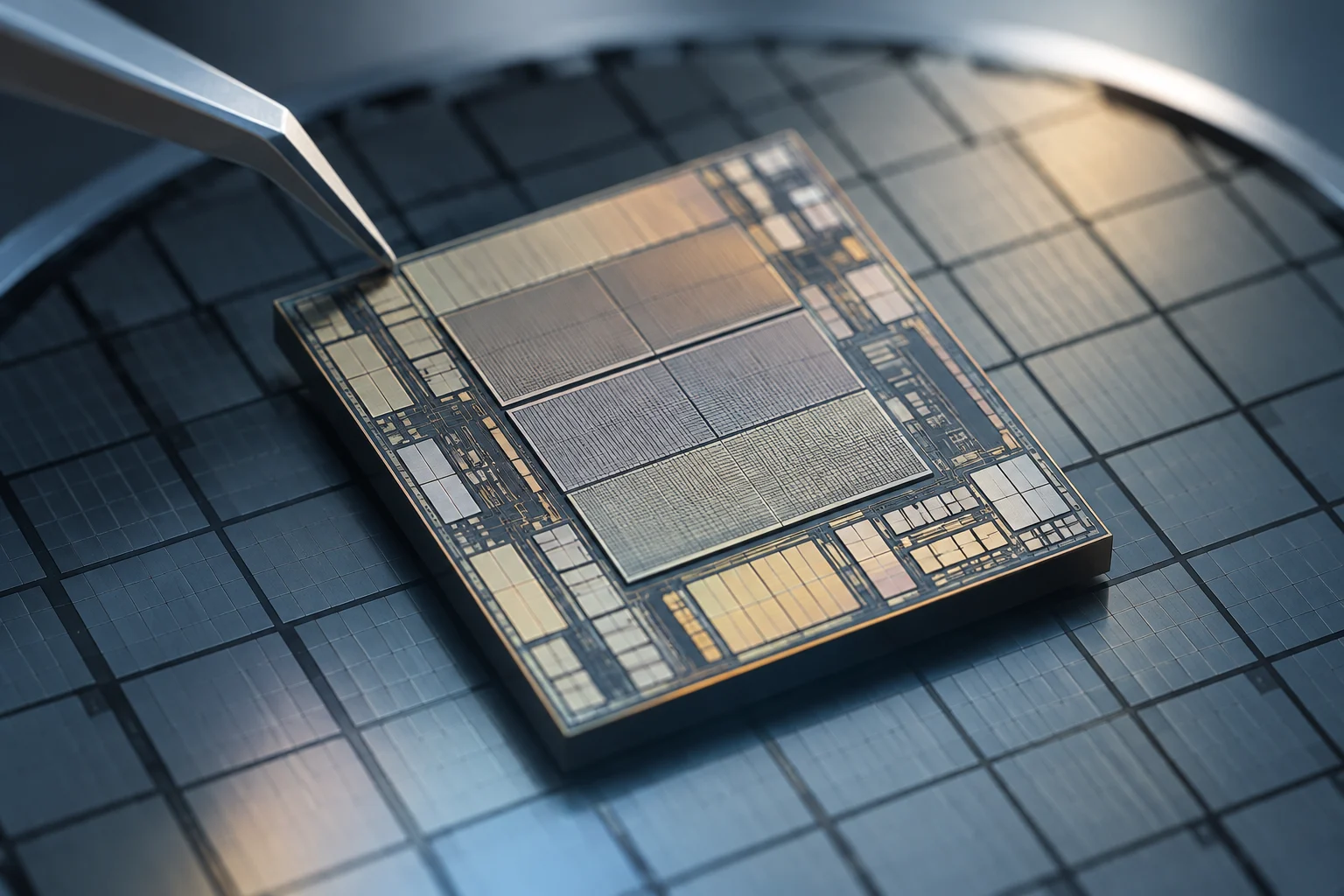
Bosch presented its third generation of silicon carbide (SiC) chips on May 28, 2026, stating that it offers 20% more performance than the previous generation. The company indicated that it had begun sending samples to automotive manufacturers. This is, therefore, an industrial evaluation stage: the announcement does not identify car models that already feature them, nor does it publish results from mass-produced vehicles.
The 20% figure must be read with care. The press release does not define in the available material what specific metric represents 'performance,' under what conditions it was measured, or whether it refers to electrical capacity, switching efficiency, or another chip criterion. It does not equate to a 20% increase in range or a 20% reduction in consumption. Bosch also claims that the chips are smaller than those of the previous generation, but it does not provide comparable dimensions or a quantification of manufacturing savings in that announcement.
The date matters for interpreting the news: the announcement is from May 2026, not a current novelty. Bosch also mentions more than 60 million SiC chips delivered since 2021 and an investment close to 5 billion euros in the manufacturing of this technology. These are contextual data declared by the company, not an independent evaluation of the third generation or a measurement of its impact on vehicles.
What SiC Semiconductors Do in an Electric Vehicle
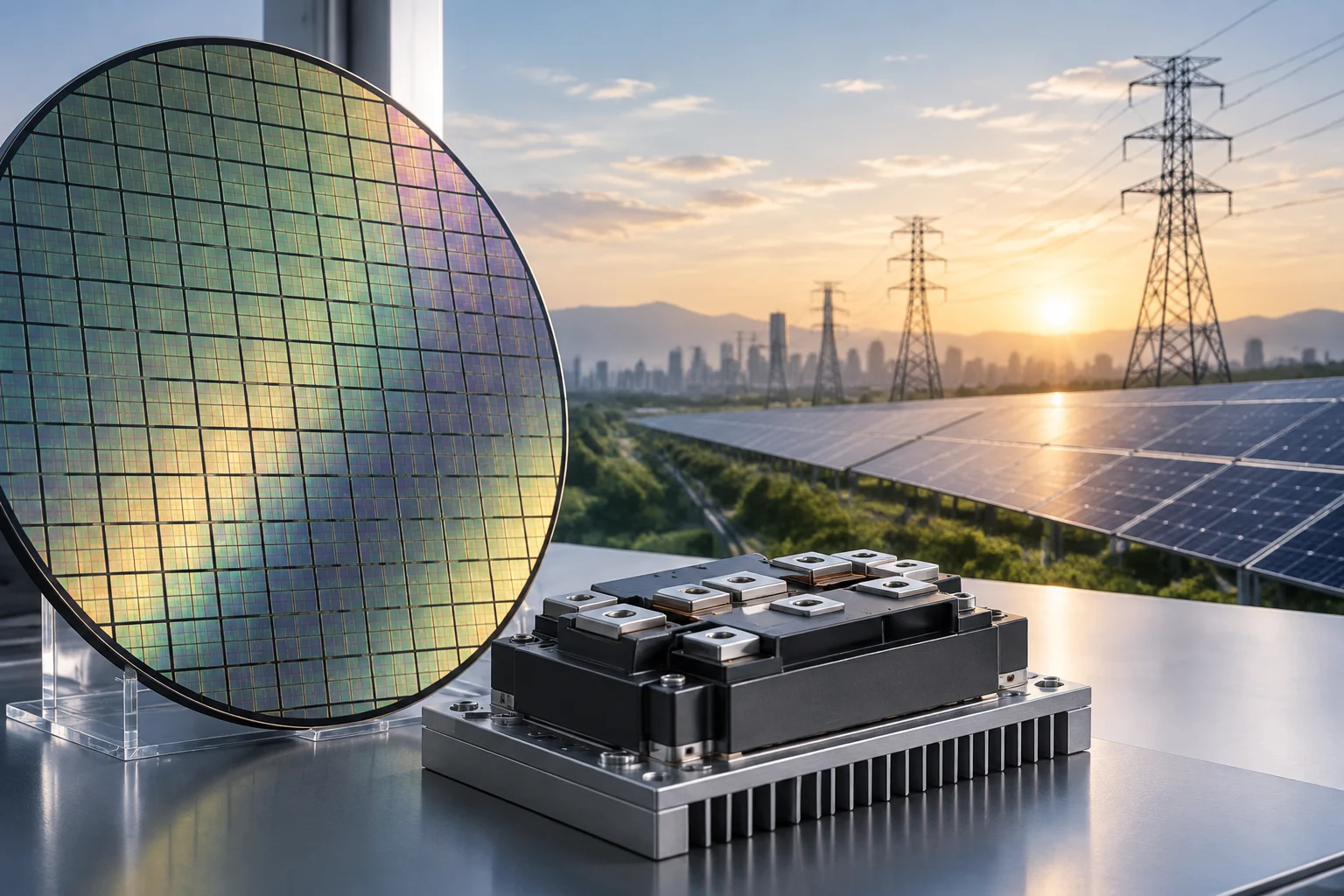
In an electric vehicle, the battery stores energy in direct current, while the traction motor usually receives controlled alternating current. The power inverter performs this conversion and regulates the energy reaching the motor. Its power semiconductors switch electrically to transform and control the current; their behavior influences system losses, although they do not solely determine the car's total efficiency.
Silicon carbide is a semiconductor material used in power devices. Compared to conventional silicon components, SiC devices can allow faster switching and lower losses under certain operating conditions. The effective result depends on the device design, the circuit, the inverter control, cooling, and the operating point. The material's advantage establishes a technical possibility, not a universal figure applicable to any drivetrain.
The difference between chip and system explains why an improvement in a semiconductor does not automatically translate to range. In the energy path, the battery, the complete inverter, the motor, and other auxiliary consumptions are also involved. If the inverter loses less energy in a specific cycle, that reduction can contribute to improving vehicle consumption; its size will depend on how much those losses weigh in the total balance and how the component is integrated.
Known Specifications and Missing Data
Public information from the announcement focuses on two statements: 20% more performance compared to the previous generation and a smaller size. Bosch does not detail in the consulted source the measurement conditions, absolute values, nominal voltage, conduction resistance, switching losses, operating frequency, or the temperature used to compare both generations. Without a metric definition and a common protocol, the percentage does not allow a complete technical comparison with other devices.
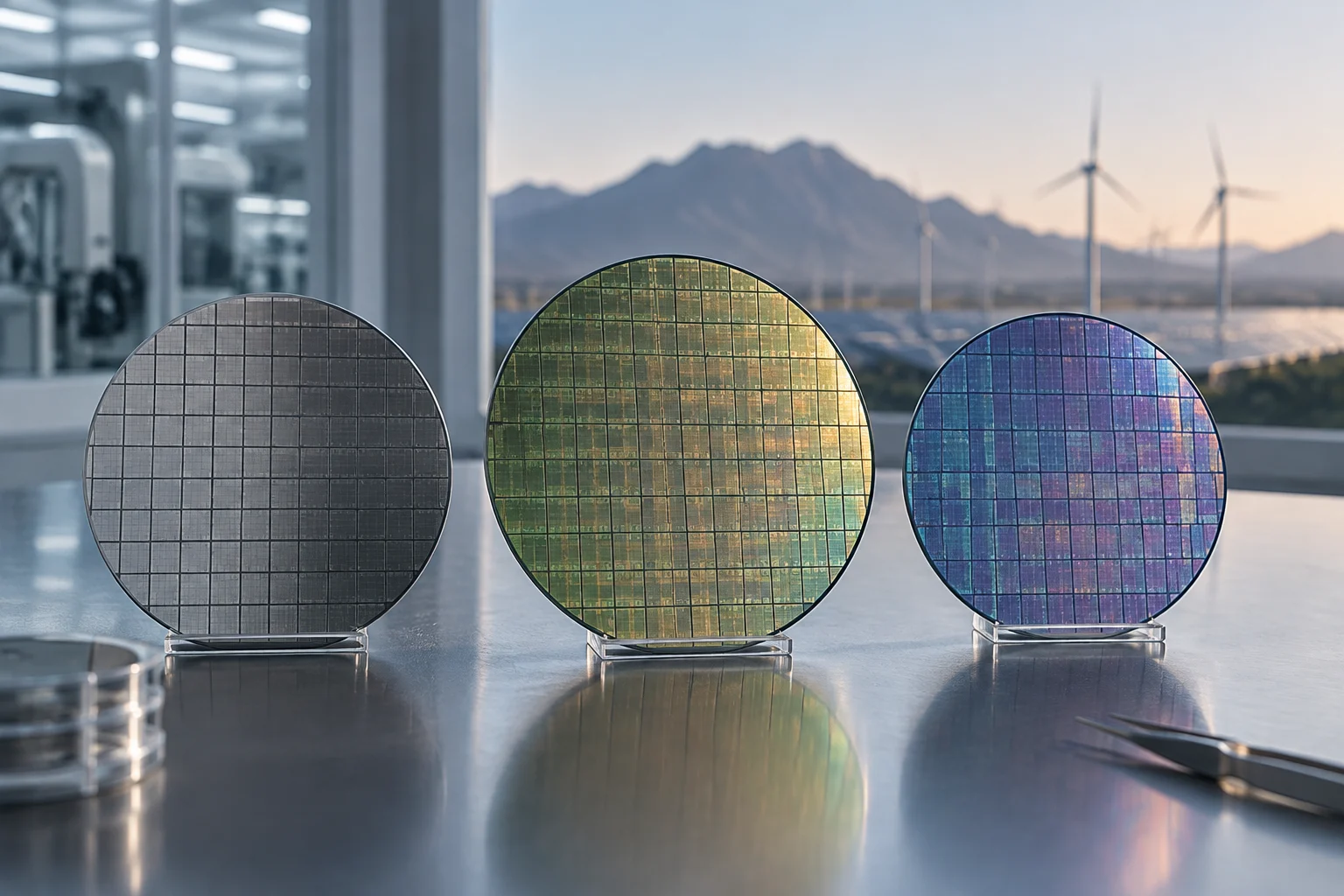
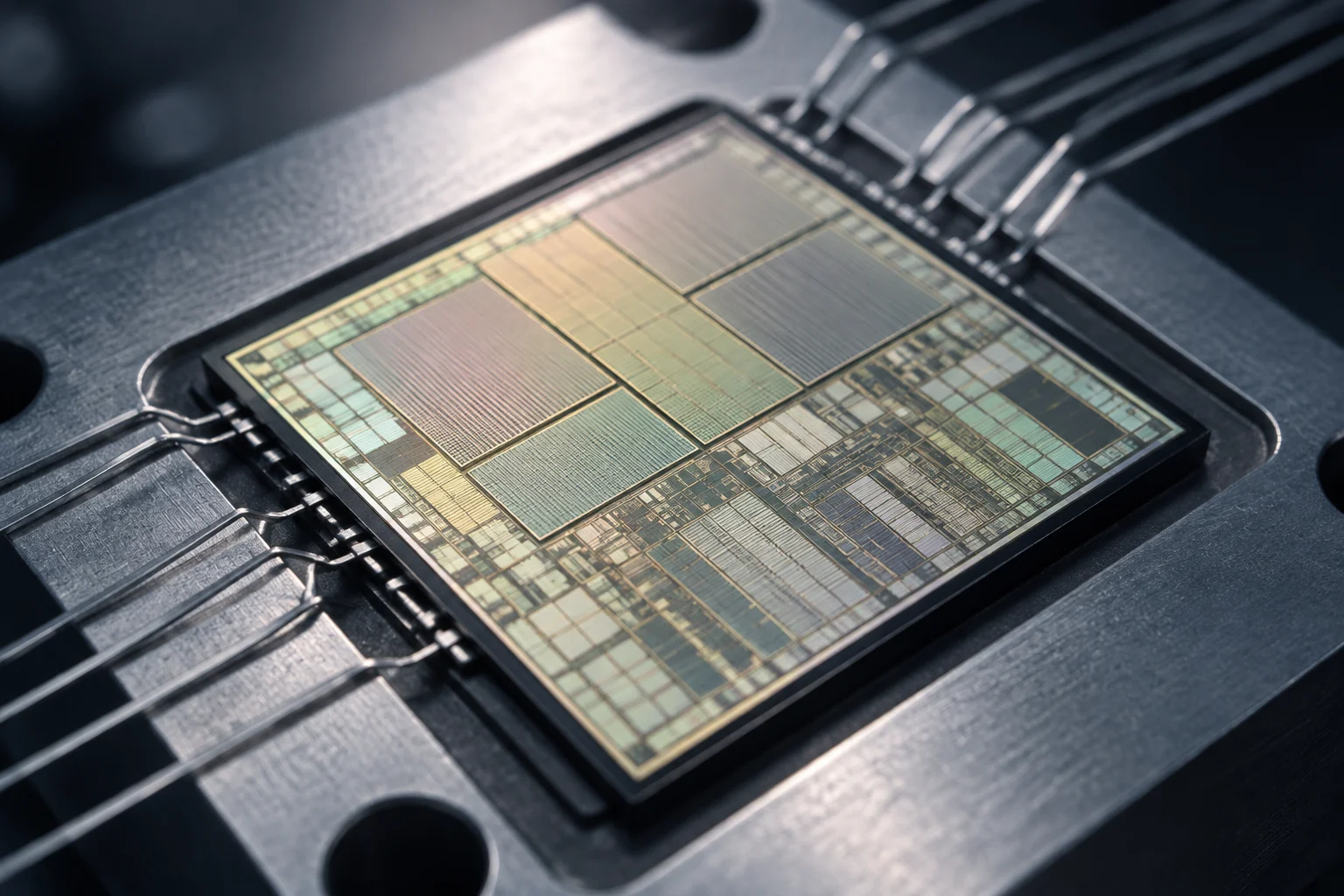
Miniaturization could have value for design and manufacturing: a smaller chip can contribute to reducing occupied space or, depending on the process and design, allow more units per wafer. But the announcement does not quantify how much the size was reduced, how many additional chips would be obtained per wafer, or what effect it would have on the final cost. The potential manufacturing advantage remains an unproven saving figure in the cited documentation.
A publication by Christian Förster, head of semiconductors at Bosch, indicates that the third generation is based on a trench architecture and mentions advances in performance, robustness, and thermal behavior. This is information attributed to a company executive, not a complete technical datasheet or an independent test report. To value the improvement, test curves and conditions are needed to separate the architecture's effect from other design and manufacturing changes.
Tests That Would Verify the Advantages
The first step would be to clarify exactly what the 20% means: define the magnitude, temperature, voltage, current, switching frequency, and test method, and publish comparable results between generations. It would also help to have absolute values and data on conduction and switching losses. Without that context, the percentage is a manufacturer's claim difficult to translate to a specific use.
Next, the chip would have to be evaluated within a complete module and inverter. Packaging, control circuit, cooling, and operating strategy can alter system losses and temperatures. Robustness and reliability tests should describe test conditions and duration, thermal and electrical cycles, and criteria used to determine failures or degradation. It is not enough to infer durability from a general description of the technology.
To support a consumption or range improvement, the comparison would have to reach the vehicle. It would be necessary to contrast cars with equivalent configurations, under defined driving cycles, and with sufficient information on battery, tires, software, and environmental conditions. A homologation test can offer a regulated vehicle measurement, but to attribute the difference to the semiconductor, other changes in the drivetrain would need to be isolated. The relevant test is not just that the chip improves in the lab, but how much the complete system changes under comparable conditions.
Limits of Evidence and Unsubstantiated Claims
The available primary source confirms the announcement and Bosch's claims, including sample delivery to manufacturers. Additional technical information on the trench architecture comes from a publication by a company executive. Secondary sources included in the research provide context on SiC use in inverters, but do not provide independent measurements of this third generation installed in vehicles. There is no external validation of the 20% in this set of sources nor comparative results of range or consumption.
A unit cost, commercial price, mass production date for this generation, or specific application in a vehicle model is also not published. Therefore, it is not possible to state how much it will cost, whether it will reduce a car's price, or when it will reach buyers. The mention that the chip is smaller is not enough to calculate cost: manufacturing yield, packaging, tests, volume, contracts, and module integration are involved.
Consequently, the supported claims are limited: Bosch announced a third generation, communicated a 20% improvement under a metric not specified in the consulted material, described the chip as smaller, and said it supplies samples. It is not proven that a vehicle gains 20% range, consumes a specific amount less of energy, or becomes cheaper. Those conclusions require different and more detailed data than those published so far.
What Changes for Manufacturers and Buyers
For an automotive manufacturer, the announcement may justify starting a component evaluation, not yet proving a final product improvement. The technical decision requires knowing electrical and thermal specifications, module compatibility, cooling requirements, reliability, supply capacity, and total integration cost. The pending practical data is the gain of the complete inverter versus its cost and complexity, not just the percentage promoted for the chip.
For someone buying an electric vehicle, the semiconductor generation is usually not enough to compare models. It is advisable to pay attention to homologated consumption data, range under the same cycle, battery size, and usage conditions, and not to translate a component figure directly into additional kilometers. If a manufacturer attributes a vehicle improvement to these chips, it would be informative if it publishes comparable tests and explains what other changes were kept constant.
The most solid reading is, therefore, moderate: Bosch has communicated a component advance and started sharing samples with manufacturers, but the announcement does not yet demonstrate a quantified benefit for cars. The next useful evidence will be a reproducible technical specification and, later, inverter or vehicle results that allow relating the chip improvement to consumption, temperature, reliability, and cost.