The Transition to Next-Generation Power Electronics
The core of efficiency in an electric vehicle does not reside solely in the battery's energy density, but in the power inverter's ability to convert direct current to alternating current with minimal losses. Traditionally, silicon semiconductors have dominated this space, but their thermal and switching limitations have driven the adoption of wide-bandgap materials like silicon carbide (SiC). This transition is not merely an incremental improvement; it is a paradigm shift that enables operation at higher temperatures and frequencies, reducing passive component size and enhancing the system's overall power density.
The relevance of this technology has solidified in recent years, evolving from an exclusive option for high-performance vehicles to an emerging standard in the mid-range segment. According to data from Yole Intelligence, the global SiC power semiconductor market will grow from €2 billion in 2023 to nearly €8 billion by 2029, reflecting a quadrupling of demand driven by transport electrification. This growth anticipates massive adoption that will transform the supply chain and production costs of electric vehicles in the coming decade.
Bosch's Third Generation: Performance and Miniaturization
In May 2026, Bosch presented its third generation of silicon carbide chips, a milestone marking the industrial maturity of this technology. The main novelty is not just the material, but the device architecture: the new chips offer 20% more performance than the previous generation, translating directly into greater energy efficiency and, consequently, extended vehicle range. This improvement is crucial for manufacturers seeking to maximize range without increasing battery weight or cost.
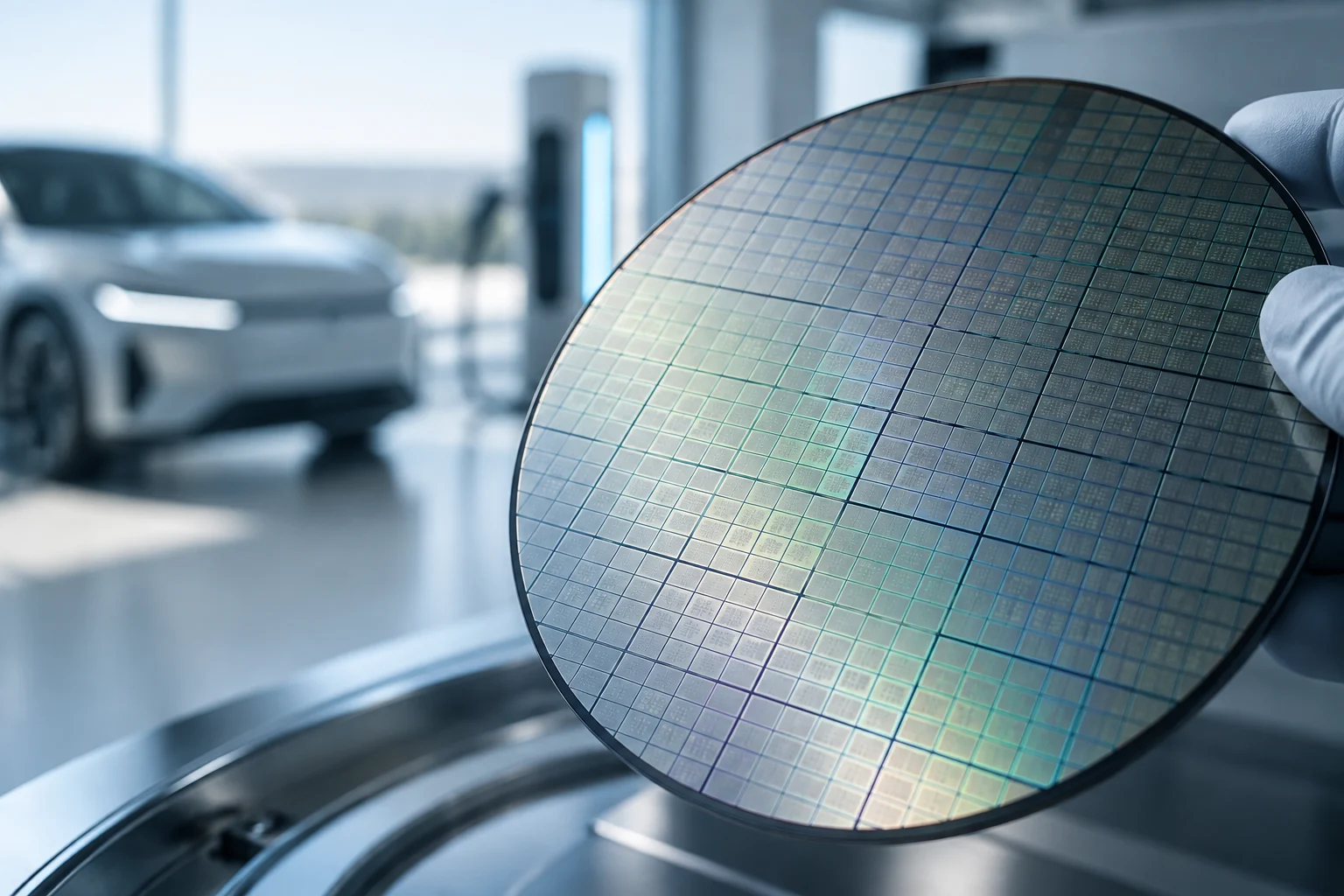
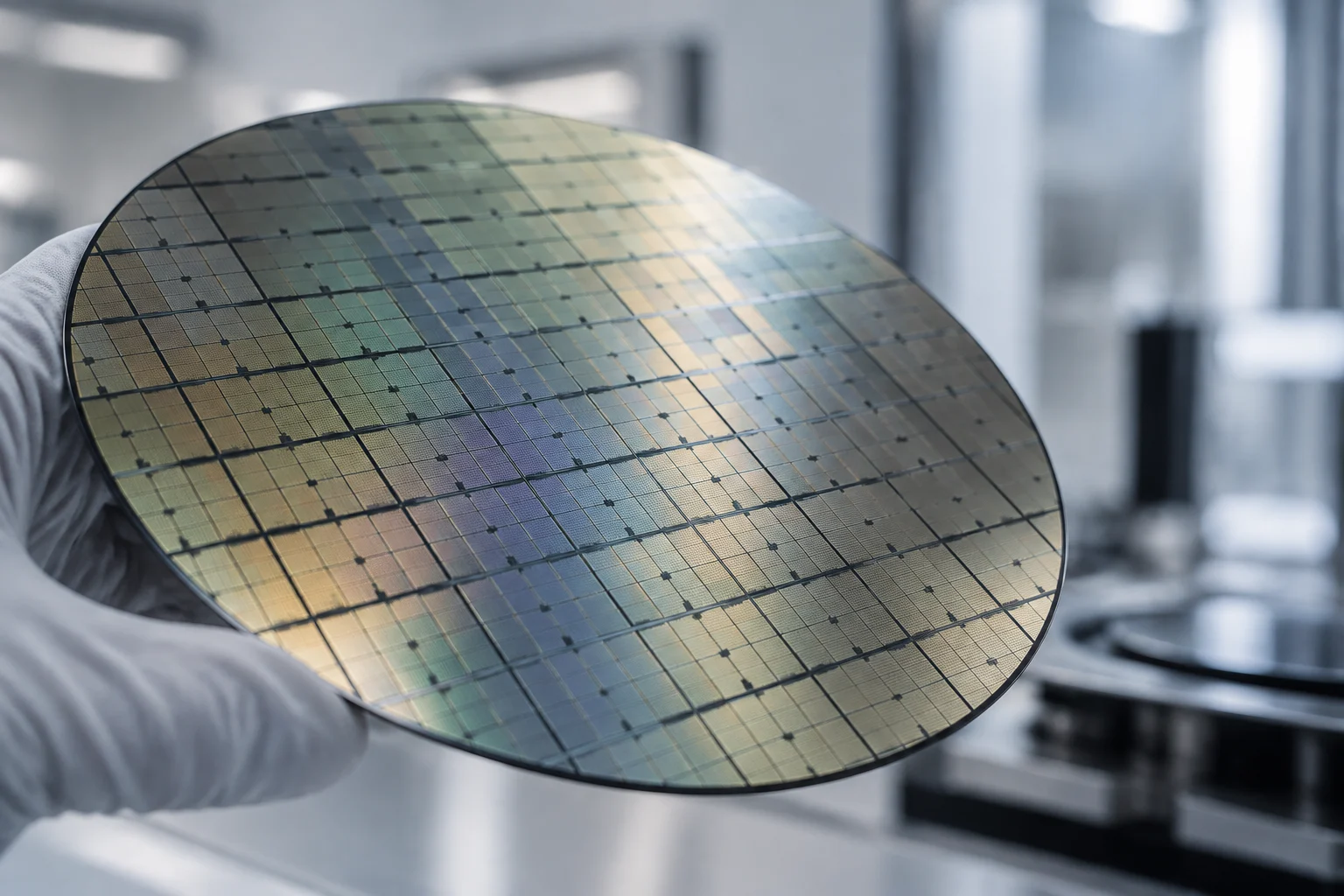
Another decisive factor is miniaturization. According to Markus Heyn, head of the Bosch Mobility business area, the new chips are considerably smaller than those of the previous generation. This size reduction allows for a higher number of chips per wafer, improving production profitability and accelerating the mass adoption of SiC technology. Bosch has already delivered over 60 million silicon carbide chips since 2021, demonstrating the scalability of its manufacturing process and its capacity to meet the growing demand of automotive manufacturers worldwide.
Production in the United States: Resilience and Localization
Bosch's strategy extends beyond technological innovation to include a strong commitment to production localization. In July 2026, the company announced an investment of up to $2 billion to transform its Roseville, California plant into an SiC semiconductor production hub. This project, which includes the construction of a new cleanroom and a high-tech production line, aims to ensure supply chain resilience and local sourcing for North American automotive manufacturers.
As part of this investment, Bosch signed an agreement with the US Department of Commerce to receive up to $225 million in direct financing through the CHIPS Program. Sample production is already underway in Roseville, with the goal of producing the first commercial chips on 200-millimeter wafers in 2026. This acceleration of the commercialization timeline, just three years after acquiring the facilities, demonstrates Bosch's ability to adapt its existing infrastructure to the needs of the new semiconductor generation, reducing logistical and geopolitical risks associated with dependence on Asia.
Technical Comparison: SiC vs. Silicon and AlN
To understand the real impact of SiC chips, it is necessary to compare them with previous and alternative technologies. Conventional silicon remains the basis for most inverters, but its efficiency is lower and its size larger. SiC, by allowing faster switching and operation at higher temperatures, reduces energy losses and enables higher power density. Regarding aluminum nitride (AlN), this material is primarily used as a ceramic substrate for thermal dissipation, not as a power semiconductor. Its high thermal conductivity and low thermal expansion make it ideal for encapsulating SiC chips and improving module lifespan, but it does not replace SiC in the switching function.
The following table summarizes the key differences between these technologies in the context of power electronics for electric vehicles:
| Technology | Main Function | Key Advantage | Limitation |
|---|---|---|---|
| Silicon (Si) | Power switching | Low cost, industrial maturity | Higher switching loss, lower density |
| Silicon Carbide (SiC) | Power switching | 20% more performance, smaller size | Still high manufacturing cost |
| Aluminum Nitride (AlN) | Thermal substrate | High thermal conductivity, low expansion | Not a power semiconductor |
Impact on Range and Production Costs
The 20% performance improvement in third-generation SiC chips has a direct impact on electric vehicle range. By reducing energy losses in the inverter, the energy stored in the battery is utilized more effectively, allowing for greater distance with the same capacity. This effect is particularly relevant in mid-range vehicles, where each additional kilometer of range can be a decisive factor for consumers. Additionally, chip miniaturization allows for a smaller inverter size, freeing up space in the vehicle for other components or increasing battery capacity.
Regarding costs, Bosch's investment in Roseville production and chip miniaturization aim to reduce the unit price of SiC semiconductors. Although the manufacturing cost of SiC chips remains higher than silicon, the improvement in efficiency and power density can offset this difference over the vehicle's lifecycle. Local production in the United States also reduces logistical costs and supply chain disruption risks, contributing to price stability for automotive manufacturers.
Market Outlook and Industrial Adoption
The SiC semiconductor market is experiencing accelerated growth, driven by transport electrification and the need to improve energy efficiency. Bosch's investment in Roseville production and the presentation of its third-generation chips are clear signals that SiC technology is transitioning from early adoption to mass adoption. Other manufacturers, such as Infineon, STMicroelectronics, and onsemi, are also investing in SiC chip production, intensifying competition and accelerating innovation.
Industrial adoption of SiC chips will be favored by reduced manufacturing costs and improved efficiency. Automotive manufacturers are increasingly interested in incorporating this technology into their mid- and high-range vehicles, as it allows them to offer greater range and better performance without significantly increasing the price. Local production in the United States and Europe will also contribute to adoption by reducing supply chain risks and logistical costs.
Conclusions and R&D Strategy Recommendations
Bosch's third-generation SiC chips mark an inflection point in power electronics for electric vehicles. The combination of 20% more performance, significant miniaturization, and local production in the United States positions Bosch as a leader in this market. For automotive manufacturers, adopting this technology is an opportunity to improve vehicle efficiency and range, and to differentiate themselves in an increasingly competitive market.
Recommendations for the R&D strategy include: 1) Evaluate the integration of third-generation SiC chips into the inverters of upcoming electric vehicle models. 2) Explore collaboration with ceramic substrate providers, such as aluminum nitride, to improve thermal dissipation and module lifespan. 3) Monitor the evolution of manufacturing costs and SiC chip availability to plan the transition to this technology efficiently. Investment in this technology will not only improve vehicle performance but also contribute to the sustainability of the automotive industry.