Launch and Scope of iOS 27
Apple released iOS 27 on September 14, 2026, following its announcement at WWDC on June 8. The update is available for a wide range of devices, maintaining compatibility with models from the iPhone 11 and second‑generation iPhone SE onward. The public release coincides with other systems such as macOS 27 Golden Gate and iPadOS 27.
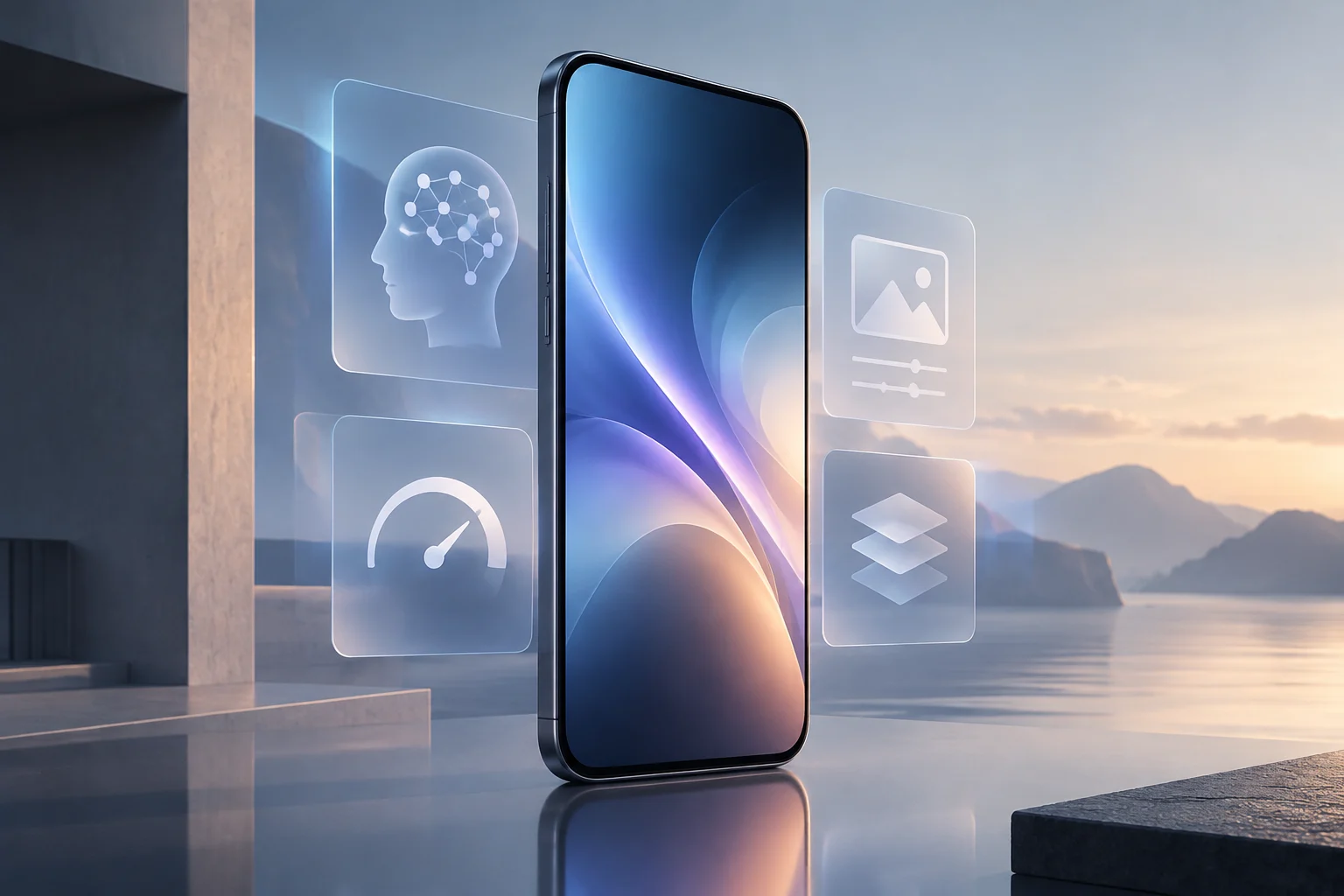
The operating system focuses on three pillars: the new Siri AI assistant, enhanced child safety features, and overall performance optimizations. While the core OS is accessible to most users, advanced AI capabilities are restricted to newer hardware, creating a functional gap between older and newer models.
Siri AI: Capabilities and Access Limitations
Siri AI represents a complete rebuild of the assistant, giving it screen awareness and the ability to execute sequential actions across multiple apps. Unlike its predecessor, it can maintain natural conversations, search within the user’s personal context, and perform complex tasks such as comparing documents or managing reminders in an integrated way.
However, access is not immediate. Apple has implemented a waitlist to enable this feature, meaning users must manually sign up after updating. This decision aims to manage server load and ensure stability of AI models that collaborate with Google Gemini for certain inference processes.
Generative Photo Editing
The Photos app includes three key tools: Spatial Reframing, Extender, and an upgraded Clean‑Up. Spatial reframing allows adjusting the image perspective after capture, generating new content to fill gaps created by angle changes. This feature goes beyond simple cropping, altering visual composition through image generation.
Clean‑Up now offers two modes: quick and high‑quality. The high‑quality mode analyzes surroundings to remove objects more realistically, though independent tests show results can be unpredictable in complex scenarios such as moving faces or vehicles. Keeping the original photo is crucial for preserving file integrity against potential AI errors.
Hardware Requirements for AI Features
There is a clear distinction between OS compatibility and the ability to run Apple Intelligence functions. While iOS 27 runs on 29 iPhone models, Siri AI and image generation require an iPhone 15 Pro or newer. This excludes users of standard iPhone 11‑14 from advanced capabilities.
This segmentation responds to local and cloud processing needs of AI models. Users with older hardware can enjoy performance and security improvements but will not have access to the conversational assistant or generative photo editing tools that depend on greater computational power.
Performance and System Improvements
Beyond AI, iOS 27 introduces significant enhancements in app launch speed and AirDrop file transfer. These optimizations aim to make daily experience smoother by reducing wait times for routine tasks. The system also integrates new parental controls and child safety options, simplifying device management for minors.
Apple Intelligence integration expands to native apps such as Safari, Messages, Mail, and Calendar, allowing AI to assist in drafting text and organizing information. These improvements are designed to be subtle yet profound, boosting efficiency without radically altering the user interface.
Conclusion and Update Recommendations
For iPhone 15 Pro or newer users, iOS 27 offers a qualitative leap thanks to Siri AI and new photo tools. Updating and signing up for the waitlist is recommended to access these features as soon as possible. Users of older models can update with confidence for performance gains but should be aware of the absence of generative AI functions.
It is prudent to wait until the Siri AI waitlist resolves before relying on this feature for critical tasks. Additionally, when using photo editing tools, always keep the original image to avoid data loss in case of AI generation imperfections.