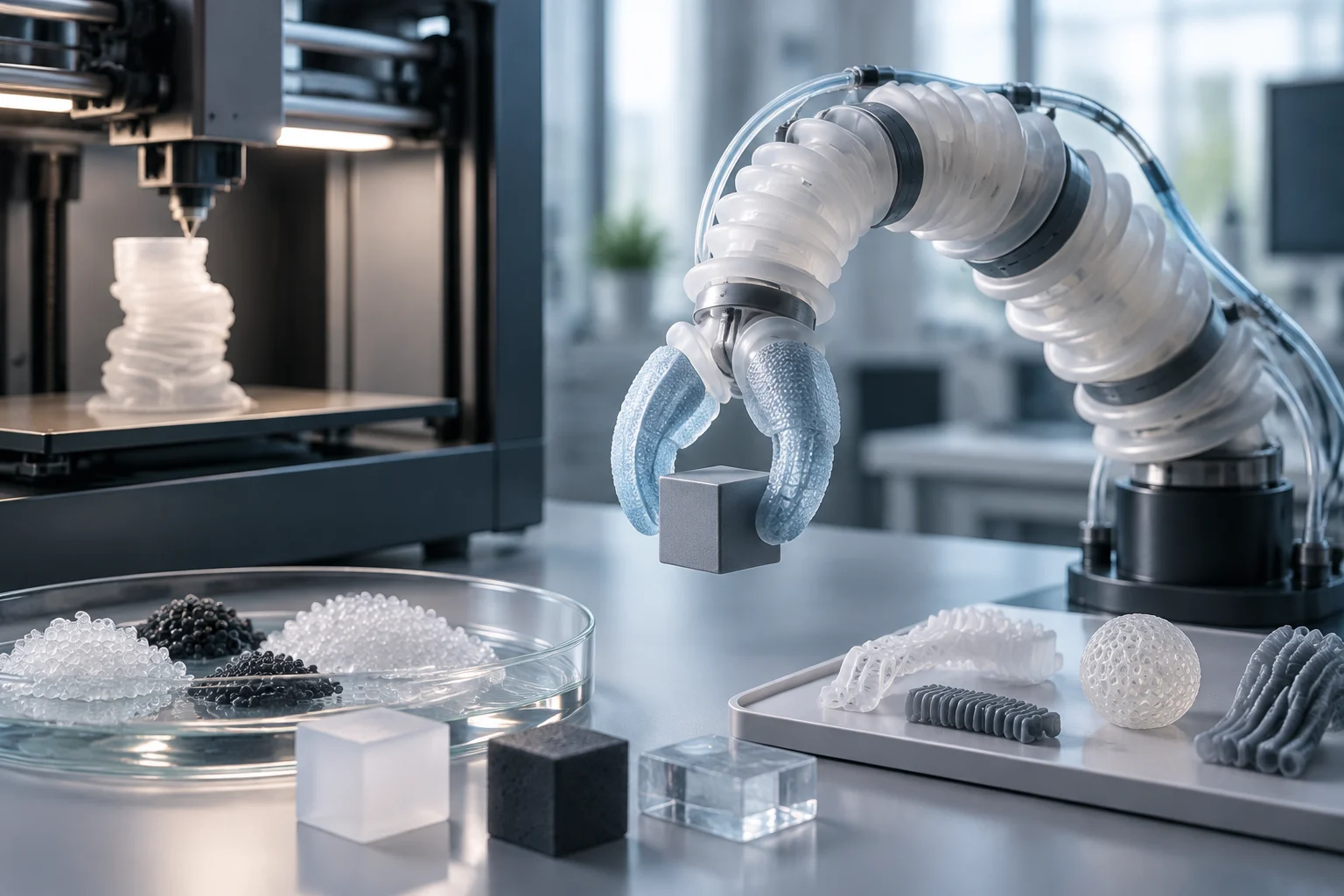
3D Printing in Soft Robotics: Validated Materials and Processes
Additive manufacturing enables elastically deformable robots, but current evidence distinguishes between lab prototypes and systems that withstand sustained use cycles.
Explore
News, analysis and guides about Innovation: developments, concepts and practical decisions backed by verified sources.
Additive manufacturing enables elastically deformable robots, but current evidence distinguishes between lab prototypes and systems that withstand sustained use cycles.
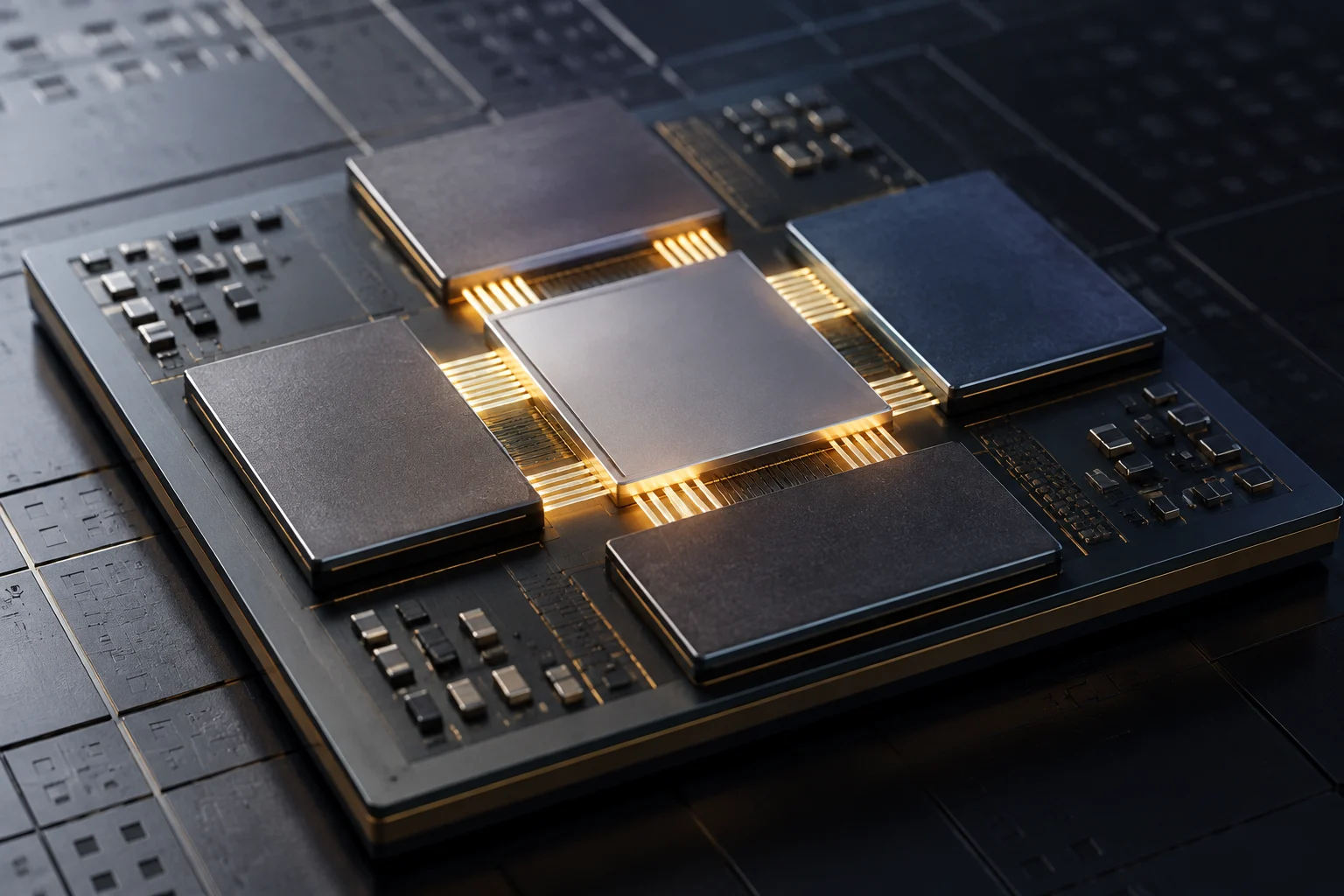
Published in August 2025, UCIe 3.0 expands transfer rates and adds link-management functions. The specification establishes a shared foundation for connecting chiplets, but does not by itself guarantee the performance, power consumption, or cost of a finished system.
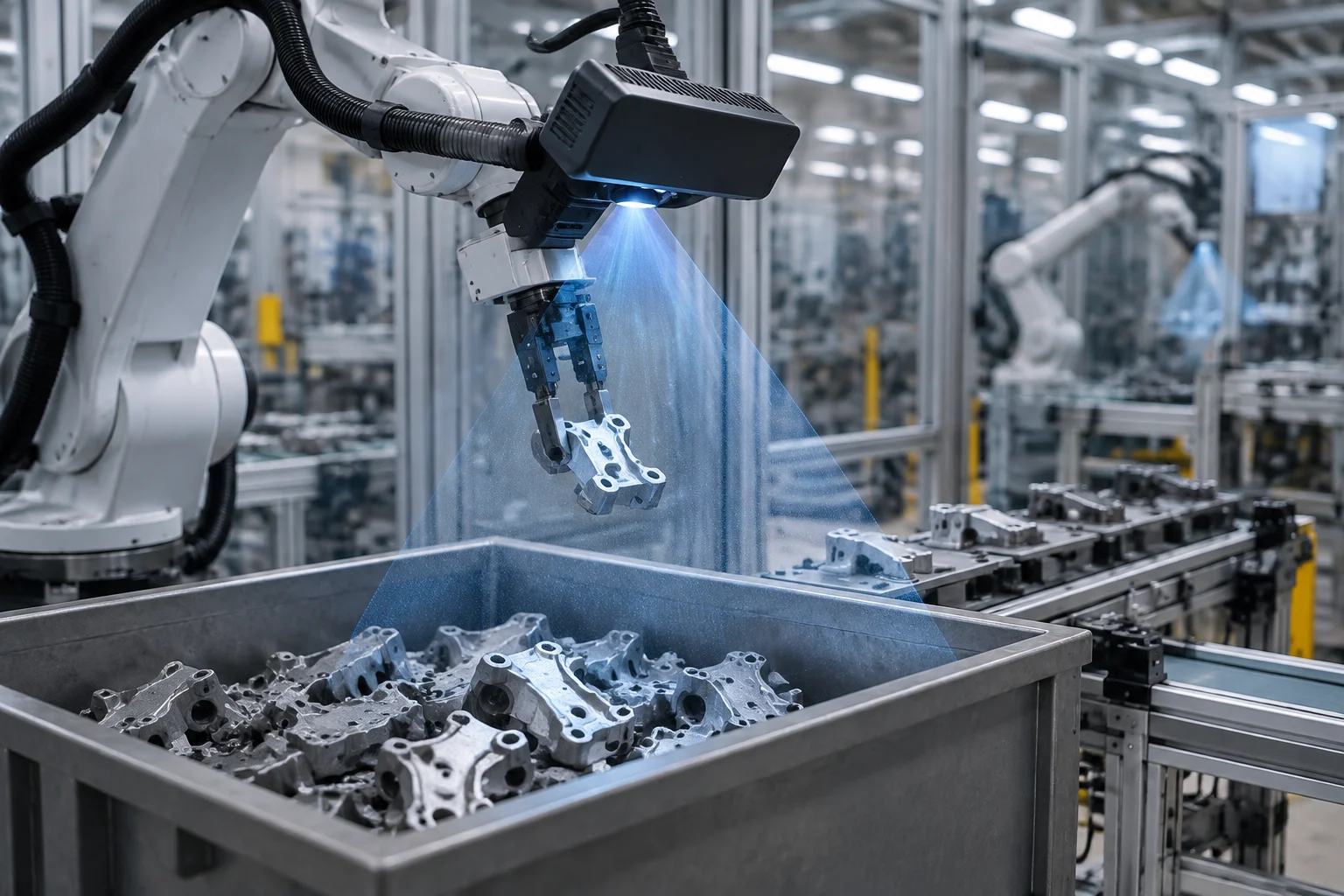
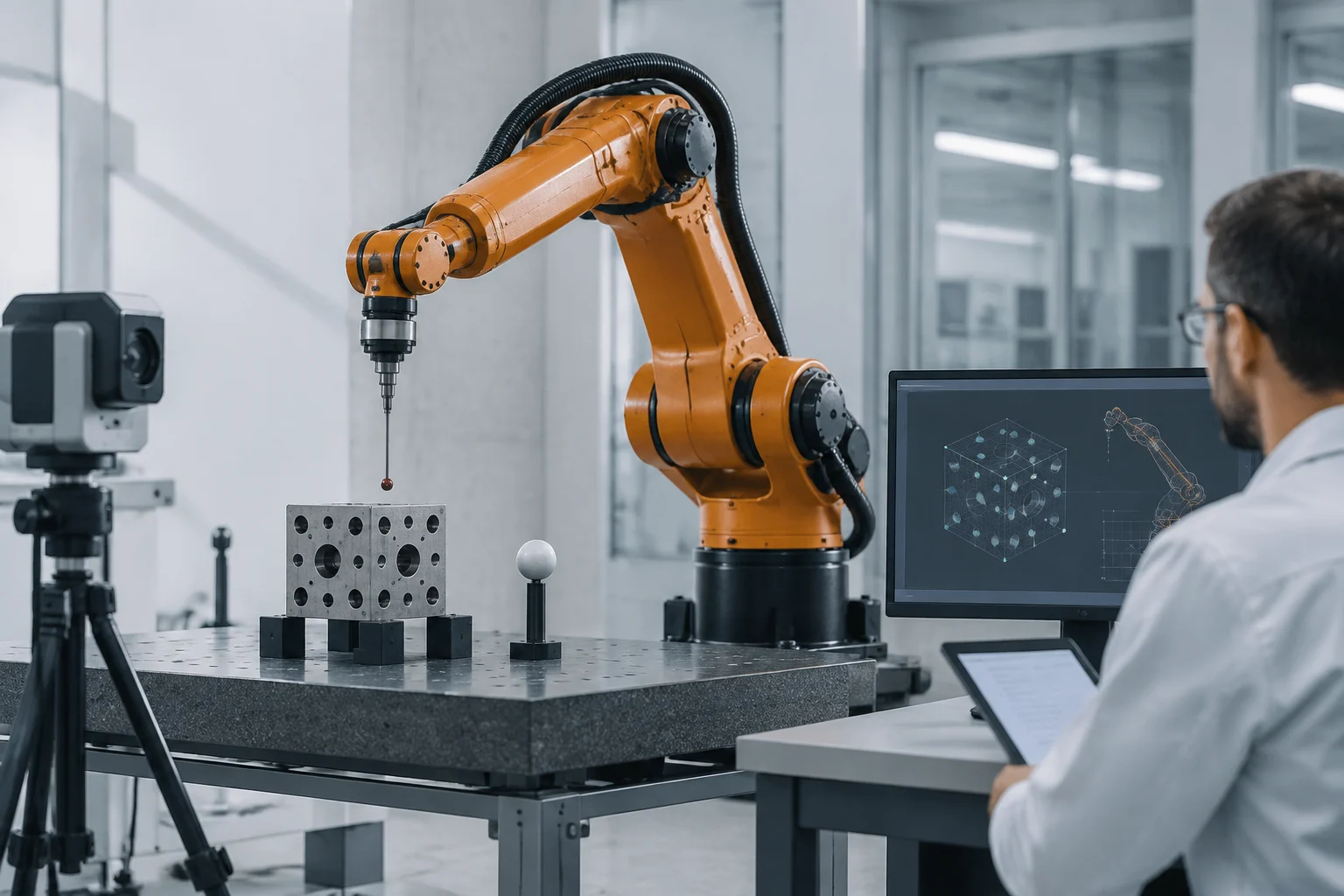
3D vision can help locate and orient parts for robotic manipulation, but a demonstration alone does not certify industrial flexibility. These are the metrics and tests to request before attributing quality or productivity improvements.
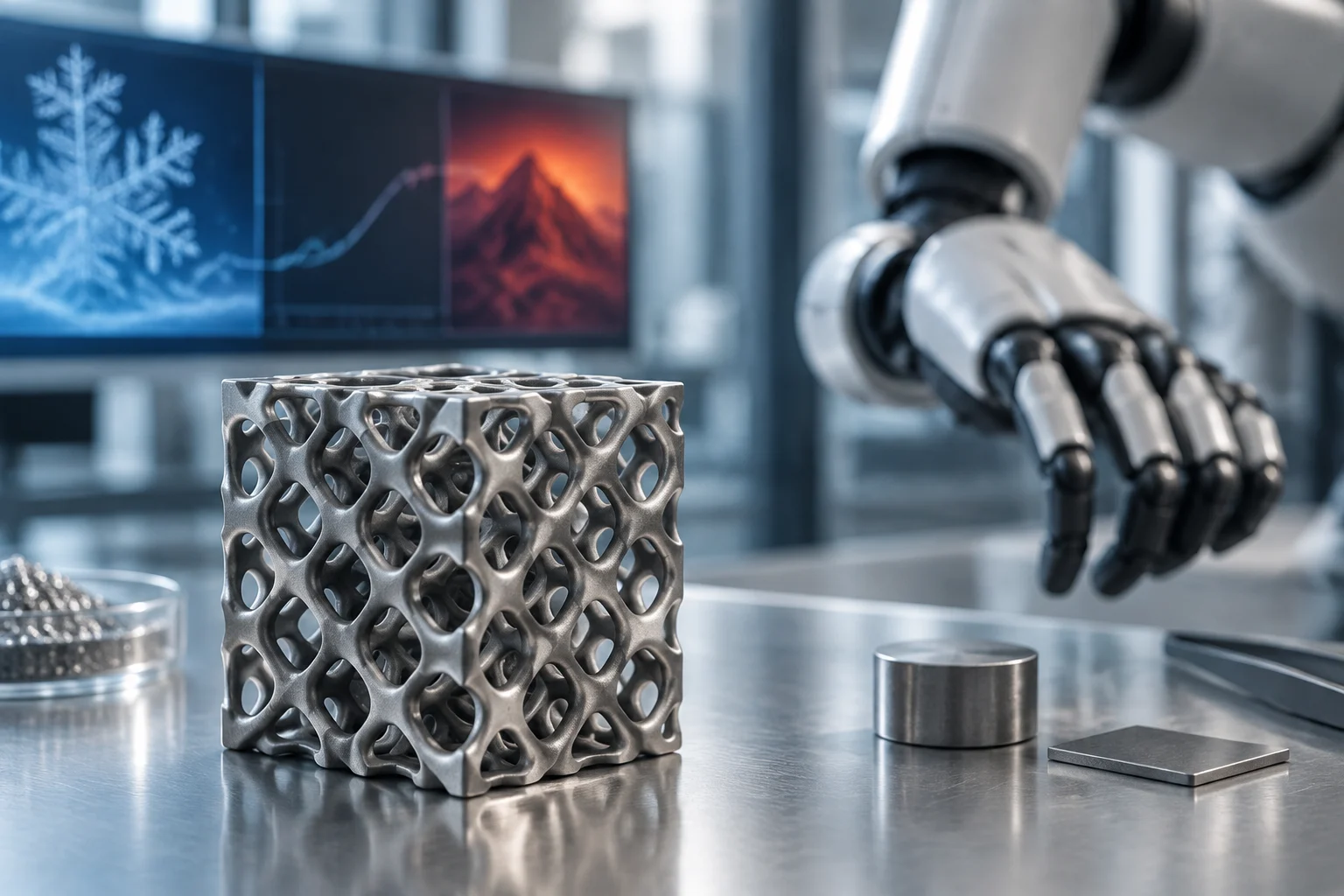
A titanium–aluminum alloy reported in 2025 stands out for retaining superelasticity across an extreme temperature range. The available information points to a materials result, not a validated robotic prototype: distinguishing those two levels helps assess its maturity and possible uses.
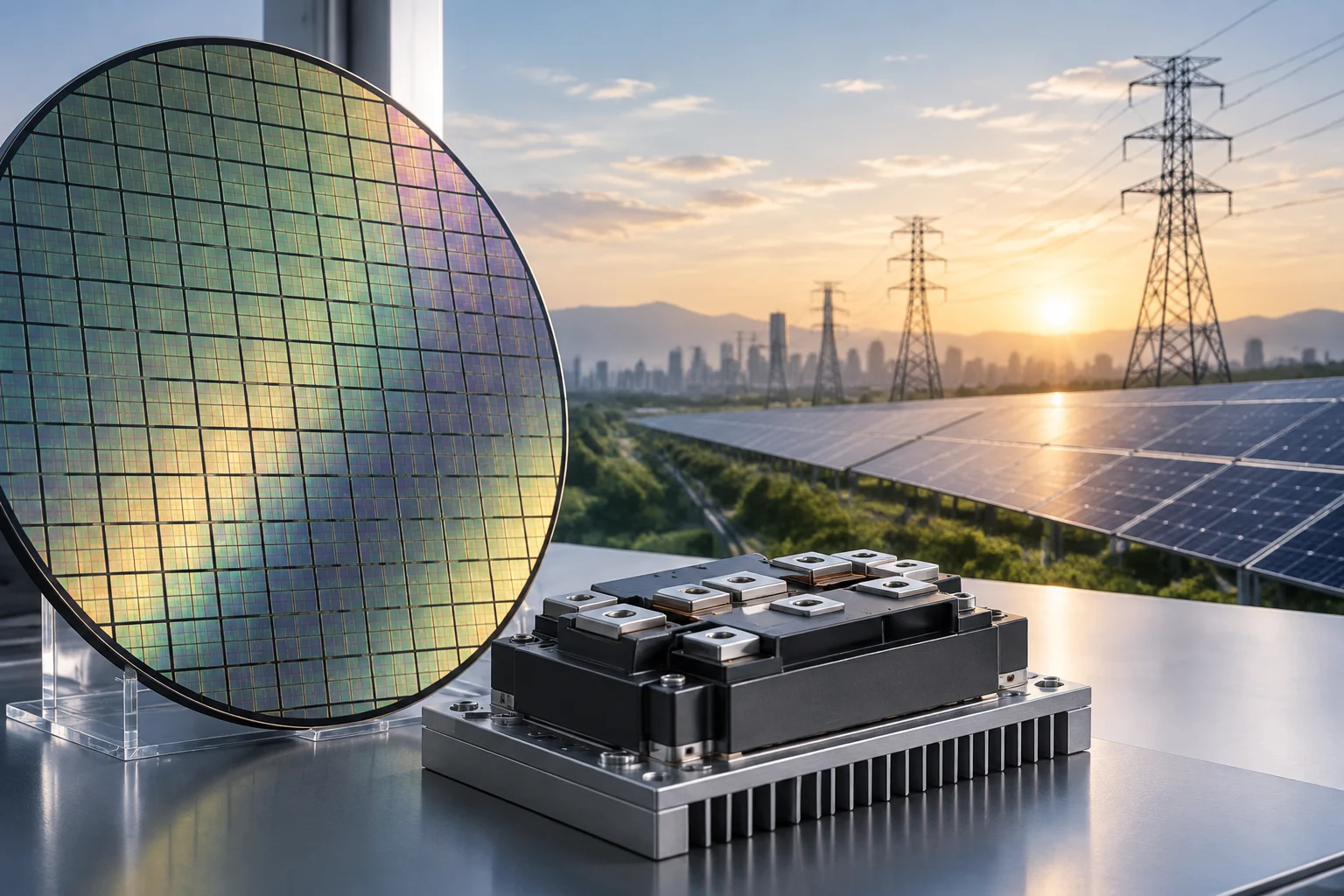
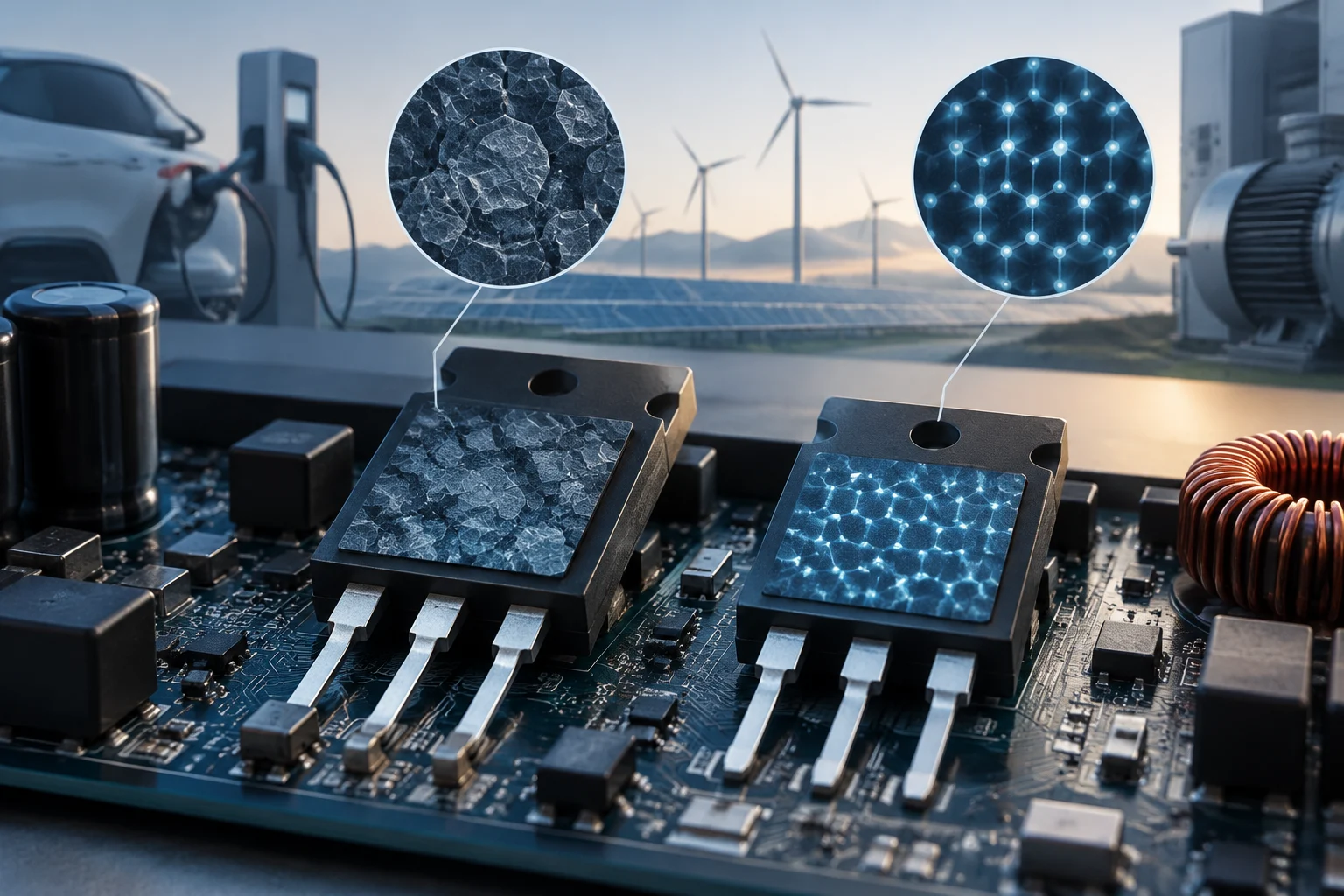
Power semiconductors dictate converter losses, yet material advantages do not guarantee system efficiency. This guide explains how to interpret loss curves and the limits of available data.
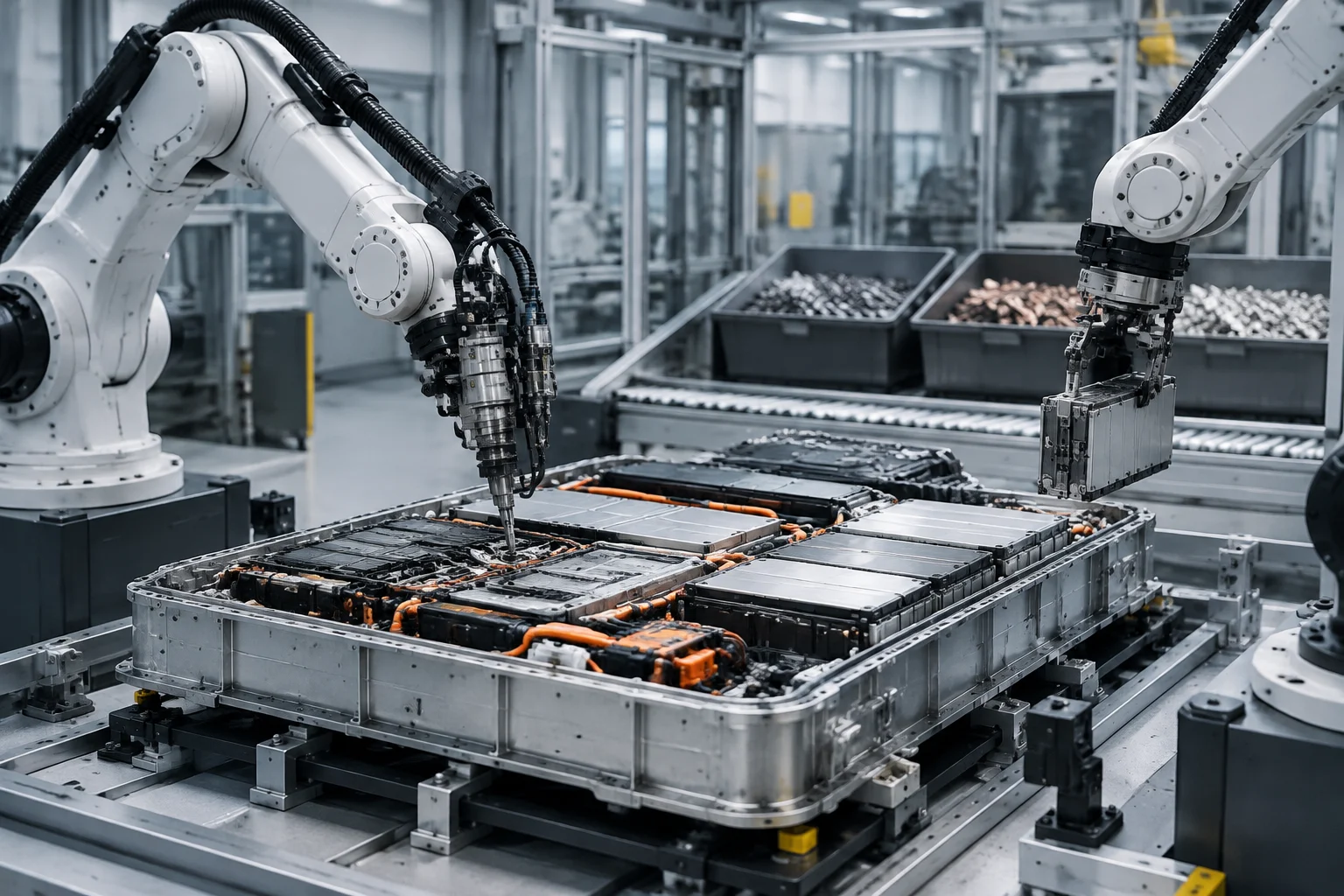
Eurecat describes a collaborative system for dismantling electric vehicle batteries, but publicly available information does not provide capacity, recovery or performance figures that would allow an assessment of its industrial scale.
What the sources allow us to say about the 17 Chip Chairs: academic activity, collaboration with companies, and the limits of public evidence on prototypes and production.
IFR robot-density figures describe the deployment of industrial robots, not the use of cobots or their causal effects. What the data can establish—and which indicators are still needed to assess labour-market impacts.
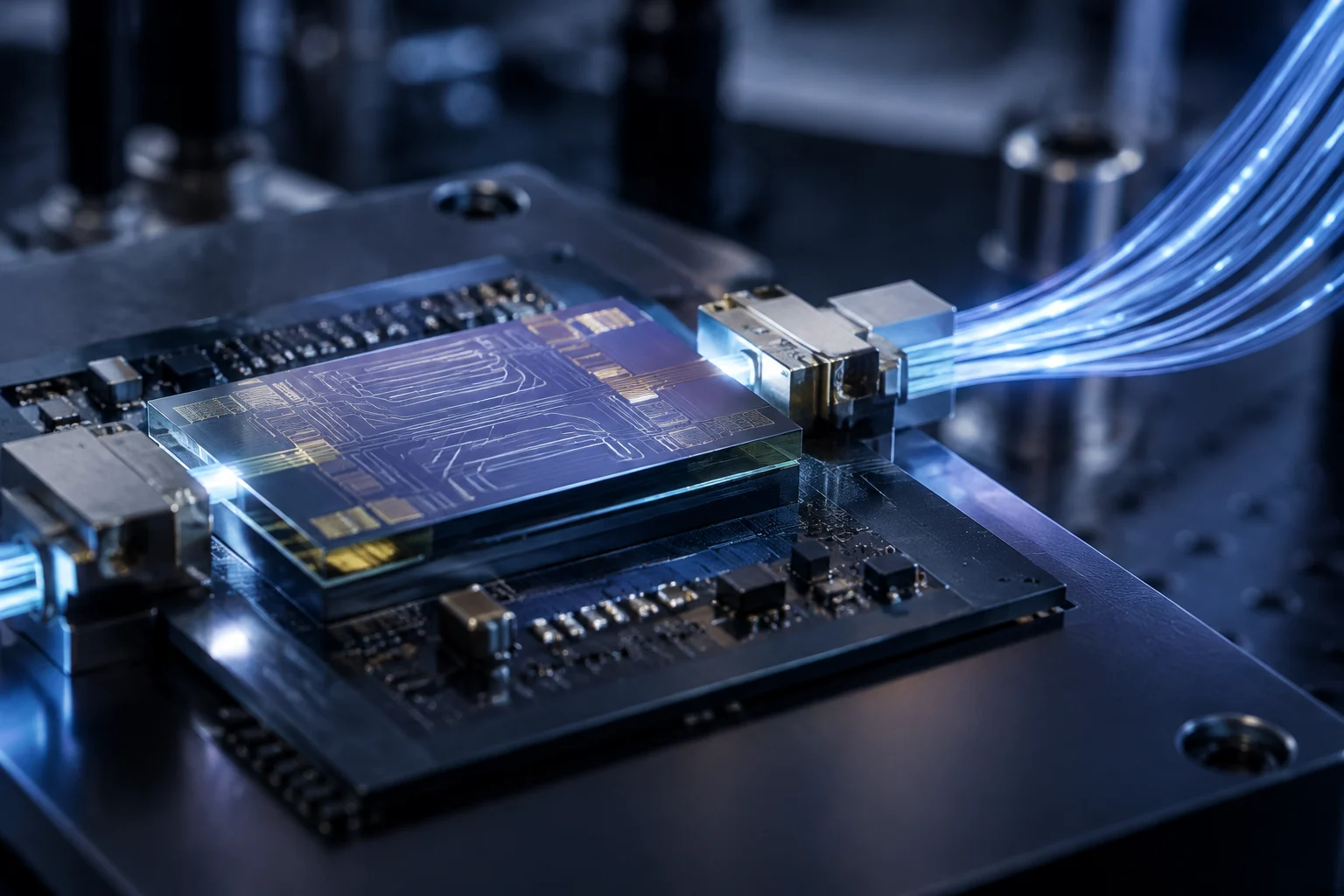
Integrated photonics can help move data between components, but a single bandwidth or energy figure is not enough to prove a practical advantage. These are the metrics, conditions, and integration tests that allow evaluating results without confusing a lab component with a deployable system.
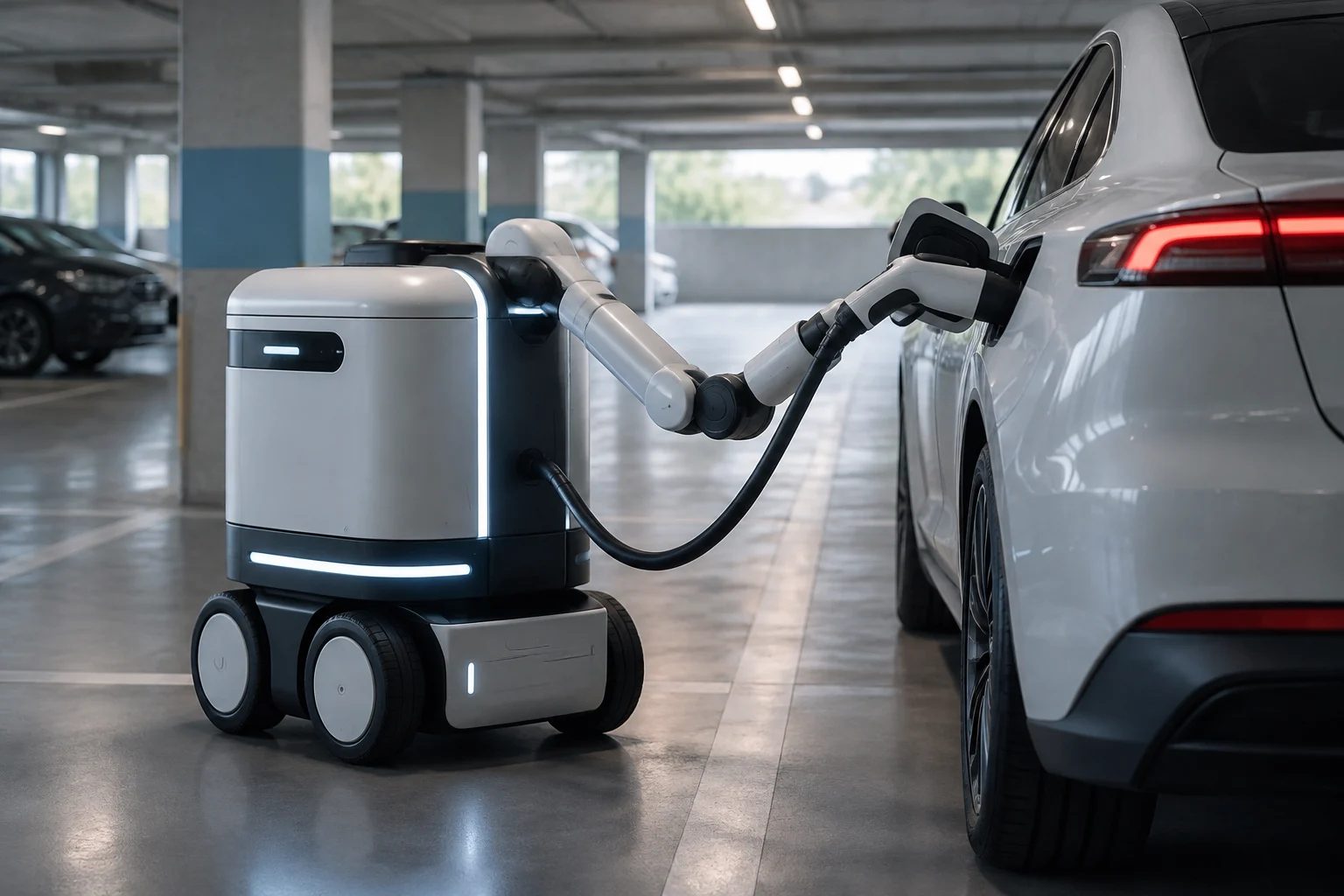
Robots that bring a charger to a vehicle could address access and space-use challenges, but a promotional mention does not prove that a system is deployed. Here is the safety, compatibility and integration evidence needed to assess its usefulness.
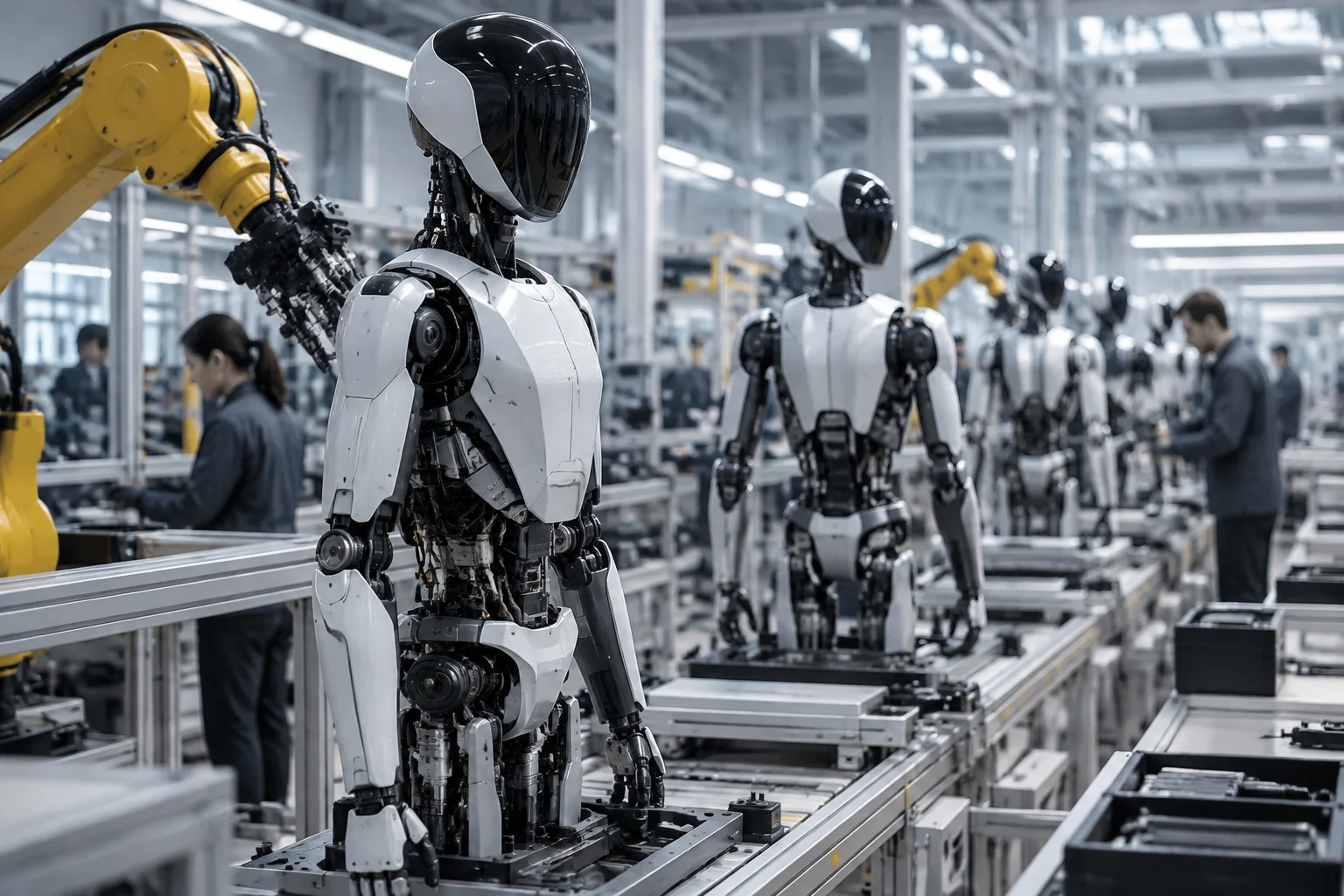
Announcements about humanoid production are not enough to prove repeatable industrial capacity. What documentation is needed to distinguish targets, assembly lines and verified production—and what the available evidence actually allows us to claim.
Drones, mobile robots and inspection systems can reach complex areas, but published cases do not in themselves demonstrate cost savings or improved safety. What evidence exists, and what data are missing to compare results?
Solid-state batteries could help mobile robots operate for longer and reduce risks associated with flammable electrolytes. But materials research, prototypes and commercial production are distinct stages: the available evidence does not support treating them as an already established solution in robotics.
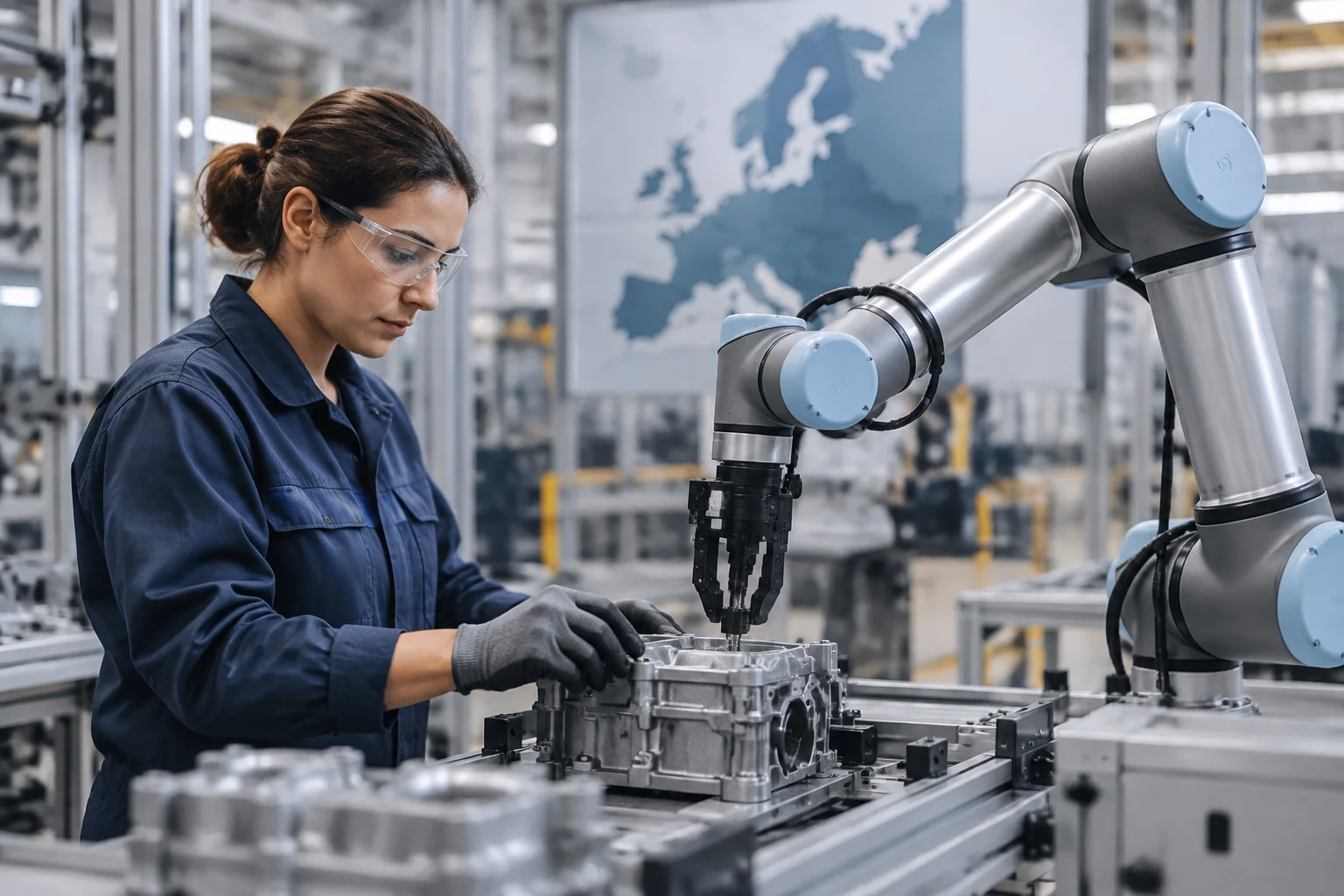
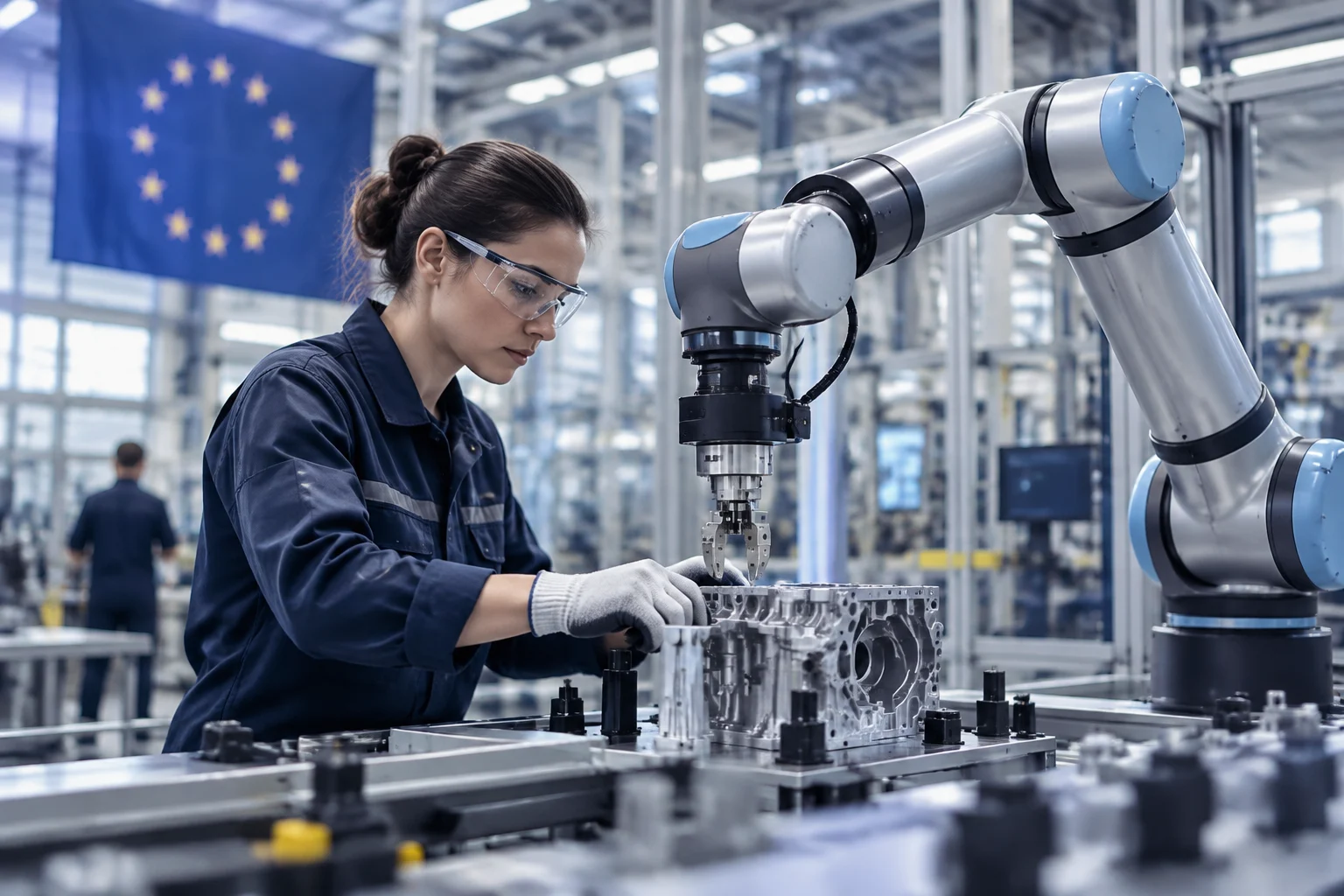
We examine how collaborative robotics and artificial intelligence are reshaping industrial production in Europe, from process automation to the semiconductor strategy underpinning the Digital Decade.
Bluetooth LE Audio brings together capabilities that should not be assumed to be present in every phone or headset. Available documentation confirms some intended functions, but it is not enough to verify compatibility for specific products.
ISO 9283 provides criteria and test methods for evaluating different characteristics of industrial manipulating robots. Knowing which parameter was measured—and what information is missing—helps compare specifications without treating a figure as a guarantee for every task or installation.
SiC and GaN can reduce losses under certain conditions, but the material alone does not prove that equipment is more efficient. This guide explains what RDS(on), VDS and switching losses indicate, what to compare in a datasheet, and why final efficiency must be verified across the complete system.
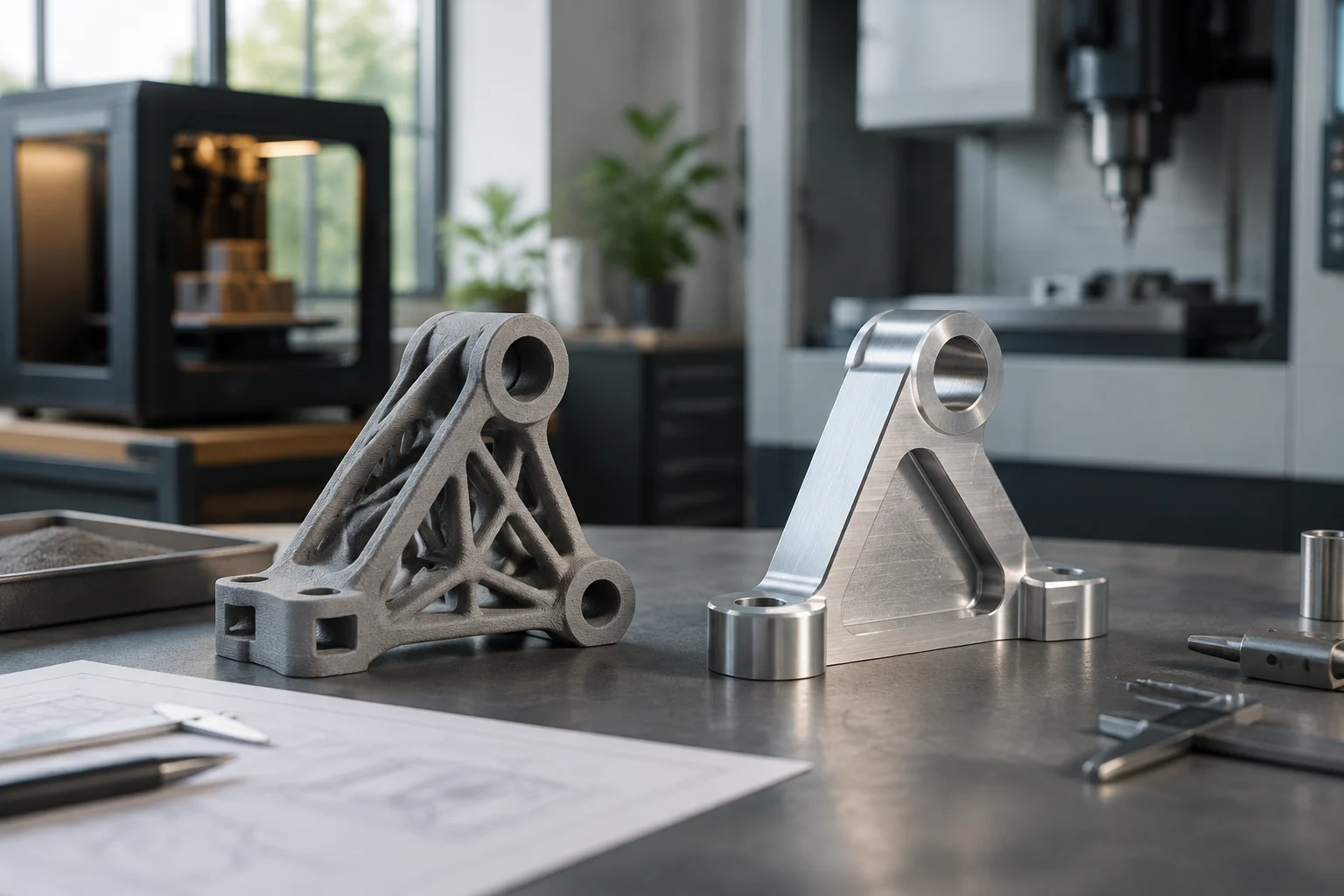
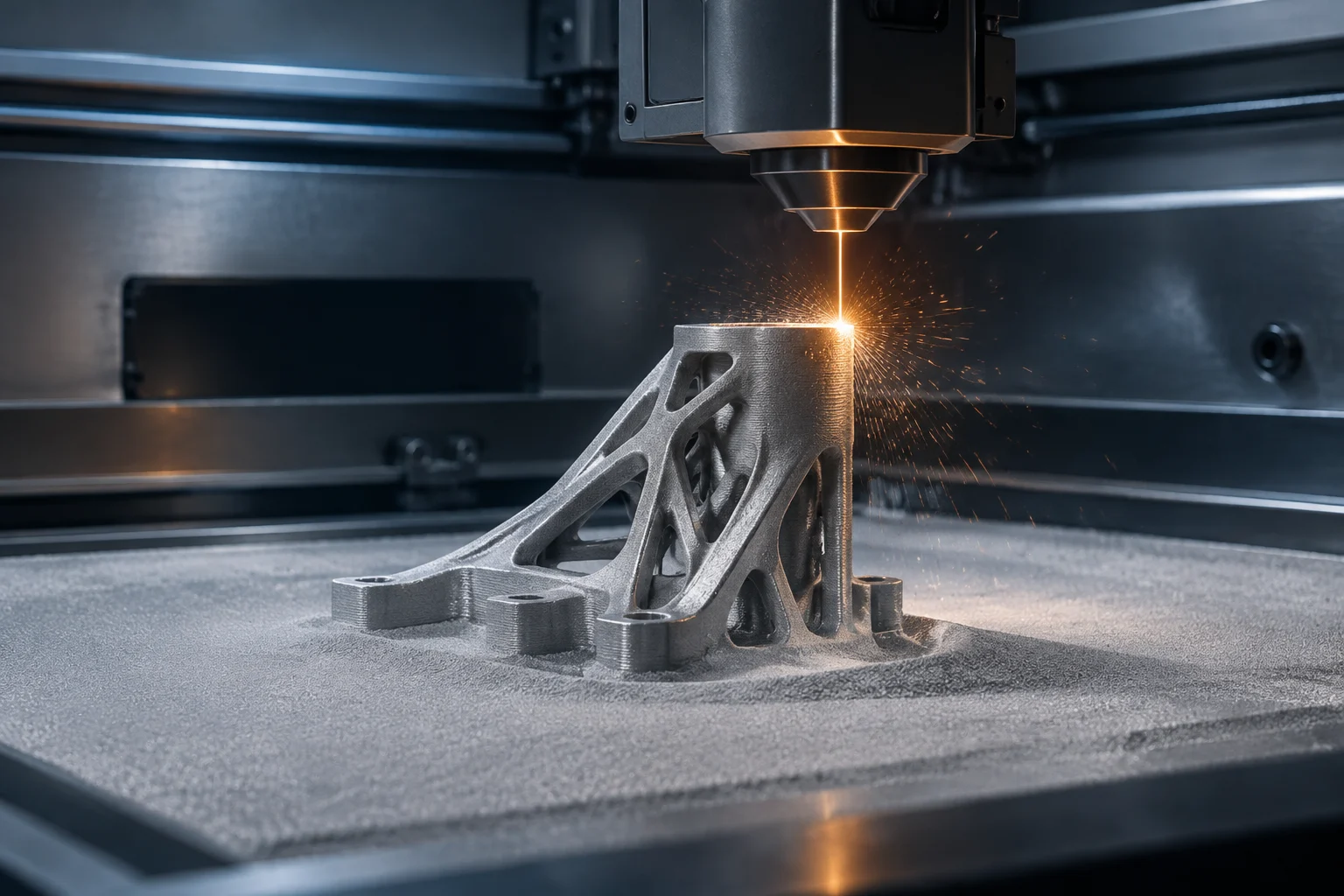
Layer-by-layer manufacturing is not sustainable by default. Comparing its impact with conventional methods requires defining the part being made, the stages being counted and the data supporting each conclusion.
A standout property is not enough to prove that a material can last, be manufactured consistently, or improve environmental impact. This guide proposes what to check before interpreting an announcement as evidence of a viable application.
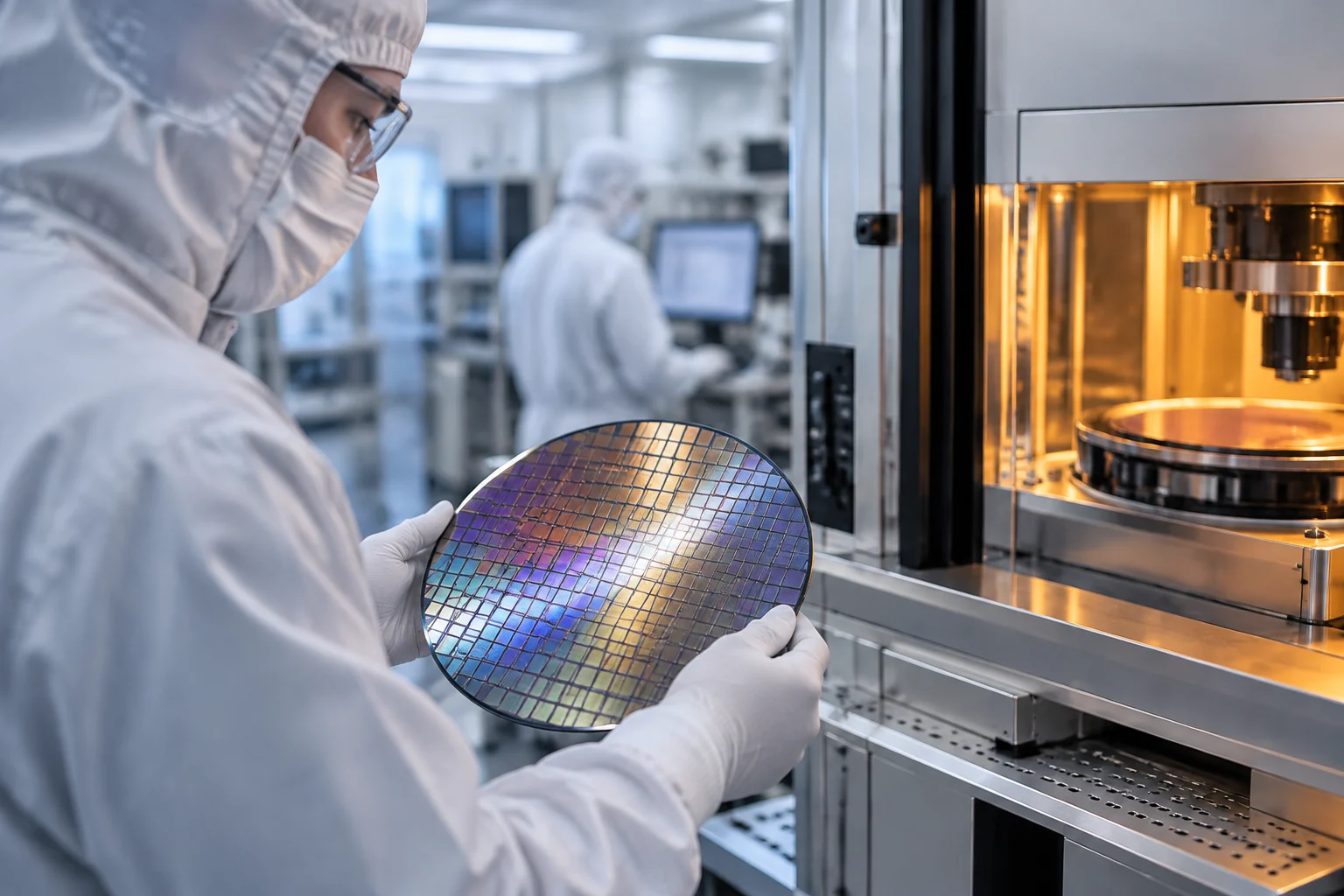
We examine the technical documentation on silicon carbide and gallium nitride versus silicon, focusing on material properties, operating conditions and the real limits of the available comparisons.
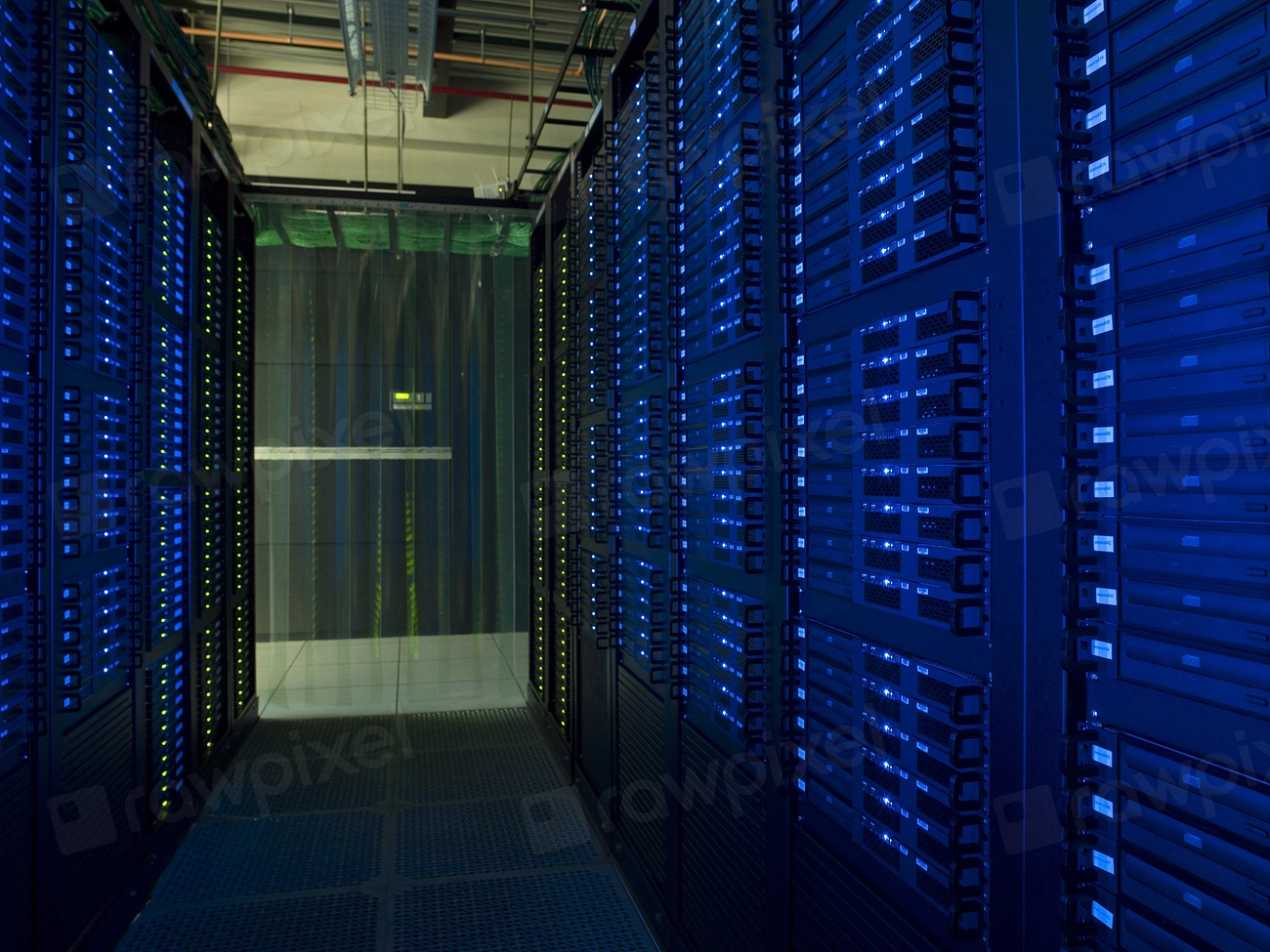
A TOP500 position is a comparison under a specific test, not a universal measure of performance or an electricity bill. This guide explains how to read the metrics, check them against system documentation, and identify what is missing when comparing applications and costs.
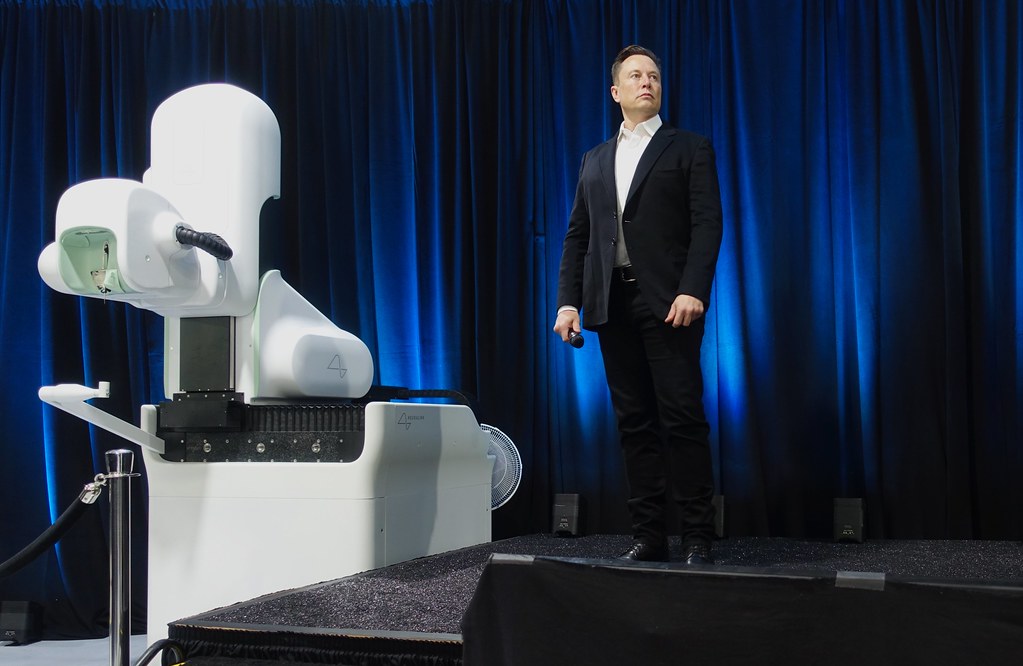
Brain-computer interfaces are already being studied in clinical trials and show useful capabilities in controlled settings. But a trial registration is not the same as demonstrated efficacy or commercial authorization: evidence, safety and durability must be assessed separately.
We examine the tests, standards and repeatability criteria that an additively manufactured part must meet to be considered fit for functional or regulated use, beyond the initial demonstration.
Distinguishing a laboratory advance from an operational deployment requires reviewing standardized metrics, test conditions and primary documentation. We examine the evidence needed to validate claims about capacity, reach and efficiency in optical links.