A different launch from the QuietComfort Ultra
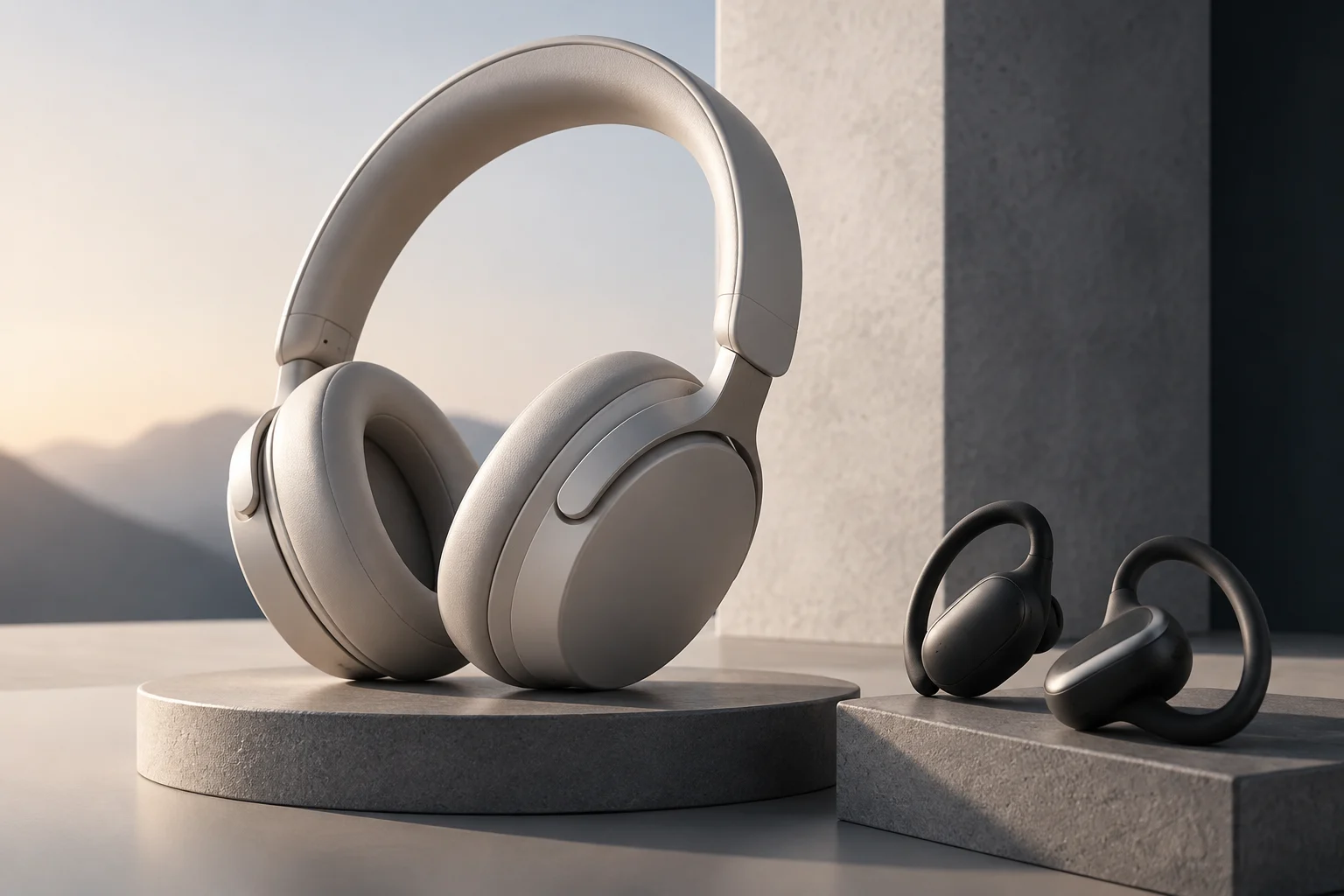
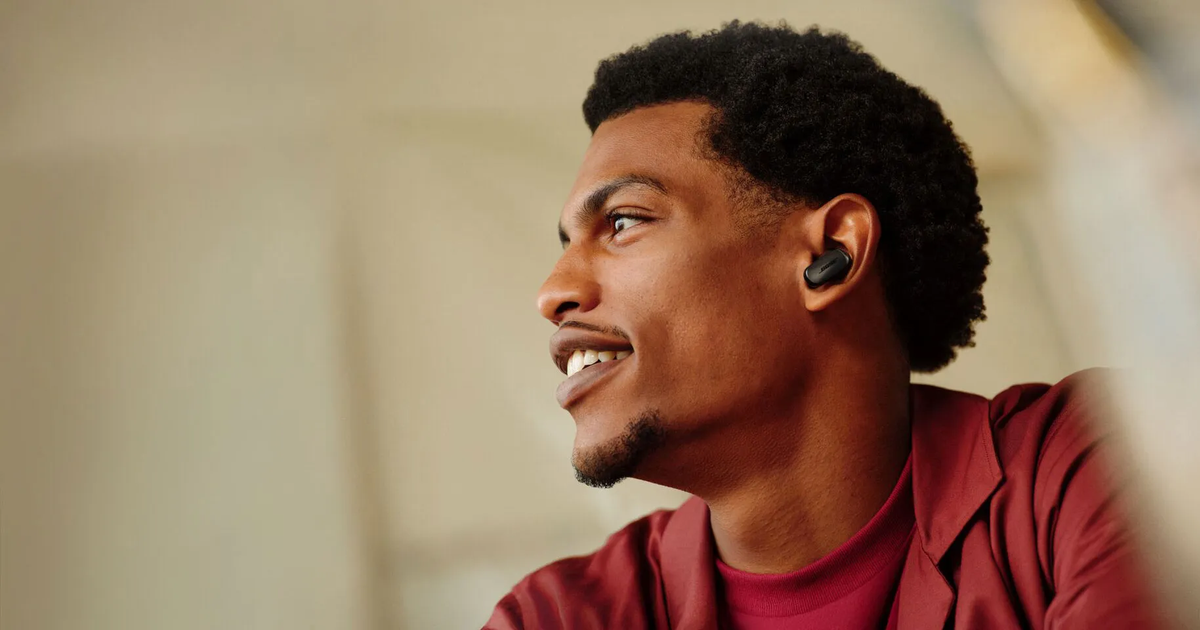
Bose announced the Ultra Open Earbuds (2nd Gen) on September 17, 2026, introducing a new generation of open-ear, clip-on earbuds. They belong to the Ultra Open family, not the QuietComfort Ultra Earbuds, which are in-ear models with active noise cancellation and a different design.
The distinction matters when comparing features and choosing what to buy. Ultra Open earbuds leave the ear canal unsealed and are designed for listening without shutting out the surroundings; they do not have active noise cancellation. The QuietComfort Ultra Earbuds (2nd Gen), announced in June 2025, instead focus on noise cancellation, an in-ear fit and isolation.
Bose set a U.S. launch price of $299 and availability from October 1, 2026; preorders began September 19. The announcement date and sale date are different, which matters when checking whether a retailer can accept orders or deliver the product.
What’s new compared with the first generation
The second generation keeps its predecessor’s clip-on shape, but Bose announces a new transducer, deeper bass and a higher maximum volume. It also adds SpeechClarity, AI-assisted voice processing designed to reduce background noise during calls. This updates the listening experience without completely redesigning the form factor.
Bose has added Cinema Mode, which uses TrueSpatial to create a wider soundstage for video and podcasts while keeping dialogue centered. Unlike standard stereo playback, the processing aims to create a greater sense of space; its usefulness depends on the content and the listener’s preferences. It does not turn the earbuds into a physical surround-sound system.
The case has also been redesigned so it can stand upright, and wireless charging has been added. The metallic finish on the outer part has been refined, while the earbuds’ overall form remains the same. The second generation retains the clip-on silhouette, with changes to the case and its finish.
Battery life and charging: nine hours, with conditions
Bose claims up to nine hours of playback per charge for the Ultra Open Earbuds (2nd Gen), with another 19.5 hours stored in the case. With Auto Volume or Immersive Audio enabled, playback lasts up to five hours; with both enabled, it lasts up to four. The battery figure is best considered alongside the features you plan to use.
The redesigned case supports wireless charging, which can be convenient if you already use a compatible charging pad. Wireless charging is a case feature; the earbuds charge inside it.
For comparisons, distinguish the earbuds’ own battery life from the total power available with the case. The nine-hour figure applies to one charge of the earbuds, while the additional 19.5 hours depend on recharging them from the case. Comparing models also requires considering which processing features were active when battery figures were measured or announced.
Connectivity and compatibility
The earbuds use Bluetooth 5.4 and support multipoint connections to two devices, as well as SBC and AAC codecs. Google Fast Pair simplifies initial pairing with compatible Android devices. The second-generation Ultra Open also supports Snapdragon Sound with aptX Adaptive; its sound-quality and latency benefits require a compatible device, not just any Android phone.
The Bose app lets users adjust a three-band equalizer, Auto Volume and shortcuts, as well as manage Bluetooth devices and firmware updates. Not every feature will necessarily work the same way on every phone: support for services and codecs depends on the source device, its software and the relevant compatibility.
Bose said a post-launch firmware update would enable Google Find Hub, Alexa+ and Apple Music shortcuts. Planned features are not necessarily available at launch: the earbuds’ release date alone does not establish that these options were ready on day one.
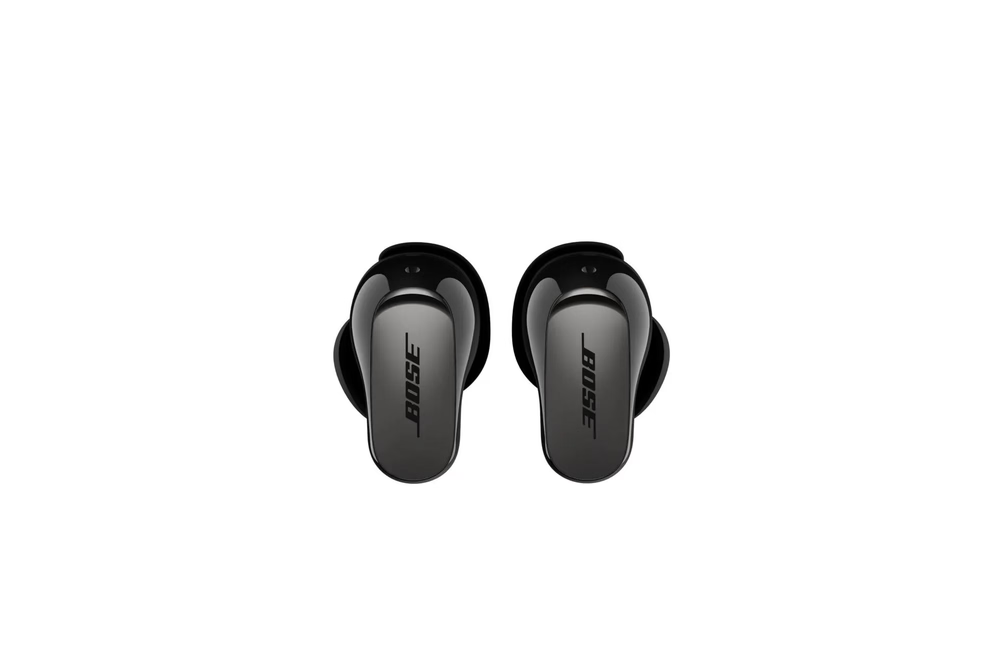
Bose Ultra Open Earbuds (2nd Gen): key specifications
A quick reference to the announced battery figures, connectivity, price and U.S. release schedule.
| Earbud playback | Up to 9 hours |
|---|---|
| Additional playback from case | Up to 19.5 hours |
| Wireless connection | Bluetooth 5.4 · 2-device multipoint |
| Announced U.S. price | $299 |
| U.S. schedule | Preorders: Sep 19 · Available: Oct 1, 2026 |
Battery life varies with enabled features and usage; planned firmware features are not included.
Sources and references1
Open-ear design: what you gain and give up
By leaving the ear canal open, the Ultra Open let users hear conversations, alerts and other environmental sounds naturally. Bose directs sound toward the ear with its OpenAudio technology and a controlled acoustic structure. This differs from bone-conduction headphones: Bose describes sound traveling through the air near the ear, not through bone vibrations.
The practical trade-off is less isolation from ambient noise. The open design may be useful while walking or working when awareness of your surroundings matters, but it is not the best choice for noisy travel or settings where you want to block outside sound. SpeechClarity is intended to improve the voice transmitted on calls; it does not cancel noise reaching the wearer’s ears.
The Ultra Open Earbuds (2nd Gen) support multipoint connectivity and let users customize controls with shortcuts.
Price, availability and whether to buy
The announced U.S. price was $299, with availability from October 1, 2026, through Bose and selected retailers. Bose listed Black and White Smoke, along with limited-edition Cherry Chocolate, Olive Green and Sky Pink. That price and schedule apply to the U.S. market and do not establish the final price, taxes or sale date elsewhere.
The main question for buyers is which design they want. The Ultra Open (2nd Gen) may suit people who prioritize an open, comfortable fit, awareness of their surroundings, calls and everyday listening without sealing the ear. Anyone seeking noise cancellation or isolation should compare in-ear models, including the QuietComfort Ultra Earbuds, rather than treating the second-generation Ultra Open as a direct substitute.
The second generation keeps the clip-on shape and adds audio and call improvements, expanded features and longer battery life. For buyers who value battery life and wireless charging, the new model offers tangible changes; its open-ear design leaves the ear canal unsealed and does not offer active noise cancellation.