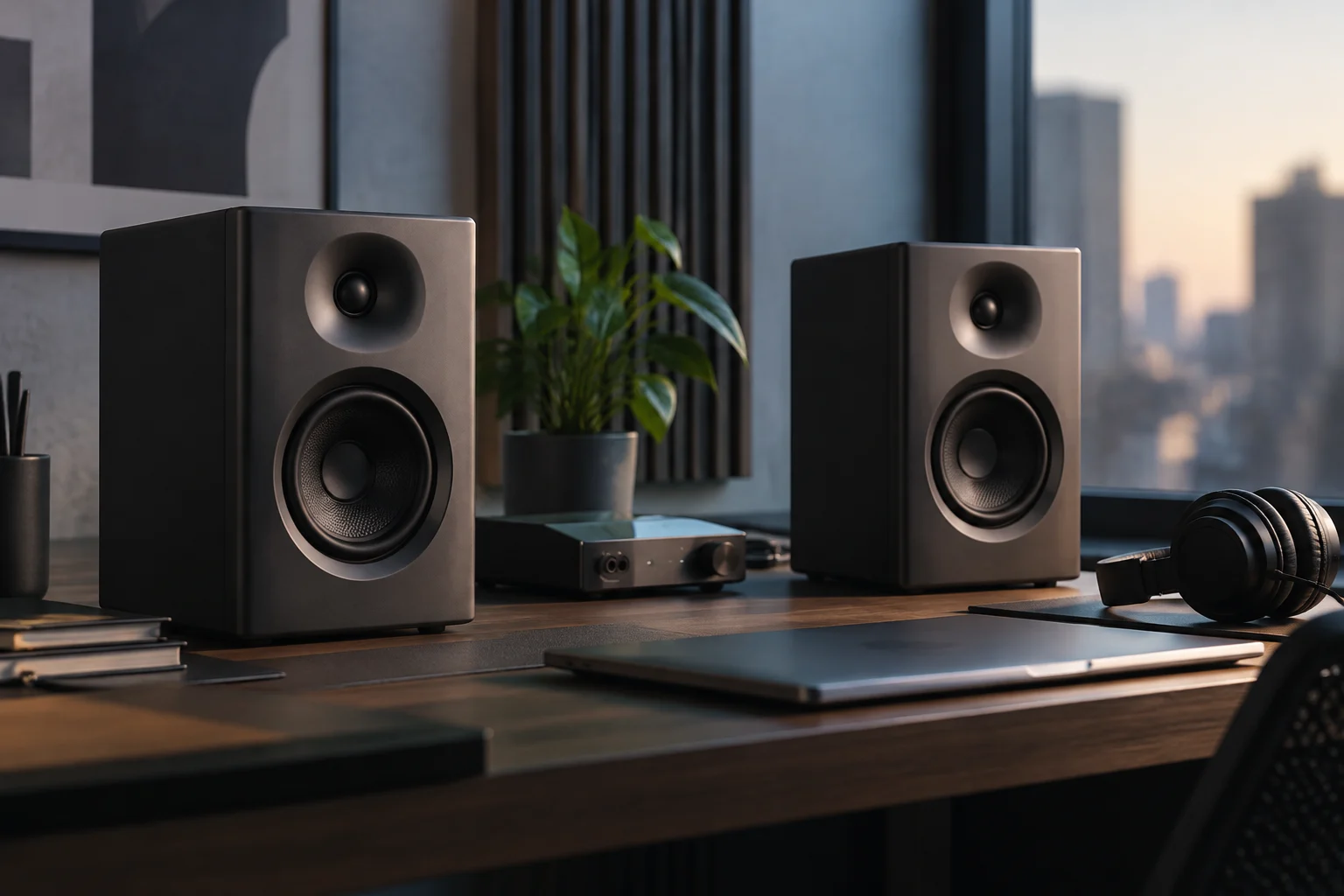
An October 2024 announcement, not a new product today
Edifier introduced the MR3 system on October 18, 2024, as a pair of 2.0 active monitors for home studios, video editing and everyday listening. The company described them as a faithful-reproduction system. The useful focus today is therefore their features and the kind of setup they are intended for, rather than treating them as a recent launch.
The official product page lists total power of 18 W + 18 W RMS, Hi-Res Audio certification, a stated frequency response of 52 Hz to 40 kHz and maximum SPL of 92.5 dB at one metre. These are manufacturer specifications: on their own, they are not an independent measurement of performance in a particular room, nor do they guarantee that every source will deliver high-resolution audio.
Desktop monitors: active speakers designed for near-field listening
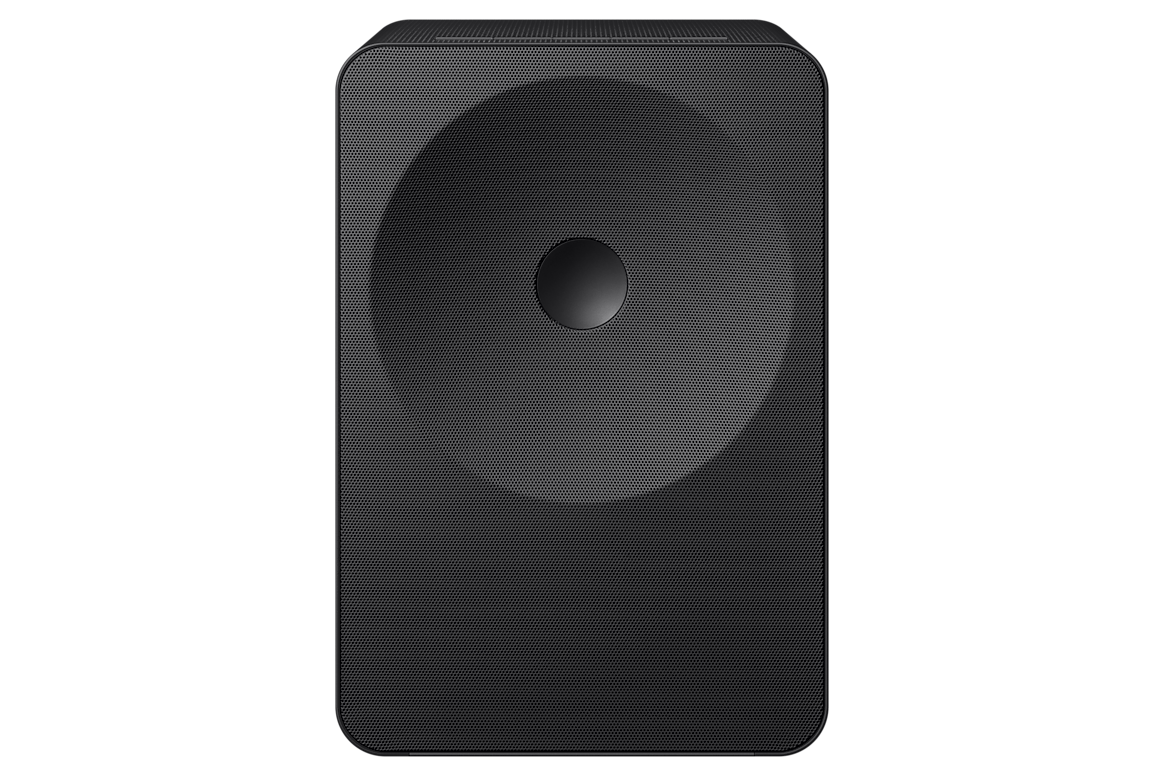
Because they are active speakers, the MR3 have built-in amplification and do not need an external amplifier to work. Edifier lists a 3.5-inch mid-low driver and a one-inch silk-dome tweeter for each speaker.
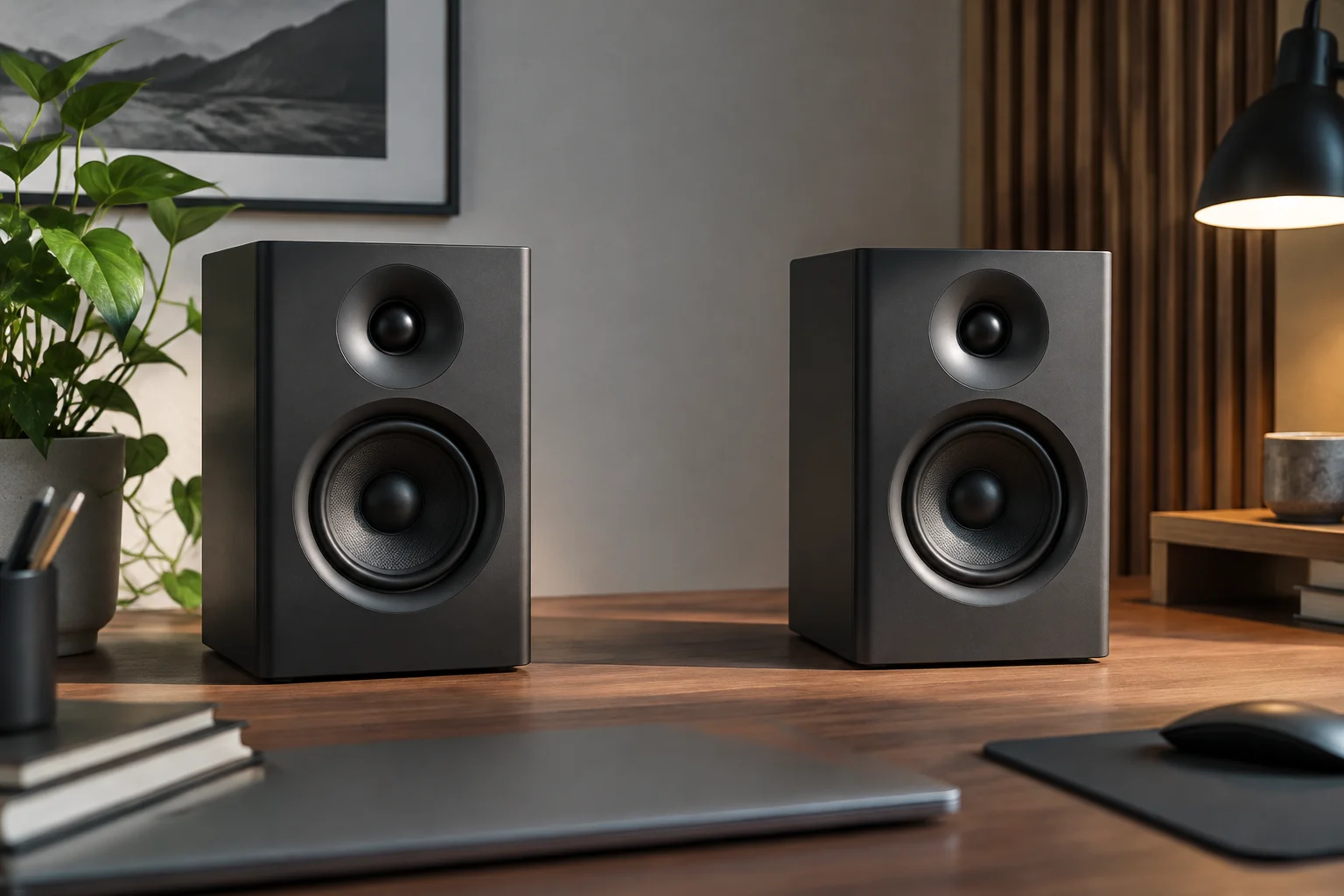
The brand positions them for near-field listening: a relatively close position such as a desk or small workspace. That distinguishes them from speakers chosen primarily to cover a room from farther away, although the manufacturer also says they have enough power for a medium-sized room. Placement and room acoustics matter; the power rating alone does not determine how they will sound in every home.
Hi-Res Audio certification and 24-bit/96 kHz processing describe capabilities in the signal chain specified by Edifier. They do not promise an automatic improvement: the result also depends on the file, connection, playback device and settings. The product page lists support for the SBC Bluetooth codec, an important detail for anyone planning to use them wirelessly and expecting to stream with other codecs.
Edifier MR3 at a glance
Manufacturer-listed specifications and connections for the MR3 active monitor system.
| Total RMS power | 18 W + 18 W |
|---|---|
| Frequency range | 52 Hz–40 kHz |
| Wireless audio | Bluetooth 5.4 · SBC |
| Inputs | TRS · RCA · 3.5 mm AUX · Bluetooth |
| Headphone connection | 3.5 mm stereo output |
Specifications are manufacturer claims, not independent performance measurements.
Sources and references1
Connections for computers, audio interfaces and other sources
The product page lists a quarter-inch balanced TRS input, RCA and 3.5 mm stereo AUX inputs, as well as Bluetooth 5.4. It also specifies a headphone output. USB and optical inputs are not listed among the manufacturer’s connections, so anyone who needs to connect a TV directly over optical or a computer over USB will need to check whether their equipment has another compatible output, or consider a suitable external converter.
Balanced TRS can be useful with an audio interface or mixing desk that has that kind of output; RCA and AUX support common analogue sources. Edifier says the RCA and AUX inputs can be connected at the same time. Playback control through the ConneX app, however, is limited to the Bluetooth input, according to the product page.
The wireless connection can be paired with two Bluetooth devices at once to make switching between sources easier, Edifier says. That does not mean both devices play audio simultaneously. For video work or applications requiring tight synchronisation, note that the manufacturer acknowledges possible delays in network standby mode and recommends updating the firmware through the ConneX app to reduce them.
Adjustments to suit the sound to the placement
The MR3 provide rear controls and app options for adjusting the response to the surroundings. Treble and bass can each be adjusted by ±6 dB: the treble control affects frequencies above 10 kHz, while the bass control operates around 125 Hz. These settings are intended to change playback; they do not replace room treatment or turn an unsuitable position into an ideal setup.
There are also bass-cut, acoustic-space compensation and desktop-control options. Edifier says these are intended to help deal with speaker placement and reflections from a work surface. For desk use, position matters as much as connectivity: available space, listening distance and proximity to walls are practical factors to consider before choosing.
The manufacturer also says the speaker can enter network standby after 15 minutes without playback or other operations. If there is a delay when listening resumes, Edifier’s support page recommends updating the firmware and also explains how to disable this standby mode. This is a useful everyday detail, particularly for a system used through alternating periods of work and breaks.
Price and availability vary by market
In its October 2024 announcement, Edifier cited a price of $119.99 and sales through an authorised US distributor. That figure belongs to that announcement and market; it should not automatically be applied to Spain, Mexico or other countries, or treated as the current price in 2026.
The Spanish product page offers a purchase option, while a Spanish retailer lists black and white versions. Availability and price can vary by region and seller: before comparing offers, check the local manufacturer or retailer page and confirm the colour, terms of sale and current price.
Who might find them a good fit
Given their connections and format, the MR3 may suit someone looking for desktop active speakers to combine a computer, audio interface or other analogue sources, and who values adjustments for their listening position. Edifier describes them as suitable for home studios, video editing and everyday listening.
A practical choice comes down to checking three things: whether the outputs on your devices are compatible with TRS, RCA, AUX or Bluetooth; whether there is enough room to place both speakers; and whether listening will mainly take place nearby. If optical, USB or a Bluetooth codec other than SBC is required, connectivity may be the deciding factor, ahead of certification or the power rating.