The system description does not equate to an industrial result
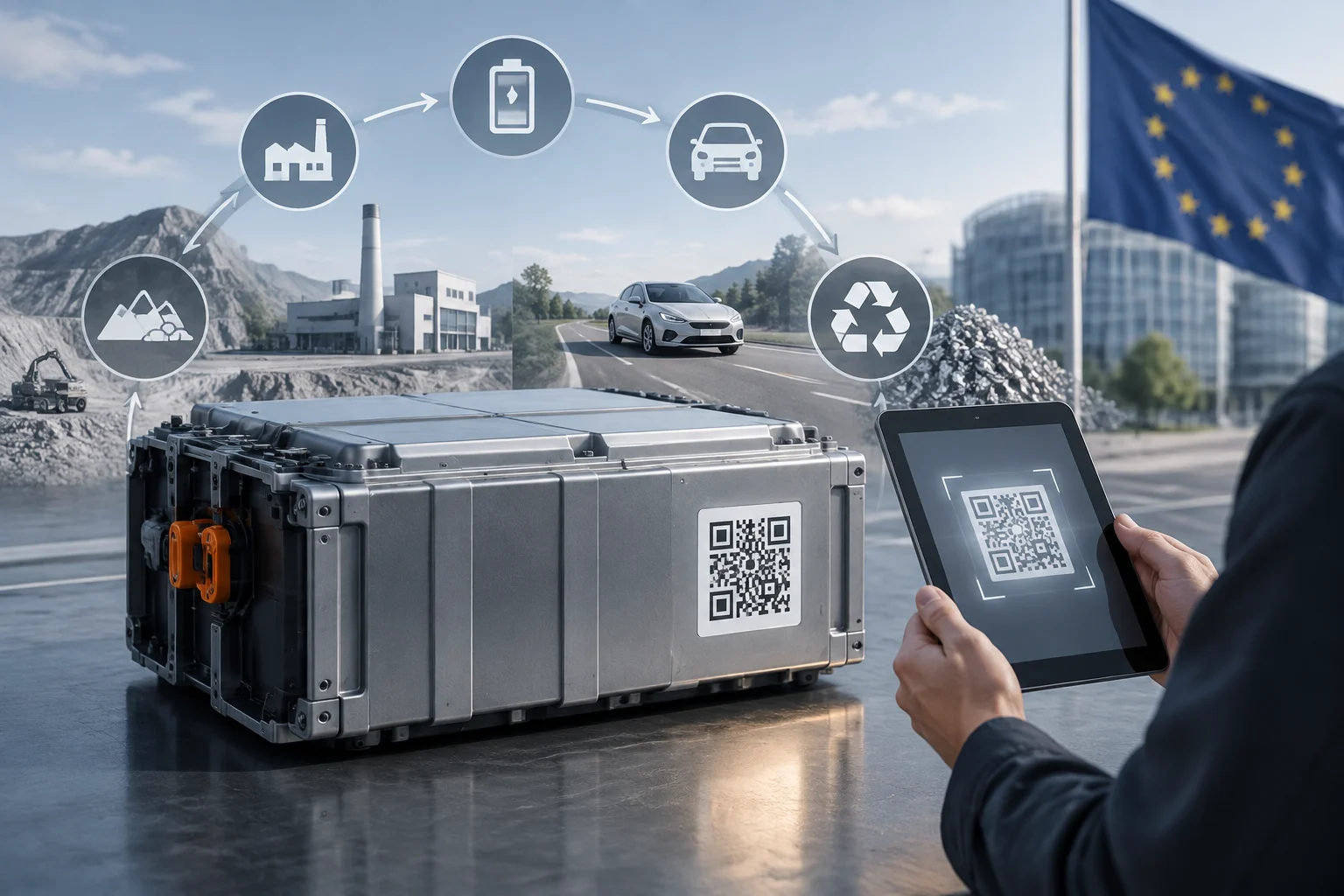
BatteReverse is a European reverse logistics project for batteries. The Eurecat information outlines several work streams, including a discharge and diagnostics method, safety packaging, life‑cycle assessment for possible second use, a data space and automated dismantling. This places the initiative within a broader chain than recycling alone: before material recovery a battery may require evaluation, safe transport and decisions on repair, reuse or recycling.
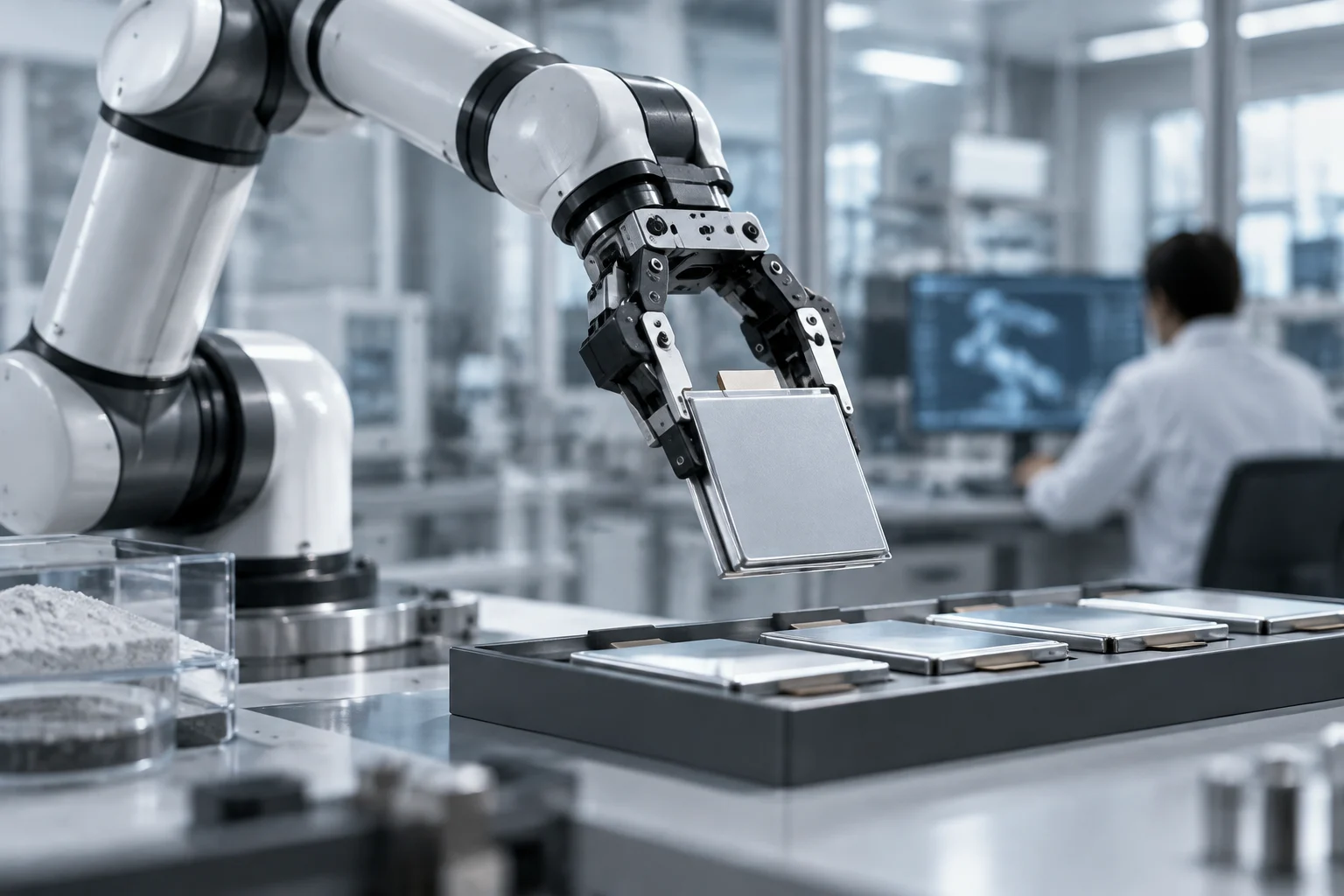
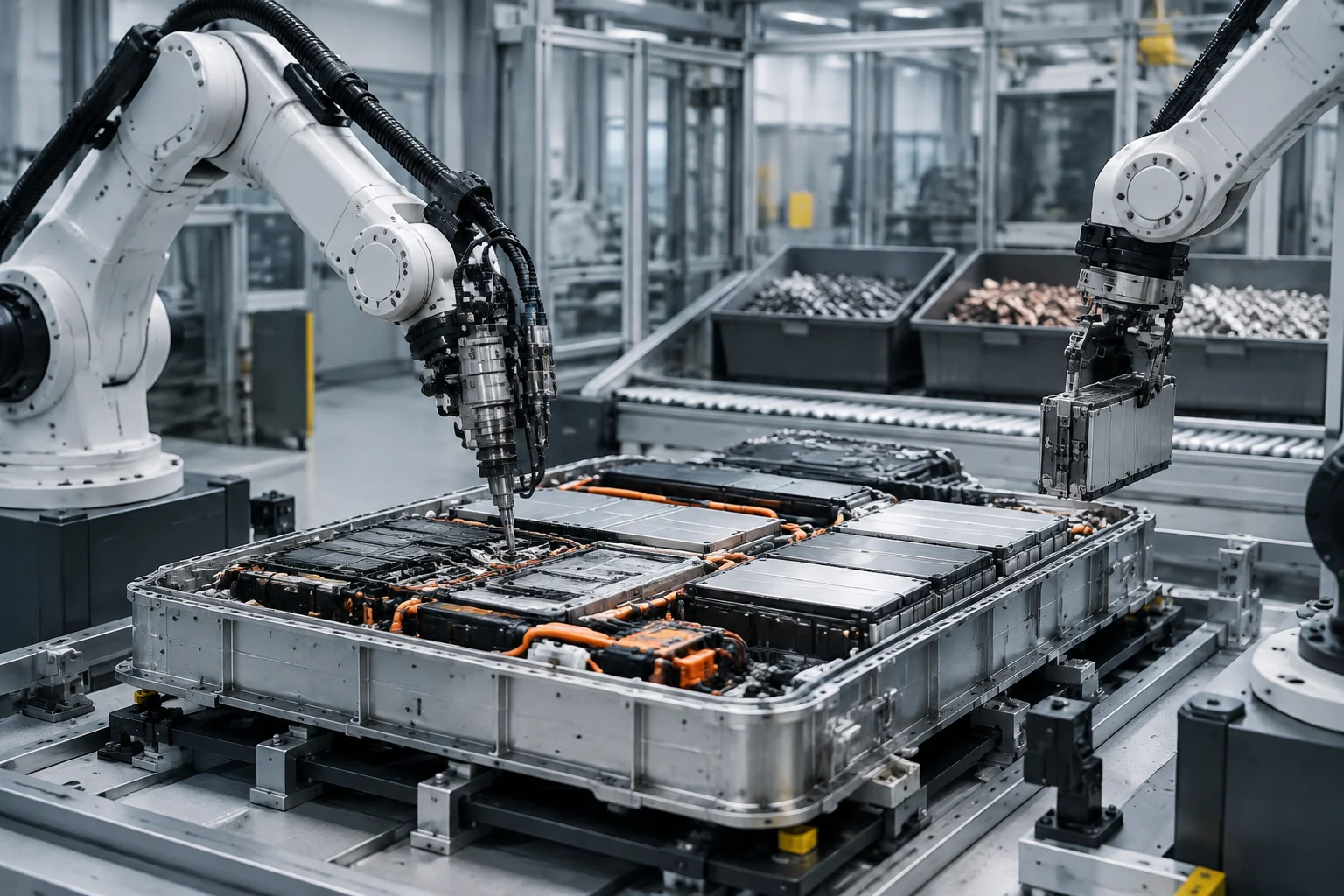
In July 2025 a Residuos Profesional article reported that Eurecat had developed a system to disassemble and classify electric‑vehicle battery components. According to that description the system uses collaborative robotics and artificial intelligence and focuses on tasks such as unscrewing bolts and removing the top cover. The story attributes cost‑ and time‑reduction goals and safety improvement, but does not publish measurements demonstrating those objectives have already been achieved.
The Eurecat institutional sheet expands the project’s scope and claims that its innovations would be integrated and demonstrated in two use cases. However, the consulted information does not provide quantitative results of those demonstrations nor allows confirmation of what was completed, when, with which batteries or under what conditions. Thus one can speak of a described system and project objectives, not of proven industrial capacity or quantified improvement.
What tasks automation covers — and which are not verified
The physical variability of battery packs is one of the problems the proposal seeks to address: different designs may have varying shapes, dimensions, fastenings and internal arrangements. The 2025 note attributes a modular and adaptable approach to the system, as well as a collaborative solution that would allow sharing workspace between robot and person. Declared adaptability does not mean universally demonstrated compatibility: to support that conclusion one would need to know the range of designs tested and operating conditions.
The available description specifies two operations: unscrewing bolts and removing an upper cover. It also mentions component and material classification, but does not specify which parts are recognized, with what accuracy rate or whether the system separates them physically in an autonomous way. Nor does it state where the demonstration ends: removing a cover is not equivalent to processing modules or cells, separating active materials or producing raw materials suitable for re‑manufacturing batteries.
The distinction matters because dismantling is only one stage of the chain. A robotic system can reduce manual intervention on selected operations, but material recovery depends on downstream stages and how each fraction is treated. The evidence received does not detail downstream processes nor demonstrate that the robot alone increases the quantity or quality of lithium, nickel, cobalt or other materials recovered.
Metrics that would allow judging effectiveness and scalability
To know whether automation improves a process, it must be compared to an explicit baseline: the manual or semi‑automatic method used under equivalent conditions. Without a baseline, a speed or cost figure alone says little. The comparison should identify battery types, volume and input state, number of operators, preparation time and quality criteria, in addition to separating results from the equipment itself and the rest of the plant.
A useful technical report should publish at least operational indicators per batch and per battery type. Nominal capacity does not replace observed performance: what matters is how much material is processed under real conditions, how many stops the line requires and what proportion of units need manual intervention or remain unprocessed.
Data needed would include:
- Performance: batteries or mass processed per hour, system availability, cycle times and percentage of operations completed without corrective intervention.
- Recovery and quality: mass recovered by fraction or material, purity or contamination, losses and subsequent destination for each output.
- Resources and cost: energy and consumables per unit or tonne, labour, maintenance and total process cost.
- Repeatability: results broken down by design, chemistry, size, age, damage and state of charge, with sample numbers and variability.
These indicators must be read together. Speedier opening of a package may not improve the system balance if it increases component damage, fraction contamination or downstream sorting work. Likewise, a high visual identification rate does not itself prove that resulting materials are of sufficient quality for reuse or recycling. The consulted sources do not provide figures that would allow these comparisons for BatteReverse.
Safety and battery diversity: what must be documented
Working with lithium‑ion batteries requires treating safety as a property of the entire process, not as an automatic feature of using collaborative robotics. The 2025 description presents bolt removal and cover extraction as risky operations for workers and states that a solution was designed to share space with a person. It does not include incident data, risk assessment, operation limits or shutdown procedures that would allow evaluation of the achieved safety level.
The condition of each battery also changes the problem: an intact unit may not pose the same conditions as a damaged, deformed or otherwise uncertain battery. To evaluate deployment one would need to know which input states are accepted, how anomalous units are identified and isolated, how residual energy is controlled and what measures exist against short‑circuiting or heating. Human‑robot collaboration describes a work configuration; it does not certify a safety level on its own.
It also lacks definition of the scope of the compatibility claim. To support that a solution works independently of model one would need a test matrix covering representative designs and fastenings, with success rates and documented exceptions. In the absence of that information, prudence dictates attributing adaptability to project description rather than turning it into a general guarantee for any battery.
Primary documents that would close the main gaps
The Eurecat sheet is useful to understand that BatteReverse covers more than a dismantling robot; the Residuos Profesional note identifies the operations communicated publicly. But journalistic coverage does not replace an assay protocol, a results report or independent validation. The examined information also does not allow reconstruction of the contractual state of the project, milestone calendar or condition of cited demonstrations.
To contrast technology and progress, the most informative documentation would be:
- A technical memorandum with system architecture, automated tasks, sensors, classification criteria and compatibility limits.
- Protocols and test results, with number and types of batteries, input conditions, success rates, errors and need for human intervention.
- Safety data and risk assessment, including incidents, near‑misses and control measures.
- A process balance measuring performance, recovery per fraction, quality, energy, costs and output destination.
- Demonstration results in an operational environment, with date, scale, duration and comparison to a reference.
- Technical publications or external evaluation allowing review of methods, assumptions and reproducibility.
The institutional sheet indicates that the project plans to integrate innovations into use cases, but that formulation does not itself provide evidence that the system has operated at commercial scale. A reader can apply a simple rule: always distinguish between announced objective, described prototype, documented demonstration and sustained industrial operation. Each level requires different tests, and it is unwise to infer one from another.
Conclusion: a promising proposal, still hard to dimension
With the consulted information it can be stated that BatteReverse includes an automated dismantling and classification workflow, and that Eurecat has described a collaborative solution aimed at tasks such as unscrewing bolts and removing a cover. It can also be stated that the project is part of a broader reverse‑logistics effort and battery assessment. The publication date on the system is July 2025; it is not a new announcement today.
What cannot be concluded from those sources is how much the system processes, what percentage of operations it completes, how much material it recovers, whether it reduces costs or times versus a reference, or whether it operates reliably across a wide variety of batteries. Nor can its industrial maturity be established nor safety confirmed through quantified results. The central limitation is the lack of published performance data in the examined evidence, not proof that the system has failed.
For recycling companies, battery managers and investors, the practical decision is to request disaggregated, comparable results before evaluating the solution’s scaling potential. A documented demonstration with protocols, sample diversity and process metrics would allow moving from a technological description to a verifiable assessment. Until then, BatteReverse should be read as an initiative with described capabilities and relevant goals, but with its performance and industrial reach still to be publicly established.