The Difference Between a Basic and a Certified System
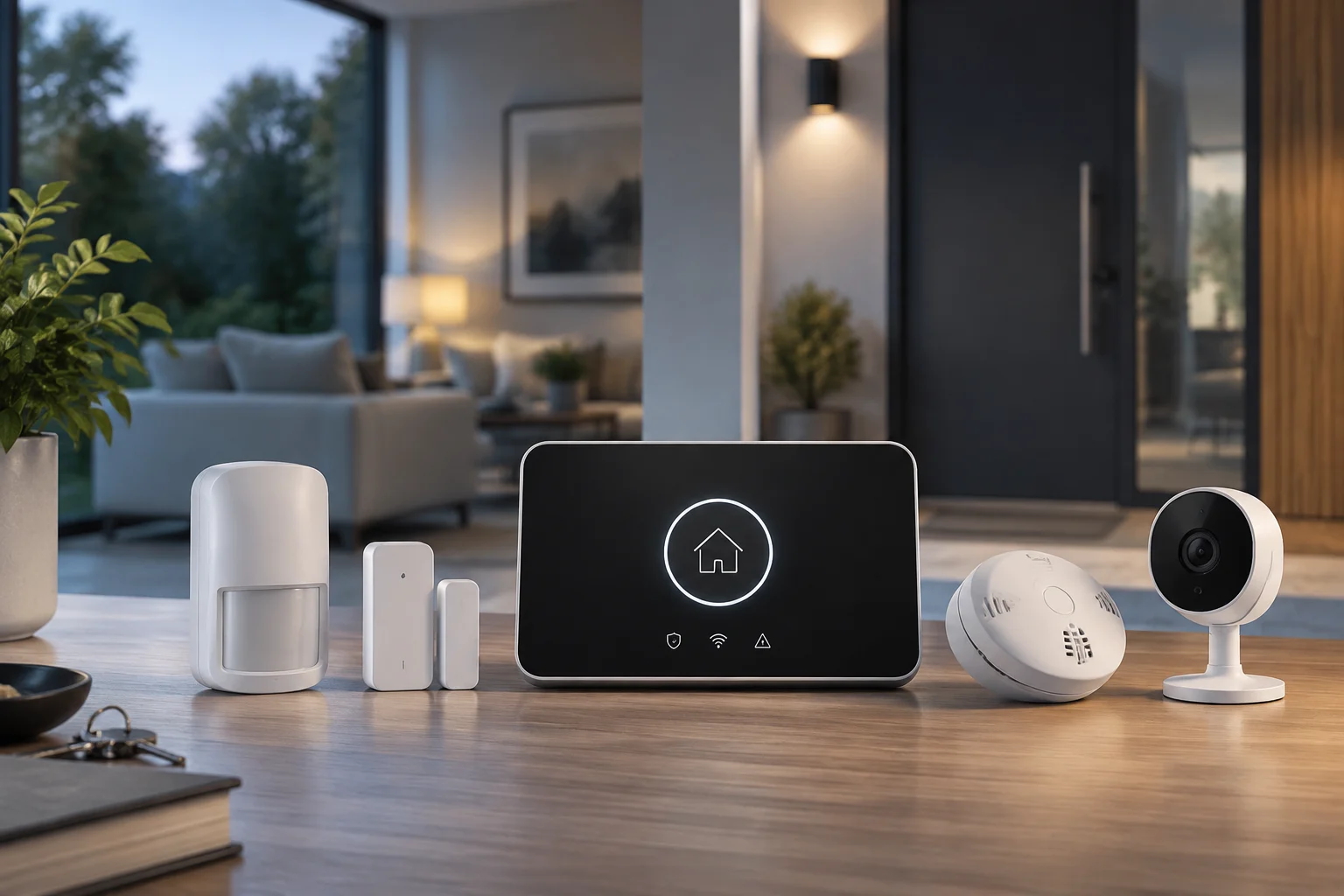
Choosing an alarm system is not reduced to the power of the siren or the aesthetics of the control panel. The fundamental distinction lies in the technical verifiability of the whole: a certified system has passed laboratory tests that guarantee its behavior against interference, sabotage, and power failures. Without this validation, manufacturer specifications are mere commercial declarations without legal or technical backing.
In the European market, the presence of the CE marking is mandatory, but it only certifies basic electrical safety and minimum electromagnetic immunity. It does not guarantee detection effectiveness or resistance to manipulation. To evaluate real quality, it is necessary to look for specific electronic security certifications that validate the functional performance of the system under adverse conditions.
Types of Sensors and Their Technical Reliability
Motion Sensors: PIR vs. Microwave
PIR (Passive Infrared) sensors detect changes in thermal radiation emitted by the human body. Their main advantage is specificity: they only react to moving heat sources, reducing false alarms caused by ambient temperature changes or air currents. However, they cannot detect through solid surfaces like walls or glass.
Microwave (MWS) sensors emit radio waves and measure echo time to detect movement. Unlike PIRs, they can penetrate materials like glass or wood, making them useful outdoors or in areas with obstacles. The drawback is their higher sensitivity to non-human disturbances, such as nearby vehicles or wind-blown vegetation, increasing the risk of false activations if not properly calibrated.
Dual Technology and Magnetic Sensors
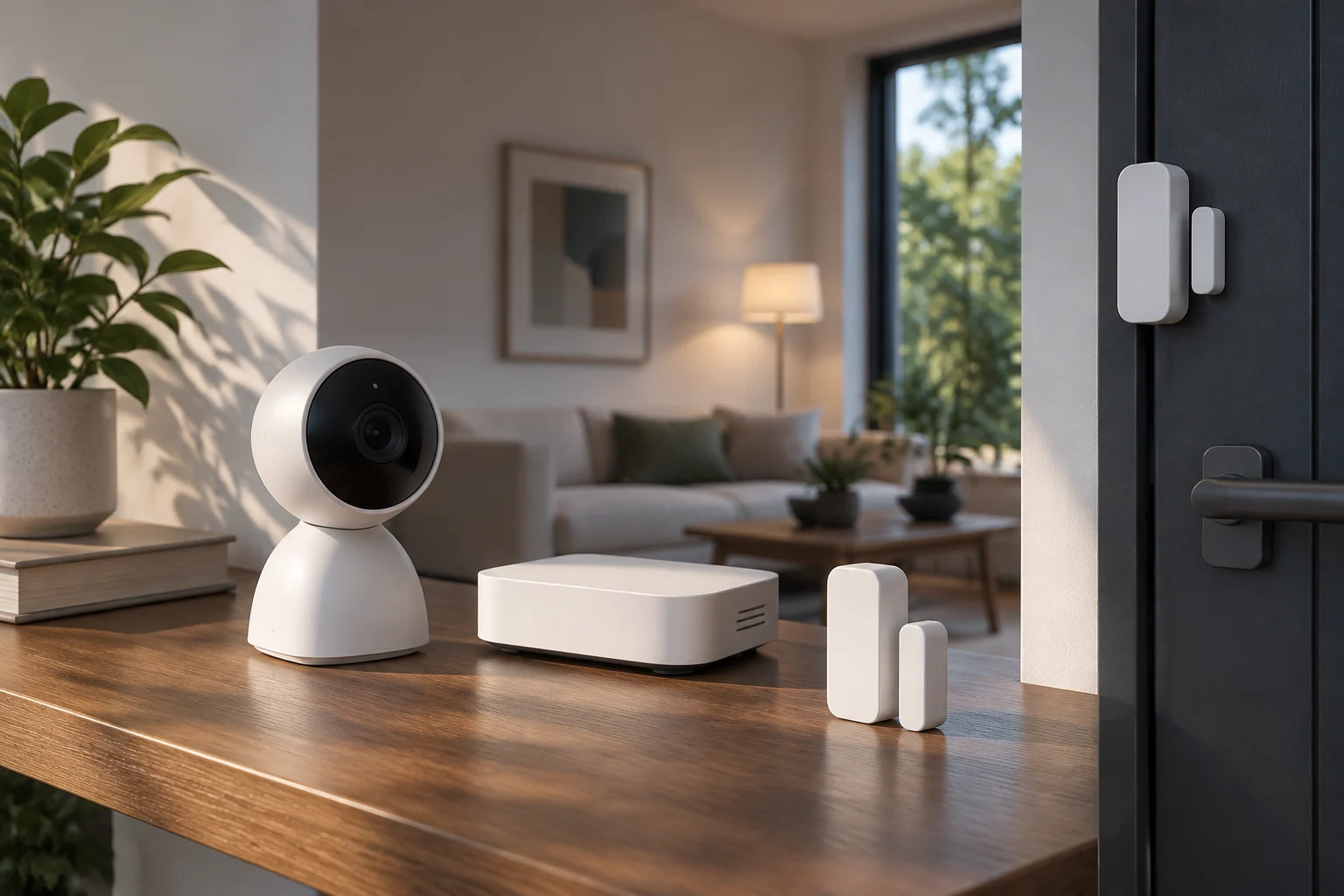
To mitigate the limitations of each technology, dual technology sensors combine PIR and microwave. The system only triggers the alarm if both technologies detect movement simultaneously, offering a superior balance between reliable detection and false alarm reduction. Complementarily, magnetic sensors on doors and windows are the first line of defense, as they detect the physical opening of the element without relying on the presence of a person inside.
Communication Protocols and Network Stability
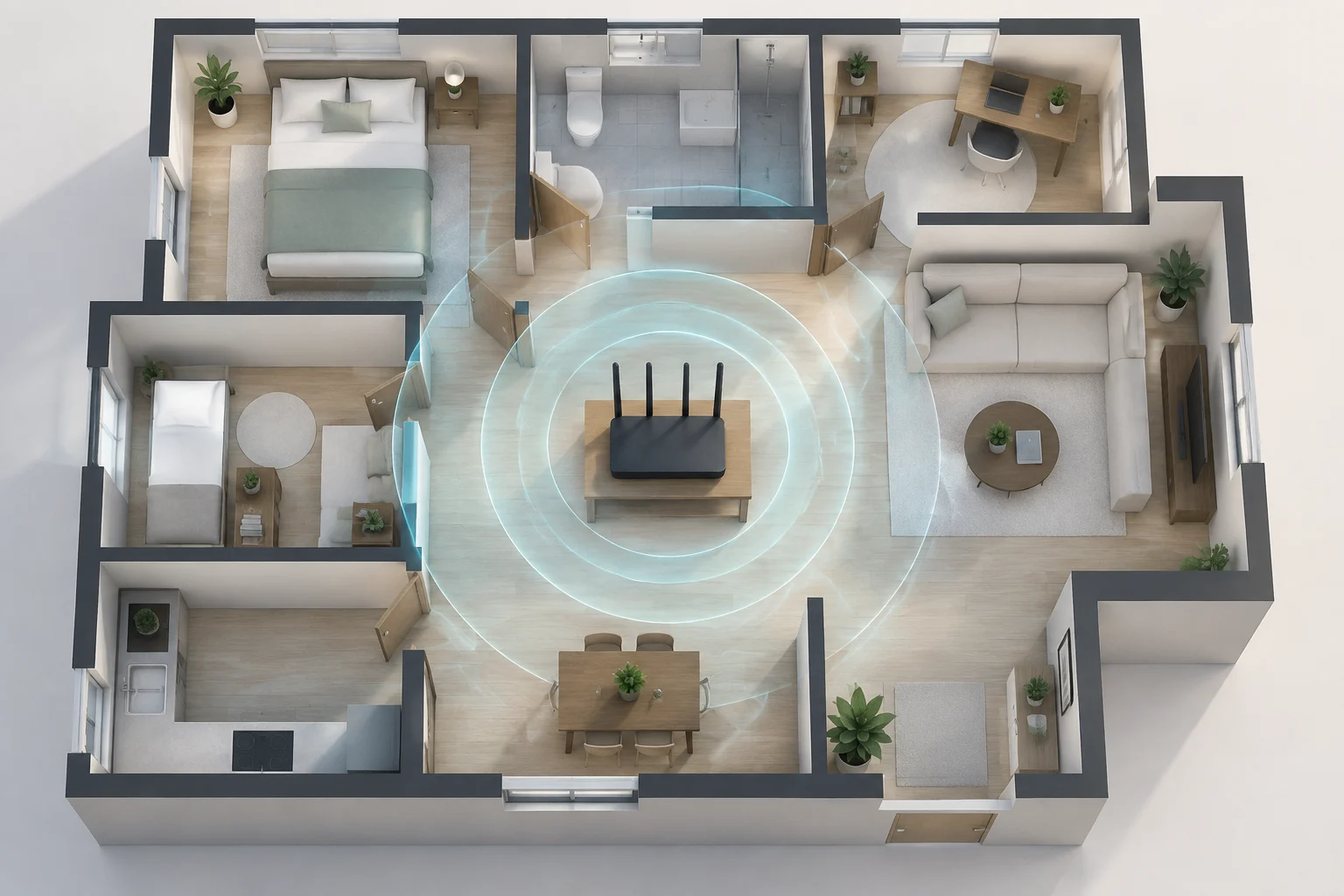
The choice of communication protocol determines the long-term stability of the system. Z-Wave operates in the 868 MHz band in Europe, a less congested frequency than 2.4 GHz. It uses a mesh topology where each device can retransmit the signal, improving range and redundancy. Its main advantage is low interference with home Wi-Fi networks, making it ideal for security systems requiring critical reliability.
Zigbee also uses a mesh network, but operates in the 2.4 GHz band, sharing the spectrum with Wi-Fi, Bluetooth, and other home devices. This can generate interference in homes with high wireless device density. Although Zigbee offers higher data rates and is more common in general home automation, for alarm systems where latency and packet loss are unacceptable, Z-Wave is usually the most robust option.
The Wi-Fi protocol is the most common in consumer devices, but it directly depends on the quality of the home network. An internet outage or band saturation can leave the alarm system without remote notification capability. Therefore, professional security systems usually incorporate a GPRS/4G backup connection to guarantee communication with the monitoring center even if Wi-Fi fails.
Certifications and European Regulations
The EN 50131 Standard and Security Grades
The European standard EN 50131 is the reference standard for alarm systems in residential and commercial buildings. It establishes functional, reliability, and tamper-resistance requirements. Systems are classified into security grades: Grade 2 is mandatory for homes and small businesses with medium risk, offering protection against simple attacks. Grade 3 is reserved for high-risk installations, such as banks or jewelers, and requires superior resistance to advanced sabotage attempts.
In addition to EN 50131, there are national certifications like NFA2P in France or INCERT in Spain, which validate compliance with specific local market requirements. In Spain, Order INT/316/2011 regulates the operation of alarm systems in the field of private security, establishing obligations for installer companies and systems connected to monitoring centers.
Privacy and GDPR
If the system includes video surveillance cameras, it must comply with the General Data Protection Regulation (GDPR) and the Organic Law on Data Protection (LOPDGDD). This implies that recording must be proportional to the risk, data must be encrypted, and owners must inform neighbors or employees about the existence of the cameras. Ignoring these regulations can result in significant financial sanctions by the Spanish Data Protection Agency (AEPD).
Integration with Home Automation and Matter
Compatibility with open standards like Matter is gaining relevance. Matter allows devices from different brands to communicate through a unified protocol, reducing dependence on closed ecosystems. For an alarm system, this means the possibility of integrating sensors, cameras, and panels with voice assistants and other smart home devices without the need for proprietary bridges.
However, home automation integration must not compromise security. Automation protocols usually prioritize convenience over robustness, so it is recommended to keep alarm communication on a separate channel or with network priority. Connectivity with voice assistants should be configured with limited permissions to prevent malicious voice commands or recognition errors from disabling the system.
Common Mistakes When Buying an Alarm System
Price Is Not the Only Security Indicator
A cheap alarm system may seem attractive, but it often lacks certifications, uses low-quality sensors, or relies exclusively on Wi-Fi without backup. The total cost of ownership must include maintenance, battery replacement, and possible software updates. A certified system may have a higher initial price, but it offers verified reliability and a lower false alarm rate, translating into a better long-term experience.
Ignoring Installation and Maintenance
Installation quality is as important as hardware quality. A poorly located PIR sensor, oriented towards a heat source or a window, will generate constant false alarms. Similarly, the lack of periodic maintenance, such as cleaning sensor lenses or checking batteries, can leave the system inoperable at a critical moment. Always hire a certified company that guarantees installation according to current regulations and offers continuous maintenance service.