A new laptop within the Android ecosystem
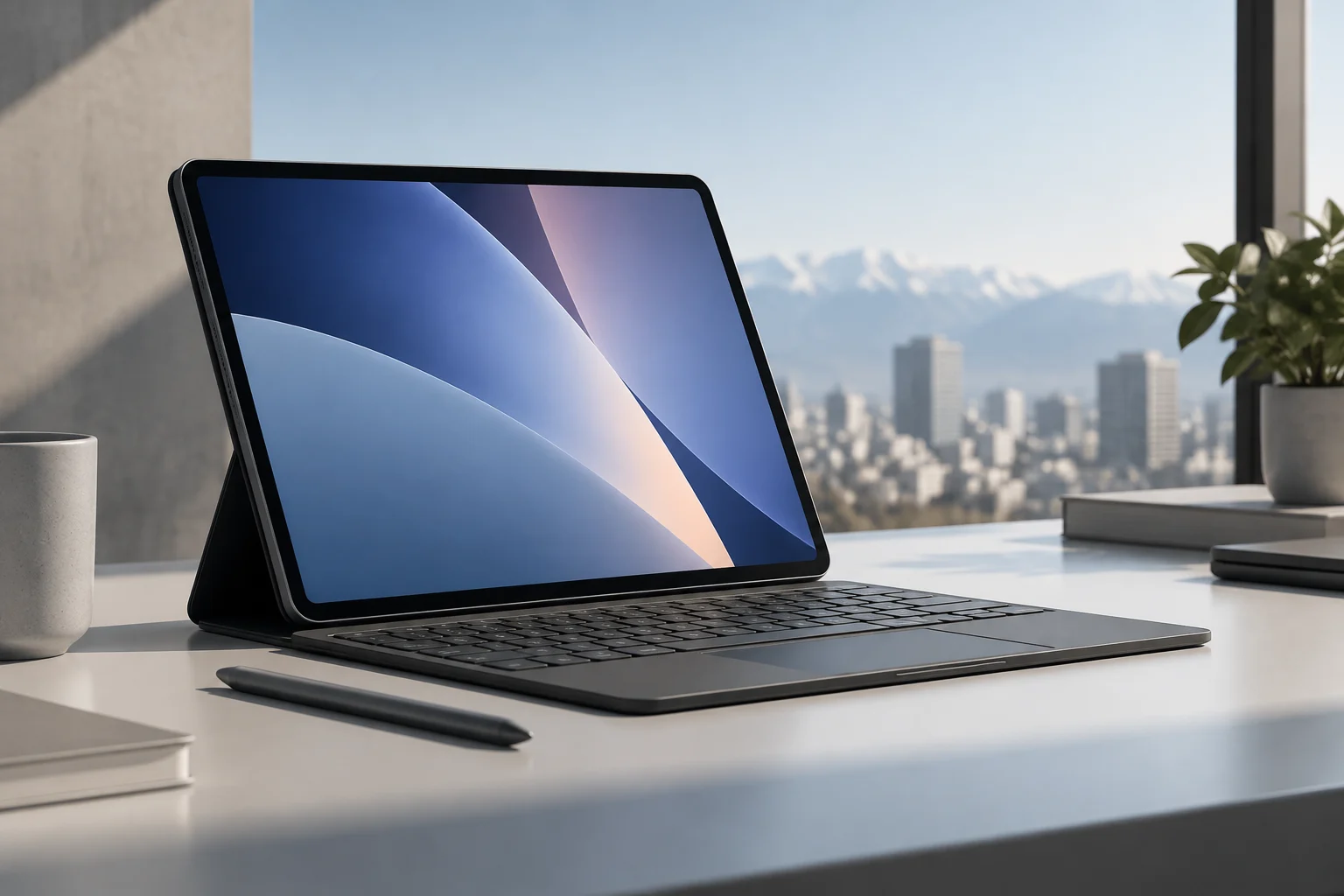
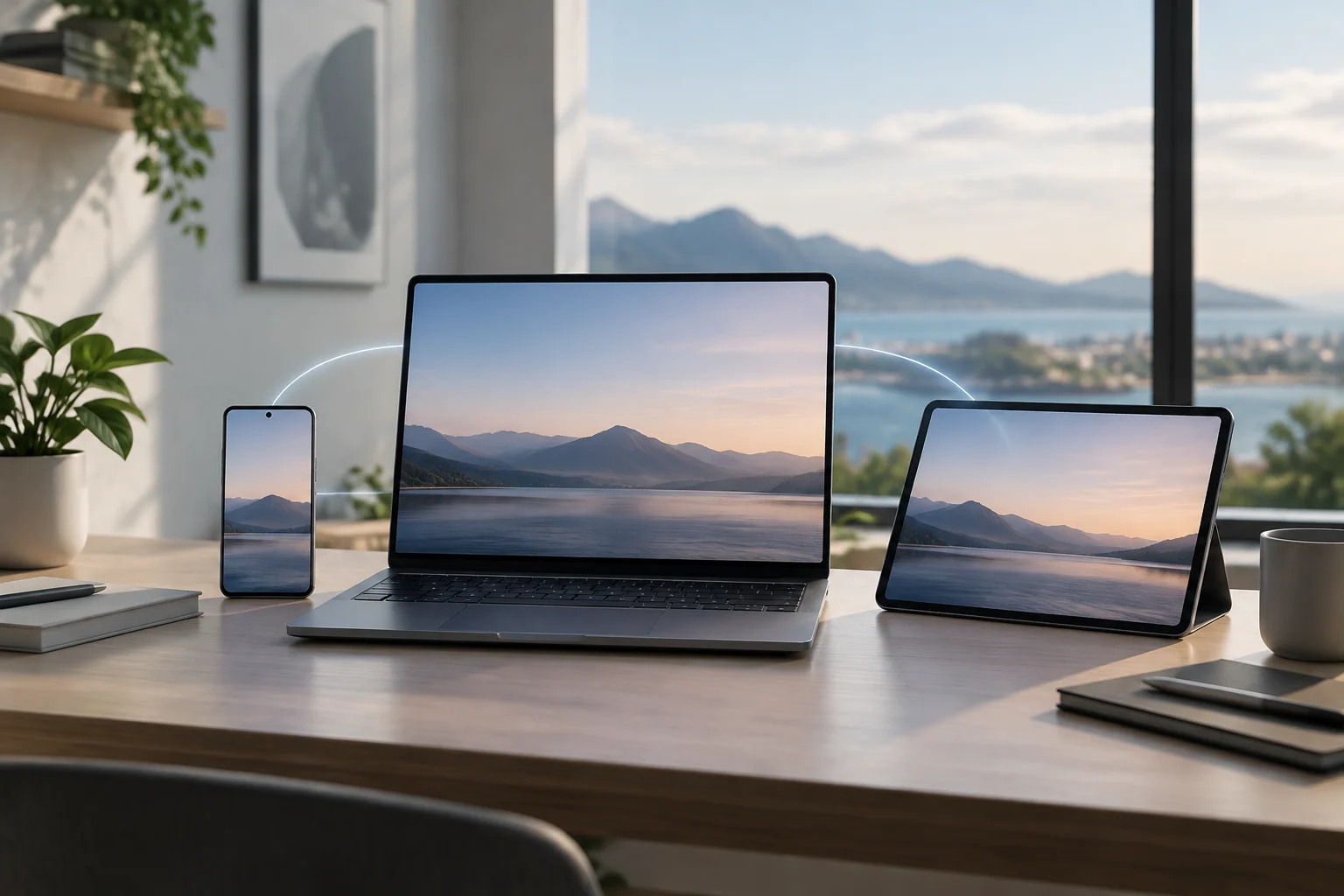
Google unveiled Googlebook on September 21, 2026, and opened pre-orders on the same day. It describes the device as a new category of laptops based on Android technology and ChromeOS desktop foundations. Its proposal combines Google services and applications with features to connect the computer to an Android phone.
The announced calendar set the start of sales in the United States for October 4 and, the following day, for Canada, the United Kingdom, Ireland, France, Germany, and Australia. These are the store arrival dates announced by Google; they do not by themselves determine the current availability of each model or configuration in all retailers.
Google set the initial price at $899 US dollars. The initial selection of devices was developed with Acer, ASUS, Dell, HP, and Lenovo. This figure is the starting price announced for Googlebook; each laptop and its configuration must be consulted in the corresponding commercial sheet.
What the Android phone connection offers
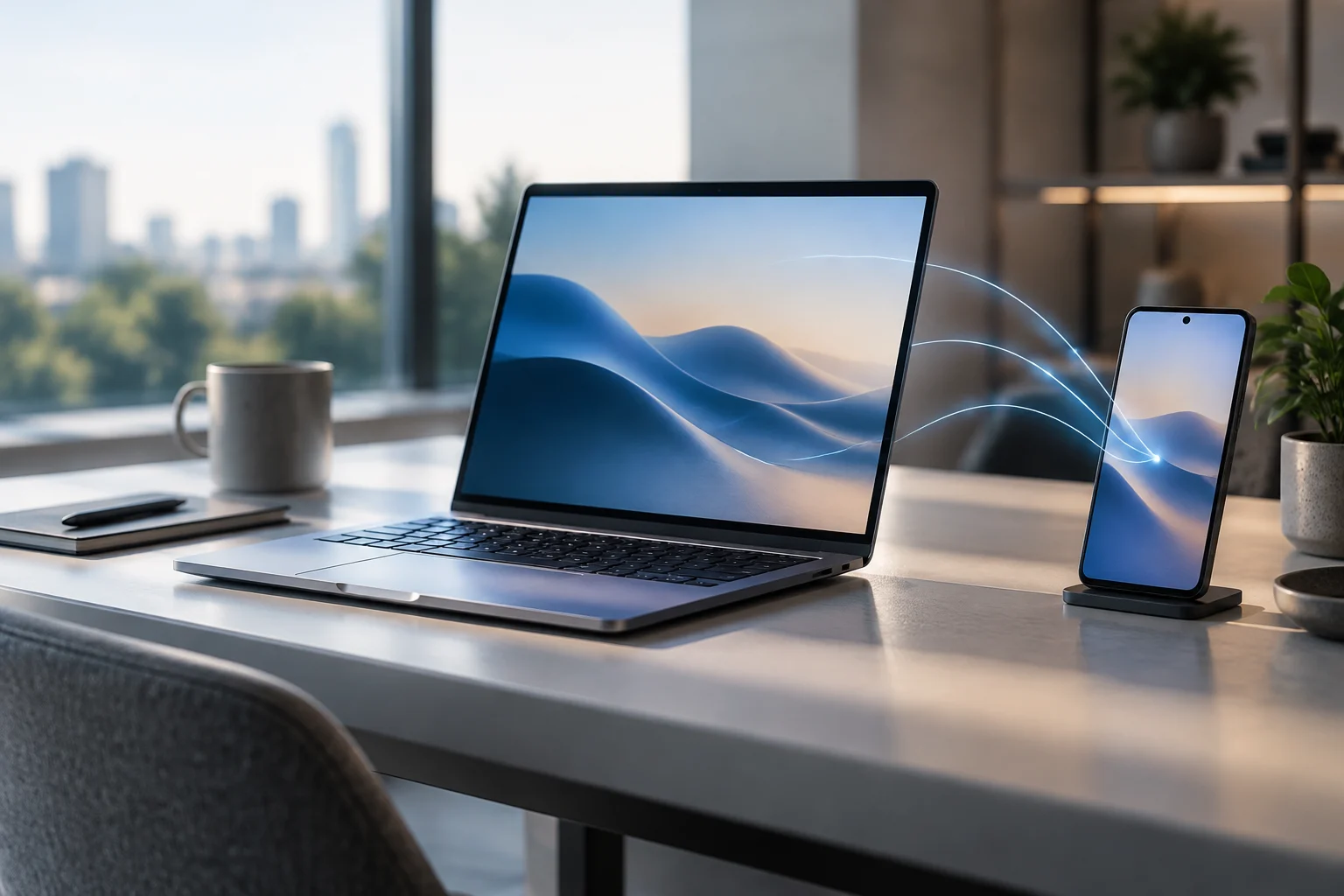
During setup, Googlebook can receive settings from the Android phone, saved passwords, Wi-Fi networks, and messages. Google states that this transfer is protected with end-to-end encryption. The company also presents features to continue activities started on the mobile and to consult files and photos stored on the phone from the laptop.
Continue On allows resuming tasks started on the phone on the computer. The Files app allows searching and opening files and photos from the mobile, while Cast My Apps displays phone applications in a desktop window. The announced integration gathers content access and cross-device continuity, according to Google's description.
These features can serve those who alternate between phone and computer during the day: for example, to continue an activity, locate a file, or use a mobile app from a desktop window. The specific utility will depend on the applications and features each person needs; the capabilities described by Google do not detail the compatibility of each individual application.
Gemini features and included services
Googlebook is designed for Gemini Intelligence and includes Magic Pointer, which allows invoking Gemini on what appears on screen; Rambler, which organizes dictated text into notes; and Create My Widget, which generates widgets from instructions in plain language. Google states that Magic Pointer acts when the user requests it and can be disabled. Artificial intelligence is part of the announced features, along with desktop tools.
Google announced twelve months of Google AI Pro, with 5 TB of cloud storage and higher usage limits for Gemini, plus three months of YouTube Premium and promotional access to other services, including Adobe Photoshop. The included periods have a defined duration and are not permanent subscriptions; before buying, it is advisable to review the terms applicable to the offer and the corresponding market.
The company also announces periodic updates for Googlebook OS for a maximum of ten years. This timeframe refers to the operating system and is a useful data point when comparing the communicated software support. It does not equate to the duration of a hardware warranty, which is not specified in the Googlebook announcement.
Manufacturers and announced specifications
Google identifies Acer, ASUS, Dell, HP, and Lenovo as manufacturers of the first devices in the category. For that selection, it lists touchscreens up to 2.8K OLED, Intel and Qualcomm processors, NPU units with more than 45 TOPS, and a battery life of up to 14 hours. It also mentions materials such as aluminum, magnesium alloy, and carbon fiber.
These are characteristics and maximums presented for the initial selection. The sheet for each model allows knowing its specific configuration: the maximum figures announced do not necessarily describe every laptop. The starting price, components, and options must be checked for the device offered in each market.
Google communicates a maximum battery life of up to 14 hours. This figure should be understood as the maximum announced by the company, not as an independent measurement or a guaranteed duration for all models and usage situations. Similarly, the screen resolution and NPU capabilities are expressed as maximums for the initial selection.
Applications, development, and security
Googlebook combines the desktop Chrome browser and its extensions with Android applications available on the Play Store. Google cites creative applications like Adobe Photoshop, Adobe Lightroom, and CapCut, as well as Android games and PC titles via GeForce NOW; the company announces one year of access to the latter service with each purchase. It also notes that many Android applications are optimized for large screens and keyboard and mouse use.
For developers, Google mentions Antigravity as a development platform with AI agents and a terminal environment to run tools. It also announces an isolated Linux environment via pKVM. These are options aimed at those who combine web, Android, and development tools, according to the features Google attributes to the system.
In terms of security, Google describes an architecture based on ChromeOS, with a Google Titan hardware root of trust, layered defense, and local malware detection. The announcement also mentions a pKVM hypervisor with level 5 security certification, which allows an isolated Linux environment. These are characteristics declared by Google for the platform and do not replace the review of permissions and security of the applications installed.
Price, markets, and purchase decision
The initial announced price is $899 US dollars. Google set the store arrival for October 4, 2026, in the United States and October 5 in Canada, the United Kingdom, Ireland, France, Germany, and Australia. These dates correspond to seven markets, but they do not constitute an updated local price or confirm the current inventory of each store.
Google presents a category of laptops connected with Android and designed for Gemini Intelligence; the initial devices are developed with Acer, ASUS, Dell, HP, and Lenovo. To compare options, it is useful to review the specific model: its components, screen, memory, storage, and price may vary between laptops. The general announced characteristics do not replace the sheet of the device being purchased.
Before choosing, it is advisable to check the price and configuration of the model in the corresponding market, as well as the necessary applications and the terms of the included services. The decision depends on the specific device and intended use: the announcement describes a category of laptops and names the manufacturers of the initial selection, but each configuration must be valued separately.