The state of rumors about new Kobo devices
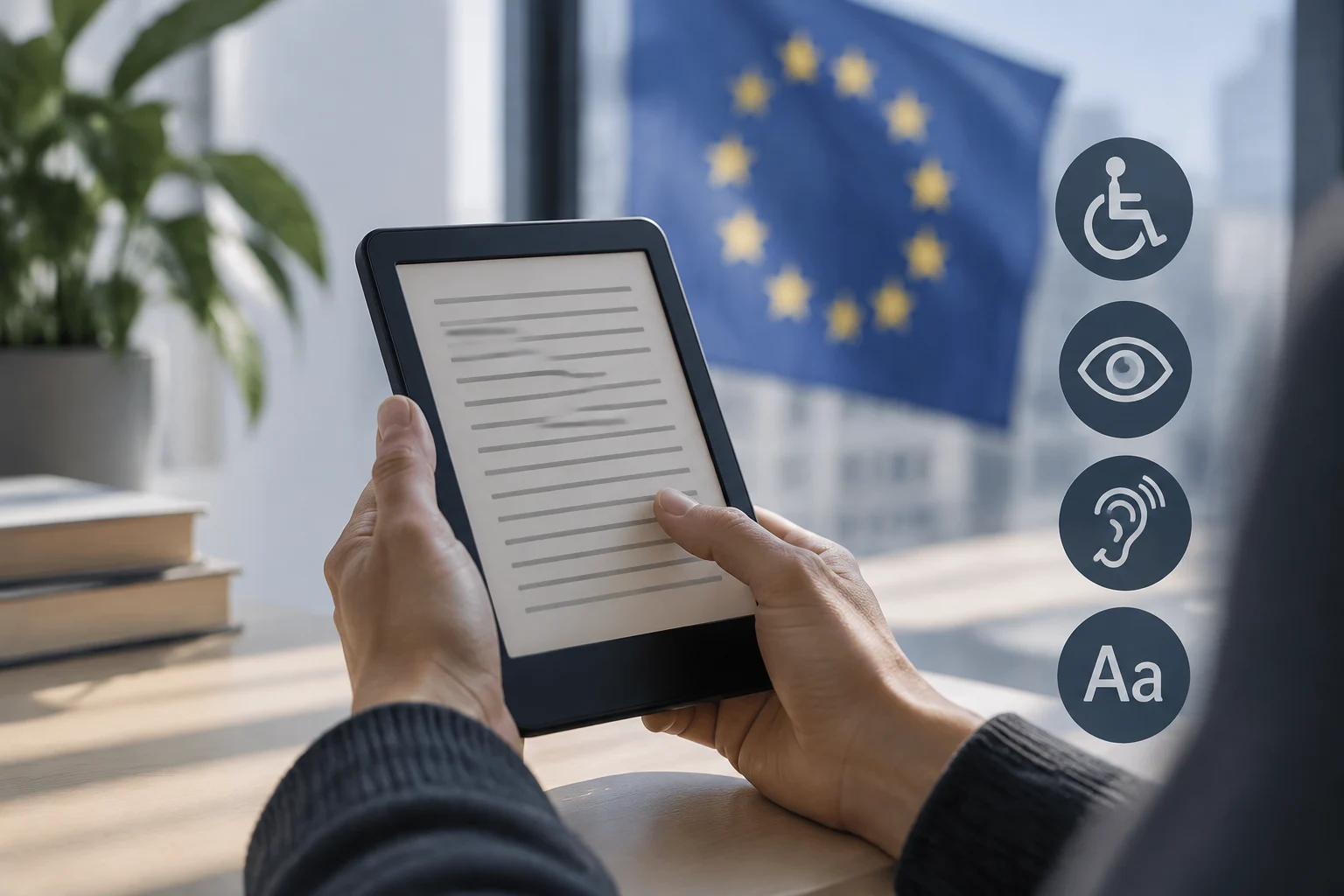
In the e-reader ecosystem, anticipation for new device generations is constant. However, upon reviewing available sources to date, there is no official announcement from Rakuten confirming the arrival of new Kobo models for late 2026. Information circulating on social media and specialized blogs is usually based on speculation or the natural renewal of product cycles, but lacks support from corporate press releases.
It is crucial to distinguish between the availability of current models and future launches. Secondary sources like TechRadar or Xataka keep their buying guides updated with existing devices, such as the Kobo Libra Colour or Clara Colour, but do not include technical sheets for unreleased models. Informational prudence is key: until Rakuten publishes official specifications, any data on screens, batteries, or prices of a hypothetical new generation must be treated as unverified.
Current technologies defining the market
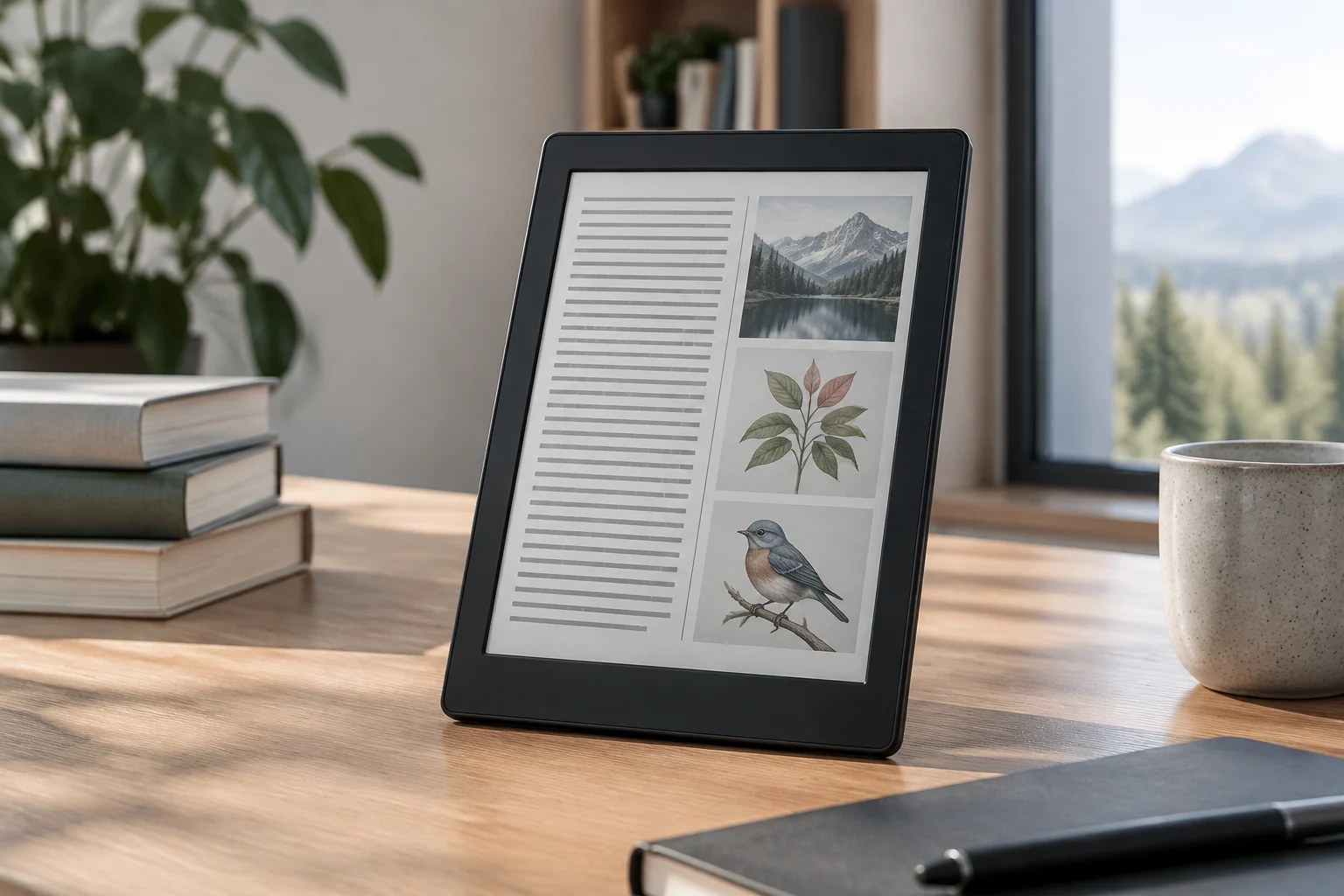
While awaiting the next generation, the current market in 2026 is dominated by the maturity of color E Ink technology. Devices like the Kobo Libra Colour have demonstrated that reading comics and magazines is viable, although the effective resolution of the color layer remains inferior to high-density monochrome panels. For most narrative readers, the black-and-white screen still offers superior legibility and lower energy consumption.
Battery life remains the strongest technical argument for e-readers against tablets. Thanks to the nature of e-ink, these devices allow weeks of continuous use on a single charge, even with front lighting active. This competitive advantage is fundamental for users who travel or prefer a reading experience without battery anxiety, a factor that LCD or OLED screens cannot match in efficiency.
Ecosystem comparison: Kobo vs Kindle
The choice between Kobo and Kindle is not just technical, but about the ecosystem. Amazon offers the world's largest ebook store, with over 13 million titles, and seamless integration with its Kindle Unlimited subscription service. In contrast, Kobo, backed by Rakuten, stands out for its openness to open formats like EPUB and its compatibility with public digital libraries, such as eBiblio in Spain, making it preferable for users who manage their library more flexibly.
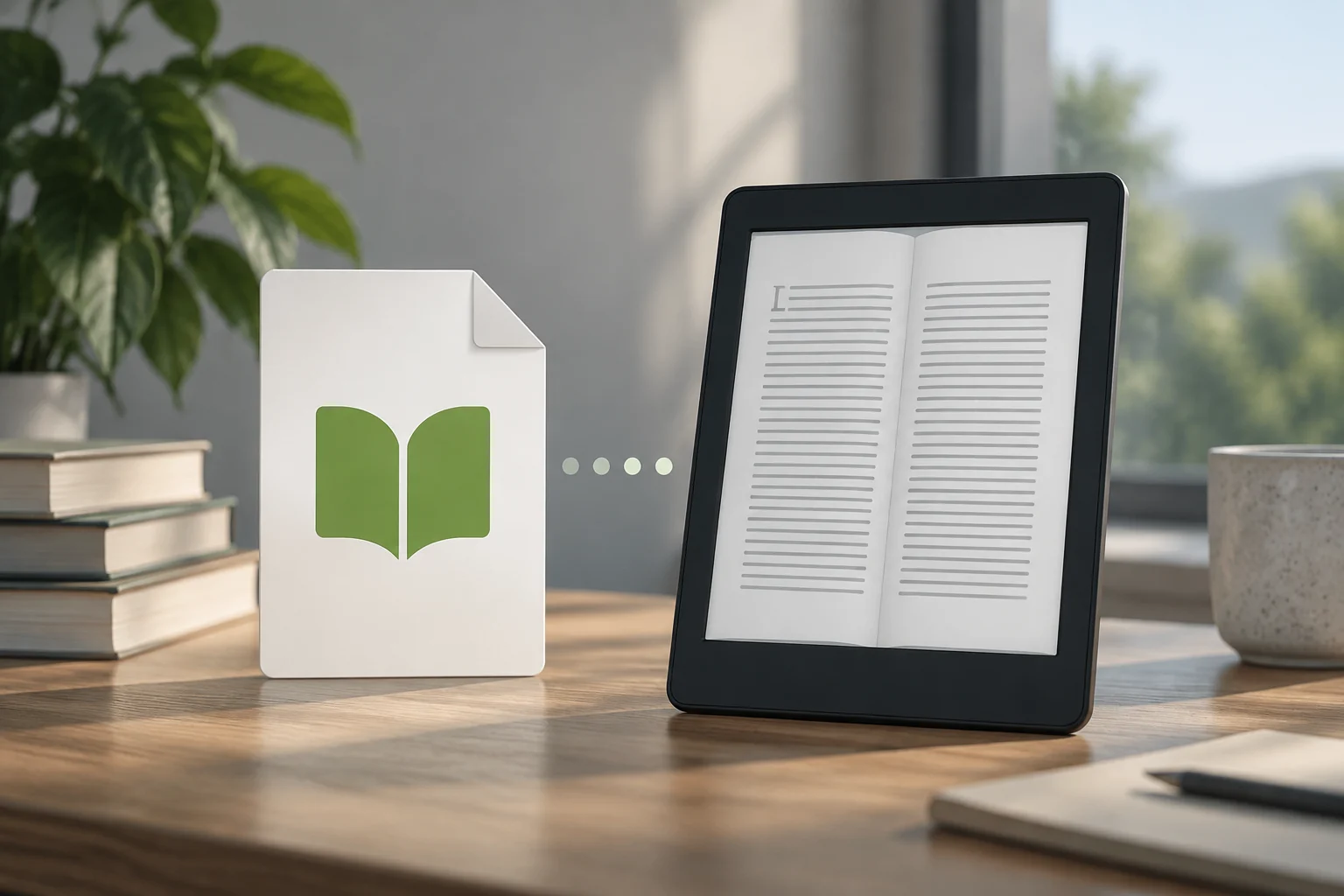
Interoperability is the main point of friction. Kindle devices use proprietary formats (AZW3/KFX) that, although Amazon allows EPUB conversion via email, maintain an exit barrier. Conversely, Kobo readers allow direct file transfer and app installation on some models, offering a freedom of management that attracts advanced readers and those who wish to avoid vendor lock-in from a single digital store.
Practical criteria for buying in 2026
Given the uncertainty about new launches, the purchasing decision should be based on the user's current needs. If the priority is reading novels in variable light conditions, a model with adjustable warm lighting and a 6 to 7-inch screen is the gold standard. For those who consume visual content, investing in a color panel is justifiable, but one must accept the compromise of slightly inferior text resolution compared to high-end monochrome models.
Price is also a determining factor. In 2026, the entry-level range is around 100-150 euros, while premium models with additional features like pen support or larger screens exceed 200 euros. Device amortization depends on reading frequency: if more than 10 books are consumed per year, the savings on buying ebooks versus their physical version can offset the initial investment in a few months.
Conclusion: wait or buy now
Since there is no official confirmation of new specifications for Kobo in late 2026, the practical recommendation is to evaluate whether the current device or the model available on the market meets reading needs. Buying now is viable if a device is required immediately and the current model offers desired features, such as water resistance or stable Wi-Fi connectivity.
Conversely, if the user expects specific improvements in color technology or AI integration for recommendations, waiting for an official announcement could be the most prudent strategy. The e-reader market is stable and renewal cycles are long, so current technology remains more than sufficient for the vast majority of regular digital readers.