The question is not how many robots are promised, but how many are made
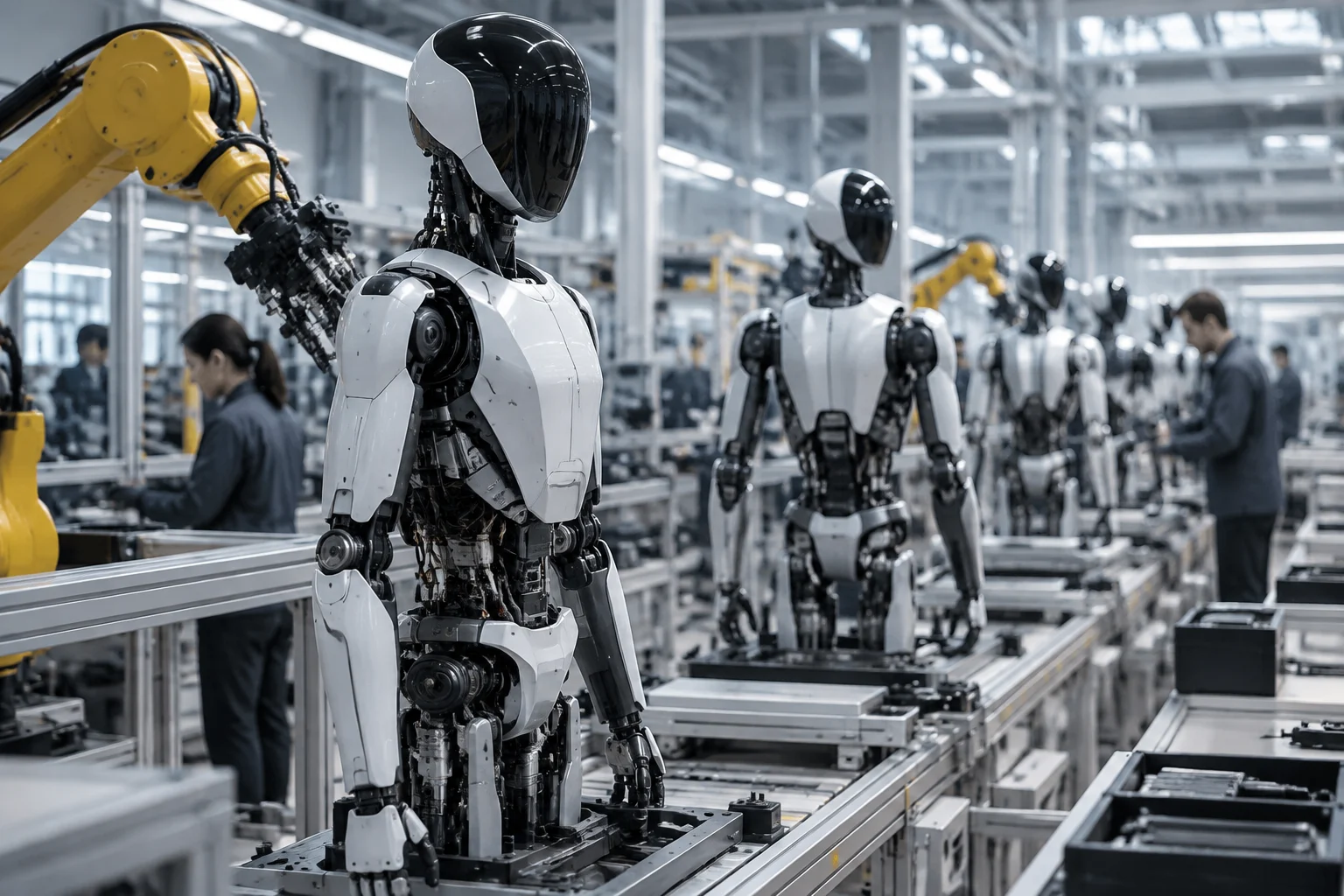
In humanoid robotics, production at scale can mean several different things: an announced target, a prepared line, a first assembled unit, or a sustained flow of robots that pass inspections and leave the factory. These are not equivalent forms of evidence, and conflating them creates a misleading picture of industrial maturity.
The material available for this profile does not identify a specific manufacturer with accessible primary documentation about its facilities, processes or production volumes. It is therefore not possible here to attribute actual manufacturing capacity to a company or present as a verified achievement a figure found in a social-media post or a news story without primary documentary support.
The editorial conclusion is deliberately narrow: the evidence provided cannot verify humanoid production at scale. That does not prove that no manufacturer is scaling up; it means that making the claim precisely requires direct sources, dates, scope and criteria that the information gathered does not provide.
What counts as industrial evidence
A corporate statement can document an intention or target, but by itself it does not demonstrate a result. To assess a claim about scale, it is necessary to ask what was produced, during what period, at which facility and according to what definition: complete units, prototypes, components and workstations are not interchangeable measures.
The most useful evidence connects units and time period to an identifiable facility and a specific process stage. For instance, a cumulative figure should clarify whether it counts finished robots, validation units or equipment built for internal testing. It should also specify whether it describes nominal capacity or production already completed.
It helps to distinguish three levels of claim: a future plan, installed capacity and production actually reported. An opened factory or unveiled line may support the claim that infrastructure exists; it does not automatically prove that the line operates at the announced rate, sustains that rate over time or produces units that meet comparable quality standards.
To assess the account, an investigation should prioritize corporate documents with verifiable details, facility records, dated announcements and technical documentation. A social-media post or secondary story may provide leads for locating the original claim, but should not become the sole basis for a conclusion about industrial volume.
The stages a production figure can conceal
A humanoid robot combines mechanical components, actuators, sensors, cameras, batteries, electronics and computing hardware. Without a description of the supply chain and the operations performed at the plant, the word manufacturing may cover anything from final assembly of purchased parts to in-house production of complex assemblies. The scope must be explicit before manufacturers can be compared.
A rigorous assessment would ask which operations are documented: machining or part fabrication, joint assembly, wiring and sensor integration, software installation, calibration, functional validation and preparation for shipment. These do not all have to take place in one factory; the key is to distinguish in-house stages from outsourced ones and avoid presenting final integration as complete manufacturing.
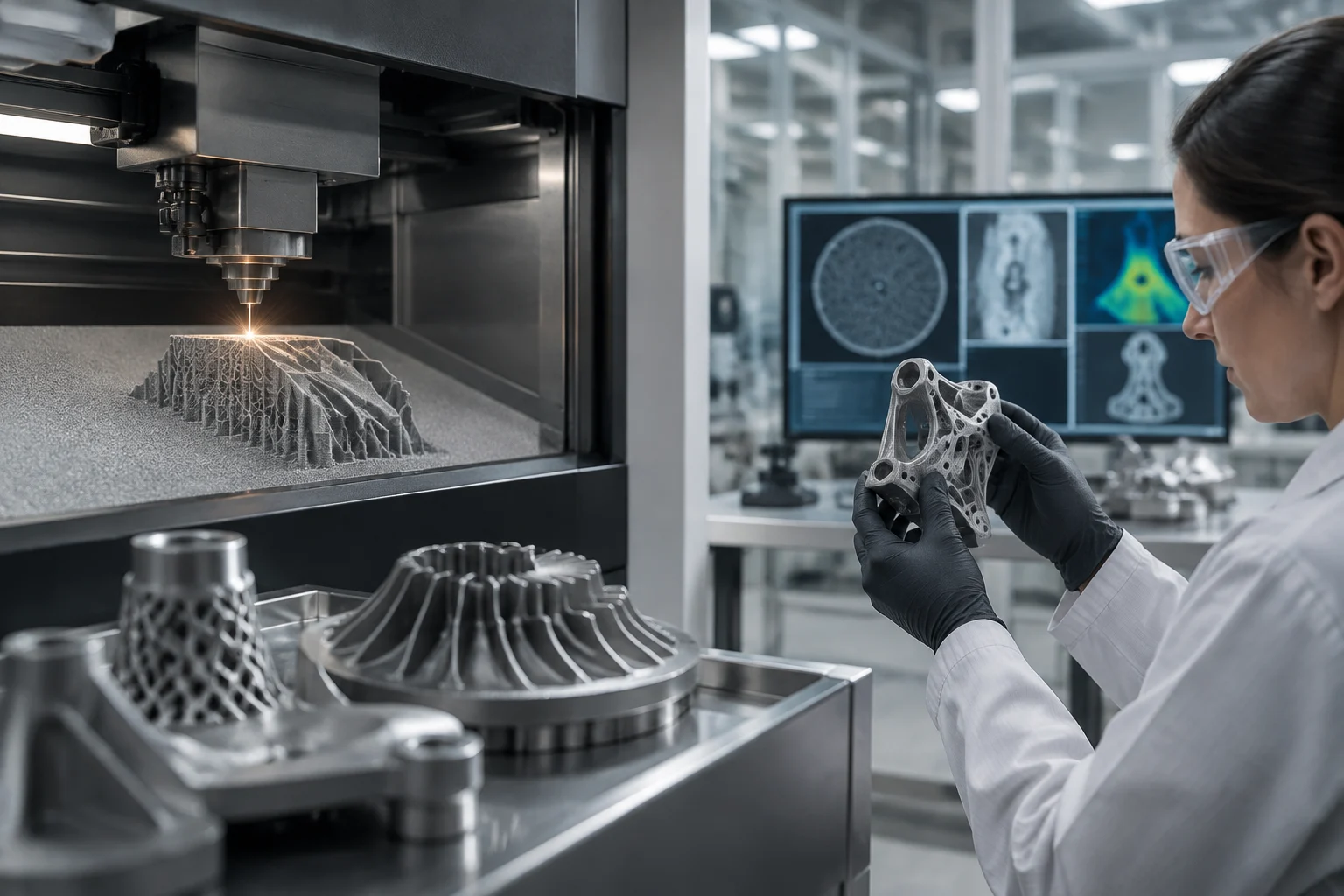
Inspection is also part of production capacity. A high number of assembled units does not, by itself, show how many passed testing or how many needed rework. To judge repeatability, relevant information would include acceptance criteria, checks at each stage, component traceability and data on defects or returns, where the company publishes them.
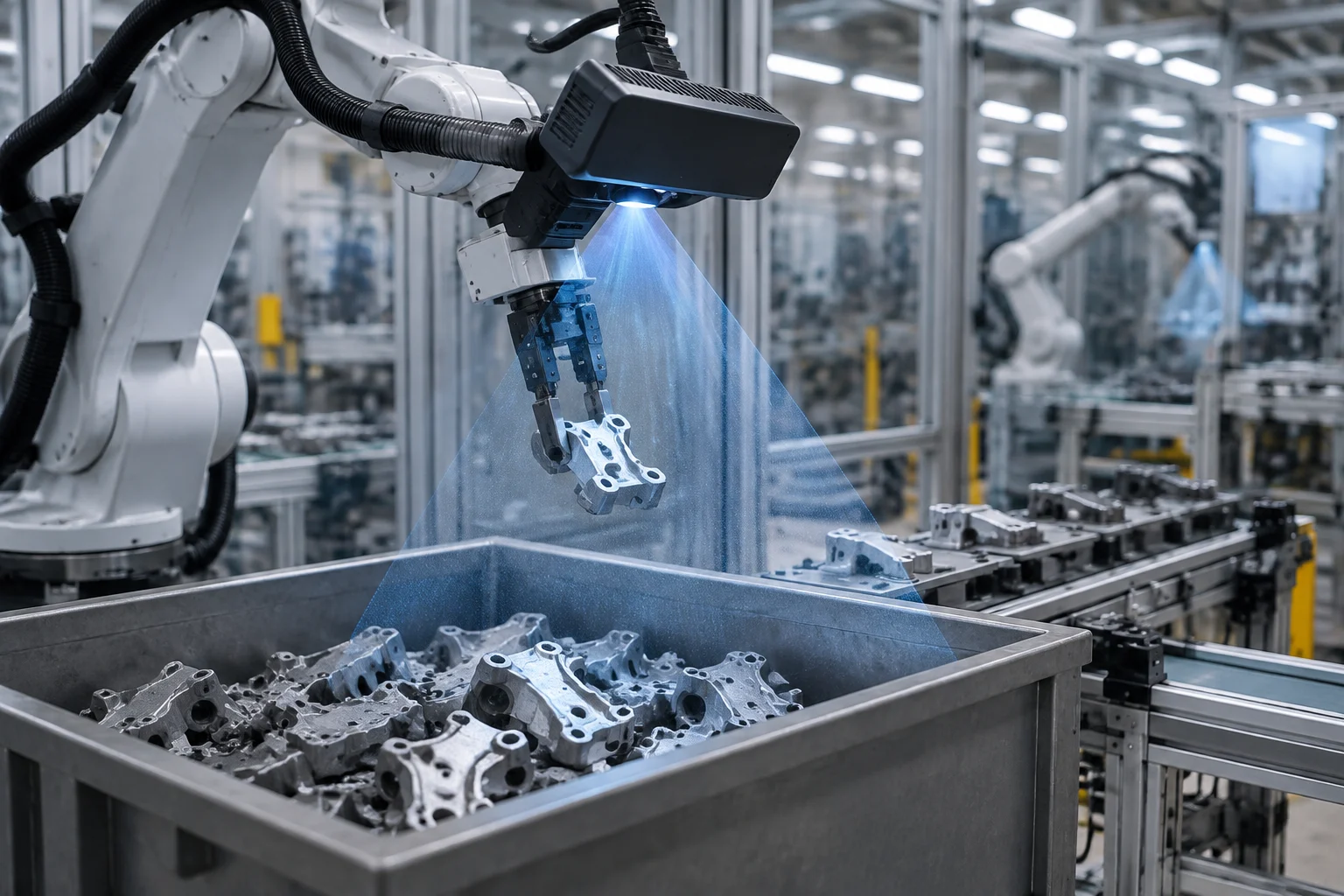
The available documentation includes general examples of industrial quality control, such as camera-based visual inspection and image analysis to detect anomalies. These materials illustrate one possible technique; they do not prove that a particular humanoid manufacturer uses it. The distinction between a general industrial capability and a process confirmed for a specific product must be preserved in the text.
Targets, rates and reported production
Production figures need a time context. “One robot per hour” might describe a target rate, a line’s theoretical capacity or a rate achieved over a defined interval; without the original source, date and definition, it is impossible to know which interpretation applies. The number alone is not enough to validate a claim of scale.
The information gathered includes an Instagram post attributing a rate of one humanoid robot per hour to Figure. The excerpt provided does not cite primary documentation that would confirm the figure, when it was measured, where, for how long the rate was sustained or whether it refers to finished robots. It is therefore not presented as verified production.
Comparisons between figures also fail when one company discusses annual capacity, another units manufactured and a third deliveries. A responsible comparison normalizes at least the period and the stage being counted; if those details are unavailable, the correct conclusion is that the measures are not comparable, not that one manufacturer is ahead of another.
The denominator matters too: a unit figure may count prototypes, pilot batches or commercial machines. Before using it to argue that a shift to mass production has taken place, it is necessary to establish whether it represents a repeatable series and what proportion reaches customers, remains in testing or is used for validation.
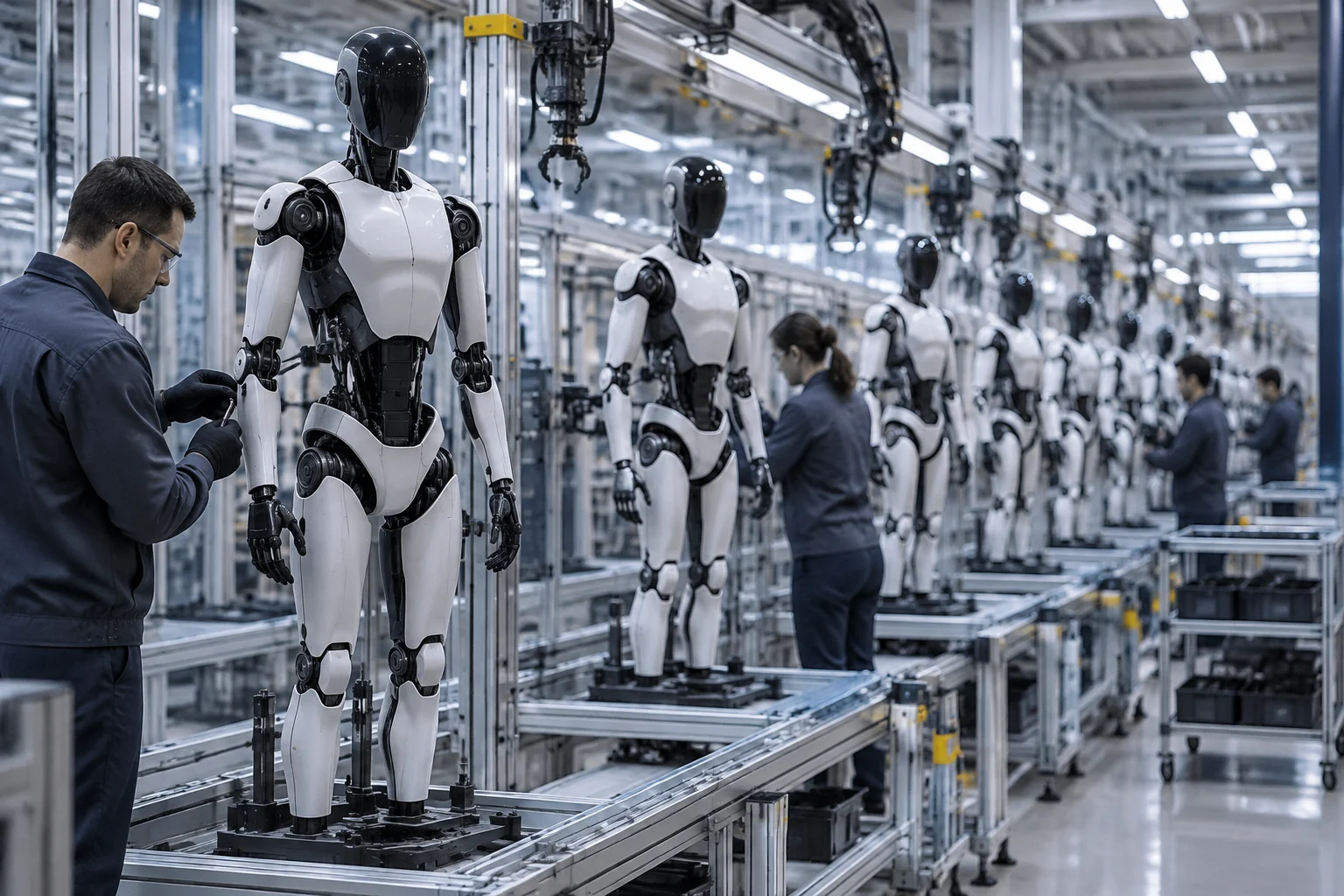
The challenge of scaling goes beyond the assembly line
Increasing assembly rates may require coordination among suppliers, component availability, consistent tolerances, calibration tools and staff capable of maintaining processes. Integration is a systems problem: having a part available does not guarantee that the whole unit will work repeatably or that the supply chain can sustain deliveries at the announced rate.
The quality of precision components depends on materials, processes and controls suited to each application. Industrial pages about machining or inspection describe general practices, but their specifications cannot automatically be applied to a humanoid manufacturer. Making that connection requires evidence from the supplier, the robot manufacturer or technical documentation that identifies the part and its function.
Outsourcing does not, in itself, invalidate production capacity. It does change what “manufactured by” means: it may describe design and integration while external suppliers produce motors, gearboxes, sensors or structural parts. A sound profile should report that division if it is documented and make clear when the supply chain has not been disclosed.
In this case, no primary sources have been provided that detail which components of a particular humanoid are made in-house, which are purchased, who the suppliers are or what controls are applied. That gap limits the scope of the profile, but it does not allow us to infer that those processes do not exist.
How to read announcements without turning them into results
Independent coverage can add context and report statements, but it does not automatically replace the source of a figure. A news story quoting a target can help locate it; verification requires the announcement, document or direct confirmation that specifies its meaning and timing. If that support is unavailable, attribution must remain visible and the figure must not be presented as an established fact.
Market reports provide another kind of information: aggregate estimates and forecasts. They do not necessarily measure how many humanoids a company manufactured or establish that a plant reaches a specific production rate. Market size and actual production are different questions, with different methods and sources.
A practical checklist for future announcements:
- Does the claim come from the manufacturer or from a source that clearly identifies where it originated?
- Is the figure a target, nominal capacity or units already produced?
- Does it identify the facility, period, unit definition and process stage?
- Is information available about inspection, acceptance, deliveries or sustained production rates?
- Does it distinguish the manufacturer’s own work from work performed by suppliers?
If these details are missing, it is possible to report that a company announced a target or that a secondary source attributed a figure to it, provided the attribution and caveat are clear. That wording should not be turned into “the company manufactures” or “the industry is already producing” without corroboration.
What the available evidence allows us to conclude
With the sources provided, it is possible to explain why prototypes, plans and industrial capacity should be distinguished; it is not possible to write a profile of a plant or verify a humanoid production volume. No primary documentation was provided from a manufacturer describing facilities, manufacturing stages, quality controls or units actually produced. The thesis must remain limited to this lack of verification.
The social-media post mentioning Figure and a rate of one unit per hour is a lead, not sufficient proof. Coverage of markets, components or general inspection does not fill the gap either: it concerns broad categories or industrial practices that are not documented as being connected to the production of a particular humanoid model.
To turn this piece into a profile of a specific operation, the next step would be to find a primary source from the manufacturer and check the announcement against data with explicit dates and definitions. If the company does not disclose figures or processes, that lack of transparency can be described as a limit on what is known—not as evidence that production does not exist or that industrialization has failed.
The useful response, then, is not to select a striking figure, but to ask for the context that makes it interpretable. Scale means repeatable, verifiable production, not merely a target, an announced facility or an assembled unit. Until sufficient direct evidence emerges, caution is the soundest conclusion.