The Confirmed Figure: $25 Billion
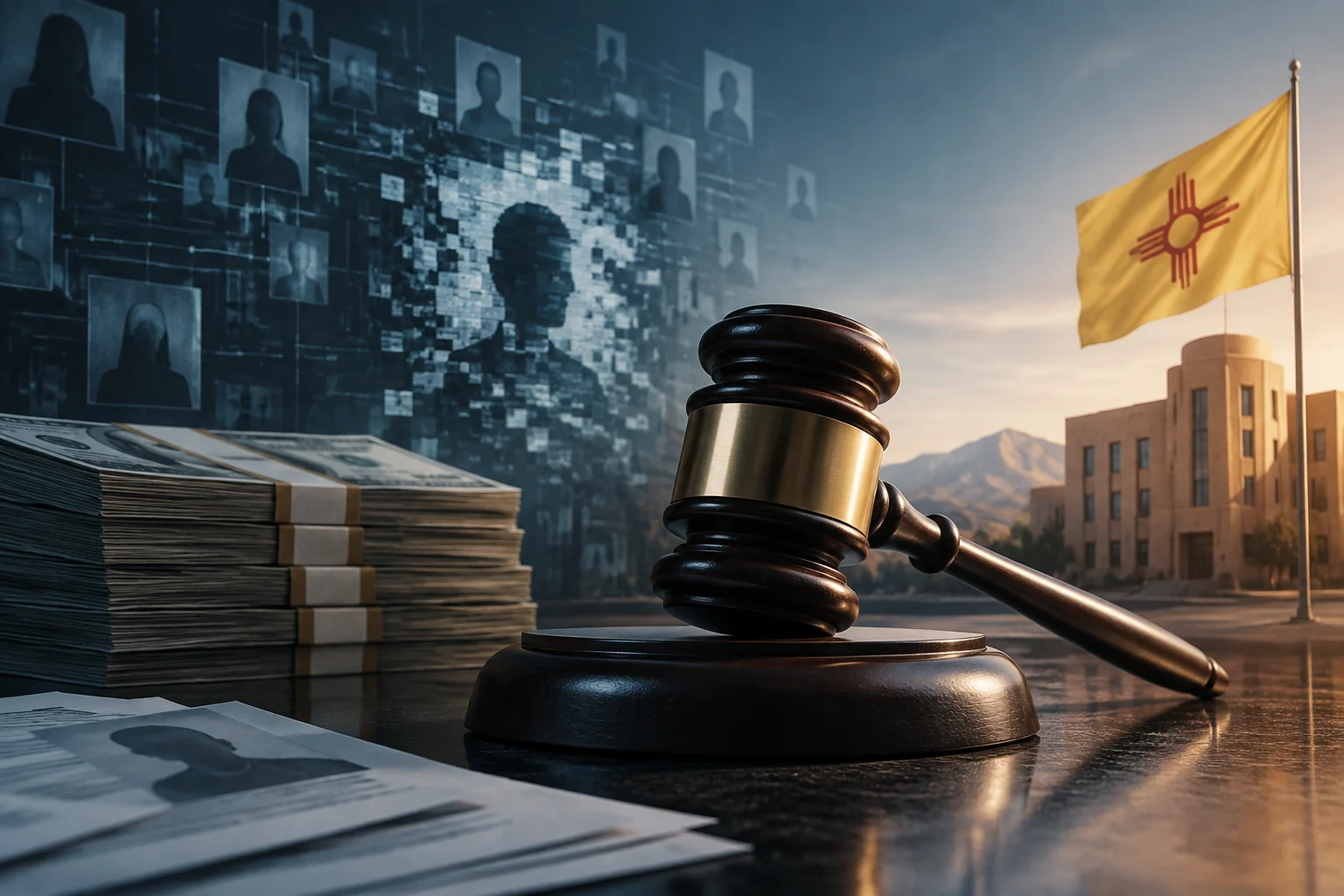
Judge Francis Mathew of Santa Fe County ordered on Wednesday, October 21, 2026, that Meta Platforms pay $25 billion to the state of New Mexico. This figure, revealed in a court filing, represents the largest civil penalty ever imposed on a company in the United States, exceeding the initial requests of the special prosecutor who sought between $35 billion and $40 billion.
The verdict is based on Meta's liability for 26 false or misleading statements regarding user privacy. According to the jury, the company committed more than 43 million violations of the New Mexico Unfair Practices Act, with a maximum penalty of $5,000 per violation. Attorney General Raúl Torrez described the ruling as an unequivocal message to Silicon Valley, although he warned that funds could remain frozen if Meta files an appeal.
The Origin of the Case: Cambridge Analytica
The judicial conflict has its roots in the Cambridge Analytica scandal, the British consultancy that obtained data from approximately 87 million Facebook profiles without consent via a third-party personality test. This data was used to generate targeted political advertising, including for Donald Trump's 2016 presidential campaign. The New Mexico case specifically focuses on how Meta deceived users about data protection after this breach was revealed.
The court determined that Facebook did not conduct the thorough investigation it promised users after the Cambridge Analytica revelations. Special prosecutor Randi McGinn argued that the company lied to obtain intimate user information and then sold that data. The jury assigned 2.1 million violations to each statement that appeared in major news media and 1.4 million to statements made through the company's direct channels, reflecting the estimated population of New Mexico.
Practical Consequences for Users
For users of Facebook, Instagram, and WhatsApp, this ruling does not imply immediate changes in platform functionality, but it establishes a significant legal precedent regarding the liability of tech companies. The fine will be allocated, according to the New Mexico Constitution, to state spending on education, which Torrez described as potentially funding school construction for the next 100 years.
Unlike other recent sanctions, this verdict focuses on data protection and transparency, not on platform design for minors. However, it adds to a series of legal actions in New Mexico, including an August 2026 order for Meta to pay $567 million for harms to children's mental health and implement platform reforms. This indicates a comprehensive state strategy to hold Meta accountable across multiple fronts of harm.
Regulatory Framework and Comparison with Other Sanctions
The $25 billion fine is set against a US regulatory landscape where states are taking a more active role in overseeing big tech. Unlike the European Union, which has the GDPR and has imposed significant fines on Meta, the US lacks a comprehensive federal privacy law, leading states to use consumer protection laws like New Mexico's.
It is important to distinguish this sanction from other recent ones. In March 2026, a New Mexico jury ordered Meta to pay $375 million for endangering children. In August 2026, Judge Bryan Biedscheid ordered an additional $567 million payment and structural reforms in Facebook and Instagram to protect minors. The sum of these sanctions, along with the current one, reflects sustained judicial pressure that could influence how companies design privacy policies nationally.
Current Situation and Next Steps
The October 21, 2026 ruling is the latest in a series of judicial decisions against Meta in New Mexico. Meta has indicated it will appeal the decision, which could delay the payment of the fine and keep funds frozen during the appeal process. The case remains active, and the company is expected to present its arguments before a higher court in the coming months.
For users, the practical recommendation is to maintain active monitoring of the privacy policies of the platforms they use. Although this fine does not directly change the user experience, the legal precedent could lead Meta to implement stricter data protection measures nationally. New Mexico users, in particular, can expect the fine funds to be directed toward improvements in the state education system, provided the appeal does not reverse the ruling.