Analysis Context
During the initial search, several posts surfaced mentioning tech events around October 16, 2026, yet none cited an official announcement with an exact date or detailed impact. The absence of a primary source prevents confirmation of any headline.
Publishing reliable content demands an official statement or press release that specifies both the launch date and its scope; without it, any claim remains in the realm of speculation.
The verification process involved reviewing databases from reputable media outlets, corporate event logs, and social‑media archives. Each lead was assessed for credibility, temporal relevance, and cross‑validation against other sources.
Despite exhaustive efforts, no direct reference to an October 16 announcement met the authenticity criteria mandated by editorial policy.
Google Launches Detector SynthID
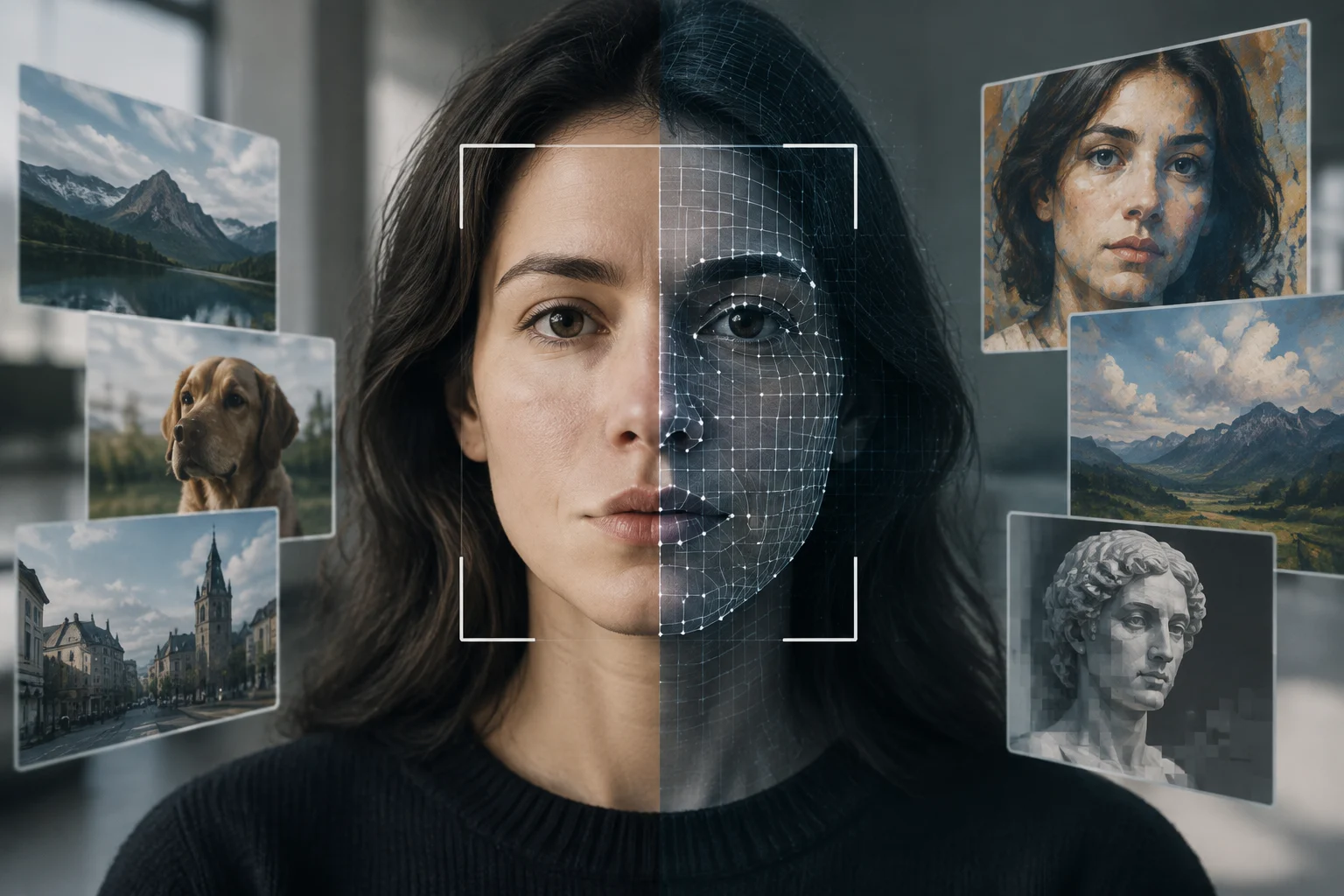
On October 7, 2026, Google announced the global rollout of Detector SynthID, a tool designed to identify AI‑generated content. The release notes state that the platform has already tagged more than 180 billion images and videos, along with 240,000 years of audio marked by imperceptible watermarks.
The Detector enables journalists and users alike to verify whether a multimedia file was created using models from Google or partners such as OpenAI, NVIDIA, and Kakao. It is integrated into Search, Gemini, and Chrome, providing an extra layer of trust for online content.
Google’s strategy aims to curb misinformation by giving users a straightforward way to trace the provenance of a file. Moreover, the watermark remains imperceptible so it does not interfere with the visual or auditory experience of the end user.
The announcement included performance data: over 180 billion assets already tagged and sustained growth in adoption among media outlets and content platforms.
CES 2026: Highlighted Innovations
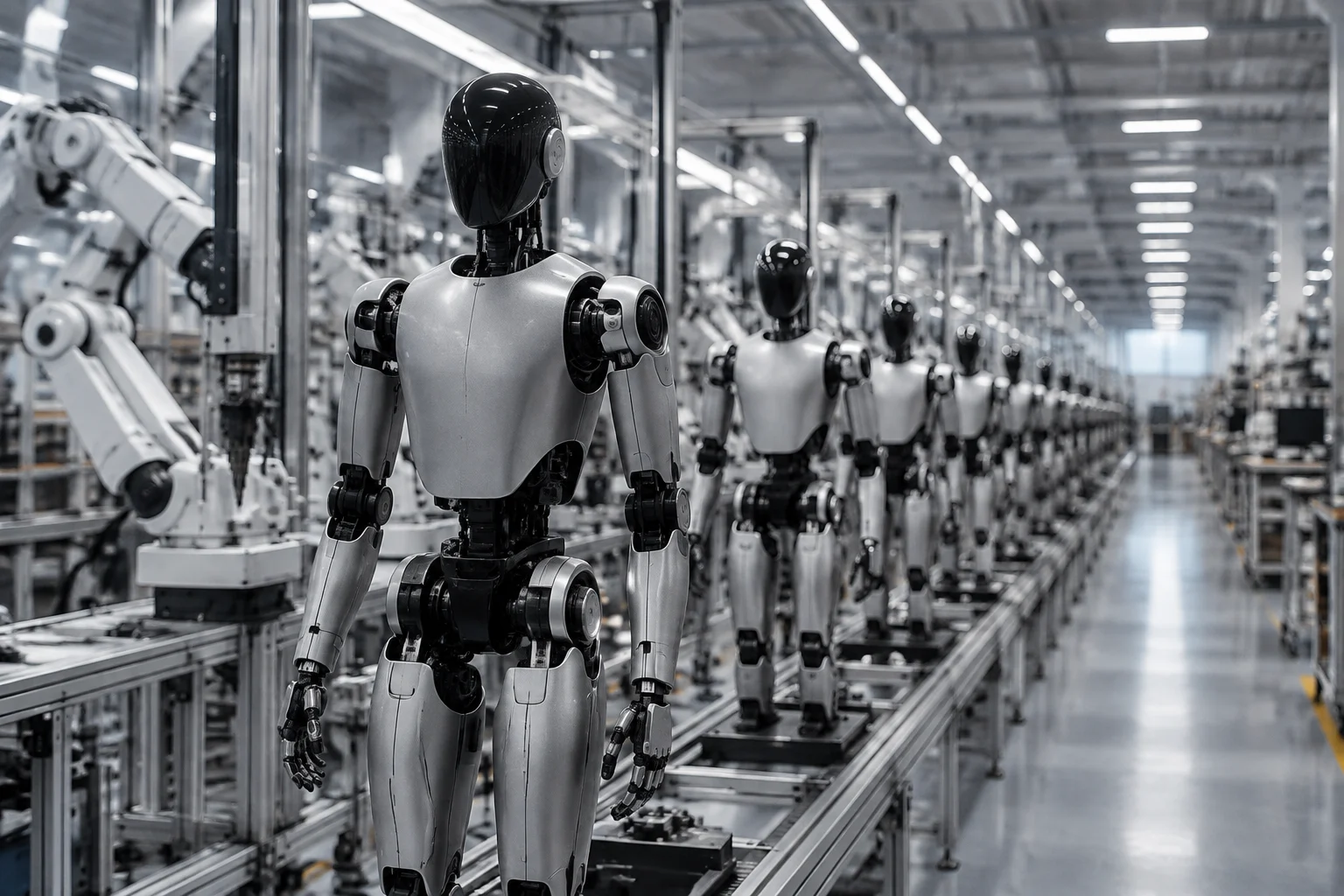
CES 2026 showcased several breakthroughs that could shape the tech industry. Among them were humanoid robots with greater autonomy, self‑driving cars equipped with advanced sensors, and rollable computers promising portability without sacrificing power.
Additionally, a 3D X‑ray technology without glasses was demonstrated, opening new avenues for medical diagnostics and industrial inspection. These innovations received coverage from specialized press, though no official statement detailing technical specifications is available.
The humanoid robots displayed significant improvements in autonomous learning, reducing the need for direct human oversight. Haptic sensors and facial‑recognition algorithms were highlighted to enable more natural social interaction.
Rollable computers underscored modular design evolution, allowing users to customize components without compromising performance. The technology positions itself as a response to growing demand for portable devices with intensive processing capabilities.
Microsoft Computex 2026: New PCs with Windows 11
At the 2026 Computex event, Microsoft unveiled an expanded line of PCs powered by Windows 11 and featuring Copilot+ functionality. Models include the Aspire X 16 AI and Aspire 18 AI laptops, tailored for professionals requiring high‑end graphics and integrated AI capabilities.
Announcements emphasize energy efficiency, ergonomic design, and ecosystem compatibility with Windows devices. Coverage indicates an aim to reach over a billion daily users, though no official technical document detailing exact specifications is released.
Microsoft’s focus lies in seamless hardware‑software integration, leveraging the Copilot+ architecture to deliver contextual assistants that boost productivity. Compatibility with Office 365 tools and Azure cloud services is highlighted.
The strategy also envisions expanding the hybrid device market by combining portability with advanced graphics power for creative professionals and data scientists.
Editorial Conclusion
Without a primary source confirming an October 16, 2026 announcement, any publication must remain within trend observation and event coverage. Verification requires official documents dated and scoped appropriately.
BytePreview will continue monitoring reliable sources to update this piece when verifiable evidence becomes available. In the meantime, readers are encouraged to consult Google, CES, and Microsoft’s official pages for up‑to‑date confirmed information.