Official Arrival of the 2026 Lineup in Spain
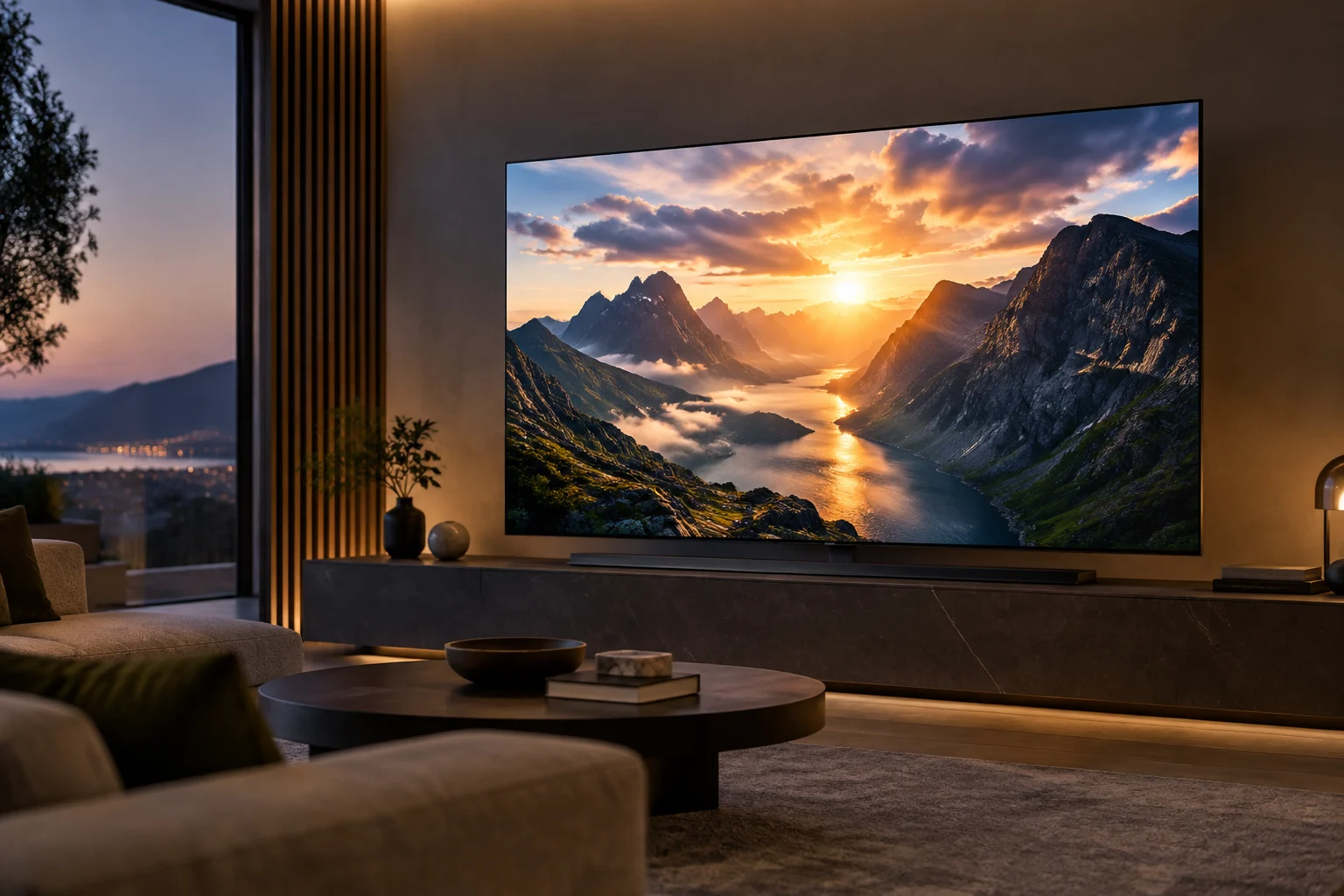
Samsung Electronics has confirmed the launch in Spain of its complete 2026 television catalog, a strategic move that consolidates the brand in its twentieth consecutive year as the global sales leader. This decision reinforces the company's presence in the European market, ensuring that local consumers simultaneously access the latest innovations presented globally.
The lineup covers a broad spectrum of needs and budgets, from flagship Micro RGB and OLED models to Neo QLED, Mini LED, Crystal UHD, and The Frame lines. This diversification allows Samsung to cater to different user profiles, from high-fidelity enthusiasts to households seeking a balanced upgrade in image and connectivity without compromising manufacturing quality.
This expansion is not only quantitative but deeply strategic: the company seeks to integrate artificial intelligence as the central axis of the user experience. According to the official statement, the goal is for AI to cease being an isolated function or mere accessory, becoming instead the layer that coordinates image, sound, and content interaction in real time.
By positioning AI as the operational core of the television, Samsung redefines the device's role in the home. It is no longer just about reproducing signals, but dynamically managing the visual and auditory experience, adapting each technical parameter to the environment's conditions and the viewer's individual preferences in a continuous and automatic manner.
Micro RGB Technology: Beyond Mini LED
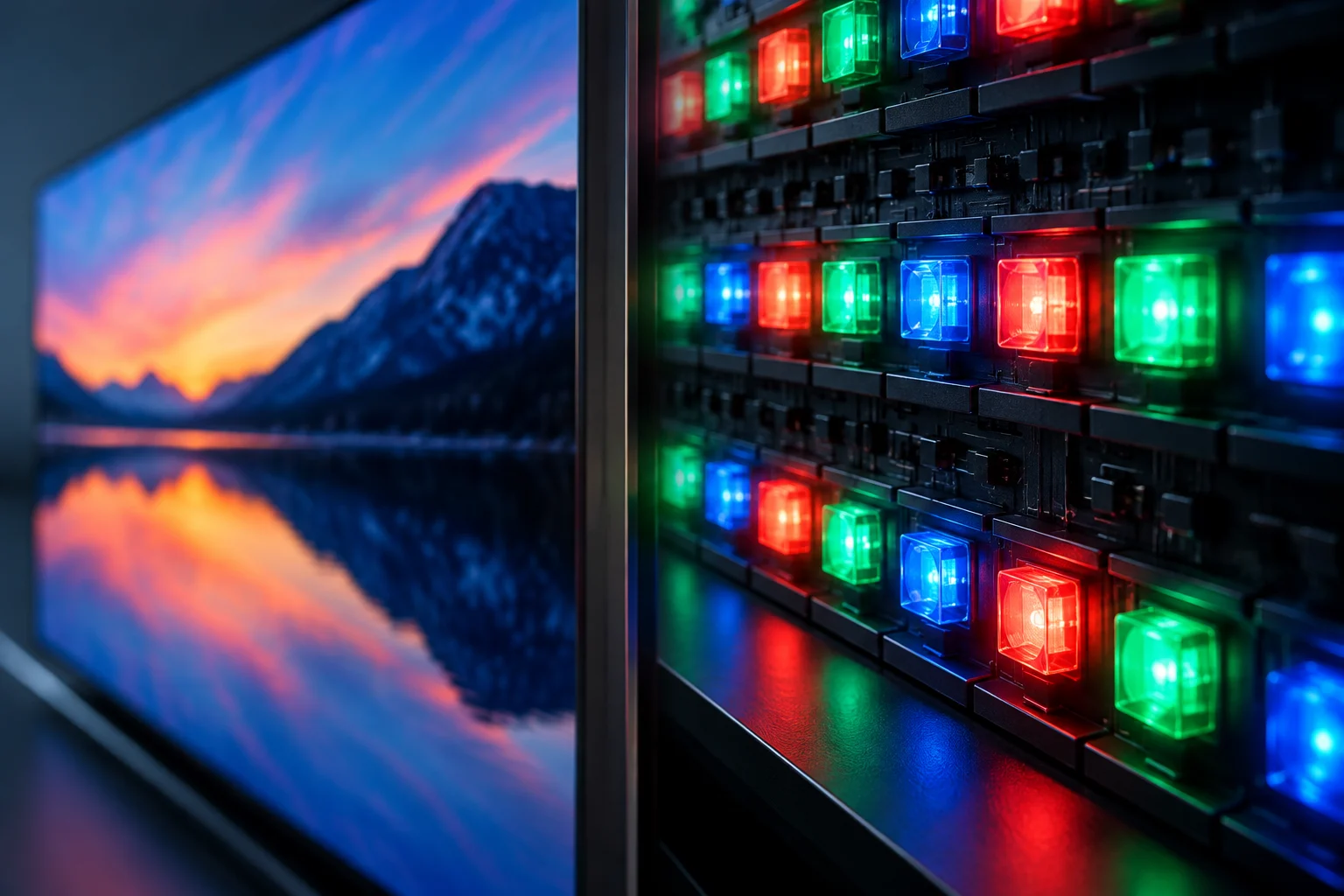
The term Micro RGB designates Samsung's new flagship category, initially presented in 2025 and significantly expanded for 2026. Unlike traditional Mini LED TVs, which use blue or white backlighting with quantum dots, Micro RGB panels integrate microscopic red, green, and blue LEDs directly into the light source.
This architecture allows for more precise color control and greater chromatic purity, bringing LCD panel performance closer to OLED in terms of contrast and color fidelity. By generating the three primary colors independently in the backlight, reliance on filters and intermediate sheets is reduced, improving energy efficiency and perceived brightness intensity.
While maintaining the brightness and durability advantages of LCD technology, the Micro RGB system aims to close the gap with organic screens. It is not MicroLED, but an evolution of backlighting that seeks to differentiate itself in the premium segment without relying on organic pixels, offering a robust alternative for environments with abundant natural light.
The technical distinction is crucial for the informed consumer: while MicroLED implies individual self-emissive pixels, Micro RGB optimizes the rear light source. This approach allows Samsung to compete in the luxury segment by offering superior stability and a longer lifespan, characteristics that OLED panels are still refining in terms of long-term degradation.
Specifications and Available Sizes
The 2026 Micro RGB lineup is primarily divided into two models: the R95H and the R85H. The R95H is available in 115, 100, 85, 75, and 65-inch sizes, while the R85H offers 85, 75, 65, and 55-inch options. This range of formats allows the cinematic experience to be adapted to different spaces, from home cinema rooms to standard living rooms.
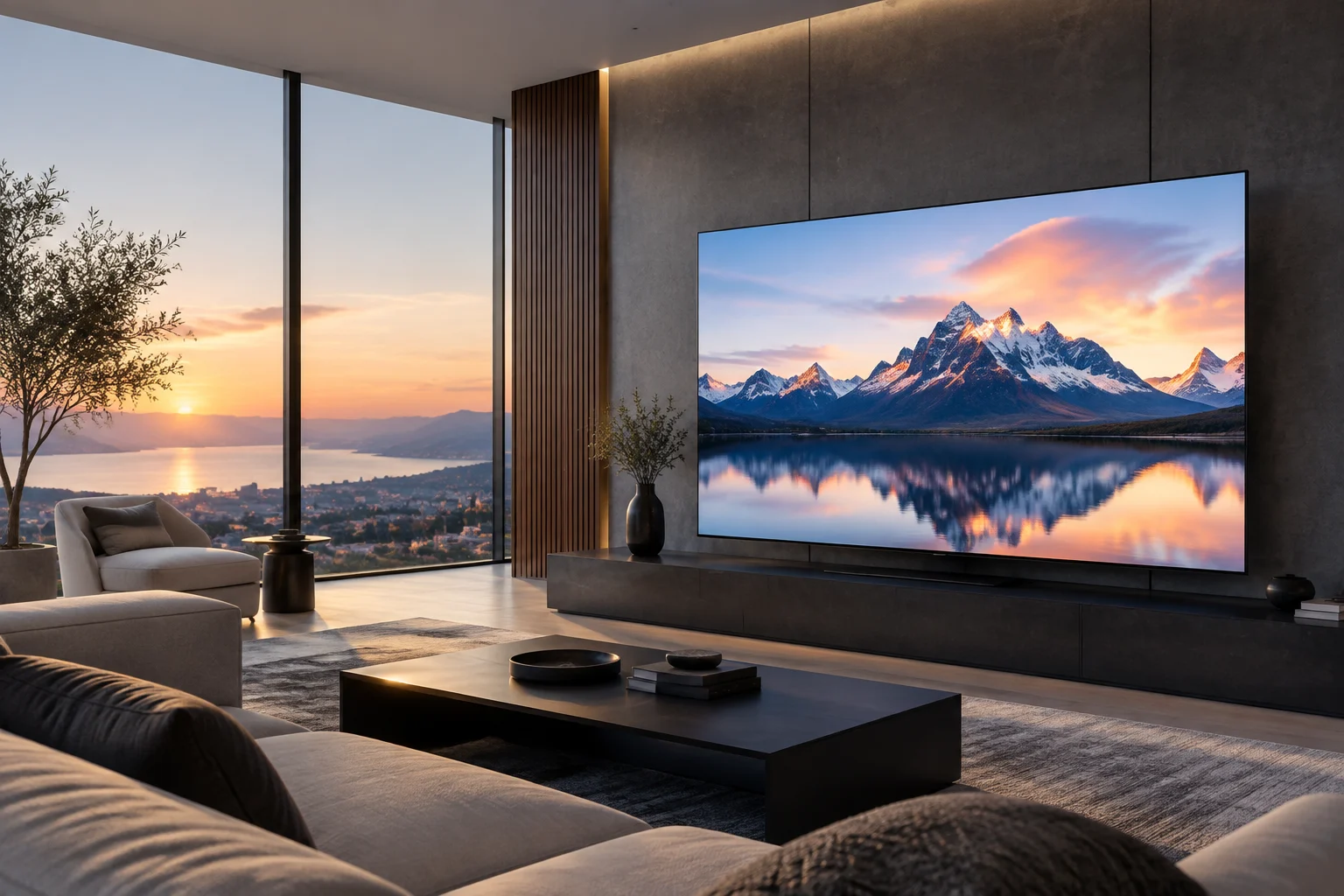
The availability of large-format screens, especially 100 and 115-inch models, responds to the growing demand for immersive experiences at home. These giant sizes transform the perception of space, offering visual immersion previously exclusive to commercial cinemas, provided the user has adequate viewing distance.
Both models incorporate Glare Free technology, which minimizes reflections to maintain color and contrast accuracy under different lighting conditions. This feature is fundamental for large-size TVs, where reflections from windows or artificial lights often significantly degrade the perceived image quality.
Additionally, they include advanced audio functions such as Dolby Atmos, Adaptive Sound Pro, and the new Eclipsa Audio system, designed to offer a multidimensional sound experience without external soundbars. Integrating high-quality audio into the panel itself ensures perfect synchronization between image and sound, eliminating latency and installation complexity of external equipment.
Vision AI Companion: AI as Central Assistant
One of the most significant novelties of the 2026 lineup is the extension of Vision AI Companion (VAC) to all 4K and higher TVs. This multi-agent platform integrates assistants like Bixby, Perplexity, and Microsoft Copilot to offer conversational searches, personalized recommendations, and interactive answers about the content being viewed.
Integrating multiple assistants allows users to choose the most suitable tool for each task, whether searching for real-time information or managing home devices. This flexibility turns the TV into a smart hub that centralizes digital interaction, reducing the need to switch between different apps or mobile devices.
Among specific functions, AI Football Mode stands out, which optimizes image and sound during football matches, and AI Upscaling Pro, which improves resolution and color of content in real time. These tools aim for the TV to not only display content but interpret and adapt it to user preferences and scene type.
AI Upscaling Pro is particularly relevant for lower-resolution content, as it uses AI algorithms to reconstruct details and improve sharpness without introducing visual artifacts. This real-time enhancement capability ensures that even standard definition or HD broadcasts are enjoyed with visual quality close to native 4K or 8K productions.
Market Context and Competition
Samsung's strategy with Micro RGB is part of an industry trend where manufacturers seek to overcome the limitations of traditional OLED. While LG bets on QD-OLED and Sony on its True RGB solutions, Samsung offers an LCD alternative that competes in color and contrast without sacrificing maximum brightness.
This technological competition benefits consumers by accelerating innovation and reducing prices of cutting-edge technologies. Pressure among major manufacturers drives constant improvements in efficiency, durability, and AI features, creating a more dynamic and accessible premium TV ecosystem than in previous years.
For the Spanish consumer, this means greater variety of options in the premium segment. The purchase decision is no longer limited to choosing between OLED and LCD, but evaluating which backlight technology and set of AI functions best fit their viewing habits and home environment.
Ultimately, the choice depends on individual priorities: maximum brightness and resistance to reflections may favor Micro RGB, while infinite contrast and panel thinness may tip the balance toward OLED. Understanding these technical differences allows users to make an informed decision that maximizes long-term satisfaction.