The announcement of the new generation
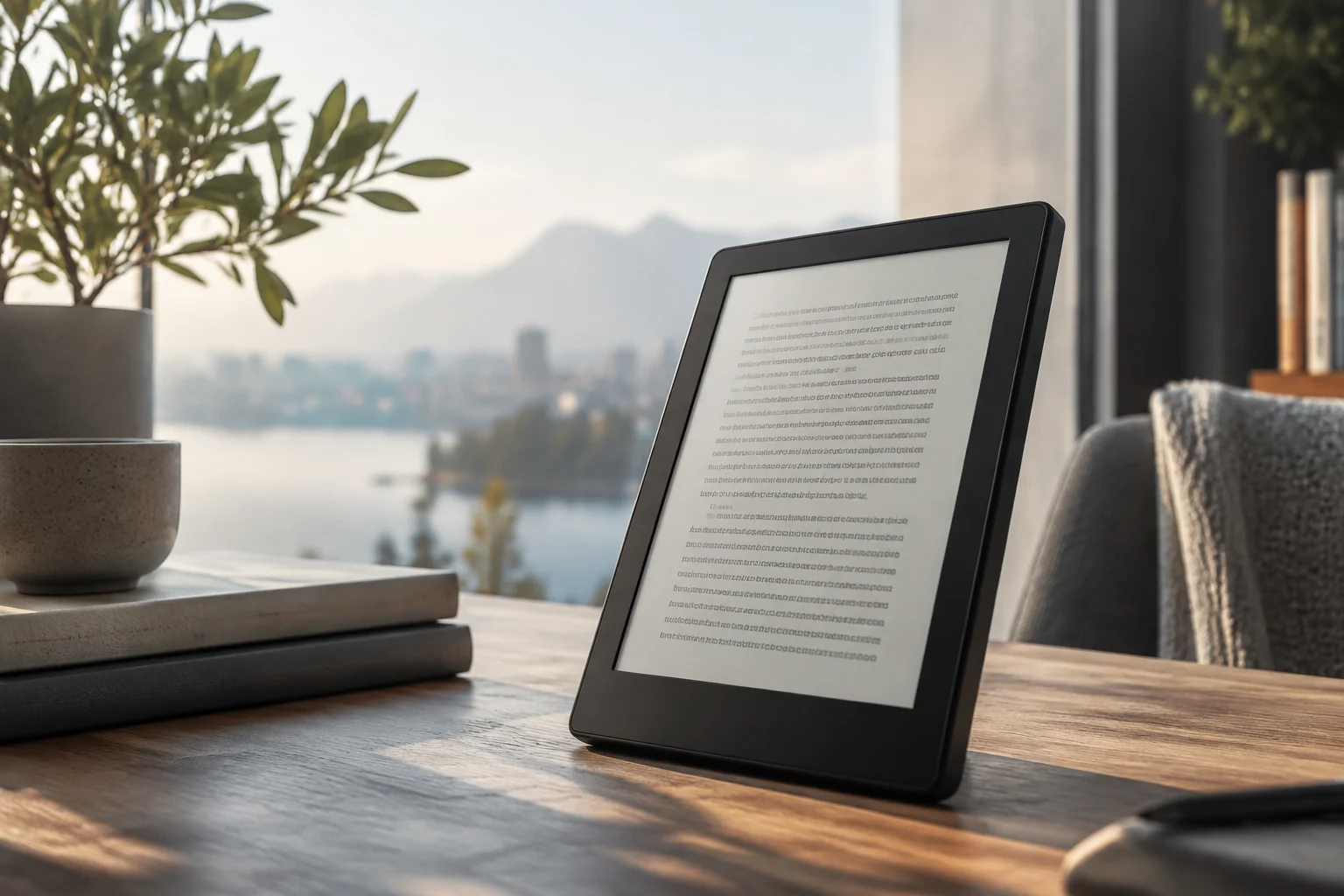
Amazon has officially confirmed the complete renewal of its Kindle e-reader family for 2026, presenting a line that includes the basic model, the Paperwhite, the Colorsoft, and their respective Signature editions. This comprehensive redesign arrives after the last major update in 2024 and marks a turning point in the company's hardware strategy, which seeks to consolidate its position in a market where distraction-free reading continues to grow.
The company highlights that the Kindle ecosystem has experienced double-digit growth for three consecutive years, with more than 720 billion pages read in 2025 alone. This expansion of usage justifies the investment in a new design architecture, intended to offer a more immersive and physical reading experience, moving away from the functional aesthetic of previous generations to bet on a more premium and customizable finish.
Design and screen architecture
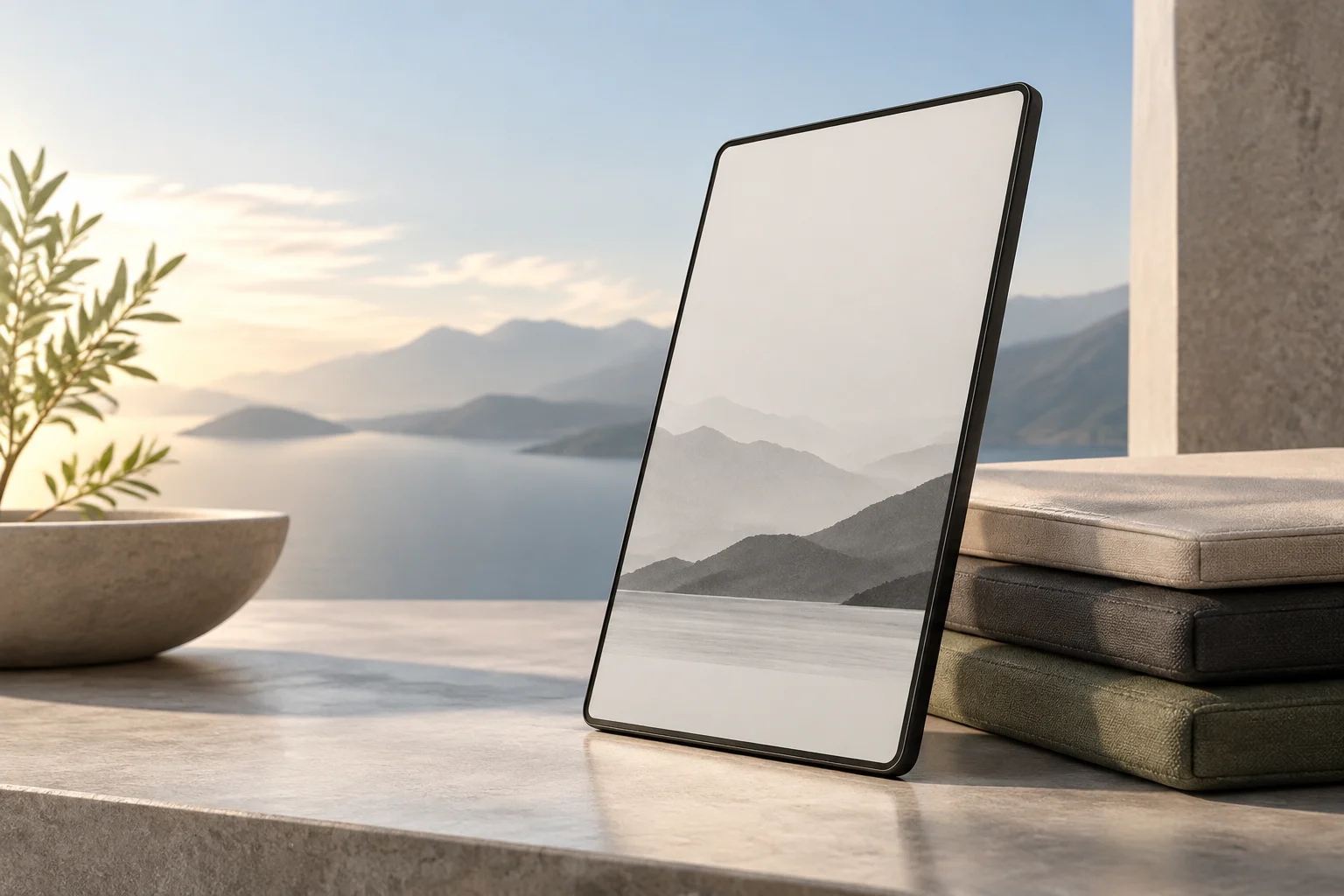
The most visible change is the adoption of a borderless screen construction (edge-to-edge) and an inverted stack architecture, a technical novelty that allows reducing the total thickness of the device. The new basic Kindle is presented as the most compact in the brand's history, with a thickness of just 6.8 mm, making it significantly easier to carry in pockets or jacket pockets.
In terms of materials, Amazon introduces for the first time an aluminum body option for the basic model, available in colors such as Alpine Sky and Seaglass Green. This variant differs from the standard plastic model, which arrives in Ube (purple) and Graphite tones. The intention is clear: to offer a more solid tactile sensation and an aesthetic that competes with high-end devices, while maintaining the characteristic lightness of e-readers.
Performance and user experience
Amazon states that all models in the new line offer higher processing performance, although it has not detailed the exact specification of the chip used. The improvement translates into smoother navigation between books, faster page loading, and immediate touch response, eliminating the small delays that some users noticed in previous generations when changing chapters or searching the index.
The reading experience is complemented by the inclusion of adjustable front light in all models, including the basic one, which allows comfortable reading in any light condition. Software optimization seems to be as important as the hardware, as the company has worked on integrating features such as dark mode and warm light management to reduce visual fatigue during prolonged reading sessions.
New accessories and connectivity
One of the most notable novelties is the launch of the Kindle Click, a $34.99 wireless accessory that functions as a remote control to turn pages. This device responds to a historical demand from the reading community, especially those who prefer not to touch the screen while in bed or cooking, and connects via Bluetooth to the reader.
In addition, Amazon presents a magnetic case with integrated touch buttons to turn pages, inspired by the design of the old Kindle Oasis. This option offers a physical alternative to screen interaction, reminiscent of the mechanisms of classic pocket books. The availability of these accessories seeks to create a more complete ecosystem that goes beyond the device itself, offering customization in the way of interacting with content.
Comparison with the previous generation
Regarding the 2024 models, the new line maintains the standard screen dimensions (6 inches for the basic and 7 for the Paperwhite/Colorsoft), but significantly improves contrast and text clarity. The 2026 Paperwhite is announced with the best contrast in its history, suggesting improvements in the e-ink sheet technology or in the management of the front light.
Water resistance is maintained in the Paperwhite and Colorsoft models, a feature that has been key to their popularity in beach or pool environments. Battery life has also been optimized, with Amazon promising up to 12 weeks of use in the Paperwhite and 8 weeks in the Colorsoft, figures that slightly exceed those of their predecessors thanks to the efficiency of the new hardware.
Limitations and pending specifications
Despite the detailed announcement of the design and accessories, critical technical specifications are missing for a complete evaluation. The exact screen resolution, the e-ink refresh rate, or the details about Wi-Fi connectivity (whether it remains only 2.4 GHz or adds 5 GHz) have not been confirmed. This lack of data prevents an objective comparison of text sharpness with competitors like Kobo or PocketBook.
The long-term behavior of the new borderless screen architecture is also uncertain, especially in terms of durability and scratch resistance. Initial availability is limited to certain markets, with the basic and aluminum models available immediately in countries like Mexico, Spain, and Brazil, while the Paperwhite and Colorsoft will arrive in pre-sale at the end of October. Potential buyers should wait for the first independent reviews to verify the actual image quality and software stability.