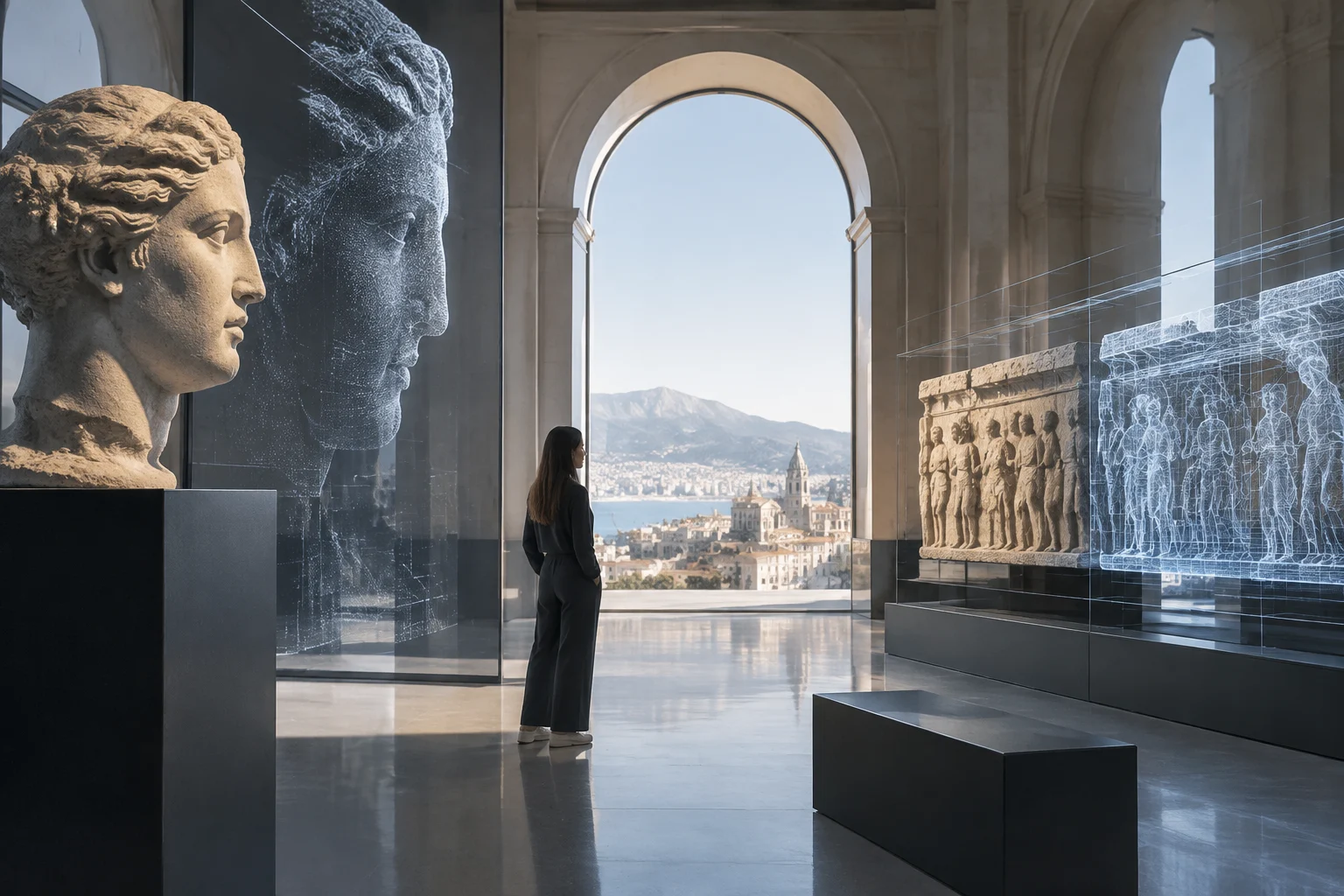
A new biennial cycle for cultural innovation
CM Málaga, the Culture & Museums International Tech Forum, closed its fourth edition with a significant structural change: the adoption of a biennial periodicity. This decision, announced in September 2025, aims to provide greater depth to the programming and consolidate the event as an international reference platform for the digital transformation of the cultural sector. By spacing out the editions, the organizers intend for each meeting to have a more lasting impact and for the solutions presented to be more solidly integrated into the participating institutions.
The event took place on June 22 and 23, 2026, at the FYCMA (Málaga Congress and Exhibition Palace), a venue that allows for both plenary sessions and an extensive exhibition area. The organization was led by FYCMA and the Department of Culture and Sport of the Andalusian Government, with media support from Diario Sur. This robust infrastructure was key to managing the influx of attendees and ensuring the technical quality of the presentations, facilitating an environment conducive to debate and collaboration among the various actors in the sector.
International scale and sector participation
The magnitude of the 2026 meeting exceeded initial expectations, bringing together over 180 cultural entities, public institutions, technology companies, and startups. This figure reflects the growing interest in digital solutions applied to heritage and creative industries in the global market. The presence of such a wide spectrum of participants demonstrates that digitalization is no longer an exclusive option for large museums, but a cross-cutting need that affects the entire cultural ecosystem, from small galleries to large foundations.
Geographic diversity was another pillar of the forum, with the presence of nearly 90 international experts from 16 countries. This mix of profiles—from museum directors in Latin America to innovation heads at European foundations—facilitated an exchange of best practices that transcended the local Andalusian scope. The dialogue between different cultural realities allowed for the identification of common challenges and the sharing of implementation strategies that can be adapted to diverse contexts, thus enriching the global vision of technology applied to culture.
Artificial intelligence and museum digitalization
The 2026 technical program focused on artificial intelligence applied to culture, a topic that has ceased to be experimental to become a structural tool. The sessions addressed how these technologies redefine the creation, management, and consumption of culture, aligning with global trends of AI integration in business processes. Cases were explored where AI optimizes the cataloging of works, improves the visitor experience through personalization, and facilitates historical research, demonstrating its potential to transform the daily operations of cultural institutions.
In addition to AI, museum digitalization and immersive experiences occupied a central place on the agenda. The forum included the V International Symposium on Digital Solutions in Museums and the IV Technical Days for Professionals in the Cultural Sector, spaces where specific use cases were presented to improve accessibility and heritage conservation. These technical days allowed professionals to learn about specific tools for the digital preservation of collections and the creation of virtual environments that complement the physical visit, ensuring that technology serves to protect and disseminate the cultural legacy effectively.
Strategic context in the Spanish technological agenda
CM Málaga 2026 does not develop in a vacuum, but is inscribed in a national agenda of support for digital culture. The Ministry of Culture has recently launched calls for grants for the internationalization of video games, podcasts, and digital culture, with application deadlines open in October 2026. This synergy between sectoral events and public policies strengthens the cultural innovation ecosystem in Spain, providing a framework of funding and institutional support that validates the initiatives presented at the forum and encourages their scalability at a national and international level.
In the international landscape, the forum positions itself against other major technological events such as the DES (Digital Enterprise Show), although with a more specialized focus on the cultural sector. While other forums seek a generalist business transformation, CM Málaga focuses on the sustainability and accessibility of cultural spaces, differentiating itself by its focus on heritage and cultural mediation. This specialization allows addressing the specific challenges of cultural management, such as the preservation of the authenticity of works and the inclusion of new audiences, aspects that are often relegated in broader technological events.
Impact on cultural management and the future of the sector
The value of CM Málaga lies in its ability to connect cultural managers with technologists in the same space. As sector analyses point out, informal conversations and practical demonstrations often solve operational problems that institutions have carried for months. This specialized networking is key to the real adoption of new tools in museums and art centers, as it allows managers to understand the technical possibilities of the proposed solutions and providers to understand the real needs of the institutions, closing the gap between technological supply and cultural demand.
The transition to a digital cultural model requires expert mediation that balances technological innovation with human sensitivity. The event has served to make this need visible, positioning the cultural manager as an essential actor in the era of generative AI. The next edition, scheduled for 2028, must consolidate these advances and expand the reach of the solutions presented, ensuring that technology remains an ally for the preservation and dissemination of culture, and not an end in itself.