Four models for different rooms and setups
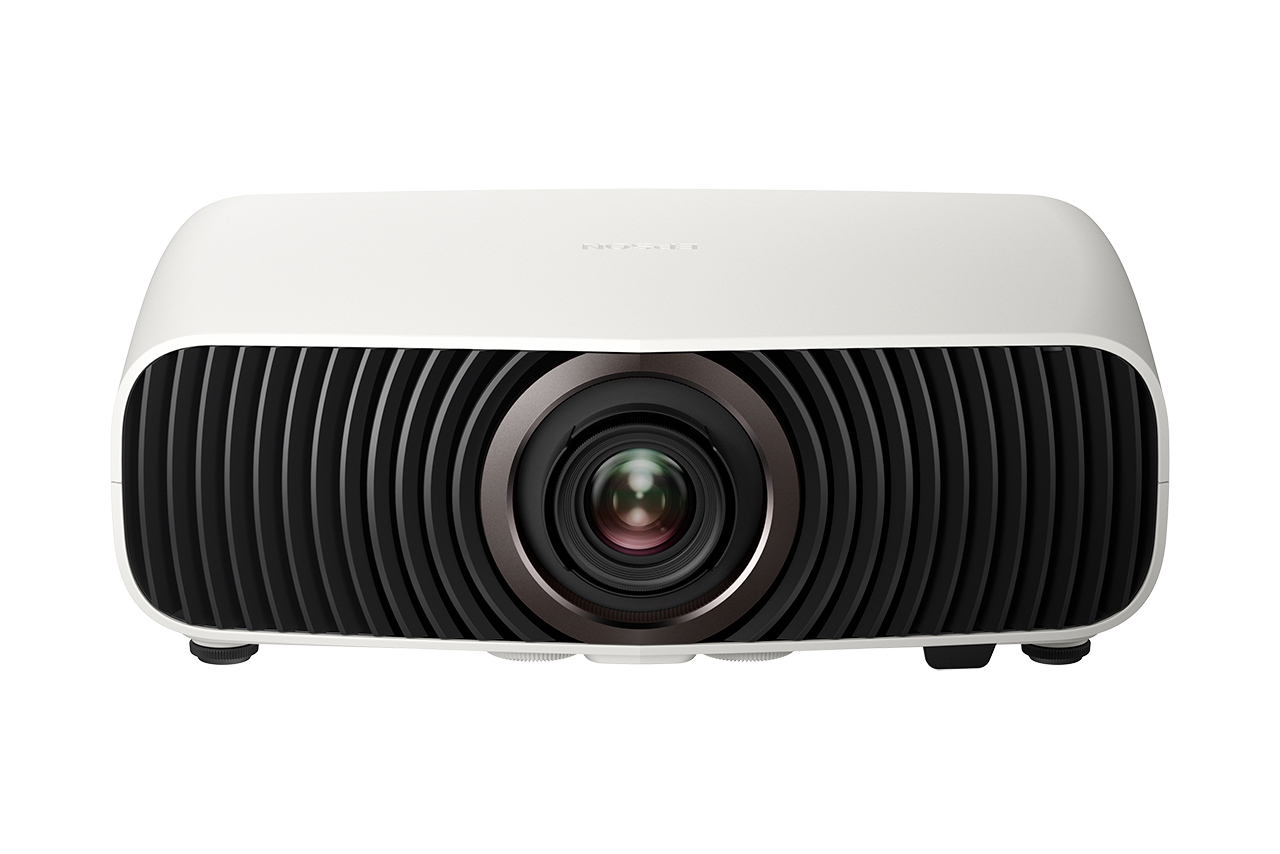
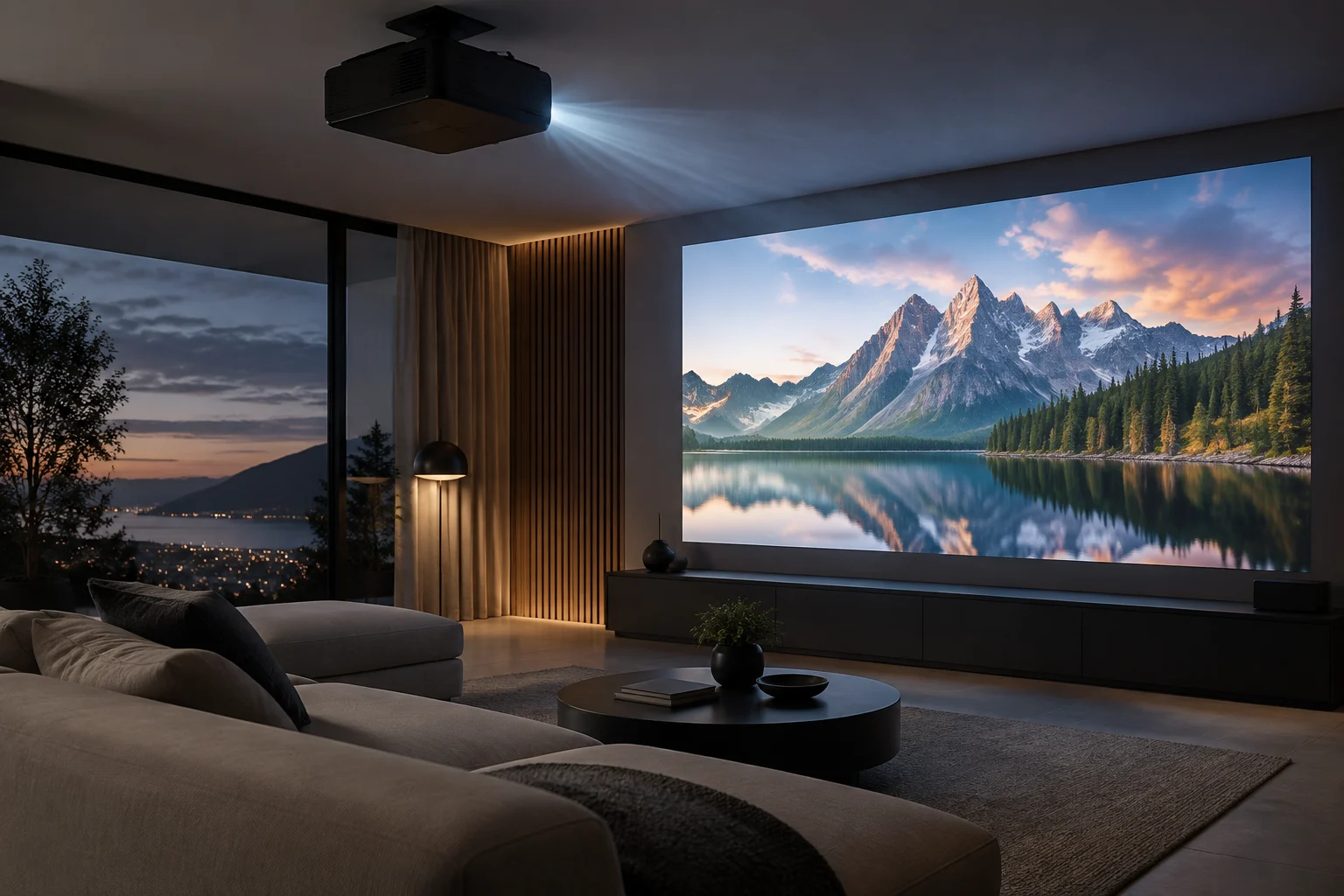
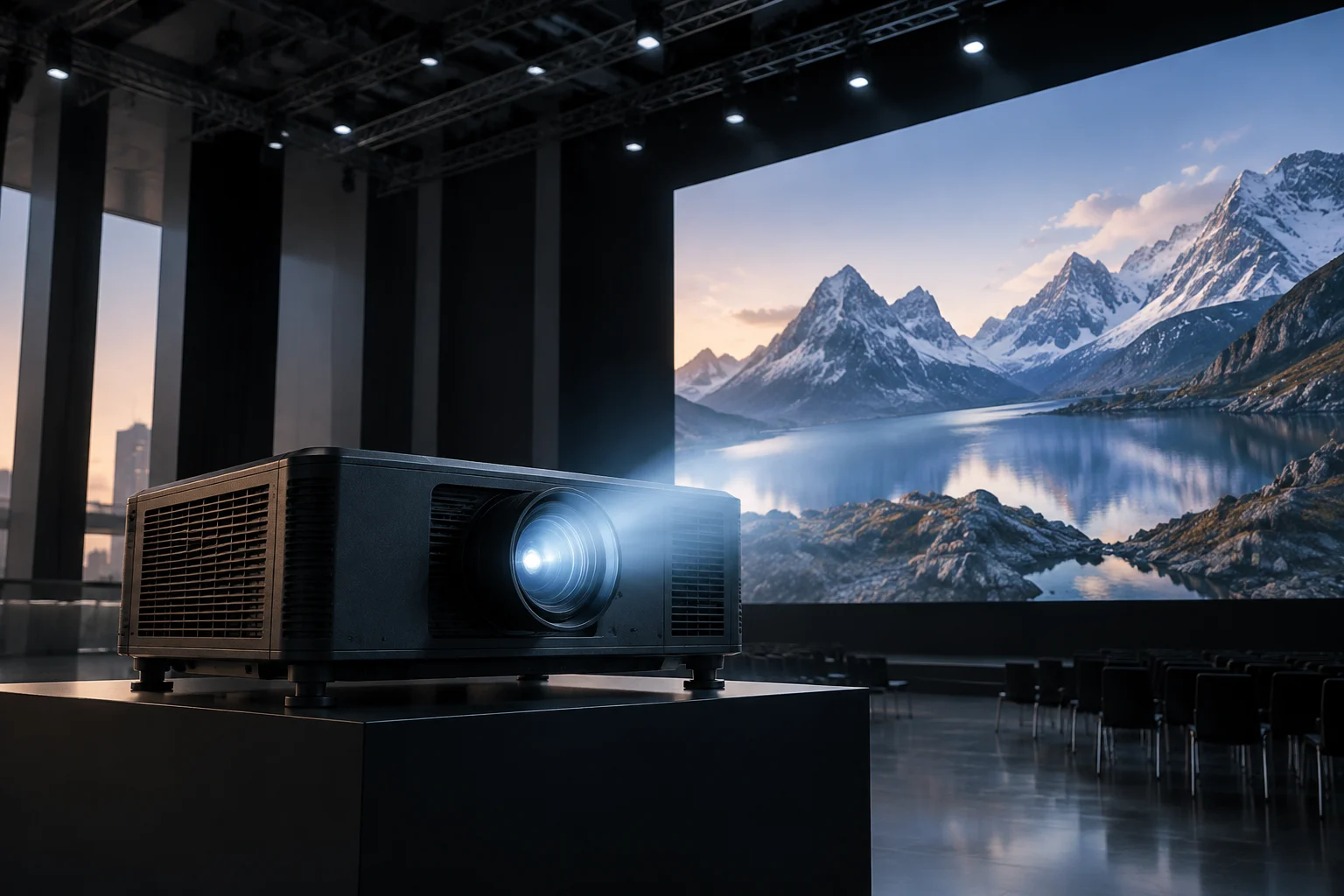
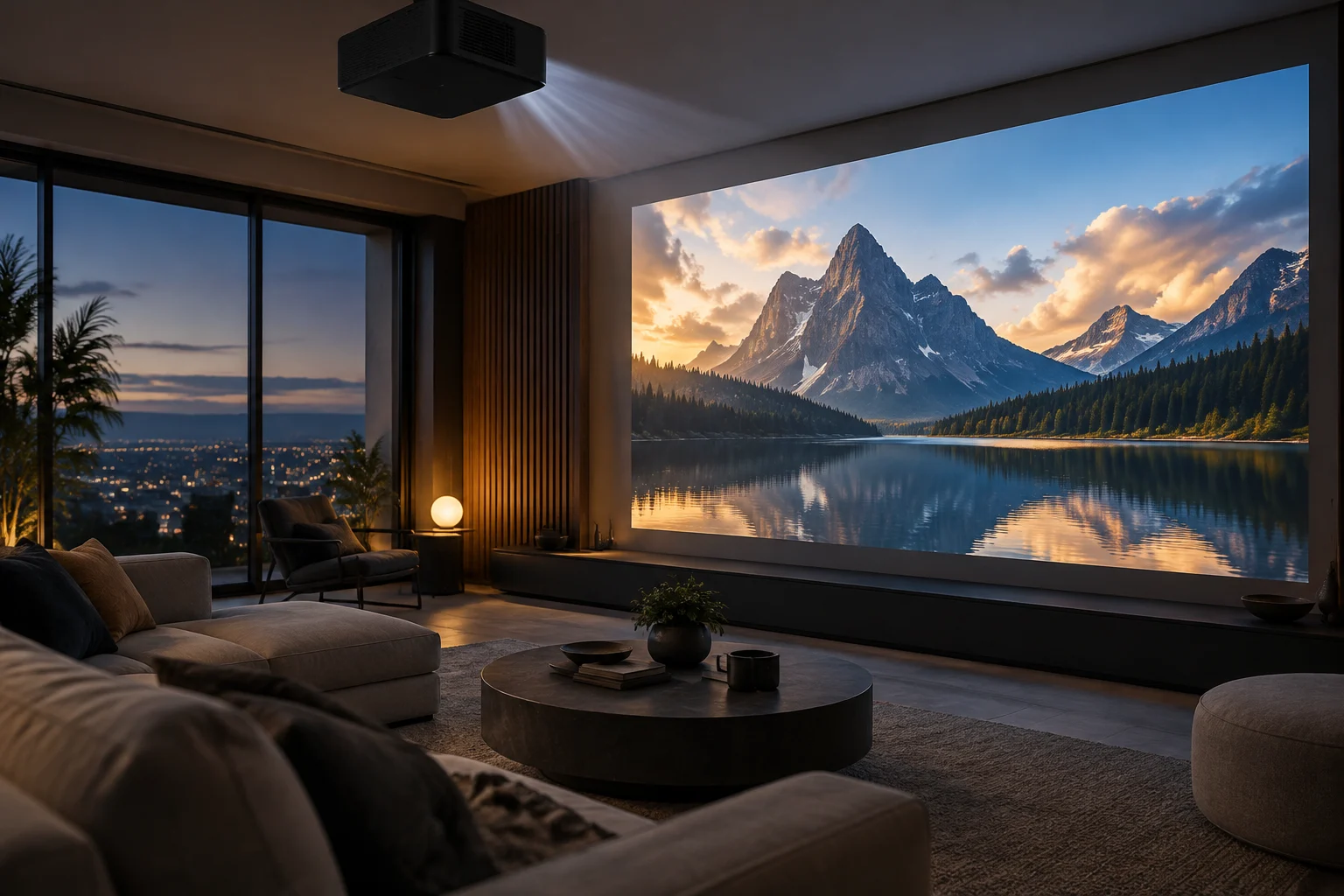
Epson has introduced four 4K laser projectors for home cinema in Europe: the EH-LS5000, EH-LS6000, EH-LS7000 and EH-LS7500. The range combines 3LCD technology with artificial-intelligence-based image processing, covering everything from a living room to a more demanding multimedia-room installation.
The range was announced on 22 September 2026, with Epson saying that it would be available in Europe from September. Differences between the models are not simply a matter of brightness: intended use also varies, and the LS7500 requires a different projection distance to form an image. Epson identifies all four projectors and their brightness figures; prices should be checked with the retailer and for the relevant market before buying.
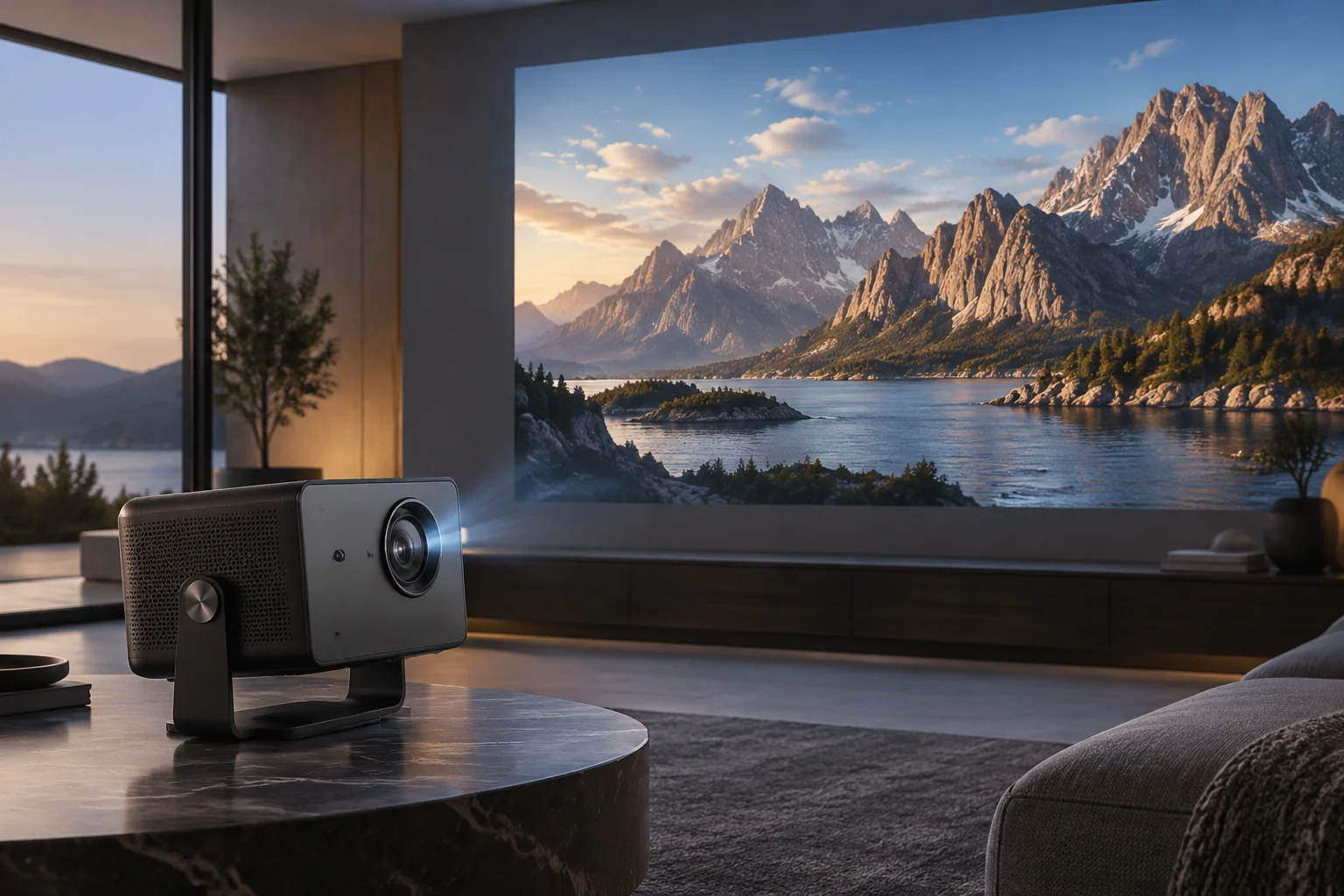
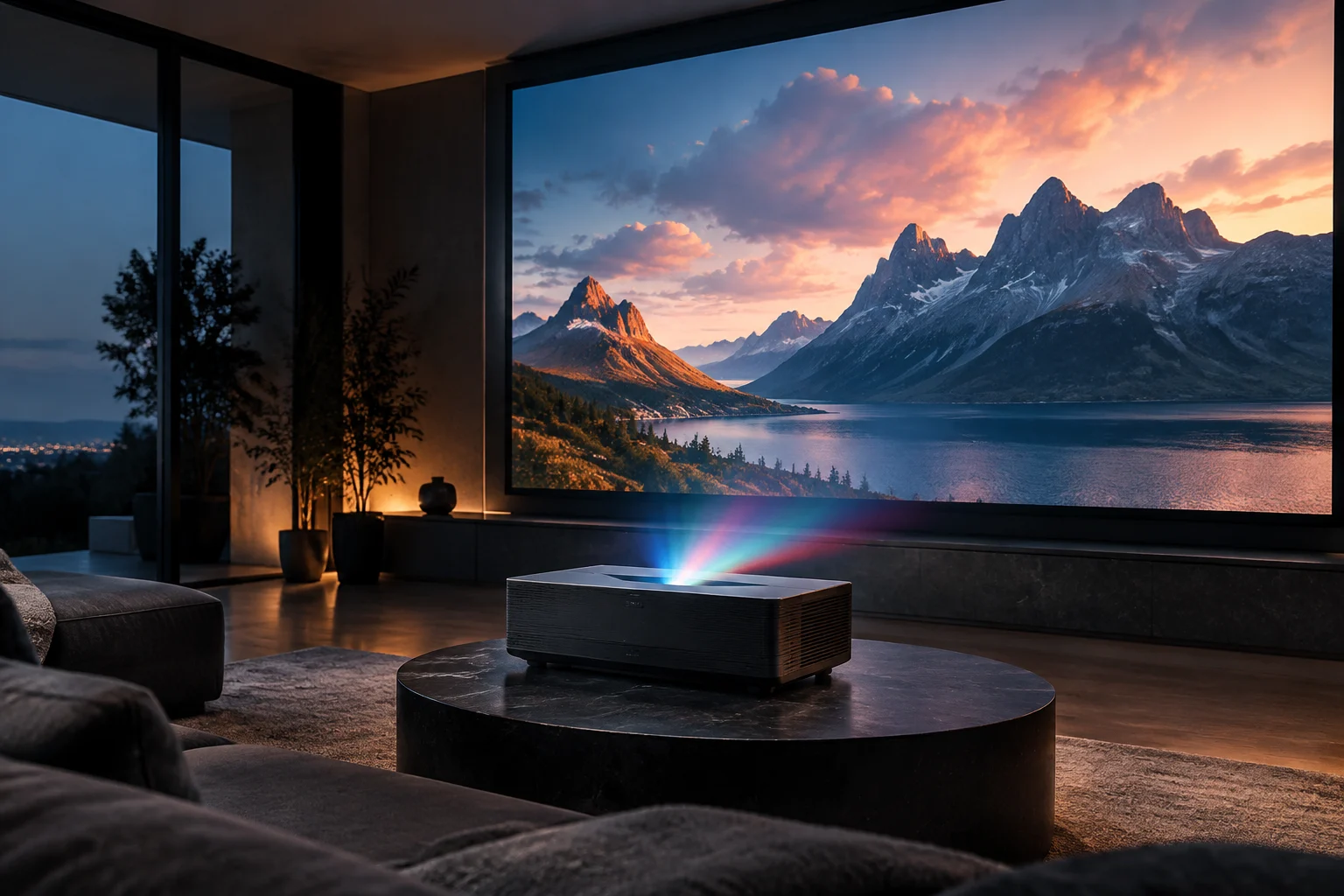
The maximum image size of up to 500 inches cited for several models is not a guaranteed result in every room. Ambient light, the screen, projection distance and setup all affect the experience, so the maximum size alone cannot establish whether a projector suits a particular installation. Room conditions matter as much as the headline screen size when assessing a setup.
Brightness and imaging technology
The EH-LS5000 and EH-LS6000 are the entry models, rated at 2,500 and 3,400 lumens respectively. The EH-LS7000 reaches 3,600 lumens, while the short-throw EH-LS7500 is rated at 3,500. The main difference between the two entry models is brightness headroom, which can matter with a large screen or in a living room that cannot always be fully darkened.
All four use 3LCD projection technology and a laser light source. Epson says this combination displays all three primary colours simultaneously, unlike single-chip DLP projectors, which create colour using a wheel. The technology alone does not determine which image a viewer will prefer: the result also depends on the optics, adjustment and viewing conditions.
Epson lists 4K resolution, HDR10 and HLG compatibility, and a 20,000-hour laser light-source life for the EH-LS5000 and EH-LS6000. HDR compatibility means these formats can be received, but does not by itself guarantee the same brightness or highlight detail as a television. Overall performance depends on the complete installation, including the screen and room lighting.
The manufacturer also mentions LD Boost, a light-engine adjustment that, according to Epson, increases brightness by up to 12% compared with the previous generation without increasing noise. This is Epson’s comparative claim, not an independent measurement; it does not establish the brightness of every scene or picture mode.
Epson’s four EH-LS projectors
Advertised brightness and the main setup distinction for each model.
| EH-LS5000 | 2,500 lumens |
|---|---|
| EH-LS6000 | 3,400 lumens |
| EH-LS7000 | 3,600 lumens |
| EH-LS7500 | 3,500 lumens; short throw |
Brightness figures are manufacturer specifications; room conditions and installation affect the viewing result.
What artificial intelligence does to the image
Image processing is powered by the MT9681 chip and features Epson groups under the name Epson AI Imaging. These include AI Picture Quality (AI PQ Scene 2.0+), which analyses scene elements, including faces, and dynamically adjusts colour, contrast and sharpness. AI processing works on the video signal; it does not turn the projector into a content source or replace an external player.
Epson also describes intelligent upscaling for lower-resolution content and motion processing. These tools may be relevant for television, sports or broadcasts whose source is less detailed than 4K. Upscaling cannot restore information that was not present in the original image: it can change how the picture is presented, but is not equivalent to playing a native 4K source.
For films, automatic processing is best treated as an adjustment option rather than a universal improvement. The strength of the processing and viewer preferences can vary with the content. The basic-model specifications list picture modes such as Cinema and Natural, offering different profiles to consider, but these are not a substitute for calibration tailored to the room.
Installation, connectivity and the connected home
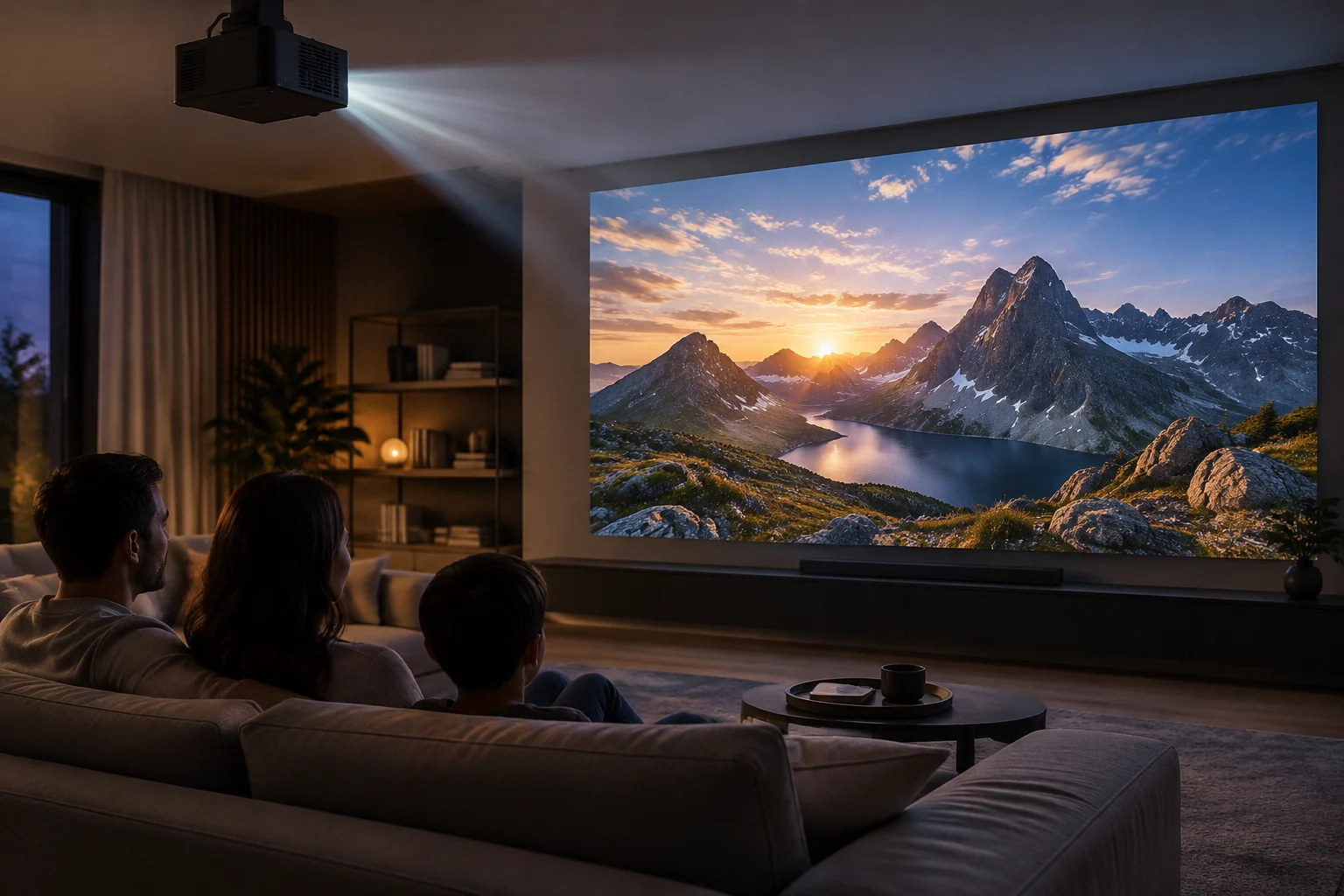
The EH-LS5000 and EH-LS6000 share a manual zoom lens and manual lens shift of ±59% vertically and ±21% horizontally, according to Epson’s Spanish specifications. Lens shift helps frame the picture when the projector is not exactly centred, without relying solely on digital correction that changes the image.
The EH-LS7500 stands out as the family’s short-throw model, intended by Epson for spaces where a conventional projection distance is less convenient. The EH-LS7000 is aimed at higher-end installations. Before choosing, it is useful to compare the available distance, planned screen size and possible projector position with the specifications for the exact model.
Epson says the range supports Matter, allowing integration with compatible smart-home ecosystems and control of functions such as power on and off. The LS5000 and LS6000 specifications also list Wi-Fi 6E, Bluetooth 6.0 and HDMI with ARC/eARC. Matter compatibility does not mean the projector includes streaming apps: Epson recommends connecting external players such as Apple TV, Google TV or Fire TV.
Epson announces a five-year warranty for the range and a laser light source rated for up to 20,000 hours. The Spanish EH-LS6000 specification gives coverage as 60 months or 12,000 hours, whichever comes first; therefore, the light-source life and the warranty limit are not the same figure. Check the terms that apply to the model and market of purchase.
Choosing a model and understanding pricing
For a living room or straightforward setup, the first practical comparison is between the EH-LS5000 and EH-LS6000: the latter offers 900 more lumens, while both share a home-use focus, 3LCD laser technology and advertised 4K resolution. The choice depends on the brightness the room needs, not just the product name or advertised maximum diagonal.
The EH-LS7000 raises brightness to 3,600 lumens and is intended for a more advanced setup; the EH-LS7500 offers 3,500 lumens and a short-throw lens for rooms with less depth. Installation differences may matter more than the 100 lumens separating the two models. Comparisons of dynamic contrast or additional features should be based on the specific specifications for each model.
Epson announced European availability from September 2026. Epson’s Spanish store lists the EH-LS5000 and EH-LS6000, though the listings show them as out of stock; those pages do not establish stock across all sales channels. For a purchase decision, check the final price, retailer, availability and warranty in the relevant market.
The useful takeaway is that the range revolves around three choices: brightness, room geometry and level of integration. Choose a model that physically fits first—considering projection distance, lens shift and screen—so you do not pay for a specification that fails to address the room’s main constraint.