Extended Reality Context in 2026
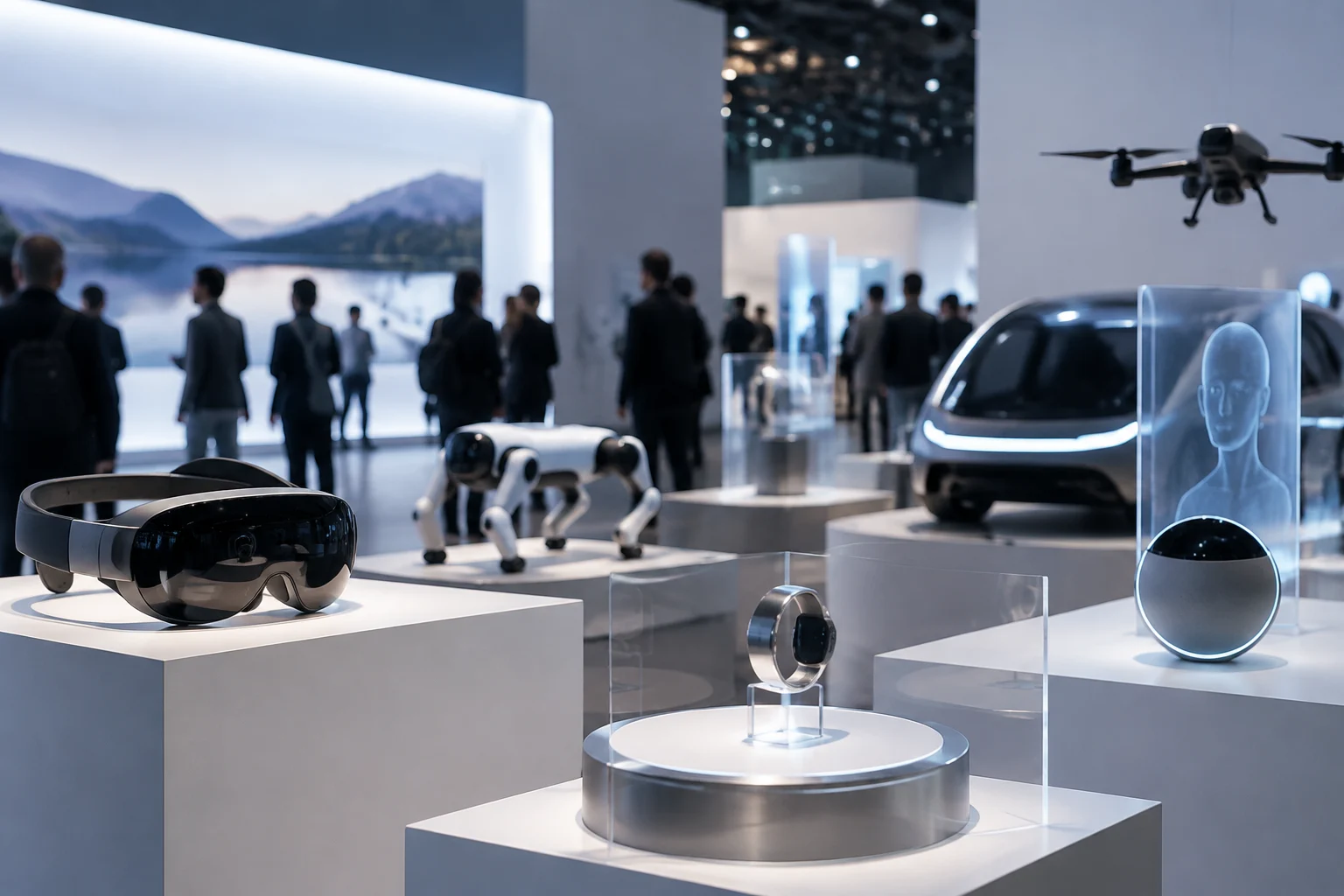
Extended reality (XR) has ceased to be a futuristic promise to become an operational tool. In 2026, virtual and augmented reality technologies are increasingly integrated into daily life, transforming sectors such as vocational training, classrooms, and retail through virtual stores. This shift is not marginal: it represents a displacement of digital interaction from flat screens to immersive environments that require deep adaptation of existing workflows.
Reports from Juniper Research and other sources indicate that XR is one of the ten most important technological trends of the year. The key lies not only in hardware but in the ability of these systems to solve specific efficiency and user experience problems. For companies, this implies a reevaluation of training and customer service strategies, prioritizing practical utility over technological novelty.
Applications in Training and Retail
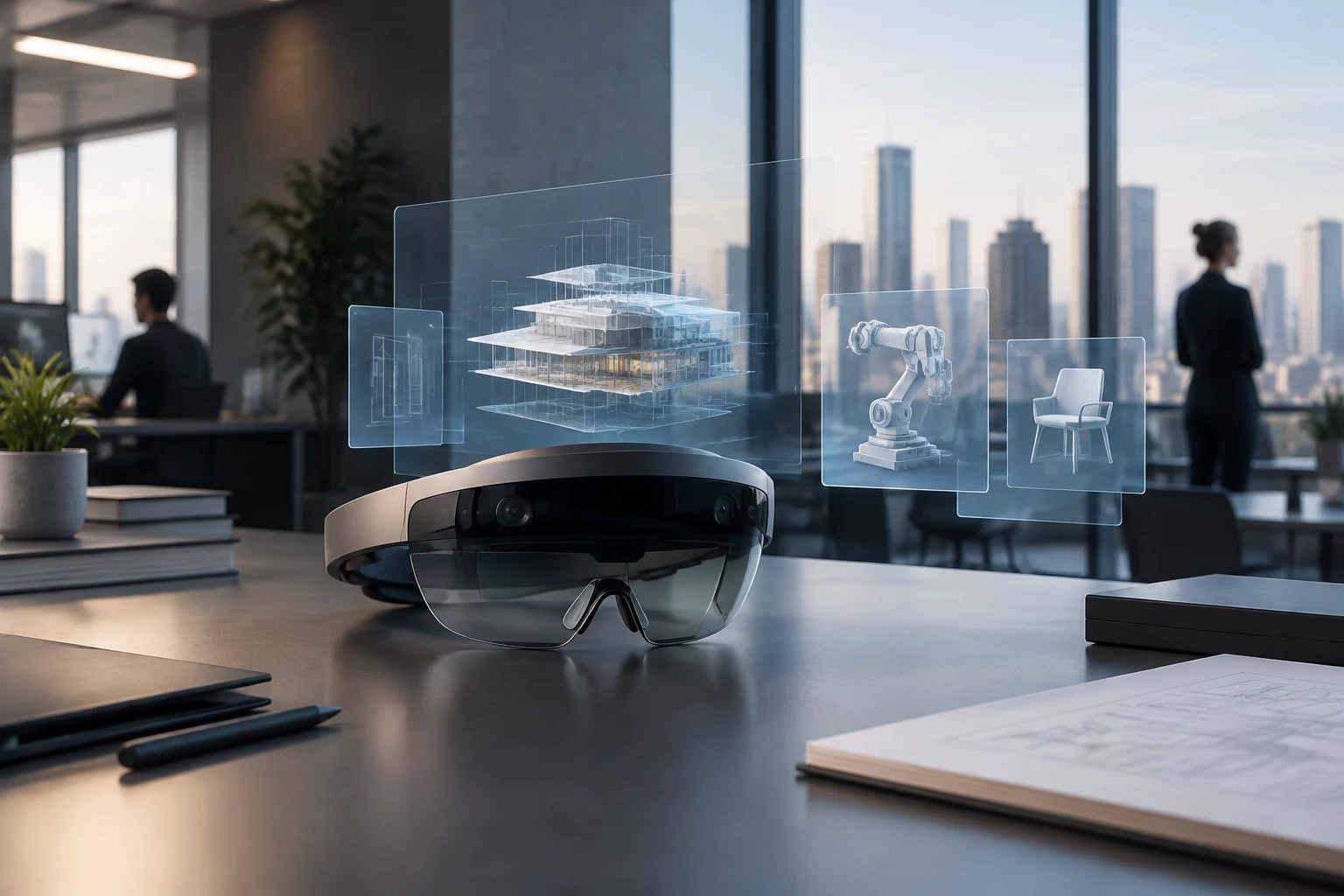
In the educational and corporate sphere, XR allows simulating complex scenarios without the risks or costs of physical reality. Professionals can practice critical procedures, from industrial maintenance to medical care, in a controlled environment. This capacity for safe simulation reduces the learning curve and minimizes costly errors in real operations, allowing unlimited repetition of high-complexity tasks without physical consequences.
In retail, augmented reality-based virtual stores allow customers to visualize products in their own space before purchase. This is not just a novelty: it is a tool to reduce returns and increase consumer confidence. Integration with real-time inventory data makes the experience more precise and useful for purchase decisions, optimizing sales conversion.
Technical and Adoption Challenges
Despite progress, massive XR adoption faces significant obstacles. Hardware costs remain a barrier for many SMEs and individual users. Additionally, the need for robust network infrastructure to transmit content in real time limits its use in areas with limited connectivity. Latency remains a critical problem for full immersion, as any perceptible delay can break the sense of presence and cause physical discomfort in the user.
Interoperability between devices from different manufacturers is another challenge. Unlike web standards, the XR ecosystem still lacks a common framework that guarantees content and application compatibility. This fragments the market and hinders long-term investment by organizations, which must manage multiple incompatible platforms.
Integration with AI and Data
The combination of XR with artificial intelligence is generating new possibilities. AI systems can personalize the experience in real time, adjusting simulation difficulty or recommending products based on user behavior. This synergy turns XR into a dynamic platform, not static, capable of adapting to the specific needs of each individual and optimizing computational resources according to current demand.
Analysis of data generated by interactions in XR environments provides valuable insights into human behavior. In training, this allows identifying weak points in learning. In retail, it helps optimize the layout of virtual products. Immersive behavior analytics is becoming a strategic asset for companies seeking to improve their ROI.
Practical Decisions for 2026
For companies considering implementing XR, the recommendation is to start with specific and measurable use cases. It is not about adopting the technology for fashion, but solving a concrete problem, such as reducing training times or increasing e-commerce conversion. A controlled pilot allows evaluating real impact before large-scale investment, ensuring that the return on investment justifies implementation and maintenance costs.
End users should be cautious with promises of total immersion. Experience quality depends largely on content quality and support infrastructure. Before buying a device, it is crucial to verify compatibility with needed applications and technical support availability in the region. The decision should be based on practical utility, not isolated technical specifications.