The End of CPU-GPU Separation on the Desktop
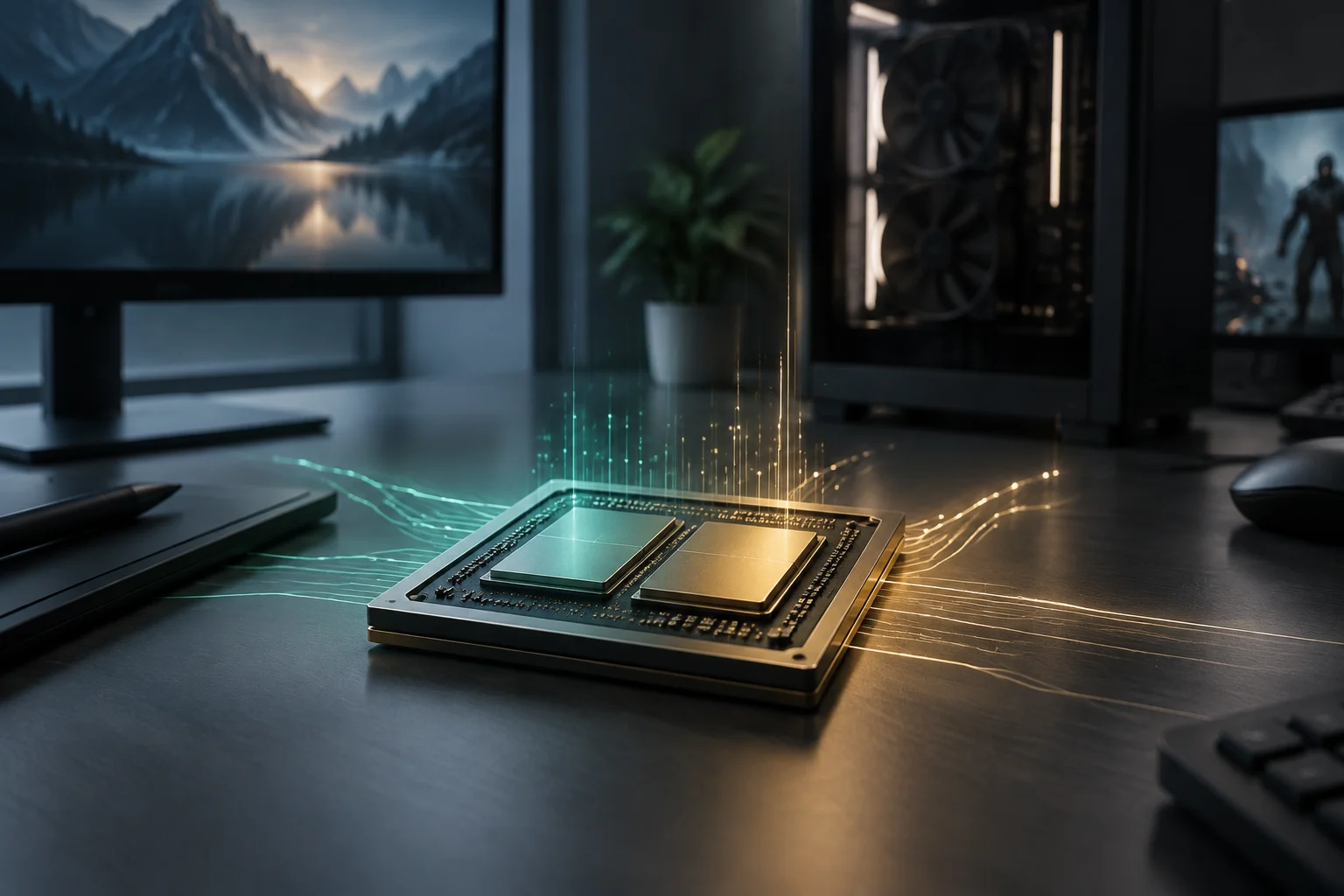
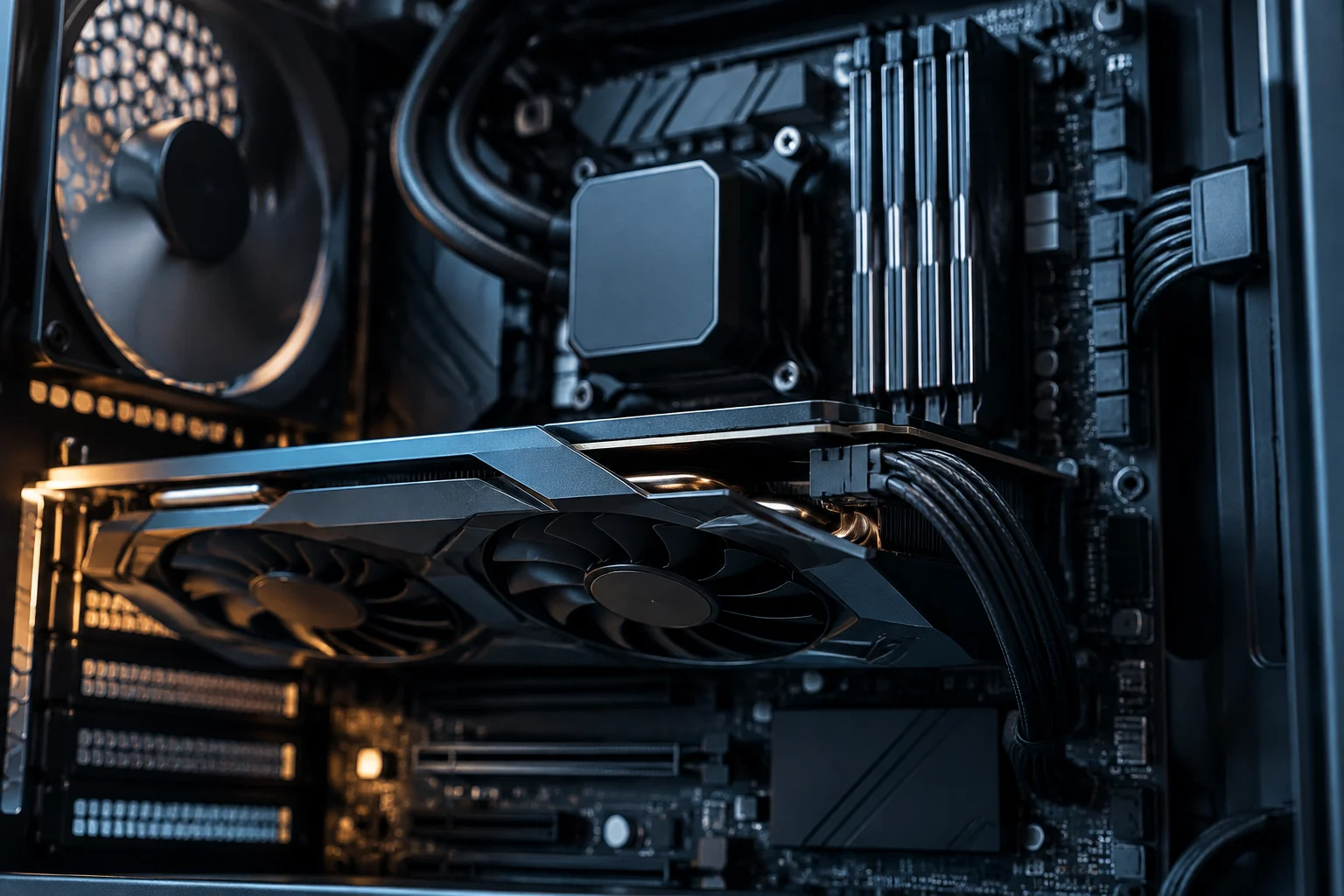
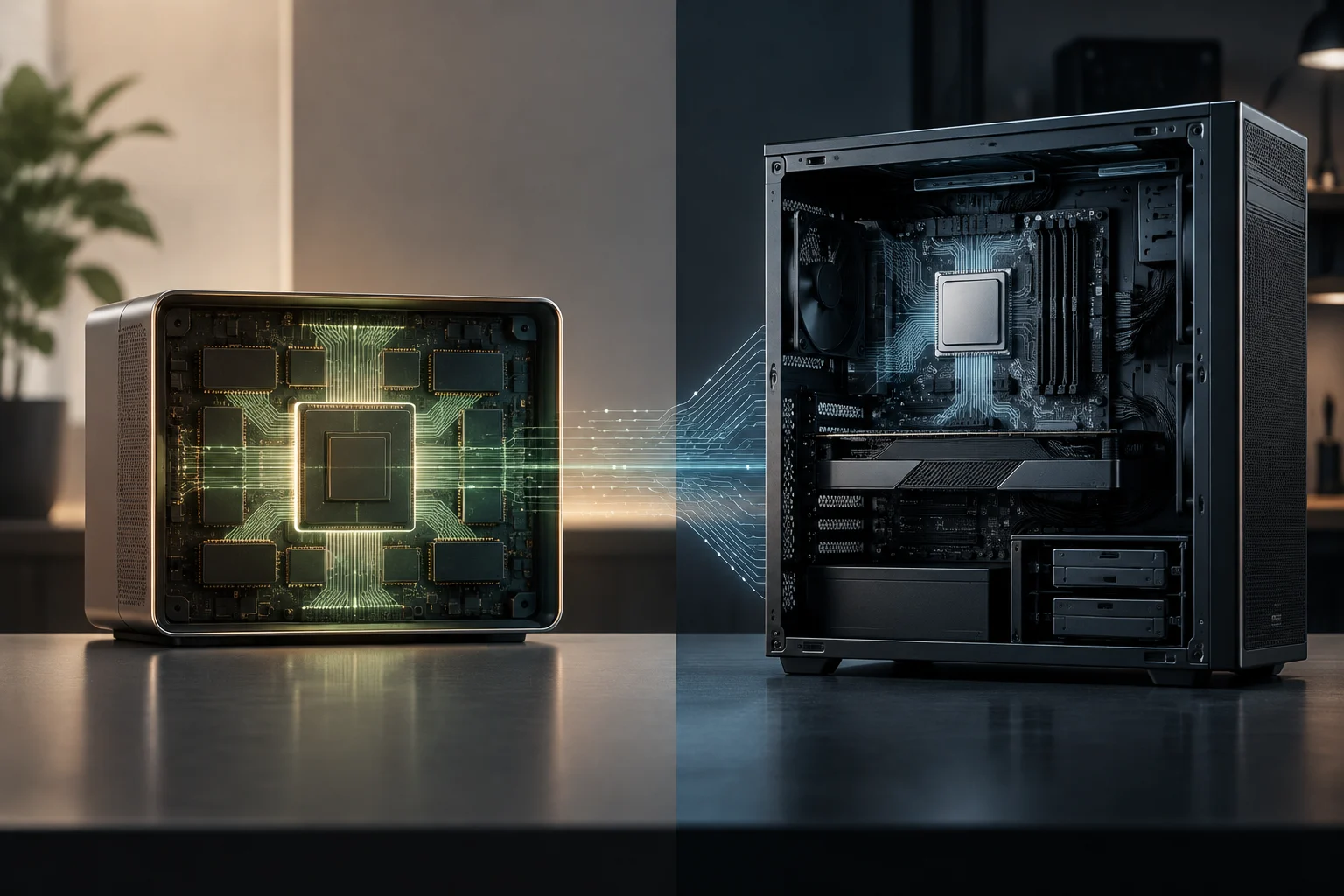
For decades, the design of a desktop PC relied on the strict separation between CPU and GPU, connected via PCI Express buses. This architecture allowed each component to scale independently but imposed a bottleneck in data transfer. NVIDIA RTX Spark, announced in May 2026, proposes a radical break by integrating both processors into a single superchip with unified memory, eliminating the physical barrier between general-purpose and graphical computing.
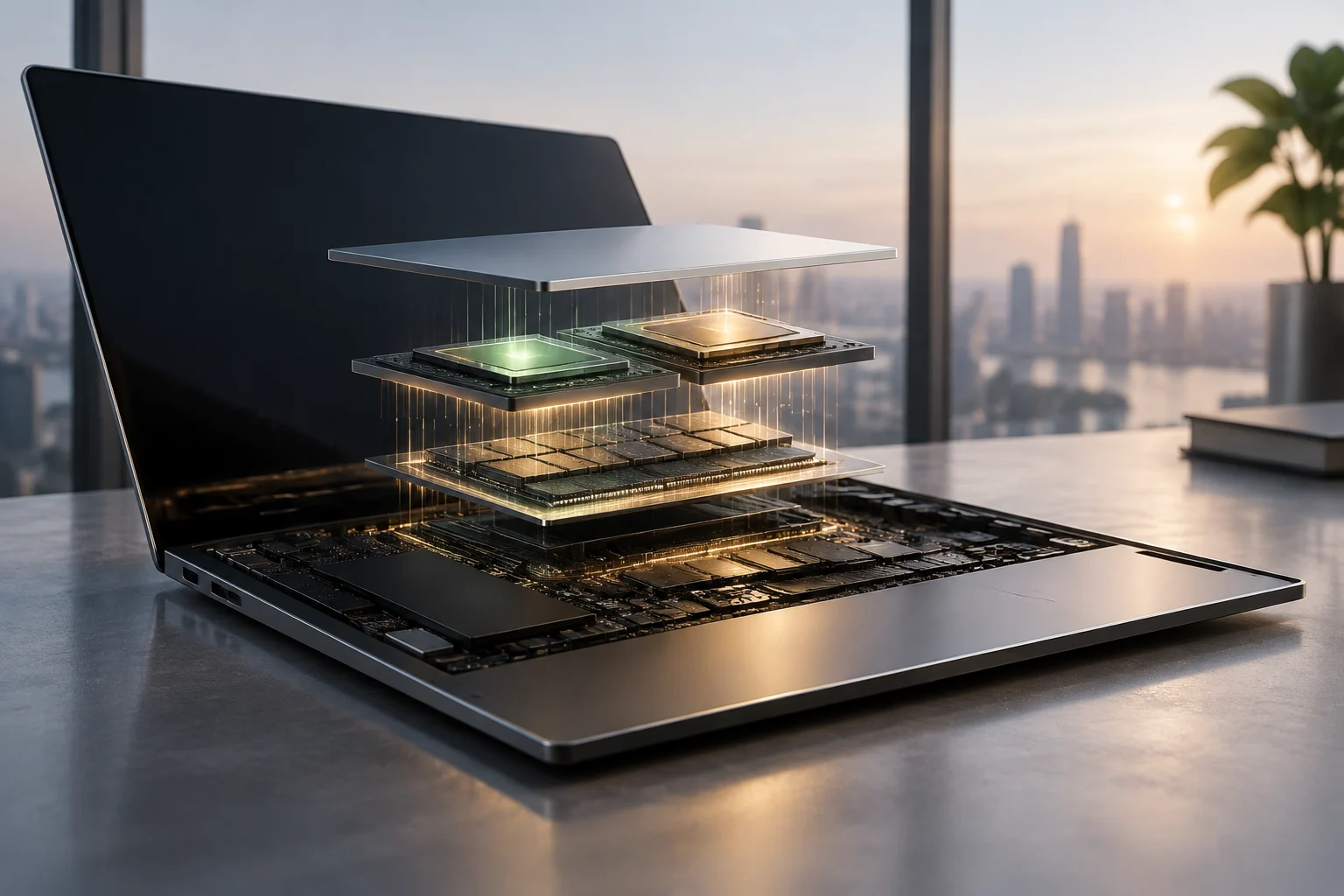
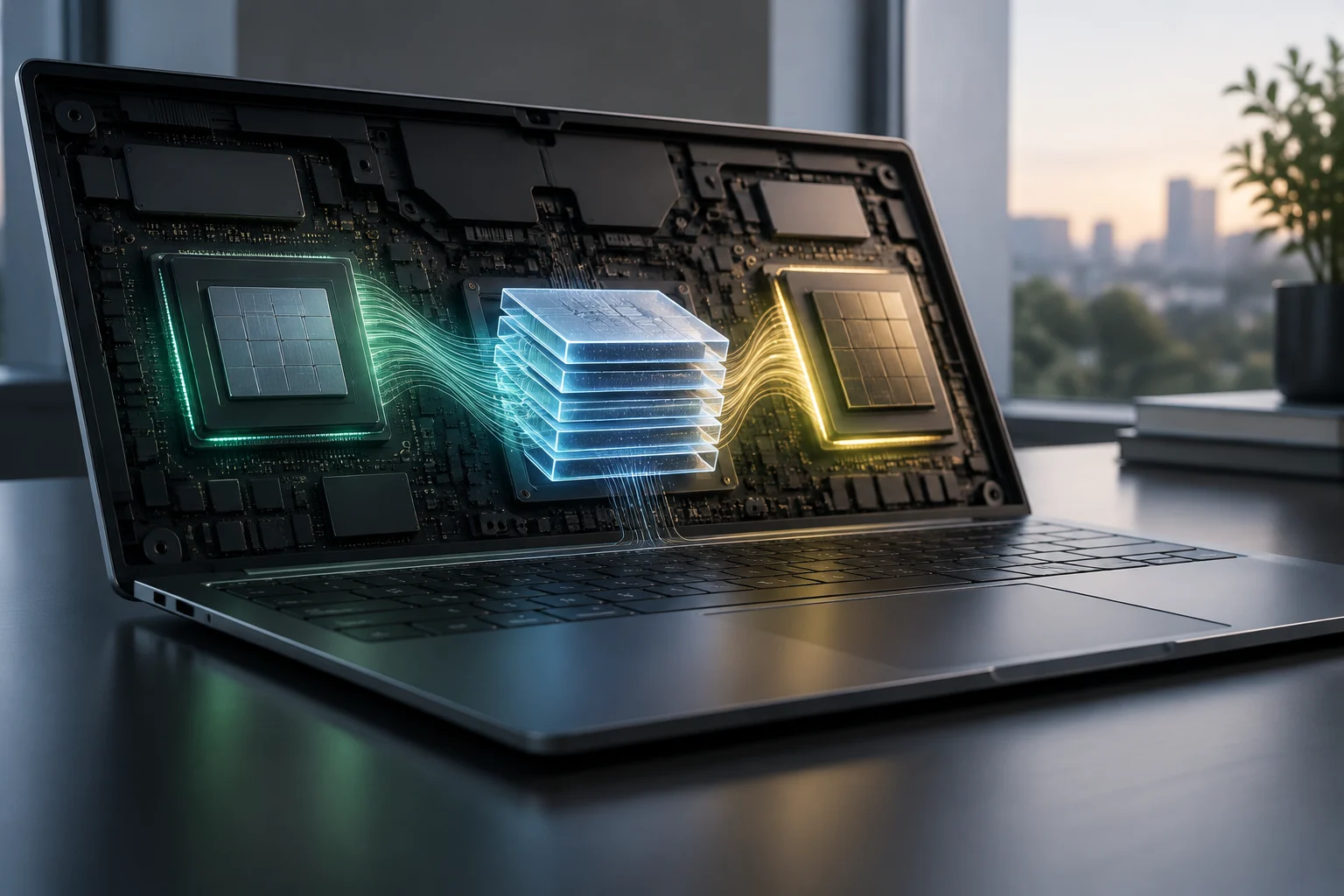
This change is not merely incremental; it represents a redefinition of data flow. In a traditional system, moving an AI model from RAM to VRAM requires costly copies. In RTX Spark, the Grace CPU and Blackwell GPU share the same address space, allowing data to remain in LPDDR5X memory without additional latency penalties from transfer. This is the technical foundation that enables running large-scale models locally without relying on the cloud.
Anatomy of the GB10 Grace Blackwell Superchip
The heart of the platform is the GB10 superchip, which combines a 20-core Arm CPU (Grace architecture) with a 6144-core Blackwell GPU in its desktop variant. The key specification is up to 128 GB of unified LPDDR5X memory, with a bandwidth of 273 GB/s. Unlike the GDDR6X VRAM of dedicated GPUs, which offers higher bandwidths (often >1000 GB/s), unified memory prioritizes capacity and energy efficiency over raw transfer speed.
In terms of AI performance, NVIDIA declares 1 petaFLOP of FP4 performance for the desktop variant. This figure is achieved thanks to fifth-generation Tensor Cores and the Blackwell architecture, optimized for inference with reduced precision. Energy efficiency is another pillar: the desktop platform's TDP is set at 140 W, a fraction of the consumption of an equivalent x86 configuration with a high-end GPU, which usually exceeds 300 W under maximum load.
Key Technical Specifications
| Component | RTX Spark (Desktop) | Traditional PC (Reference) |
|---|---|---|
| CPU | 20-core Arm (Grace) | x86 (e.g., Ryzen 9 / Core i9) |
| GPU | 6144-core Blackwell | Dedicated GPU (e.g., RTX 4080) |
| Memory | 128 GB Unified LPDDR5X | 32-64 GB DDR5 + 16-24 GB VRAM |
| Bandwidth | 273 GB/s | ~700-1000 GB/s (VRAM) |
| TDP | 140 W | 300-450 W (full system) |
Advantages in Local AI Inference
The main advantage of the unified architecture manifests in the execution of large language models (LLMs). With 128 GB of unified memory, RTX Spark can load models of up to 120 billion parameters in FP4 precision or smaller models in FP16, something impossible on a traditional PC with 24 GB of VRAM. This allows developers and professionals to run local inference with contexts of up to 1 million tokens, maintaining data privacy and eliminating the network latency associated with cloud APIs.
However, the 273 GB/s bandwidth is a real limitation for inference speed (tokens per second). In workloads where generation speed is critical, a dedicated GPU with higher-bandwidth GDDR6X VRAM can outperform RTX Spark in tokens per second, provided the model fits in VRAM. Unified memory wins in capacity and flexibility, but not necessarily in raw processing speed for small models that fit in VRAM.
Creativity and Rendering: The Role of Unified Memory
For content creators, unified memory allows handling 3D scenes over 90 GB and editing 12K 4:2:2 video without fragmenting data between RAM and VRAM. Adobe has rearchitected Photoshop and Premiere Express to leverage this architecture, promising 2x performance in AI and graphics tasks. This means that complex workflows, such as video compositing with multiple AI layers, can run more smoothly by eliminating memory copies.
In 3D rendering, the Blackwell architecture with fourth-generation ray tracing cores offers competitive performance. However, for purely offline rendering workloads where speed is the only factor, a high-end dedicated GPU remains faster due to its higher memory bandwidth and greater number of CUDA cores in top-tier models. RTX Spark offers a superior balance between memory capacity and performance, ideal for fast real-time iterations.
Compatibility and Software Limitations
The transition to an Arm architecture in Windows introduces compatibility challenges. Although more than 100 software providers, including Adobe, Blender, and game developers like Riot Games, have released native versions for Arm, not all software is optimized. x86 applications can run via emulation, but with a performance penalty that varies depending on the workload. For users relying on niche software or specific hardware drivers, the lack of native support can be a significant obstacle.
Furthermore, the platform is less modular than a traditional PC. Unified memory is not expandable, and the GPU cannot be replaced with a more powerful one. This contrasts with x86 architecture, where users can upgrade RAM, GPU, or storage independently. Adopting RTX Spark implies accepting a closed system in exchange for deeper integration between CPU, GPU, and memory, optimized for AI and creativity workloads.
Availability, Price, and Value Proposition
NVIDIA RTX Spark is available in laptops and desktops from integrators like ASUS, Dell, HP, Lenovo, Microsoft Surface, and MSI, with models from Acer and GIGABYTE to follow. The entry price for desktops is around $3,999-$4,699, a figure comparable to a high-end traditional build. The value proposition is not raw performance per price, but energy efficiency and unified memory capacity for local AI workloads.
For a user who needs to run large AI models locally or work with high-resolution video files, RTX Spark offers a clear advantage. For a gamer prioritizing maximum refresh rates in AAA games or a professional needing maximum offline rendering speed, an x86 configuration with a dedicated GPU remains the most versatile and, in many cases, more economical long-term option due to the possibility of component upgrades.
Conclusion: For Whom Does the Transition Make Sense?
NVIDIA RTX Spark does not seek to replace all desktop PCs, but to define a new category for users who prioritize local AI and advanced creativity. It is the ideal choice for AI developers, data scientists, and content creators who need massive memory capacity and energy efficiency. For the rest of the users, the separated x86 + dedicated GPU architecture remains the most mature, versatile, and economical option, with a broader software ecosystem and the possibility of long-term customization and upgrades.
The final decision depends on the usage profile: if the main workload is large model inference or high-resolution video editing, RTX Spark offers a significant architectural advantage. If the priority is maximum speed in games or offline rendering, or the need to upgrade components individually, the traditional PC remains the most practical option. Unified architecture is the future for personal AI, but it is not the universal solution for all desktop workloads.