What RTX Spark is and what we know about its arrival in laptops
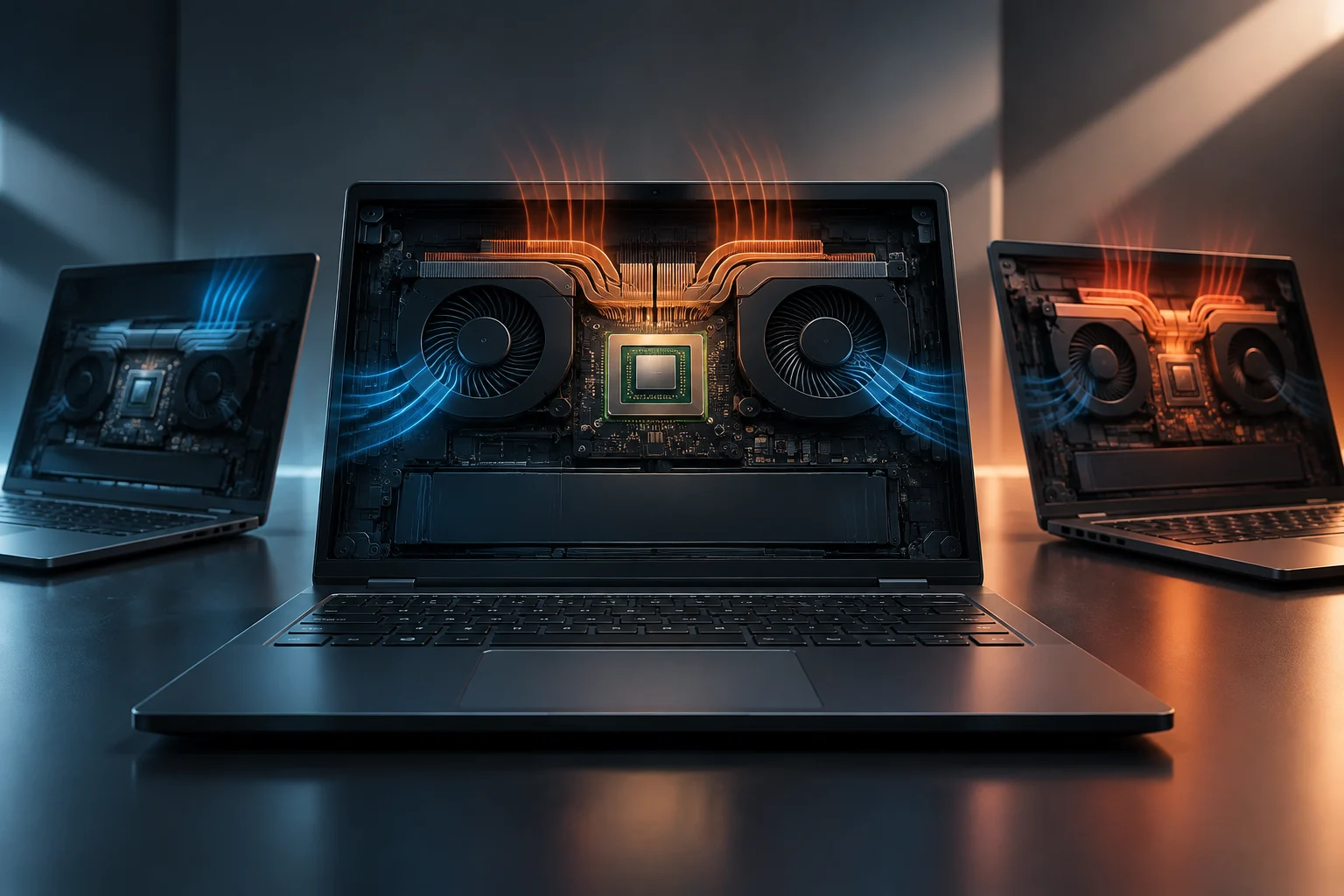
NVIDIA RTX Spark is a Windows laptop platform that integrates an Arm-based Grace CPU and a Blackwell RTX GPU in a single superchip. NVIDIA positions it for AI development, content creation and gaming; Microsoft lists systems from ASUS, Dell, HP, Lenovo and Microsoft, among others, as devices using the platform. It is not a conventional laptop graphics card, but a combination of processor and graphics acceleration designed around a shared memory pool. NVIDIA and Microsoft describe the product and participating manufacturers.
The distinction matters because the name might suggest that RTX Spark is one specific laptop. RTX Spark names the chip and platform, while each manufacturer sells systems with its own design, display, battery, cooling, memory and storage. Actual capabilities and the user experience will therefore depend on the specific retail configuration, not just the superchip’s name.
NVIDIA announces maximum specifications of up to 20 Grace cores, a Blackwell RTX GPU with up to 6,144 cores, 128 GB of unified memory and 1 petaflop of FP4 AI performance. These are platform figures stated as up to: they do not guarantee that every laptop will have the top configuration, nor do they amount to an independent performance measurement in any particular application. NVIDIA’s product page presents these figures as maximum specifications.
Unified memory: shared capacity, not dedicated VRAM
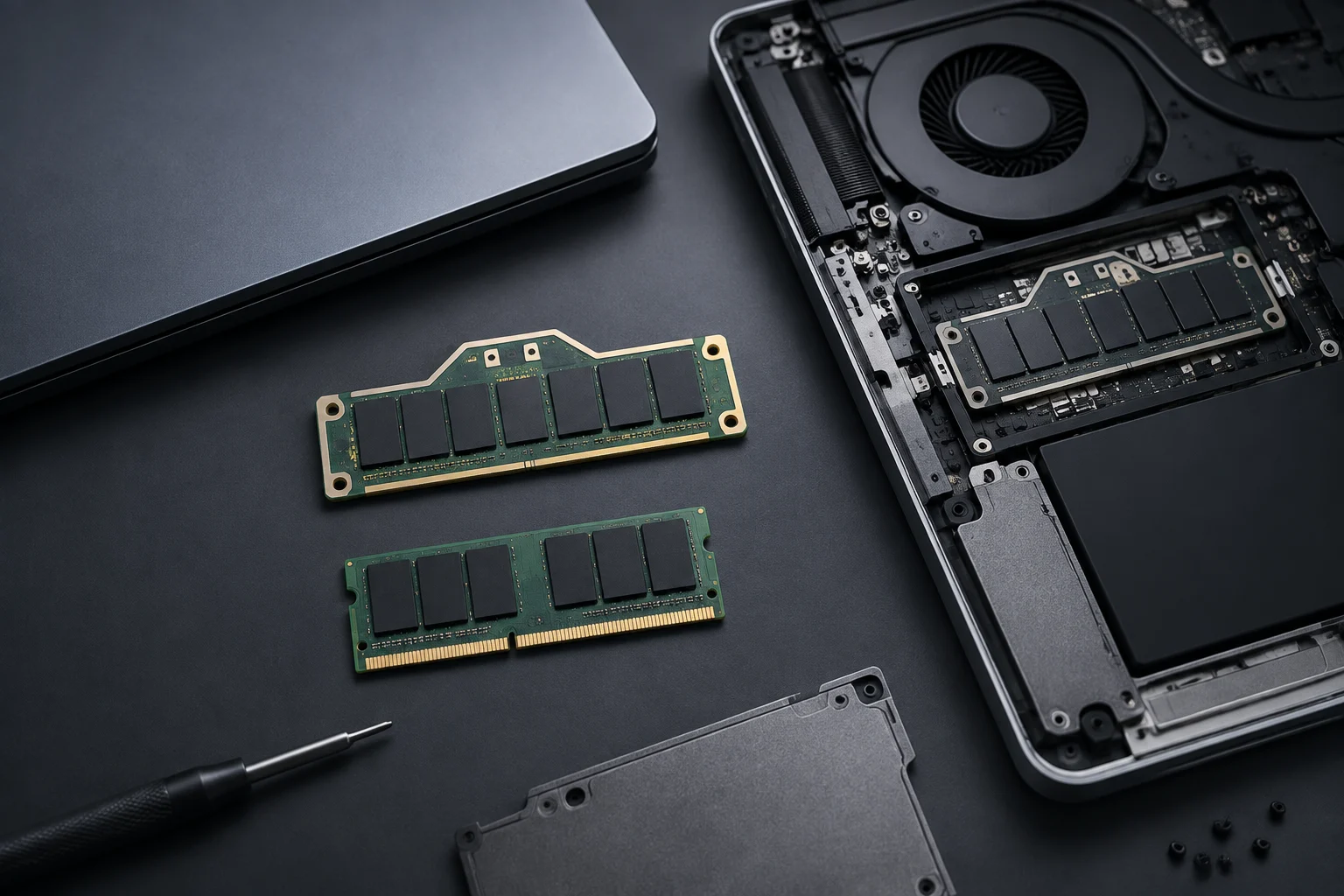
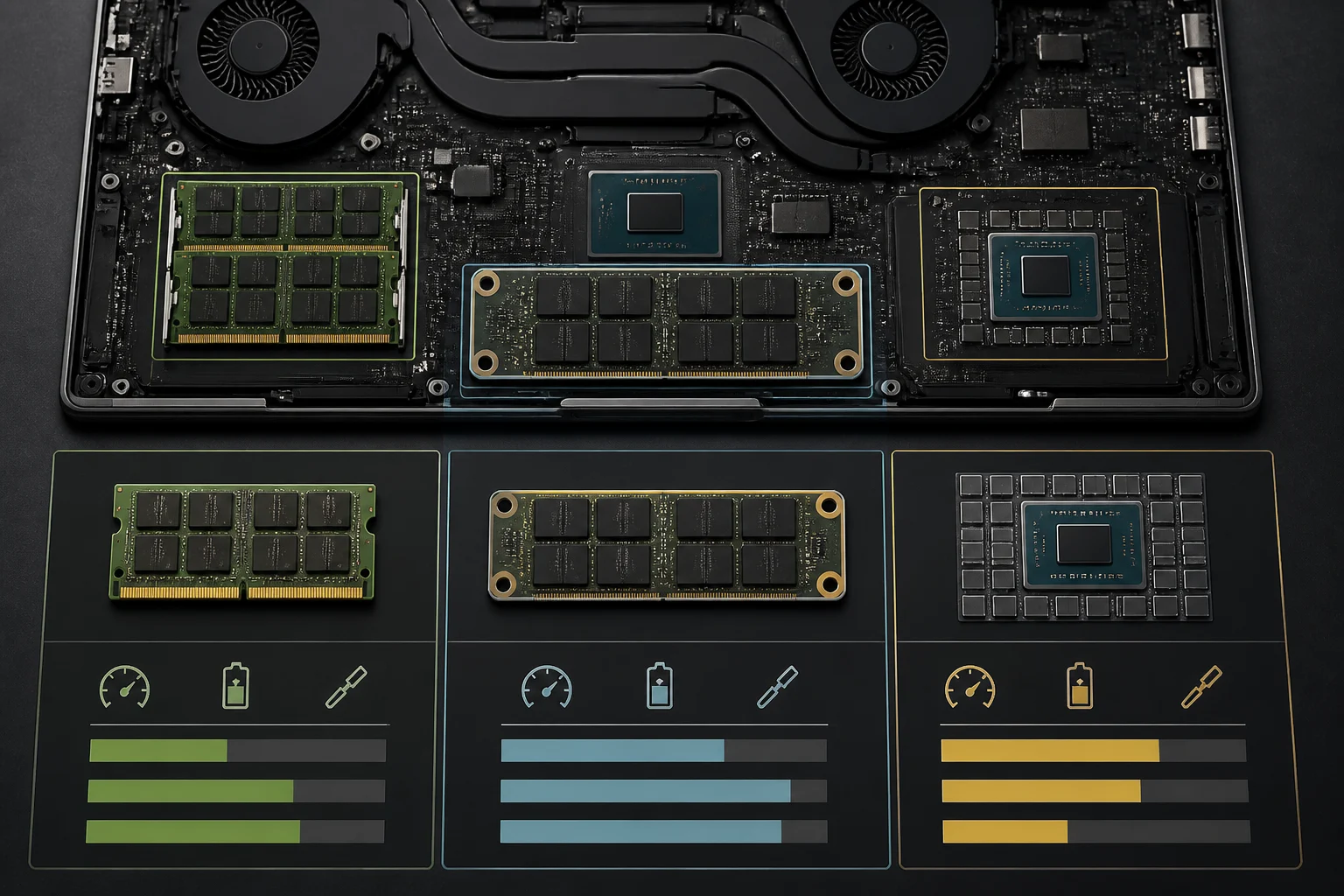
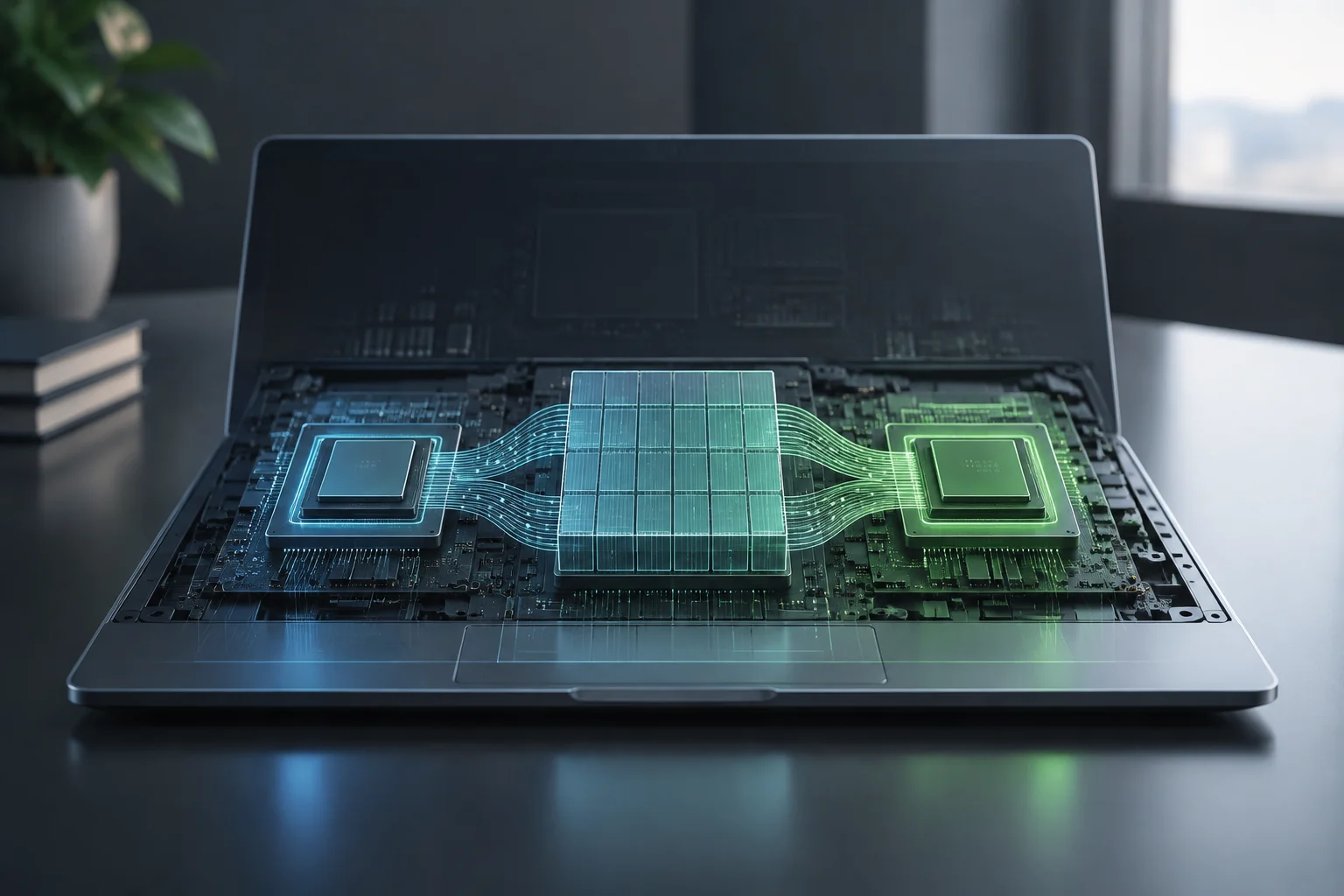
The most significant architectural difference is that Grace and Blackwell share system memory, rather than necessarily relying on main RAM and a separate VRAM pool as many laptop configurations do. In practical terms, this design can give the GPU access to a large memory space without requiring every item of data to be copied between two physically separate memories. NVIDIA and Microsoft specify up to 128 GB of unified memory for the platform. NVIDIA and Microsoft support the announced capacity.
Unified memory does not mean 128 GB of dedicated VRAM. The memory serves the system and the components that share it, so the operating system, applications and CPU also use it. The capacity available to an AI model may be less than the total installed, and the specification sheet for each laptop is the right place to check its exact configuration. This distinction prevents a direct comparison with the VRAM of a dedicated GPU without accounting for the memory type and its shared use.
Capacity can help when the main obstacle is that a model’s parameters, activations and other data will not fit in the memory available on a conventional laptop GPU. But capacity and speed are different variables: the fact that a model can be loaded does not prove that it will generate responses quickly, or that the chip will sustain a particular level of performance during long workloads. NVIDIA’s page gives the maximum capacity and FP4 peak, but those figures do not establish a universal speed for specific models, quantizations or applications.
CUDA, local inference and comparison with x86 laptops
NVIDIA says CUDA runs natively on RTX Spark, an important point for developers who already use its GPU ecosystem. The platform combines that compatibility with an Arm-architecture Grace CPU and Blackwell GPU, so it is not simply an x86 laptop with another NPU added. The proposal is an Arm-based Windows computer with RTX acceleration and shared memory. NVIDIA identifies CUDA as part of the platform and describes its components.
For local inference, the potential advantage is the ability to run models on the computer itself, without necessarily sending every request to a cloud service. This may be useful for prototyping, working with sensitive data or experimenting offline, provided the user configures compatible software and models. The benefit depends on the workflow: running locally does not guarantee absolute privacy if other features transmit data, nor does it automatically replace a hosted service that offers greater capacity or centralized management.
Comparisons with x86 laptops call for caution. An x86 system with a dedicated GPU may offer a different balance of power, VRAM, compatibility and sustained performance; an NPU, meanwhile, may suit specific AI tasks at low power consumption. RTX Spark proposes a different integration, but the available sources do not provide consistent independent testing that would establish a winner for inference, editing or gaming. Its architecture is not a universal advantage: buyers need measured results for the application, model and configuration they care about.
FP4 figures describe a theoretical compute peak at a specific precision; they do not directly predict tokens per second or image quality in editing software. When comparing systems, it is worth looking for reproducible measurements and checking at least model size, quantization, context, sustained power use and software version. Without those details, the responsible conclusion is narrower: the architecture is designed to combine CUDA with substantial shared-memory capacity, but performance for each task remains to be verified.
Manufacturers, availability and compatibility
Microsoft’s page presents six RTX Spark laptops: Surface Laptop Ultra, ASUS ProArt P14, ASUS ProArt P16, Dell XPS 16 Creator Edition, HP Omnibook Ultra 16 and Lenovo Yoga 9n 2-in-1 16. This list confirms that the announcement is not limited to a single manufacturer’s prototype, although it does not establish that all models have identical configurations or will be available at the same time in every country. Microsoft details the systems it features.
Retail availability needs to be checked by model, variant and market. A platform page or manufacturer announcement alone does not confirm stock, delivery date, final price or warranty coverage in Spain. Memory configurations may also differ between similarly named products. Before buying, check the exact specification from the manufacturer and retailer rather than extrapolating from another RTX Spark laptop.
Compatibility also has two layers. CUDA provides a native path for applications built for NVIDIA technology, but the rest of the software environment depends on each program, plug-in, driver and peripheral working on Windows on Arm. The existence of adapted applications does not imply full compatibility with the entire x86 catalogue, and emulation may have limitations or performance costs. It is therefore important to verify support for the specific tools a user needs, rather than assume the RTX label guarantees an experience identical to that of an x86 PC.
Which workloads may benefit and what buyers should check
The platform appears most relevant to people who want to experiment with local models and run into memory limits on a conventional laptop, as well as creators or developers whose software already uses CUDA and has an Arm-compatible version. It may also appeal to users who prefer to run certain workflows on their own computer. The right fit depends on the specific task, not the AI label: video editing, image generation, development and gaming have different resource and compatibility requirements.
Before choosing a system, it is worth checking the following:
- Installed memory and configuration: distinguish total shared capacity from the memory actually available to the workload.
- Software compatibility: look for native Windows on Arm versions and confirm support for CUDA, required plug-ins and drivers.
- Measured performance: seek independent tests for the intended model and application, with precision, quantization and workload duration documented.
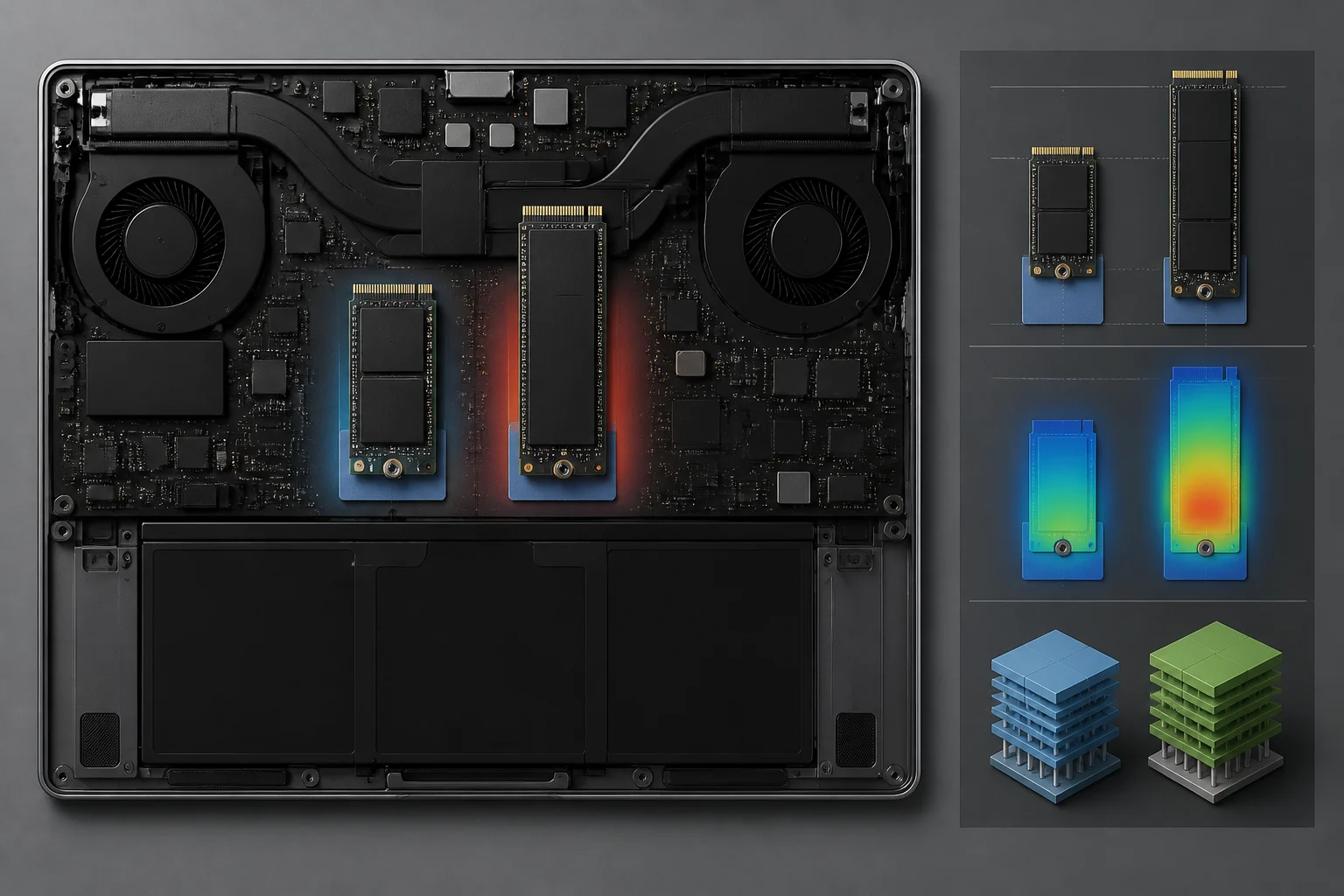
- Laptop design: compare battery, cooling, display, ports, weight and power limits in the specification for the exact model.
- Local price and availability: confirm the variant, retailer, delivery and terms in the market where it will be purchased.
This caution does not diminish the proposal’s technical interest. RTX Spark changes the combination of CPU, GPU and memory, and CUDA access in an Arm laptop design could open options for workflows that currently require more memory or a different kind of system. Without product testing and compatibility checks for each use case, however, that potential cannot be turned into a general buying recommendation.
The most useful conclusion is to treat RTX Spark as a promising architecture, not as a performance result already demonstrated for every user. Anyone considering a purchase should wait for or consult independent tests of the specific laptops, verify essential applications and compare the cost with alternatives offering a dedicated GPU or ample memory. The announced capacity is a clue; testing and the exact specification decide.