The Origin of the Shortage: AI as the Demand Driver
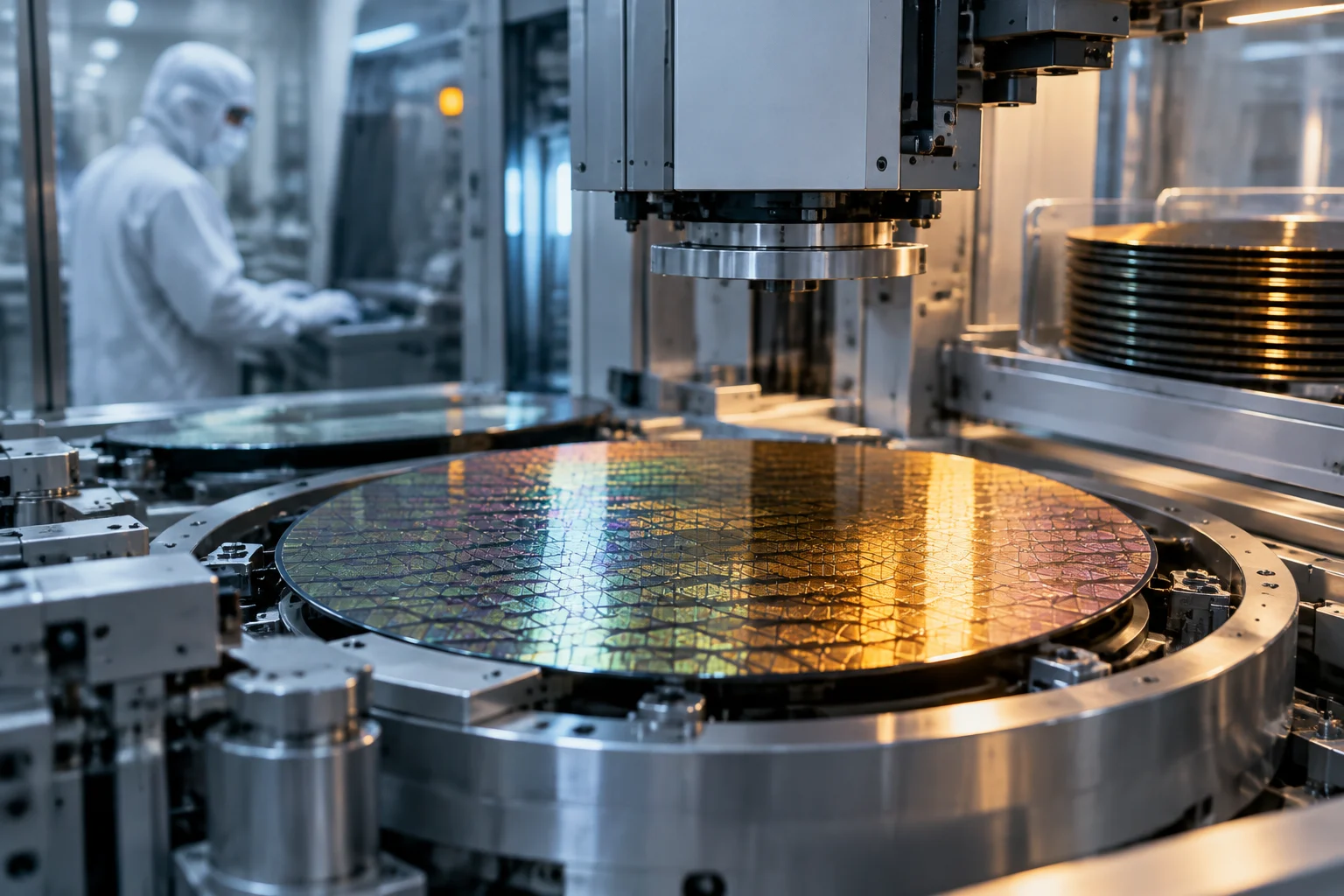
The current memory crisis is not a seasonal cycle but a structural shift in the supply chain. The world's three main DRAM manufacturers, Samsung, SK Hynix, and Micron, have redirected their production capacity towards high-bandwidth memory (HBM) and high-density DDR5 modules for AI data centers. This decision stems from the fact that profit margins in the AI sector are significantly higher than in consumer electronics.
As a result, the supply of conventional memory for mobile devices and PCs has shrunk drastically. Industry data shows DRAM prices have risen by over 50% in the last year, with Counterpoint Research forecasting additional increases of 30% in Q4 2025 and another 20% in early 2026. This pressure affects not only DDR5 but also LPDDR4, the memory still supporting many low and mid-range smartphones.
Direct Impact on the Mobile Supply Chain
Smartphone manufacturers rely on long-term supply contracts, but current volatility has broken their stability. In December 2025, reports indicated Samsung notified clients of DDR5 stock shortages, leading the company to double the contract price almost immediately. This forced mobile assemblers to accept unsustainable costs or temporarily halt production lines.
The domino effect has spread to other brands. Reports from China indicate companies like Xiaomi, OPPO, and vivo face difficulties covering component stock for the coming months. Companies face a dilemma: maintain retail prices by reducing RAM quality or quantity, or accept a final device price increase. This dynamic is particularly tense for mid-range models, which are most sensitive to component cost changes.
Market Data: Prices and Availability in 2026
Available data shows a growing disparity between component costs and final device prices. While a 32 GB DDR5-6000 kit cost under €90 in early 2025, it sold for over €500 in July 2026. Although mobiles do not use standard DDR5 modules, the same base technology and pressure on DRAM factory capacity directly impact the cost of LPDDR5 and LPDDR5X in current smartphones.
Gartner forecasts a combined 130% increase in DRAM and SSD prices by late 2026. This projection suggests the shortage will not resolve soon, with analysts like IDC indicating effects may persist into 2027. For consumers, this translates to a higher probability of finding sold-out models or reduced memory configurations in entry and mid-range tiers.
Manufacturer Strategies: Raise Prices or Cut Specs
Brands are adopting two main strategies to mitigate margin impact. The first is the increase in launch price for new flagships and upper-mid-range models. The second, and more subtle, is reducing standard RAM capacity. For example, a model previously launched with 12 GB base RAM might now offer 8 GB, or limit 16 GB options to more expensive premium variants.
This spec-cutting strategy is hard for the average user to detect, as 2026 model specs may show less memory than 2025 predecessors while maintaining similar or slightly higher prices. It is crucial for buyers to compare not just price, but the ratio of RAM capacity to cost, as 'memory per euro' is decreasing in the current market.
Practical Recommendations for Buyers in Spain
If you plan to renew your mobile or tablet in Q4 2026, it is advisable to act with caution. It is not recommended to wait for prices to drop, given the shortage is structural, not a temporary peak. Instead, it is suggested to buy during launch windows where manufacturers often offer promotions to move stock, or consider previous-generation models that have stabilized prices and specs.
To verify actual RAM specifications, always consult the manufacturer's official technical sheet, as retailers sometimes list configurations unavailable in the Spanish market. Prioritize devices with at least 8 GB of RAM to ensure long-term fluidity, and avoid entry-level models using LPDDR4, as they are most affected by the shortage and price hikes of this technology.
Future Outlook: When Will the Market Normalize?
Memory market normalization is not expected before 2028, according to analysts like Gartner, Counterpoint Research, and TrendForce. New factories capable of increasing conventional DRAM production capacity are not yet fully operational, and AI demand continues to grow at a pace exceeding supply.
In this context, RAM memory has become what some media have called the 'tech gold' of 2026. For end users, this implies memory will no longer be a taken-for-granted component but a decisive factor in purchase decisions, due to its cost and impact on device longevity.