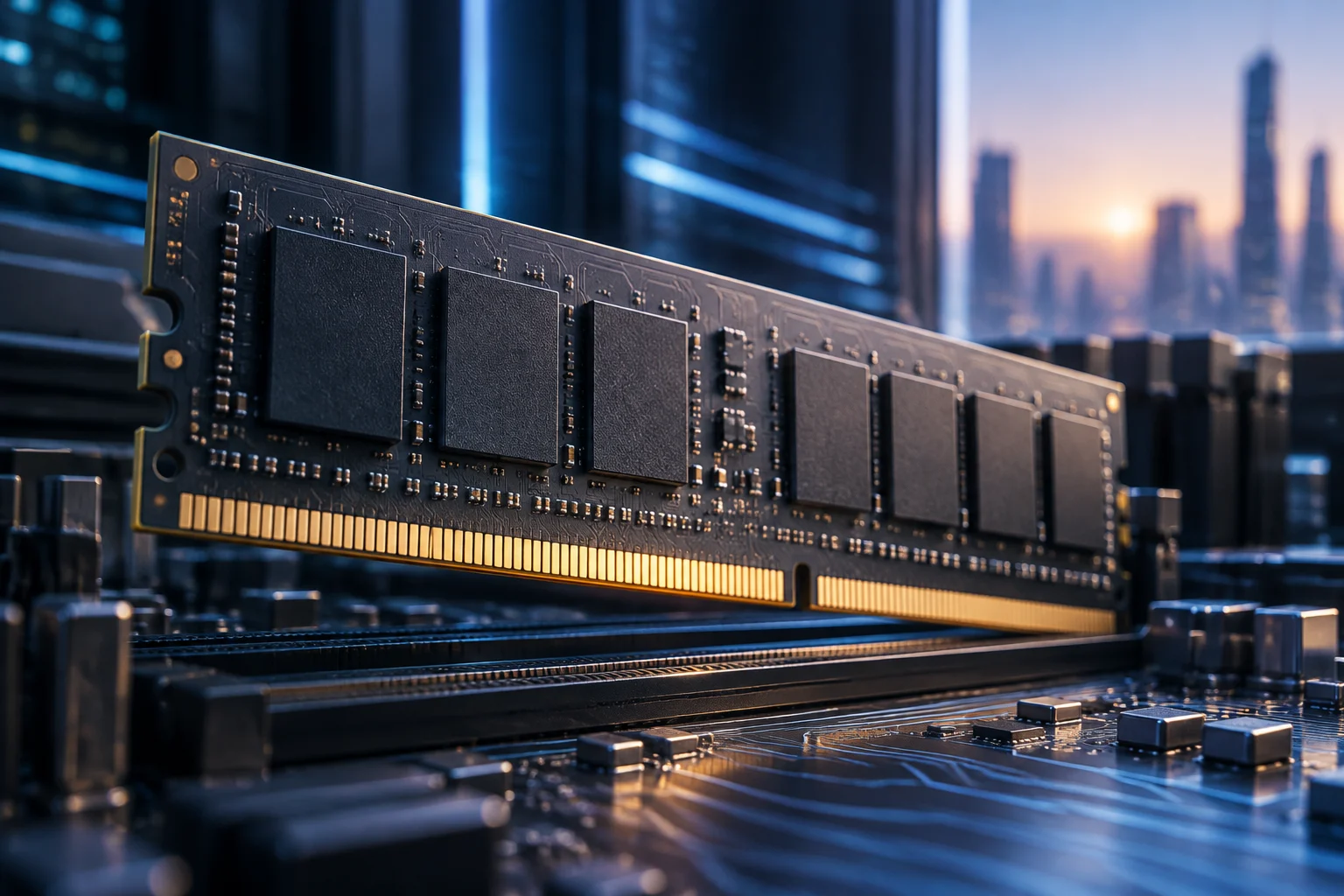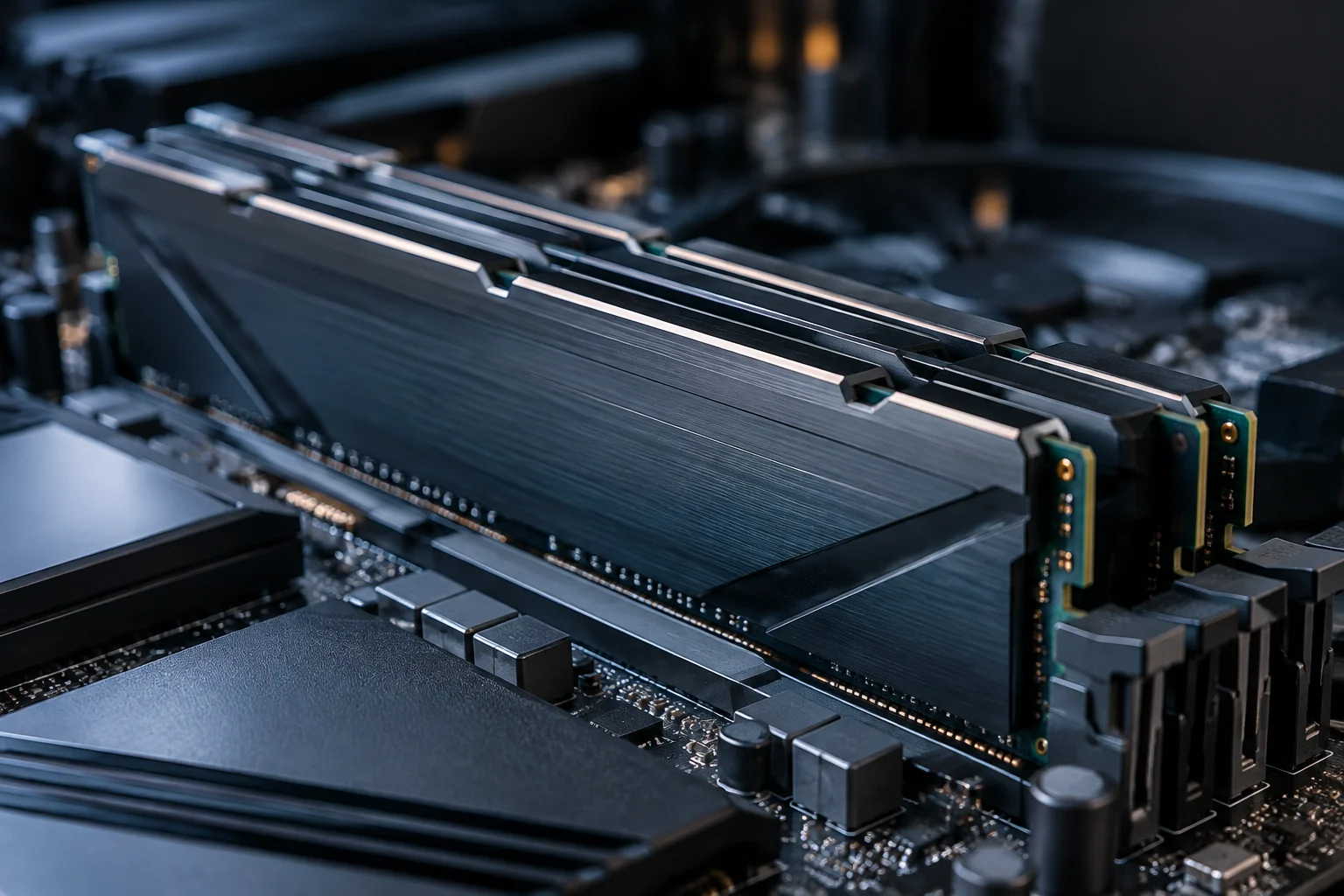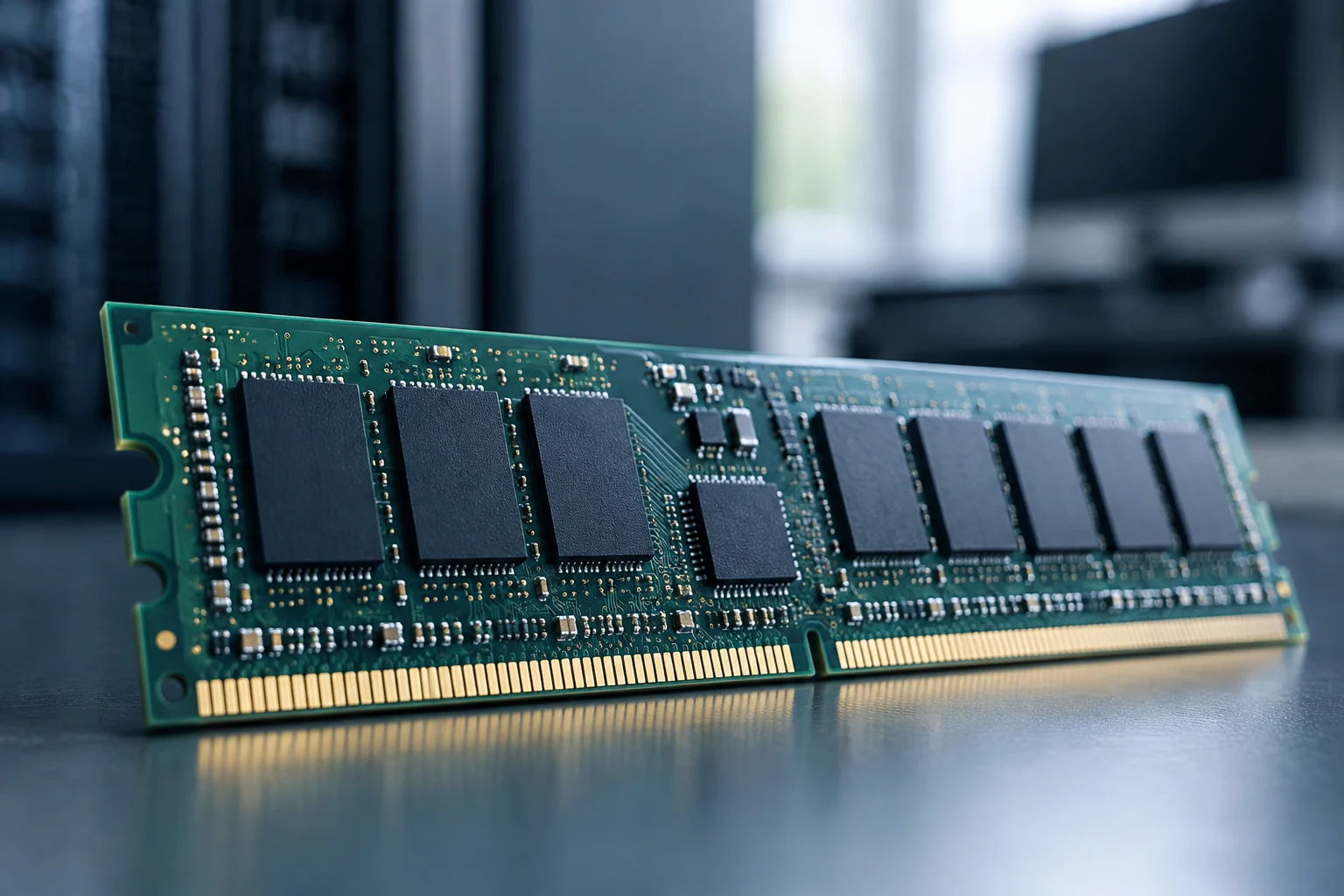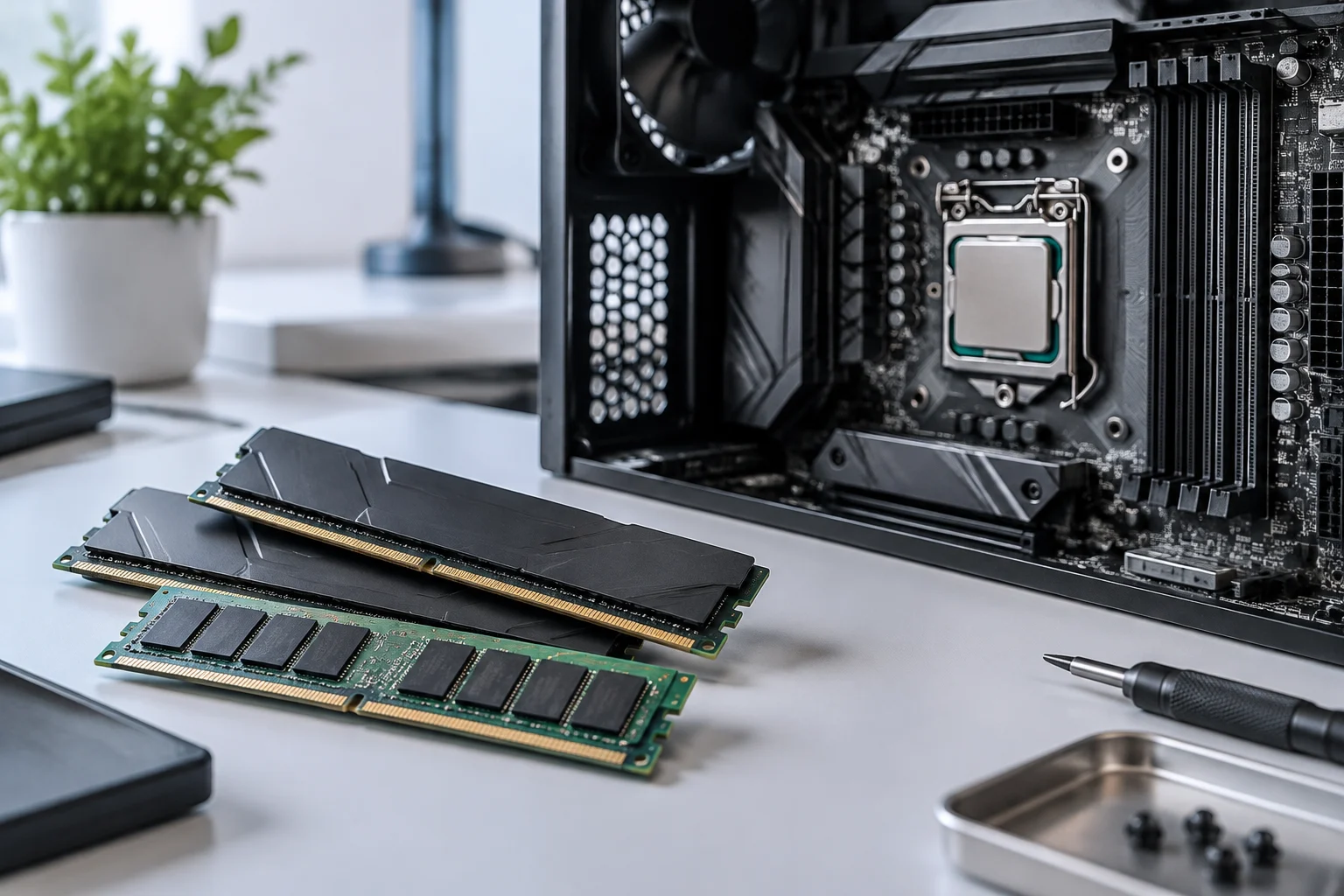
The New Memory Price Cycle
The memory market has entered a phase of structural tension that differs from previous crises. Unlike the chip shortages of 2020-2023, which were caused by logistical disruptions, the current supply deficit stems from a strategic reallocation of manufacturing capacity toward higher-margin products for artificial intelligence. Conventional DRAM prices have experienced quarterly increases of between 58% and 95% in the first months of 2026, a figure unseen for decades.
For the end user, this translates into a significantly higher entry cost for any new device. DDR5 kits of 2x16 GB, which cost around 100 euros in 2025, can now cost several times more. This reality forces a reevaluation of purchasing priorities: it is no longer just about choosing the best graphics card, but about balancing the budget between memory and other components.
The escalation is not uniform. While high-bandwidth memory (HBM) has been sold out for the entire year of 2026, consumer DDR5 suffers from a lack of available production capacity. Manufacturers prioritize data center orders, leaving PC and mobile markets in a position of dependence on residual supply.
The Silicon Competition: HBM vs. DDR5
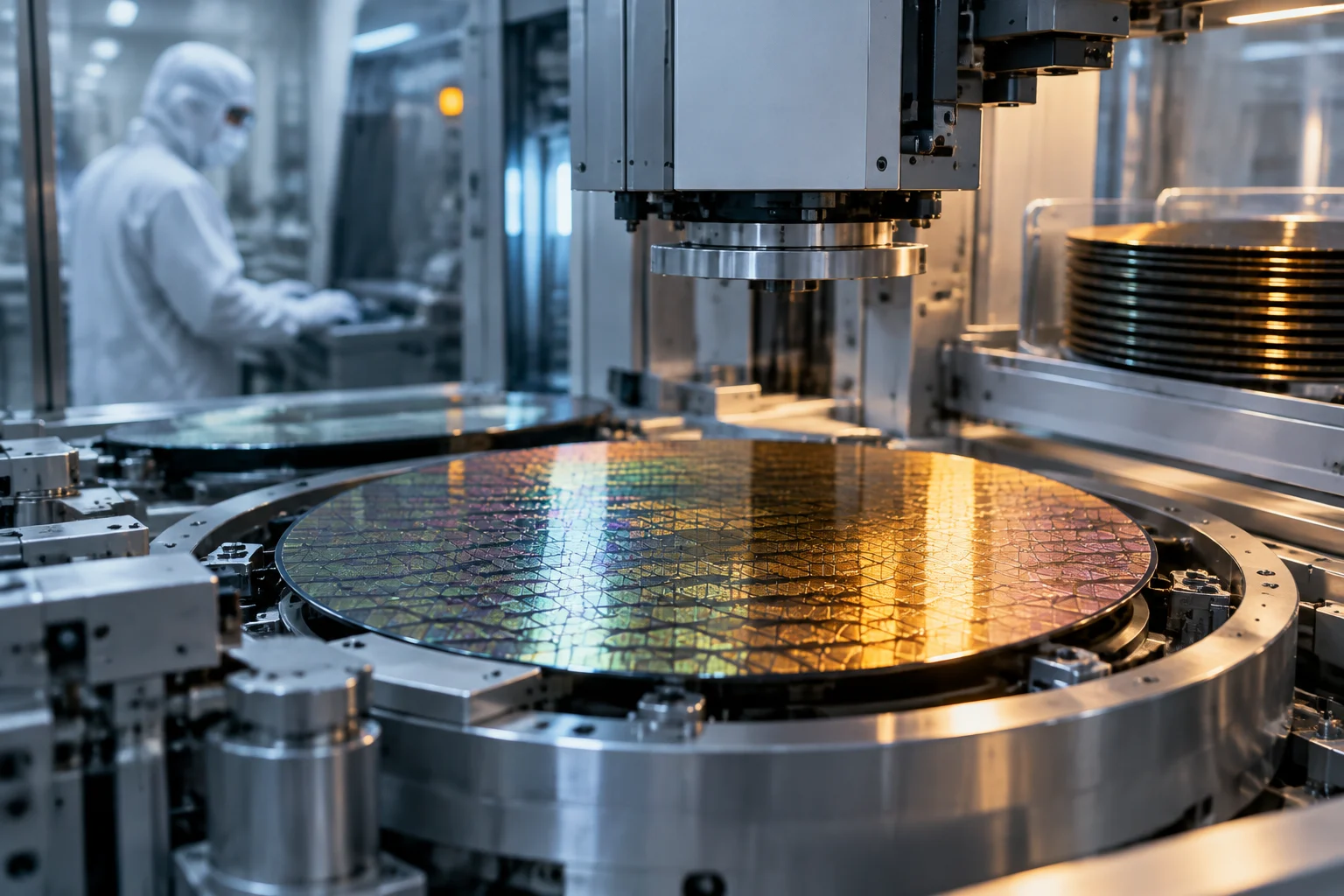
The core of the technical problem is that HBM and DDR5 compete for the same wafer manufacturing capacity. HBM, necessary for AI GPUs, offers superior bandwidth but requires more complex and costly packaging processes. Being the most profitable product for manufacturers, it has become the absolute priority of their production lines. This has caused the capacity dedicated to DDR5 to shrink drastically, creating a bottleneck in the consumer market.
Samsung, for example, has decided to reallocate up to 80,000 monthly wafers from its HBM production to DDR5 RDIMM modules. This move, while seeking to maximize short-term profits, confirms that the industry is in a state of margin optimization above supply stability. Meanwhile, SK Hynix and Micron keep their HBM capacities sold out, reinforcing the idea that AI demand continues to exceed available supply.
This dynamic creates a domino effect: as DDR5 production decreases, prices rise, which in turn makes DDR5 modules more profitable than HBM for some manufacturers. This positive feedback loop for producers, but negative for buyers, is the main engine of the current price crisis.
The CXMT Factor and Supply Expansion
The entry of ChangXin Memory Technologies (CXMT) into the stock market marks an inflection point. With a market capitalization that already exceeds that of Intel, CXMT has raised billions of dollars to expand its DDR5 and DDR4 production capacity. This expansion is crucial because it adds a significant competitor to a market that was dominated by an oligopoly of three companies: Samsung, SK Hynix, and Micron.
However, CXMT's capacity does not materialize overnight. Although the company has shown DDR5-8000 and LPDDR5X-10667 memories, the integration of these new production lines into the global market will take time. Analysts expect CXMT's supply to begin alleviating price pressure by late 2026 or early 2027, but not before. For now, its impact is more psychological than operational, serving as a ceiling to price speculation.
CXMT's expansion also has geopolitical implications. As a Chinese company, its growth could be affected by trade restrictions or sanctions, adding a layer of uncertainty to supply forecasts. Nevertheless, its existence changes the power dynamics in the industry, forcing traditional manufacturers to be more competitive in prices and delivery times.
Market Signals to Verify the Duration of the Crisis
Distinguishing between a temporary spike and a structural change requires monitoring specific indicators. The first is the evolution of contract prices for DRAM, published by research firms like TrendForce. If quarterly increases moderate below 10-15%, it is a sign of stabilization. If they continue above 50%, the crisis prolongs.
Another key indicator is manufacturers' capital expenditure (capex). Micron, for example, has doubled its capital spending to expand its production capacity. This investment is a sign that the company believes AI demand is sustainable and not a temporary peak. However, building new factories and starting production lines can take between 18 and 24 months to reflect in available supply.
Finally, statements from industry executives are useful. Sumit Sadana, from Micron, has stated that memory is in "significant shortage" and that they have no visibility on when supply will meet demand. This lack of visibility is an indicator that the crisis does not have a clear end date and that buyers must plan long-term.
Buying Strategies for Users and IT Professionals
For users planning to buy a new PC, the recommendation is to prioritize capacity over speed. In a shortage market, it is more important to have 32 GB of DDR5-4800 than 16 GB of DDR5-6000. Memory speed has a lesser impact on overall performance than capacity, especially in modern applications that consume a lot of memory.
If you already have a PC with DDR4, it is not the time to upgrade to DDR5 unless strictly necessary. The investment in a new platform (CPU, motherboard, and memory) is very high in this context. It is better to wait for prices to stabilize or look for second-hand equipment with DDR5 if the budget is tight.
For IT professionals managing budgets, the strategy should be advance purchasing. If equipment is needed for the next 6-12 months, it is advisable to buy memory now, even at a high price, to avoid future increases. Long-term supply contracts with manufacturers are also a viable option to secure prices and availability, although they require a greater financial commitment.
Future Outlook: DDR6 and Stabilization in 2027
The arrival of DDR6, expected for late 2026 or 2027, could mark the end of the current crisis. DDR6 will offer superior bandwidth and greater energy efficiency, making it more attractive for manufacturers. However, the transition to DDR6 will not be immediate and will coexist with DDR5 for several years, meaning DDR5 supply will not disappear overnight.
Price stabilization will depend on manufacturers' ability to balance production between HBM, DDR5, and DDR6. If AI demand continues to grow at the current pace, it is likely that HBM will remain the priority, maintaining pressure on DDR5 prices. Nevertheless, the entry of new competitors like CXMT and the expansion of traditional manufacturers' capacity should alleviate the situation by mid-2027.
In summary, the DDR5 RAM crisis is not a passing phenomenon, but the result of a structural change in the semiconductor industry. Buyers must adapt to this new reality, planning their purchases with greater foresight and prioritizing capacity over speed. Patience and information are the best tools to navigate this volatile market.